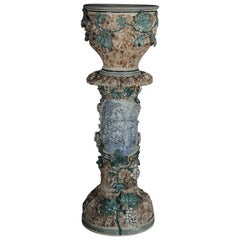
Plant Pot Pillar
Antique 1880s Austrian Renaissance Revival Ceramics
Ceramic

People Also Browsed
Antique 19th Century English Neoclassical Candle Holders
Rock Crystal, Ormolu
2010s British Louis XVI Sofas
Beech
Antique 19th Century French Rococo Screens and Room Dividers
Giltwood
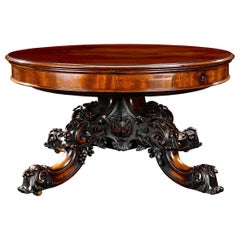
Antique 19th Century French Louis XVI Center Tables
Ormolu, Bronze
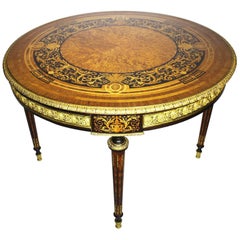
Antique 19th Century English Other Tables
Mahogany
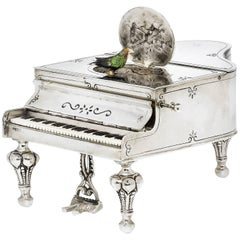
Antique 19th Century German Models and Miniatures
Silver
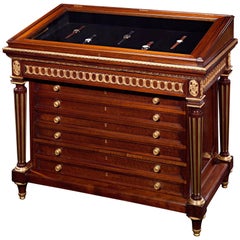
Antique 19th Century Unknown Empire Cabinets
Mahogany
Antique 1840s French Renaissance Cabinets
Walnut
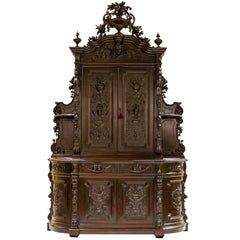
Antique Late 19th Century French Belle Époque Table Lamps
Bronze, Ormolu
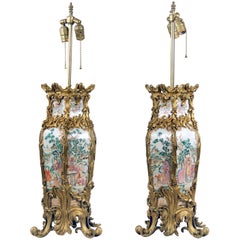
Antique Late 19th Century French Louis XIV Commodes and Chests of Drawers
Bronze
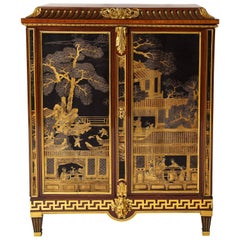
Antique Late 19th Century French Neoclassical Gueridon
Marble, Ormolu, Tôle
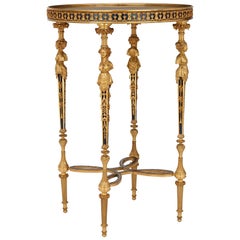
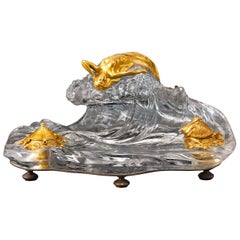
20th Century French Art Nouveau Inkwells
Crystal, Bronze
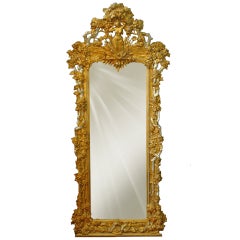
Antique 19th Century French Napoleon III Floor Mirrors and Full-Length M...
Giltwood
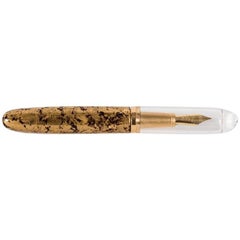
21st Century and Contemporary French More Desk Accessories
Rock Crystal, Gold, Gold Leaf
Antique 19th Century Italian Empire Floor Mirrors and Full-Length Mirrors
Wood
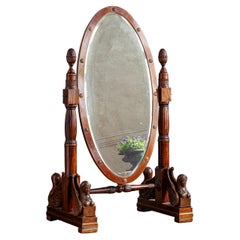
Antique Mid-19th Century German Napoleon III Tables
Gold Plate
Finding the Right Folk Art for You
Folk art refers to a genre of art that shares the creator’s traditions, offering not just an artistic display but an opportunity to learn about a culture. Vintage, new and antique folk art typically reflects a heritage or location. It can include utilitarian objects and handmade art as diverse as weather vanes, portraiture and paintings, carnival art, quilts and duck decoys.
American folk art is frequently valued because of the traditional skills involved, like weaving, hand-carving wood and even stonework. Many folk artists are self-taught, while some train as apprentices within their community. By using available materials and taking a personal approach to their creations, artists ensure each piece is unique and conveys a story. Native American folk art includes functional objects reflecting their heritage, such as baskets, textiles and wooden pieces.
During the Great Depression, artistic materials in America were hard to come by, so artisans used discarded wood from cigar boxes and shipping crates to make highly stylized, notched pieces — most often picture frames and boxes — that are today sought after by collectors. This folk art style is called tramp art and was popular from roughly 1870 until the 1940s.
Folk art brings vibrant culture and traditions into your home. Browse an extensive collection of folk art on 1stDibs.
- 1stDibs ExpertMay 5, 2023There are a number of things that you can do with old ceramic plant pots. Use them to organize toiletries in the bathroom or bedroom or to corral office supplies on your desk. Turn them into holders for your gardening tools or cooking utensils. Larger pots can find new life as umbrella stands in your front entryway. Shop a selection of ceramic planters on 1stDibs.
- Are iron pots good for plants?1 Answer1stDibs ExpertMay 5, 2023Whether iron pots are good for plants is a matter of opinion. The biggest advantage of an iron pot is that it’s highly durable. Many people also like the appearance of the metal. On the downside, an iron pot that lacks insulation could overheat plants when exposed to hot weather. In addition, adding water to iron could lead to rusting. Planter liners can reduce the risk of both overheating and rust. Find a range of planters on 1stDibs.
- Are clay pots good for plants?1 Answer1stDibs ExpertFebruary 22, 2021Yes, clay pots are good for plants. These pots provide a healthy environment for most plants because material's porous nature allows air and moisture to penetrate the sides of the pot. Clay pots can remove excess moisture from the potting soil reducing the chance of root rot.
- Do plant pots need saucers?1 Answer1stDibs ExpertFebruary 22, 2021No, plant pots do not need saucers. While saucers are not necessary, some choose to place a plant pot over a saucer to collect the water that drains from the pot. Others recommend against saucers because water that collects will keep the soil of the plant too moist, an unhealthy condition for most plants.
- 1stDibs ExpertOctober 19, 2021The best pot for a jade plant is either a ceramic pot or a sturdy plastic pot with great drainage to keep the soil and roots from becoming too soggy. If you have a free-draining mix, either of the two pots will keep your plant happy and healthy. Find a variety of vintage and antique pots for a jade plant on 1stDibs.