Portuguese Baroque Furniture
Antique 18th Century Portuguese Baroque Ceramics
Ceramic
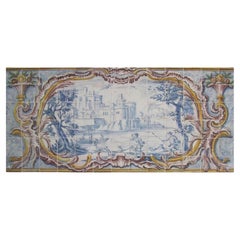
Antique 18th Century Portuguese Baroque Ceramics
Ceramic
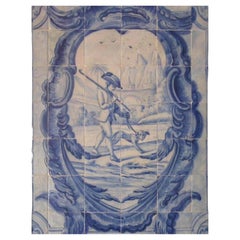
Antique 18th Century Portuguese Baroque Ceramics
Ceramic
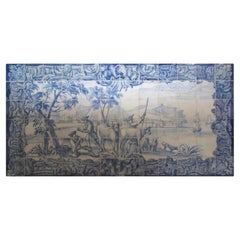
Antique 18th Century Portuguese Baroque Ceramics
Ceramic
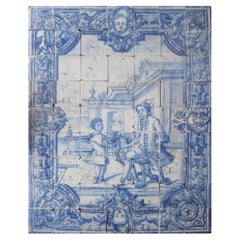
Antique 18th Century Portuguese Baroque Ceramics
Ceramic
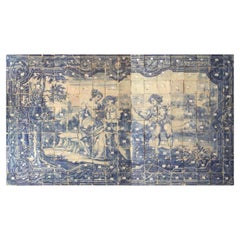
Antique 18th Century Portuguese Baroque Ceramics
Ceramic
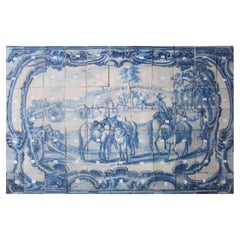
Antique 18th Century Portuguese Baroque Ceramics
Ceramic
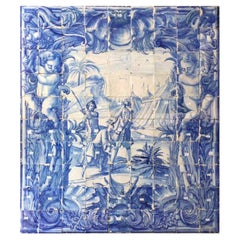
Antique 18th Century Portuguese Baroque Ceramics
Ceramic
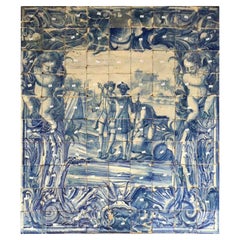
Antique 18th Century Portuguese Baroque Ceramics
Ceramic
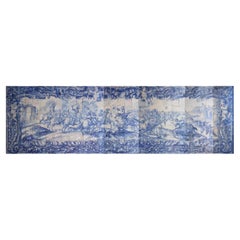
Antique 18th Century Portuguese Baroque Ceramics
Ceramic
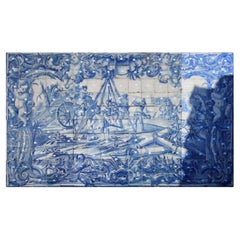
Antique 18th Century Portuguese Baroque Ceramics
Ceramic
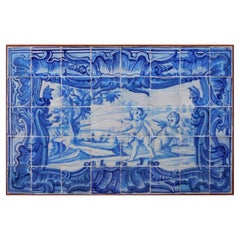
Antique 18th Century Italian Rococo Candlesticks
Wood
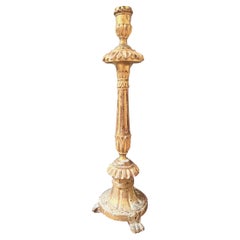
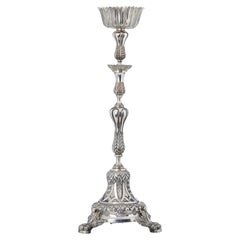
Antique 19th Century Portuguese Baroque Religious Items
Silver
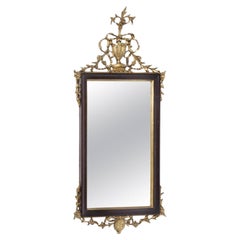
Antique 19th Century Portuguese Baroque Wall Mirrors
Wood
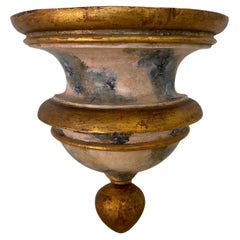
Antique 18th Century Portuguese Baroque Wall Brackets
Fruitwood
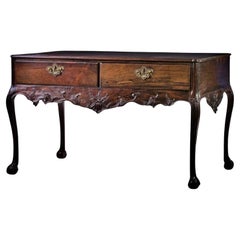
Antique Early 18th Century Portuguese Baroque Center Tables
Rosewood
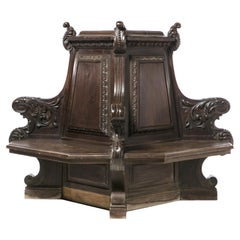
Antique 18th Century Portuguese Baroque Benches
Wood
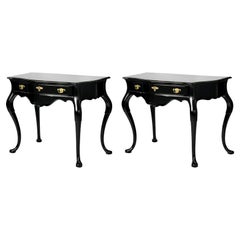
20th Century Portuguese Baroque Tables
Walnut

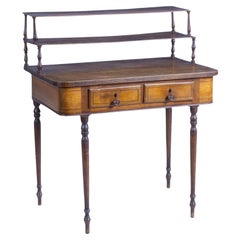
Antique 19th Century Portuguese Baroque Secretaires
Wood
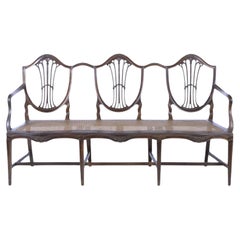
Antique 18th Century French Baroque Chairs
Wood, Rosewood
Antique 18th Century Portuguese Baroque Bergere Chairs
Wood
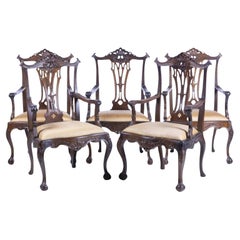
Antique Early 18th Century Portuguese Baroque Religious Items
Silver

Antique 18th Century Portuguese Baroque Lanterns
Wood
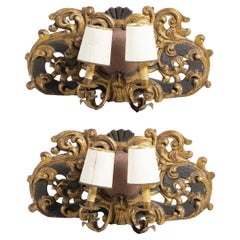
Antique Late 18th Century Portuguese Baroque Torchères
Giltwood
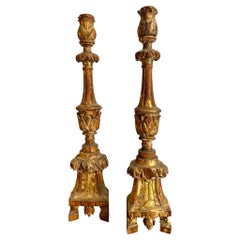
Antique 18th Century Portuguese Baroque Ceramics
Ceramic
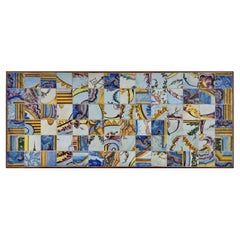
Antique 17th Century Portuguese Baroque Religious Items
Porcelain
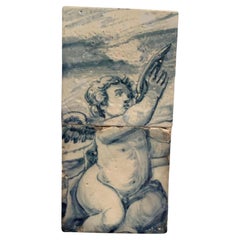
Antique Mid-17th Century Baroque Beds and Bed Frames
Mahogany
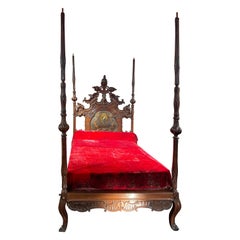
Antique Late 18th Century Portuguese Baroque Cupboards
Wood
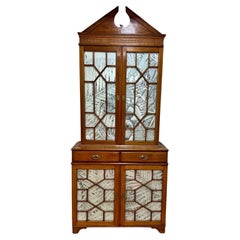
Antique 19th Century Portuguese Baroque Wall Mirrors
Wood
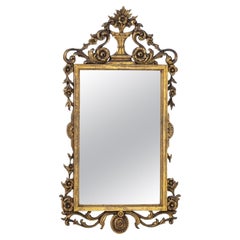
Early 20th Century Portuguese Baroque Console Tables
Wood
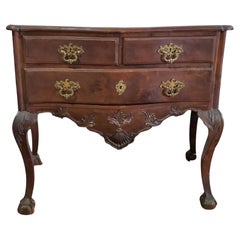
Antique 19th Century Portuguese Baroque Wall Mirrors
Wood
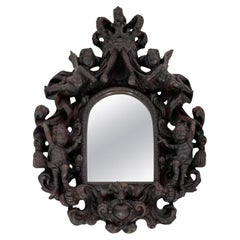
Antique 19th Century Portuguese Baroque Decorative Boxes
Wood
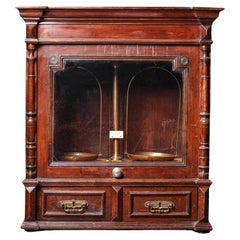
Antique 18th Century Portuguese Baroque Canapes
Wood
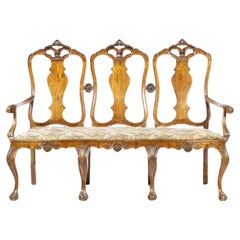
Antique Early 18th Century Portuguese Baroque Figurative Sculptures
Terracotta
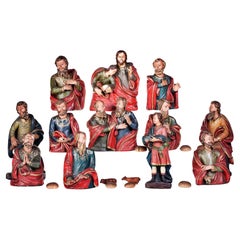
20th Century Portuguese Baroque Credenzas
Wood
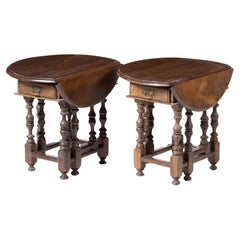
Antique 1740s South American Baroque Chairs
Rosewood
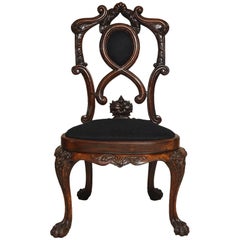
Antique Late 17th Century Desks and Writing Tables
Rosewood
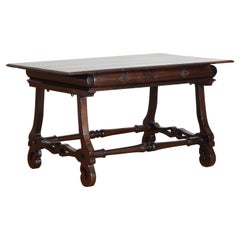
Antique 17th Century Portuguese Baroque Console Tables
Wood
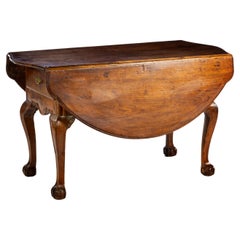
Antique 17th Century Portuguese Baroque Credenzas
Wood
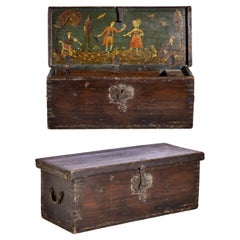
20th Century Portuguese Baroque Commodes and Chests of Drawers
Brass
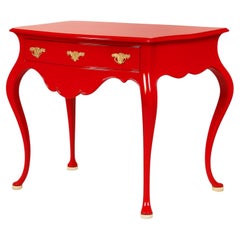
Antique 17th Century Portuguese Baroque Religious Items
Wood
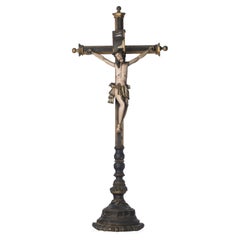
Antique 18th Century Portuguese Baroque Cabinets
Brass
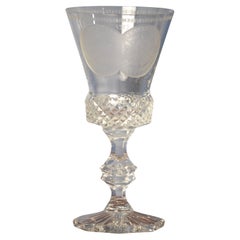
Vintage 1970s Portuguese Baroque Crystal Serveware
Crystal
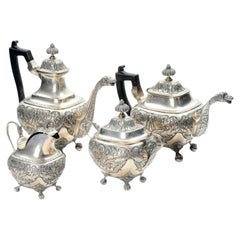
Antique 19th Century Portuguese Baroque Sheffield and Silverplate
Silver
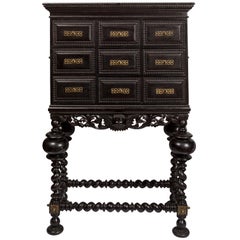
Antique 1650s Portuguese Baroque Cabinets
Brass
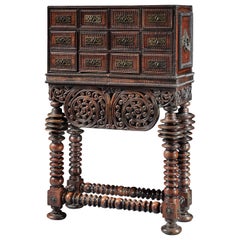
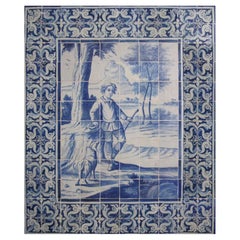
Antique 18th Century Portuguese Baroque Ceramics
Ceramic
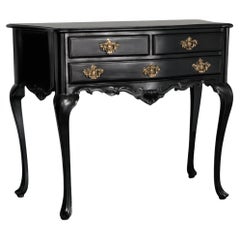
Antique Late 19th Century Portuguese Baroque Commodes and Chests of Drawers
Brass
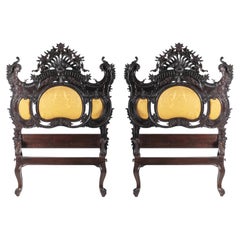
Antique 19th Century Portuguese Baroque Bed Coronas
Wood
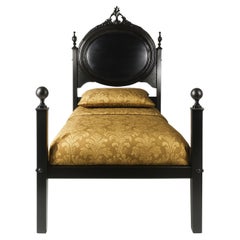
Antique Late 19th Century Portuguese Baroque Beds and Bed Frames
Brass
20th Century Portuguese Baroque Cabinets
Brass
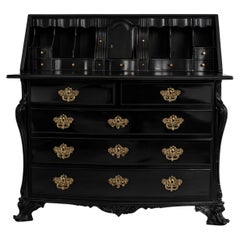
Antique Early 18th Century Portuguese Baroque Religious Items
Giltwood

Antique Mid-18th Century Portuguese Baroque Console Tables
Walnut
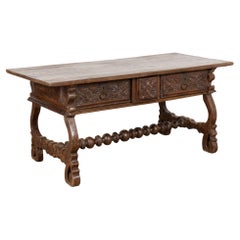
Antique 18th Century Portuguese Baroque Corner Cupboards
Metal, Brass
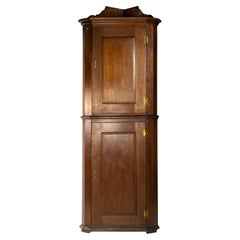
Antique 19th Century Portuguese Baroque Cabinets
Rosewood
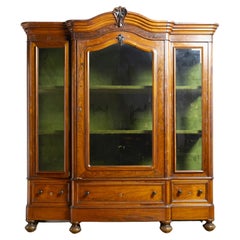
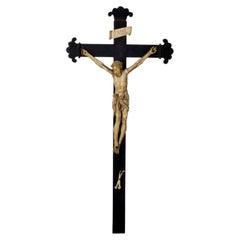
Antique 17th Century Portuguese Baroque Religious Items
Wood
20th Century Portuguese Baroque Commodes and Chests of Drawers
Brass
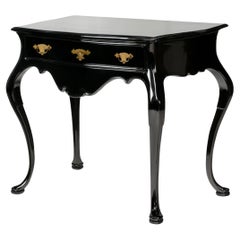
20th Century Portuguese Baroque Commodes and Chests of Drawers
Brass

- 1
- ...
Portuguese Baroque Furniture For Sale on 1stDibs
How Much is a Portuguese Baroque Furniture?
A Close Look at Baroque Furniture
The decadence of the Baroque style, in which ornate furnishings were layered against paneled walls, painted ceilings, stately chandeliers and, above all, gilding, expressed the power of the church and monarchy through design that celebrated excess. And its influence was omnipresent — antique Baroque furniture was created in the first design style that truly had a global impact.
Theatrical and lavish, Baroque was prevalent across Europe from the 17th to mid-18th century and spread around the world through colonialism, including in Asia, Africa and the Americas. While Baroque originated in Italy and achieved some of its most fantastic forms in the late-period Roman Baroque, it was adapted to meet the tastes and materials in each region. French Baroque furniture informed Louis XIV style and added drama to Versailles. In Spain, the Baroque movement influenced the elaborate Churrigueresque style in which architecture was dripping with ornamental details. In South German Baroque, furniture was made with bold geometric patterns.
Compared to Renaissance furniture, which was more subdued in its proportions, Baroque furniture was extravagant in all aspects, from its shape to its materials.
Allegorical and mythical figures were often sculpted in the wood, along with motifs like scrolling floral forms and acanthus leaves that gave the impression of tangles of dense foliage. Novel techniques and materials such as marquetry, gesso and lacquer — which were used with exotic woods and were employed by cabinetmakers such as André-Charles Boulle, Gerrit Jensen and James Moore — reflected the growth of international trade. Baroque furniture characteristics include a range of decorative elements — a single furnishing could feature everything from carved gilded wood to gilt bronze, lending chairs, mirrors, console tables and other pieces a sense of motion.
Find a collection of authentic antique Baroque tables, lighting, decorative objects and other furniture on 1stDibs.
- What is Baroque style furniture?1 Answer1stDibs ExpertAugust 15, 2019
Baroque style furniture is dramatic, extravagant and detailed and was heavily influenced by the Catholic Church in Italy, where the movement was born in the late 17th century. Baroque was specifically for the wealthy and noble classes and made use of rich and lavish materials including gilded bronze, velvet and silk. Because Baroque style was very heavy and dramatic, typical Baroque color schemes were mostly jewel tones, red and gold.