Portuguese Whistles
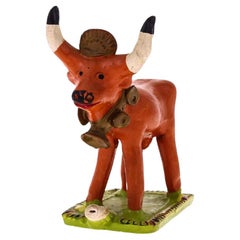
Mid-20th Century Portuguese Arts and Crafts Animal Sculptures
Terracotta

People Also Browsed
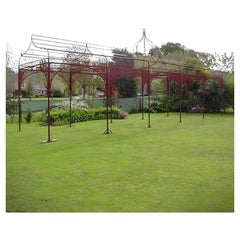
Antique Late 19th Century European Moorish Architectural Elements
Wrought Iron
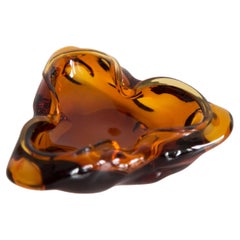
Mid-20th Century Italian Ashtrays
Crystal
Antique 19th Century Italian Renaissance Statues
Marble

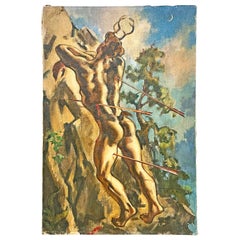
Vintage 1940s North American Art Deco Paintings
Paint
Antique Early 19th Century Italian Figurative Sculptures
Carrara Marble
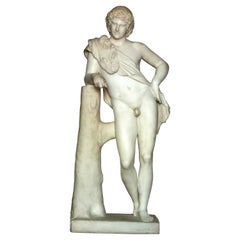
21st Century and Contemporary American Tables
Ebony, Oak, Walnut
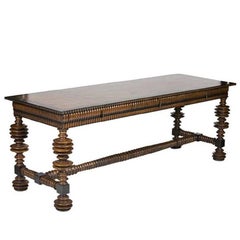
20th Century Unknown Busts
Marble
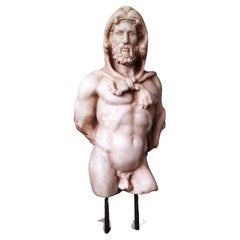
Vintage 1920s French Aesthetic Movement Paintings
Canvas, Giltwood
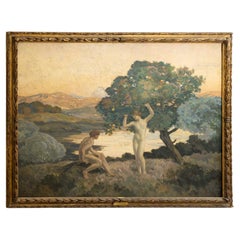
Early 19th Century Italian School Portrait Paintings
Canvas, Oil

19th Century Academic Figurative Paintings
Canvas, Oil

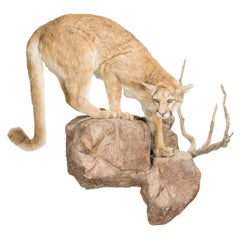
2010s American Taxidermy
Other
Vintage 1910s French Art Deco Figurative Sculptures
Art Glass
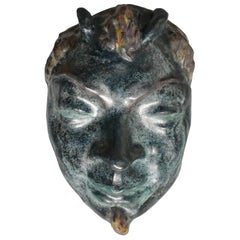
Late 20th Century American Mid-Century Modern Abstract Sculptures
Quartz, Brass
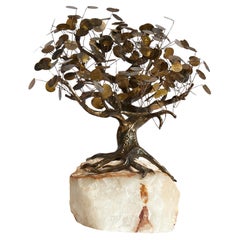
Early 20th Century German Glass
Glass
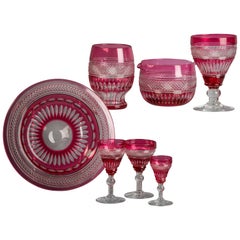
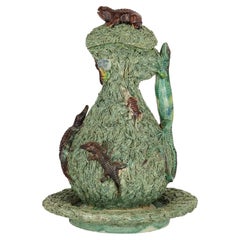
Antique Late 19th Century Portuguese Ceramics
Majolica
Antique 1890s Persian Serapi Persian Rugs
Wool
A Close Look at Arts-and-crafts Furniture
Emerging in reaction to industrialization and mass production, the Arts and Crafts movement celebrated handcrafted design as a part of daily life. The history of Arts and Crafts furniture has roots in 1860s England with an emphasis on natural motifs and simple flourishes like mosaics and carvings. This work is characterized by plain construction that showcases the hand of the artisan.
The earliest American Arts and Crafts furniture dates back to the start of the 20th century. Designers working in this style in the United States initially looked to ideas put forth by The Craftsman, a magazine published by Wisconsin native Gustav Stickley, a furniture maker and founder of the Craftsman style. Stickley’s furniture was practical and largely free of ornament. His Craftsman style drew on French Art Nouveau as well as the work he encountered on his travels in England. There, the leading designers of the Arts and Crafts movement included William Morris, who revived historical techniques such as embroidery and printed fabrics in his furnishings, and Charles Voysey, whose minimal approach was in contrast to the ornamentation favored in the Victorian era.
American Arts and Crafts work would come to involve a range of influences unified by an elevation of traditional craftsmanship. The furniture was often built from sturdy woods like oak and mahogany while featuring details such as inlaid metal, tooled leather and ceramic tiles. The style in the United States was led by Stickley, whose clean-lined chairs and benches showcased the grain of the wood, and furniture maker Charles Rohlfs, who was informed by international influences like East Asian and French Art Nouveau design.
Hubs in America included several utopian communities such as Rose Valley in Pennsylvania and the Byrdcliffe Arts and Crafts Colony in New York, where craftspeople made furniture that prioritized function over any decoration. Their work would influence designers and architects including Frank Lloyd Wright, who built some of the most elegant and iconic structures in the United States and likewise embraced a thoughtful use of materials in his furniture.
Find antique Arts and Crafts chairs, tables, cabinets and other authentic period furniture on 1stDibs.
Finding the Right Animal-sculptures for You
Invite the untamed wonders of the animal kingdom into your home — and do so safely — with the antique, new and vintage animal sculptures available on 1stDibs.
Artists working in every medium from furniture design to jewelry to painting have found inspiration in wild animals over the years. For sculptors, three-dimensional animal renderings — both realistic and symbolic — crisscross history and continents. In as early as 210 B.C., intricately detailed terracotta horses guarded early Chinese tombs, while North America’s native Inuit tribes living in the ice-covered Arctic during the 1800’s wore small animal figurines carved from walrus ivory. Indeed, animal sculpture has a long history, and beginning in the 19th century, the art form started becoming not only fashionable but artistically validated — a trend that continues today. At home, animal sculptures — polished bronze rhinos crafted in the Art Deco style or ceramic dogs of the mid-century modern era — can introduce both playfulness and drama to your decor.
In the case of the frosted glass sculptures crafted by artisans at legendary French glassmaker Lalique, founded by jeweler and glass artist René Lalique, some animal sculptures are purely decorative. With their meticulously groomed horse manes and detailed contours of their parakeet feathers, these creatures want to be proudly displayed. Adding animal sculptures to your bookcases can draw attention to your covetable collection of vintage monographs, while side tables and wall shelving also make great habitats for these ornamental animal figurines.
Some sculptures, however, can find suitable nests in just about any corner of your space. Whimsical brass flamingos or the violent, realist bronze lions created by Parisian sculptor Antoine-Louis Barye are provocative and versatile pieces that can rest on windowsills or your desk. Otherwise, the brass cat shoehorns and bronze porcupine ashtrays designed by Viennese artist Walter Bosse are no longer roaming aimlessly throughout your living room, as they’ve found a purpose to serve.
Embark on your safari today and find a fascinating collection of vintage, modern and antique animal sculptures on 1stDibs.