Post Modern Furniture
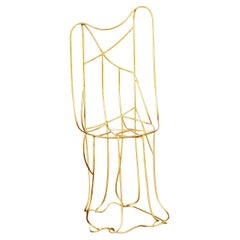
Vintage 1980s Italian Post-Modern Chairs
Brass
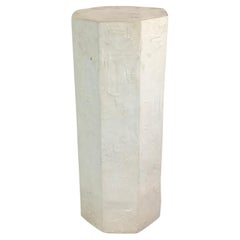
Late 20th Century Unknown Post-Modern Pedestals and Columns
Plaster

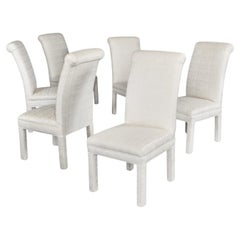
1990s American Post-Modern Dining Room Chairs
Fabric
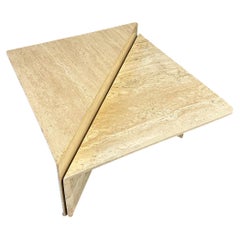
Late 20th Century European Post-Modern Coffee and Cocktail Tables
Travertine
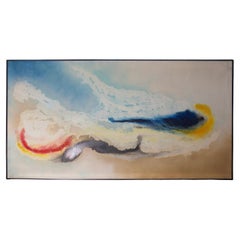
Vintage 1970s Italian Mid-Century Modern Paintings
Canvas, Wood
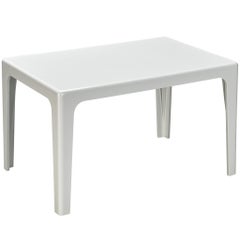
Vintage 1970s German Post-Modern Dining Room Tables
Plastic
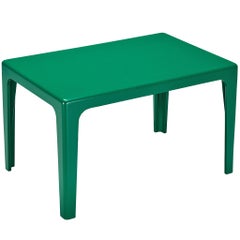
Vintage 1970s German Post-Modern Dining Room Tables
Plastic
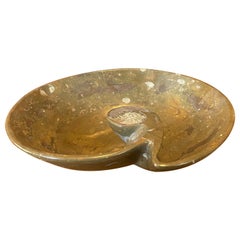
Mid-20th Century Italian Post-Modern Serving Bowls
Marble
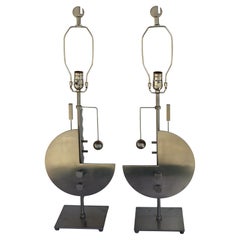
Vintage 1980s American Post-Modern Table Lamps
Cut Steel, Chrome
Antique 1880s American Post-Modern Side Tables
Steel
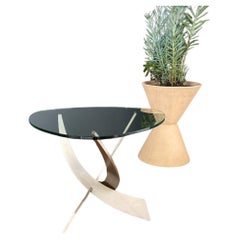
Late 20th Century European Post-Modern Side Tables
Wood

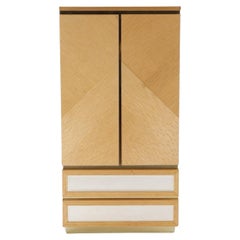
Vintage 1980s American Post-Modern Wardrobes and Armoires
Brass
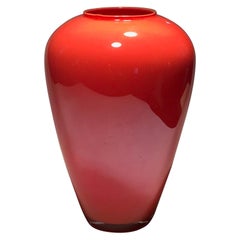
Late 20th Century Italian Post-Modern Vases
Glass
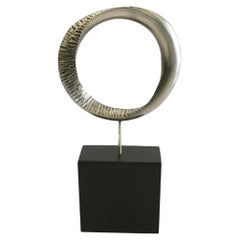
Vintage 1980s Italian Post-Modern Abstract Sculptures
Aluminum
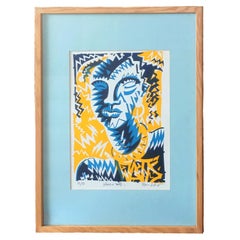
1990s American Post-Modern Prints
Paper
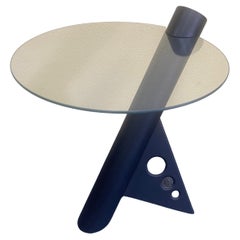
Mid-20th Century Philippine Post-Modern Side Tables
Glass, Wood
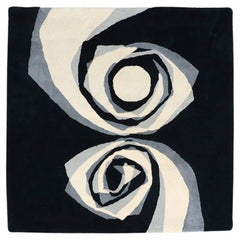
Vintage 1980s American Mid-Century Modern Tapestries
Wool
Late 20th Century Philippine Post-Modern Wall Mirrors
Stone, Brass

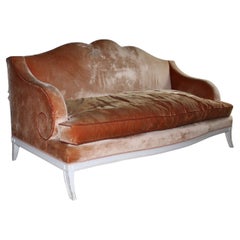
1990s American Post-Modern Sofas
Velvet
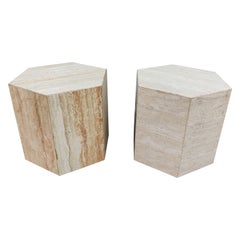
Vintage 1970s Italian Post-Modern Side Tables
Travertine
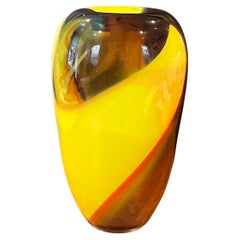
Late 20th Century American Post-Modern Vases
Art Glass
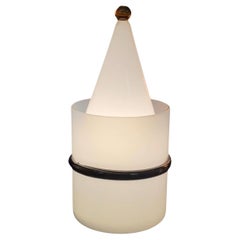
Vintage 1980s Italian Post-Modern Table Lamps
Metal
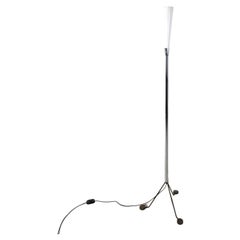
1990s Italian Post-Modern Floor Lamps
Chrome
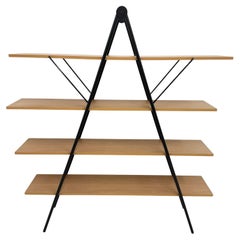
Vintage 1980s Dutch Mid-Century Modern Shelves
Metal
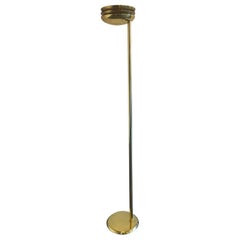
Vintage 1980s American Post-Modern Floor Lamps
Metal, Chrome
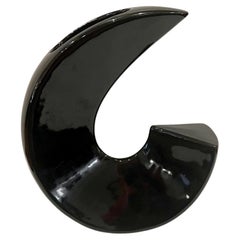
20th Century Japanese Post-Modern Vases
Ceramic
Late 20th Century American Post-Modern Vases
Art Glass
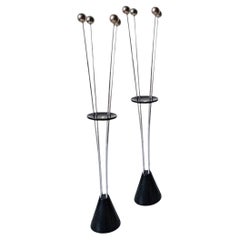
Vintage 1980s Dutch Post-Modern Candlesticks
Metal, Chrome
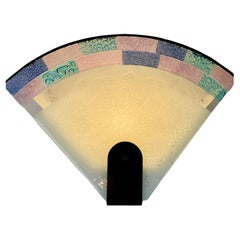
Vintage 1980s Italian Post-Modern Wall Lights and Sconces
Metal
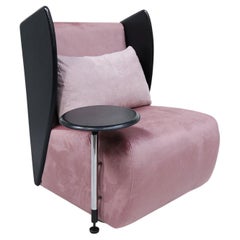
Vintage 1980s Italian Post-Modern Wingback Chairs
Leather, Velvet
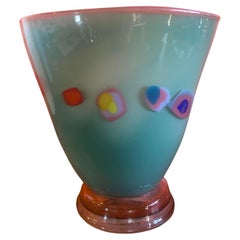
Late 20th Century American Post-Modern Vases
Pottery
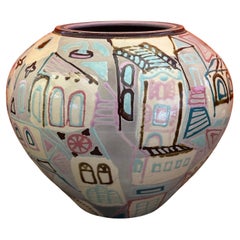
Vintage 1980s Italian Post-Modern Abstract Sculptures
Pewter
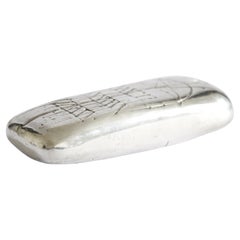
Vintage 1980s American Post-Modern Coffee and Cocktail Tables
Glass, Plexiglass
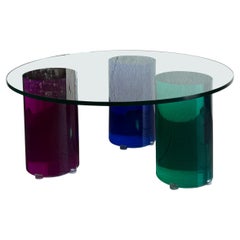
Early 2000s North American Post-Modern Wall Mirrors
Mirror, Wood, Lacquer
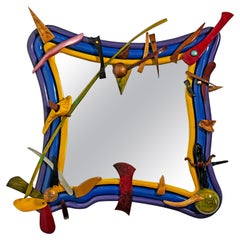
Mid-20th Century Post-Modern Wall Mirrors
Glass, Mirror

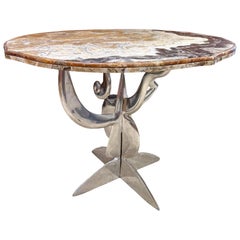
Vintage 1980s Italian Post-Modern Gueridon
Stone, Aluminum
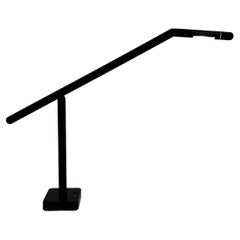
Vintage 1980s American Post-Modern Table Lamps
Metal
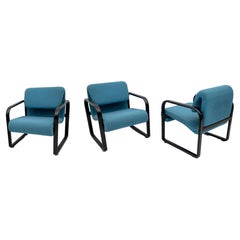
Vintage 1970s European Post-Modern Armchairs
Metal
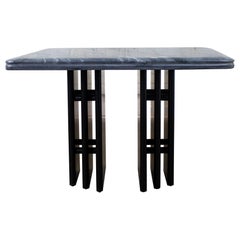
Vintage 1980s American Post-Modern Coffee and Cocktail Tables
Metal

Late 20th Century Danish Post-Modern Side Tables
Marble
Late 20th Century American Post-Modern Lounge Chairs
Upholstery, Wood
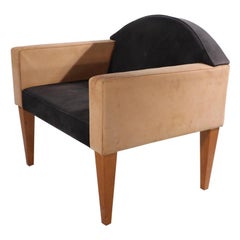
Vintage 1980s Italian Post-Modern Armchairs
Leather
Late 20th Century American Post-Modern More Dining and Entertaining
Stoneware
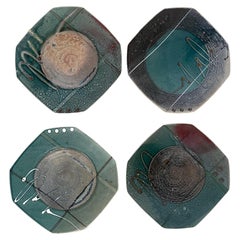
Vintage 1980s Italian Post-Modern Coffee and Cocktail Tables
Marble, Iron
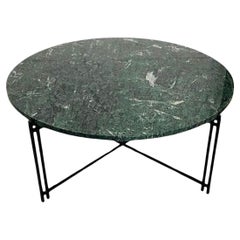
Vintage 1970s Italian Post-Modern Chairs
Chrome
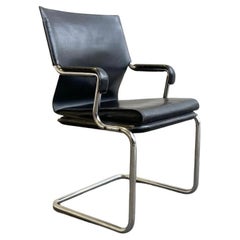
Late 20th Century Italian Post-Modern Floor Lamps
Glass
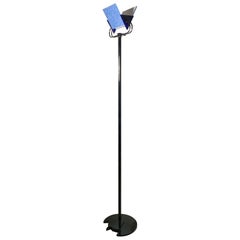
20th Century American Post-Modern Table Lamps
Marble, Quartz
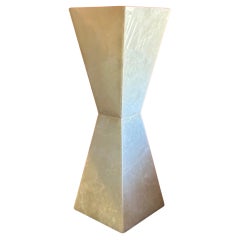
21st Century and Contemporary Dutch Post-Modern Wallpaper
Paper
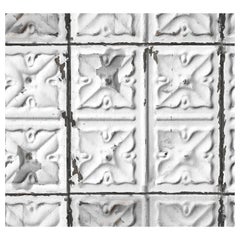
Late 20th Century Post-Modern Coffee and Cocktail Tables
Wood, Burl, Lacquer
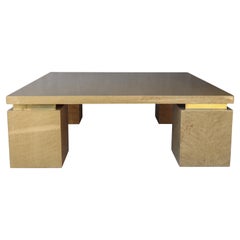
21st Century and Contemporary Italian Post-Modern Office Chairs and Desk...
Metal
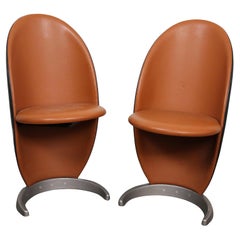
1990s American Post-Modern Architectural Elements
Glass
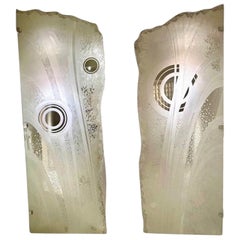
20th Century American Post-Modern Tables
Hardwood, Ebony
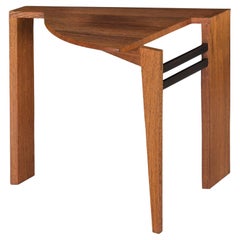
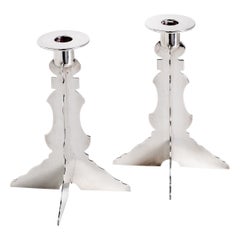
Vintage 1980s Italian Post-Modern Candelabras
Silver Plate
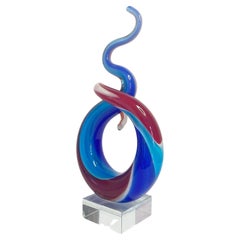
Vintage 1980s Post-Modern Abstract Sculptures
Glass
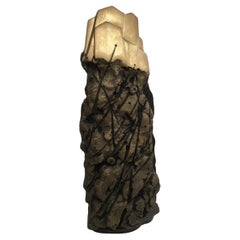
Late 20th Century Post-Modern Abstract Sculptures
Bronze
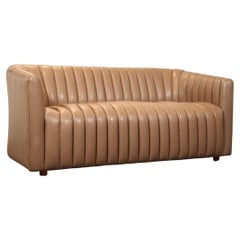
Vintage 1980s Italian Modern Settees
Leather, Wood
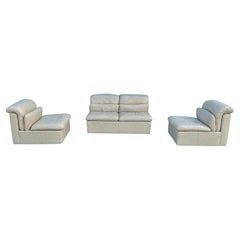
Vintage 1980s Italian Post-Modern Sectional Sofas
Leather, Wood
- 1
- ...
Post Modern Furniture For Sale on 1stDibs
How Much is a Post Modern Furniture?
A Close Look at Post-modern Furniture
Postmodern design was a short-lived movement that manifested itself chiefly in Italy and the United States in the early 1980s. The characteristics of vintage postmodern furniture and other postmodern objects and decor for the home included loud-patterned, usually plastic surfaces; strange proportions, vibrant colors and weird angles; and a vague-at-best relationship between form and function.
ORIGINS OF POSTMODERN FURNITURE DESIGN
- Emerges during the 1960s; popularity explodes during the ’80s
- A reaction to prevailing conventions of modernism by mainly American architects
- Architect Robert Venturi critiques modern architecture in his Complexity and Contradiction in Architecture (1966)
- Theorist Charles Jencks, who championed architecture filled with allusions and cultural references, writes The Language of Post-Modern Architecture (1977)
- Italian design collective the Memphis Group, also known as Memphis Milano, meets for the first time (1980)
- Memphis collective debuts more than 50 objects and furnishings at Salone del Milano (1981)
- Interest in style declines, minimalism gains steam
CHARACTERISTICS OF POSTMODERN FURNITURE DESIGN
- Dizzying graphic patterns and an emphasis on loud, off-the-wall colors
- Use of plastic and laminates, glass, metal and marble; lacquered and painted wood
- Unconventional proportions and abundant ornamentation
- Playful nods to Art Deco and Pop art
POSTMODERN FURNITURE DESIGNERS TO KNOW
- Ettore Sottsass
- Robert Venturi
- Alessandro Mendini
- Michele de Lucchi
- Michael Graves
- Nathalie du Pasquier
VINTAGE POSTMODERN FURNITURE ON 1STDIBS
Critics derided postmodern design as a grandstanding bid for attention and nothing of consequence. Decades later, the fact that postmodernism still has the power to provoke thoughts, along with other reactions, proves they were not entirely correct.
Postmodern design began as an architectural critique. Starting in the 1960s, a small cadre of mainly American architects began to argue that modernism, once high-minded and even noble in its goals, had become stale, stagnant and blandly corporate. Later, in Milan, a cohort of creators led by Ettore Sottsass and Alessandro Mendini — a onetime mentor to Sottsass and a key figure in the Italian Radical movement — brought the discussion to bear on design.
Sottsass, an industrial designer, philosopher and provocateur, gathered a core group of young designers into a collective in 1980 they called Memphis. Members of the Memphis Group, which would come to include Martine Bedin, Michael Graves, Marco Zanini, Shiro Kuramata, Michele de Lucchi and Matteo Thun, saw design as a means of communication, and they wanted it to shout. That it did: The first Memphis collection appeared in 1981 in Milan and broke all the modernist taboos, embracing irony, kitsch, wild ornamentation and bad taste.
Memphis works remain icons of postmodernism: the Sottsass Casablanca bookcase, with its leopard-print plastic veneer; de Lucchi’s First chair, which has been described as having the look of an electronics component; Martine Bedin’s Super lamp: a pull-toy puppy on a power-cord leash. Even though it preceded the Memphis Group’s formal launch, Sottsass’s iconic Ultrafragola mirror — in its conspicuously curved plastic shell with radical pops of pink neon — proves striking in any space and embodies many of the collective’s postmodern ideals.
After the initial Memphis show caused an uproar, the postmodern movement within furniture and interior design quickly took off in America. (Memphis fell out of fashion when the Reagan era gave way to cool 1990’s minimalism.) The architect Robert Venturi had by then already begun a series of plywood chairs for Knoll Inc., with beefy, exaggerated silhouettes of traditional styles such as Queen Anne and Chippendale. In 1982, the new firm Swid Powell enlisted a group of top American architects, including Frank Gehry, Richard Meier, Stanley Tigerman and Venturi to create postmodern tableware in silver, ceramic and glass.
On 1stDibs, the vintage postmodern furniture collection includes chairs, coffee tables, sofas, decorative objects, table lamps and more.
- What is Danish modern furniture?1 Answer1stDibs ExpertFebruary 13, 2024Danish modern furniture is the term for a style of furniture that emerged during the 1930s through the innovation of designers from Denmark. It is a subset of Scandinavian modern furniture, the warmest and most organic iteration of modernist design. The work of the designers associated with vintage Scandinavian modern furniture was founded on centuries-old beliefs in both quality craftsmanship and the ideal that beauty should enhance even the humblest accessories of daily life. Some notable Danish modern designers include Hans J. Wegner, Kaare Klint, Arne Jacobsen, Finn Juhl, Arne Vodder and Verner Panton. Shop a range of Danish modern furniture on 1stDibs.
- 1stDibs ExpertAugust 8, 2024Modern furniture is made of many different types of materials. Some modern furniture makers used natural materials like wood for frames and leather and linen for upholstery. Metals, such as aluminum, stainless steel and nickel, were also common, as were some plastics. Explore a diverse assortment of modern furniture from some of the world’s top sellers on 1stDibs.
- What is modern furniture design?1 Answer1stDibs ExpertAugust 8, 2024Modern furniture design is an overarching term for the new approach that designers began taking in the early 20th century. Many experts cite the Bauhaus movement as the start of the modern era. Its style was defined by the instructors and students at a progressive German art and design school founded by the architect Walter Gropius that operated from 1919 to 1933. In Bauhaus-style furniture, the school’s followers married industrial and natural materials in simple, geometric forms. The goal of the Bauhaus was to erase the distinction between art and craft while embracing the use of new technologies and materials. As the Bauhaus movement was emerging, so too was Art Deco. This iconic movement made an indelible mark on all fields of design throughout the 1920s and ’30s, celebrating society’s growing industrialization with refined elegance and stunning craftsmanship. Art Deco furniture makers respected the dark woods and modern metals with which they worked; they frequently incorporated decorative embellishments such as exotic animal hides as well as veneers in their seating, case pieces, living room sets and bedroom furniture. After World War II, modern design continued with the mid-century modern movement. The style is characterized by pieces that were conceived and made in an energetic, optimistic spirit by creators who believed that good design was an essential part of good living. Historians typically say that the modern approach to furniture design ended in the mid-1960s or early 1970s. Pieces made after that time may be called postmodern or contemporary. Shop a large collection of modern furniture on 1stDibs.
- What is modern style furniture?1 Answer1stDibs ExpertFebruary 22, 2021Modern style furniture has smooth shiny surfaces, straight lines, simple shapes. The general objective is a simple uncluttered look.
- 1stDibs ExpertOctober 7, 2024The difference between modern furniture and old furniture is in the specificity of the term. Generally, pieces considered modern date from between the end of World War II in 1945 and the end of the 1970s. During this period, more furniture makers mass produced pieces, and designers increasingly used new materials, such as plywood and plastic. Old furniture is not a specific term. People frequently use the term old for anything that subjectively appears aged. Explore a large selection of modern furniture on 1stDibs.
- 1stDibs ExpertMay 22, 2019
Mid-century modernism first appeared in 1945 and merged a minimalist aesthetic with practicality. Mid-century modern furniture is distinguishable by its lack of decoration or extravagance and its use of clean lines, organic curves and variety of natural materials.
1stDibs ExpertFebruary 22, 2021Mid century modern furniture refers to pieces designed during the middle of the 20th century — specifically 1930s through the mid-1960s. This period represents a design and architecture movement characterized by simple shapes, clean lines, and organic materials. Some of the most famous mid century modern designers include Ray Eames, Charlotte Perriand, Isamu Noguchi and Eero Saarinen. - 1stDibs ExpertApril 22, 2024There is not a single year that is mid-century modern. The style emerged during the 1940s and 1950s and remained dominant through the 1960s and into the early 1970s. Some notable designers who contributed to the development of the mid-century modern style include Charles and Ray Eames, Eero Saarinen, Milo Baughman, Florence Knoll, Harry Bertoia, Isamu Noguchi and George Nelson. Shop a wide range of mid-century modern furniture on 1stDibs.
- 1stDibs ExpertFebruary 13, 2024Mid-century modern furniture is so popular largely because its characteristics align well with the trends and tastes that are dominant today. Many people love its simple look defined by clean lines, and the use of natural materials also adds to its popularity. In addition, designers created mid-century modern furniture to be as functional as it is visually appealing, making pieces executed in the style simple, convenient and comfortable to use. Find a wide range of mid-century modern furniture on 1stDibs.
- 1stDibs ExpertSeptember 25, 2019
Mid-century modern furniture combines sleek lines with organic shapes.
- 1stDibs ExpertSeptember 25, 2019
Some of the most famous mid-century modern furniture designers were Alvar Aalto, Charles and Ray Eames, Paul Evans, Poul Kjærholm, Florence Knoll, George Nakashima, Giò Ponti, Hans Wegner, Charlotte Perriand, Sergio Rodrigues and Eero Saarinen.
- 1stDibs ExpertMarch 22, 2022Marcel Breuer introduced the material of tubular steel to modern furniture design. He employed it in many of his chairs, tables and sofas, prizing the material because it minimized the weight of pieces without sacrificing their strength. Shop a range of Marcel Breuer furniture on 1stDibs.
Read More
39 Incredible Swimming Pools
It's hard to resist the allure of a beautiful pool. So, go ahead and daydream about whiling away your summer in paradise.
This Rare Set of 100 Alessi Vases Includes Designs by Scores of International Artists
Alessandro Mendini, Michael Graves, Ettore Sottsass and other design luminaries contributed to this unusual collection of porcelain wares representing a time capsule of late-20th-century decorative art.
Remembering Alessandro Mendini, a Towering Figure in Italian Design
Aided by photos taken of the maestro in his Milan studio, we honor the influential design talent who died last month at 87.
This Hotshot Duo Is the Design World’s Next Big Thing
Adam Charlap Hyman and Andre Herrero, rising young design talents, are debuting a new, eclectic line of textiles.