Post Modern Pink
Vintage 1980s American Post-Modern Lounge Chairs
Fabric
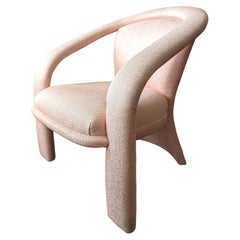
20th Century American Post-Modern Console Tables
Wood
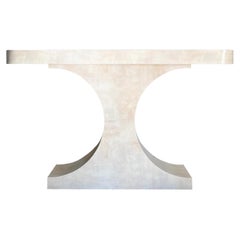
20th Century Philippine Post-Modern Side Tables
Glass
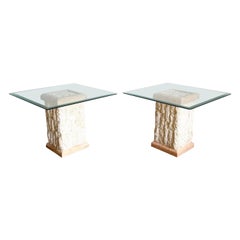
Late 20th Century Post-Modern Serving Pieces
Metal
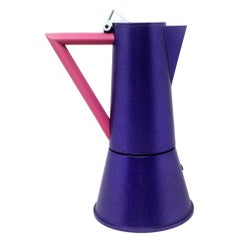
21st Century and Contemporary Italian Post-Modern Vases
Blown Glass
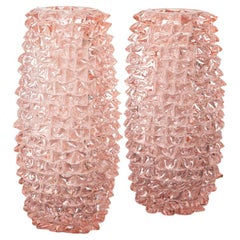
Vintage 1980s American Post-Modern Posters
Paper

Late 20th Century American Post-Modern Cabinets
Metal
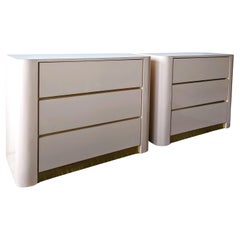
Late 20th Century American Post-Modern Coffee and Cocktail Tables
Laminate
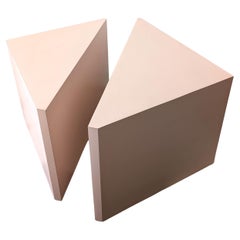
21st Century and Contemporary American Post-Modern Loveseats
Fabric, Oak
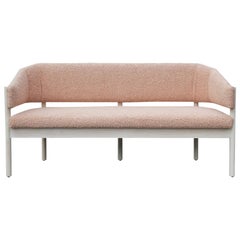
Vintage 1970s Italian Post-Modern Side Tables
Marble
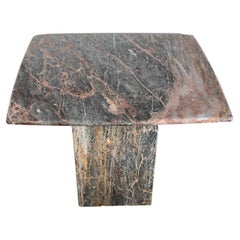
Vintage 1980s Vietnamese Post-Modern Vases
Metal
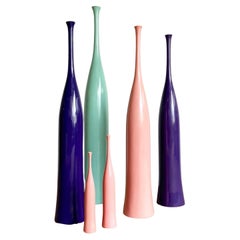
Vintage 1980s American Post-Modern Floor Lamps
Metal
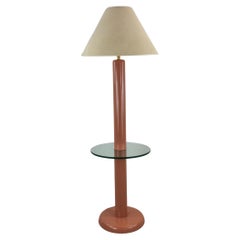
Vintage 1980s North American Post-Modern Coffee and Cocktail Tables
Travertine
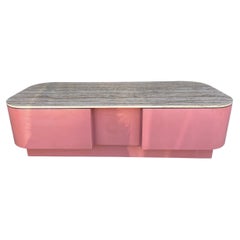
2010s Post-Modern Still-life Paintings
Oil, Canvas
20th Century American Post-Modern Paintings
Paint, Paper

1990s American Post-Modern Lounge Chairs
Suede
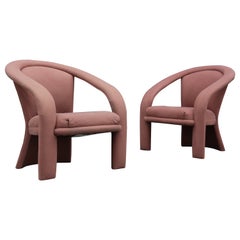
2010s Italian Post-Modern Vases
Ceramic

Late 20th Century French Post-Modern Sofas
Velvet
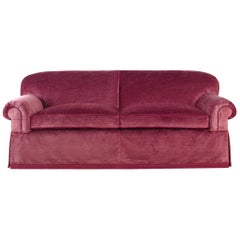
Late 20th Century Italian Post-Modern Lounge Chairs
Leather

20th Century Canadian Post-Modern Benches
Metal
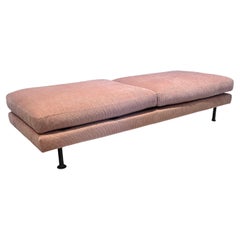
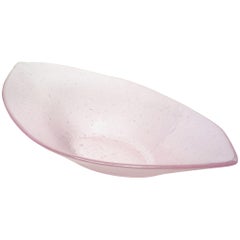
1990s American Post-Modern Decorative Bowls
Art Glass
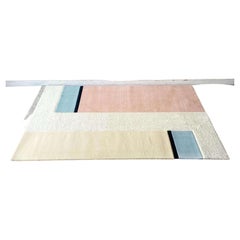
1990s American Post-Modern North and South American Rugs
Fabric
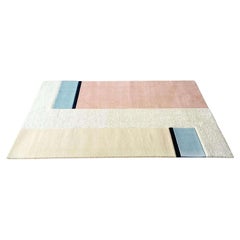
1990s American Post-Modern North and South American Rugs
Fabric
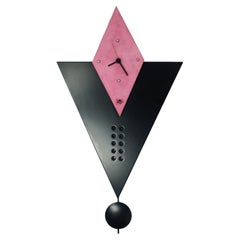
Late 20th Century Post-Modern Wall Clocks
Metal
Vintage 1980s American Post-Modern Sideboards
Laminate, Wood

2010s Spanish Post-Modern Coffee and Cocktail Tables
Steel
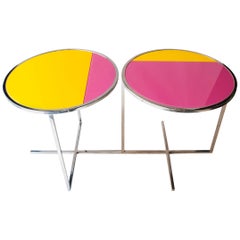
2010s Spanish Post-Modern Stools
Steel
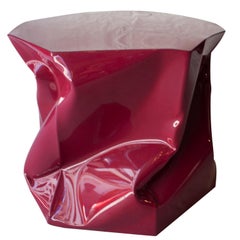
2010s Spanish Post-Modern Vases
Foam, Rubber

Vintage 1980s American Post-Modern Sofas
Upholstery, Glass
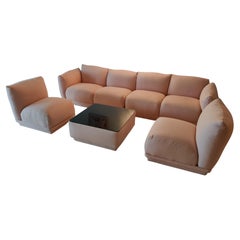
2010s Italian Post-Modern Night Stands
Leather, Wood
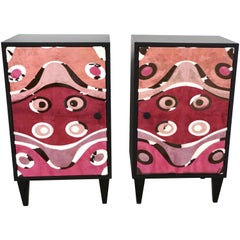
Vintage 1970s Spanish Post-Modern Vases
Ceramic
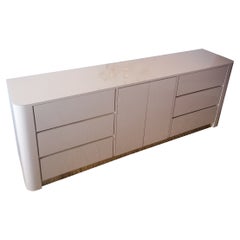
Late 20th Century American Post-Modern Sideboards
Metal
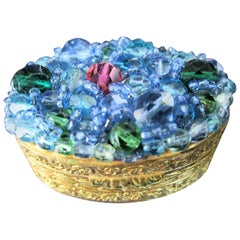
20th Century Italian Post-Modern Decorative Boxes
Crystal
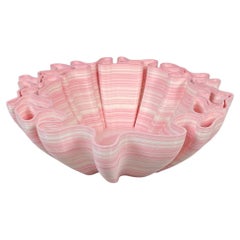
Early 2000s Italian Post-Modern Decorative Bowls
Plastic
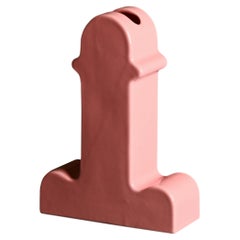
21st Century and Contemporary Italian Post-Modern Vases
Resin

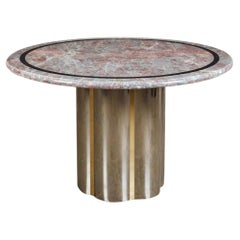
Late 20th Century Unknown Post-Modern Dining Room Tables
Marble, Brass, Steel
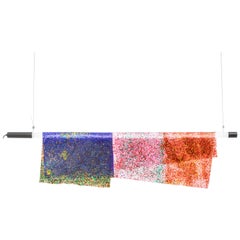
2010s Swiss Post-Modern Chandeliers and Pendants
Plastic
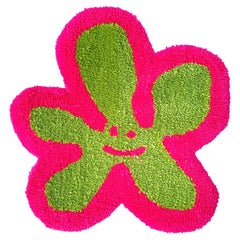
21st Century and Contemporary American Post-Modern North and South Ameri...
Wool
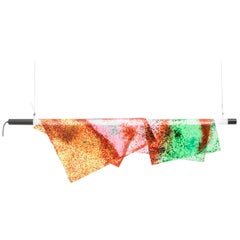
2010s Swiss Post-Modern Wall Lights and Sconces
Plastic
Late 20th Century Italian Post-Modern Abstract Sculptures
Ceramic
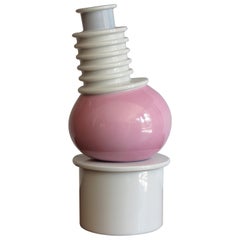
Vintage 1980s American Post-Modern Table Lamps
Ceramic
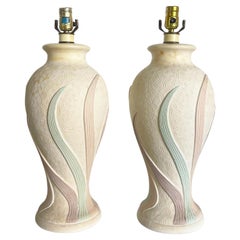
Late 20th Century Italian Post-Modern Flush Mount
Glass, Art Glass
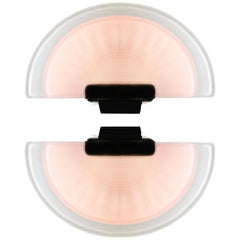
21st Century and Contemporary Post-Modern Paintings
Canvas, Resin, Oil, Acrylic
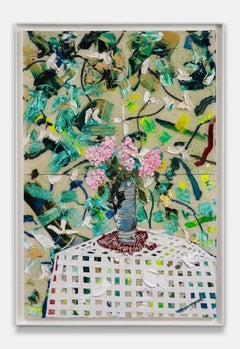
2010s Post-Modern More Prints
Screen

Vintage 1980s Dutch Post-Modern Posters
Paper

Vintage 1980s Italian Post-Modern Dining Room Chairs
Steel
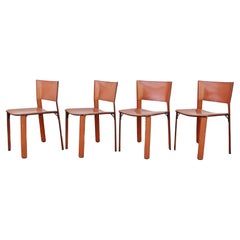
Vintage 1980s Italian Post-Modern Chairs
Metal
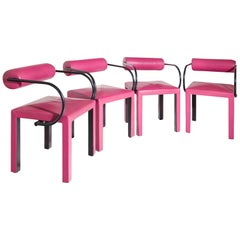

Vintage 1980s Italian Post-Modern Club Chairs
Fiberglass

Vintage 1960s British Post-Modern Posters
Paper

Vintage 1980s Italian Post-Modern Loveseats
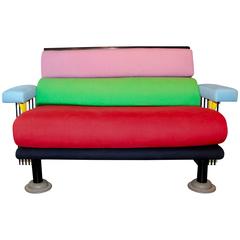
Vintage 1980s Italian Post-Modern Chairs
Steel
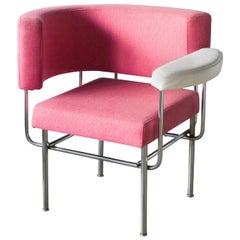
Vintage 1980s Italian Post-Modern Platters and Serveware
Metal
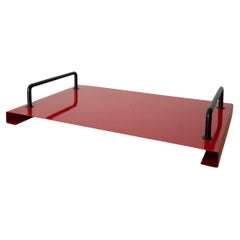
2010s Post-Modern More Prints
Screen

Early 2000s European Post-Modern Sofas
Upholstery
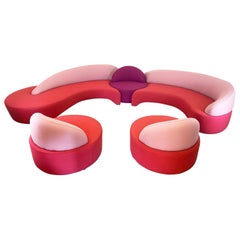
Vintage 1980s American Post-Modern Chairs
Metal
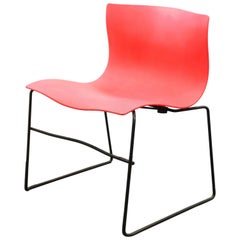
Vintage 1970s Italian Post-Modern Armchairs
Leather
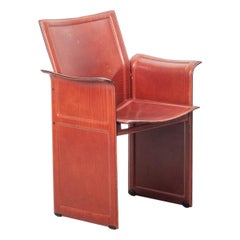
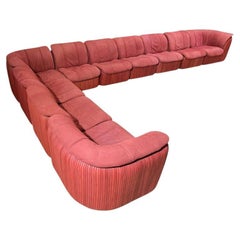
Vintage 1980s Swedish Post-Modern Sectional Sofas
Leather, Suede
- 1
- ...
Post Modern Pink For Sale on 1stDibs
How Much is a Post Modern Pink?
A Close Look at Post-modern Furniture
Postmodern design was a short-lived movement that manifested itself chiefly in Italy and the United States in the early 1980s. The characteristics of vintage postmodern furniture and other postmodern objects and decor for the home included loud-patterned, usually plastic surfaces; strange proportions, vibrant colors and weird angles; and a vague-at-best relationship between form and function.
ORIGINS OF POSTMODERN FURNITURE DESIGN
- Emerges during the 1960s; popularity explodes during the ’80s
- A reaction to prevailing conventions of modernism by mainly American architects
- Architect Robert Venturi critiques modern architecture in his Complexity and Contradiction in Architecture (1966)
- Theorist Charles Jencks, who championed architecture filled with allusions and cultural references, writes The Language of Post-Modern Architecture (1977)
- Italian design collective the Memphis Group, also known as Memphis Milano, meets for the first time (1980)
- Memphis collective debuts more than 50 objects and furnishings at Salone del Milano (1981)
- Interest in style declines, minimalism gains steam
CHARACTERISTICS OF POSTMODERN FURNITURE DESIGN
- Dizzying graphic patterns and an emphasis on loud, off-the-wall colors
- Use of plastic and laminates, glass, metal and marble; lacquered and painted wood
- Unconventional proportions and abundant ornamentation
- Playful nods to Art Deco and Pop art
POSTMODERN FURNITURE DESIGNERS TO KNOW
- Ettore Sottsass
- Robert Venturi
- Alessandro Mendini
- Michele de Lucchi
- Michael Graves
- Nathalie du Pasquier
VINTAGE POSTMODERN FURNITURE ON 1STDIBS
Critics derided postmodern design as a grandstanding bid for attention and nothing of consequence. Decades later, the fact that postmodernism still has the power to provoke thoughts, along with other reactions, proves they were not entirely correct.
Postmodern design began as an architectural critique. Starting in the 1960s, a small cadre of mainly American architects began to argue that modernism, once high-minded and even noble in its goals, had become stale, stagnant and blandly corporate. Later, in Milan, a cohort of creators led by Ettore Sottsass and Alessandro Mendini — a onetime mentor to Sottsass and a key figure in the Italian Radical movement — brought the discussion to bear on design.
Sottsass, an industrial designer, philosopher and provocateur, gathered a core group of young designers into a collective in 1980 they called Memphis. Members of the Memphis Group, which would come to include Martine Bedin, Michael Graves, Marco Zanini, Shiro Kuramata, Michele de Lucchi and Matteo Thun, saw design as a means of communication, and they wanted it to shout. That it did: The first Memphis collection appeared in 1981 in Milan and broke all the modernist taboos, embracing irony, kitsch, wild ornamentation and bad taste.
Memphis works remain icons of postmodernism: the Sottsass Casablanca bookcase, with its leopard-print plastic veneer; de Lucchi’s First chair, which has been described as having the look of an electronics component; Martine Bedin’s Super lamp: a pull-toy puppy on a power-cord leash. Even though it preceded the Memphis Group’s formal launch, Sottsass’s iconic Ultrafragola mirror — in its conspicuously curved plastic shell with radical pops of pink neon — proves striking in any space and embodies many of the collective’s postmodern ideals.
After the initial Memphis show caused an uproar, the postmodern movement within furniture and interior design quickly took off in America. (Memphis fell out of fashion when the Reagan era gave way to cool 1990’s minimalism.) The architect Robert Venturi had by then already begun a series of plywood chairs for Knoll Inc., with beefy, exaggerated silhouettes of traditional styles such as Queen Anne and Chippendale. In 1982, the new firm Swid Powell enlisted a group of top American architects, including Frank Gehry, Richard Meier, Stanley Tigerman and Venturi to create postmodern tableware in silver, ceramic and glass.
On 1stDibs, the vintage postmodern furniture collection includes chairs, coffee tables, sofas, decorative objects, table lamps and more.
Read More
39 Incredible Swimming Pools
It's hard to resist the allure of a beautiful pool. So, go ahead and daydream about whiling away your summer in paradise.
This Rare Set of 100 Alessi Vases Includes Designs by Scores of International Artists
Alessandro Mendini, Michael Graves, Ettore Sottsass and other design luminaries contributed to this unusual collection of porcelain wares representing a time capsule of late-20th-century decorative art.
Remembering Alessandro Mendini, a Towering Figure in Italian Design
Aided by photos taken of the maestro in his Milan studio, we honor the influential design talent who died last month at 87.
This Hotshot Duo Is the Design World’s Next Big Thing
Adam Charlap Hyman and Andre Herrero, rising young design talents, are debuting a new, eclectic line of textiles.