Primitive Wabi Sabi
Early 20th Century Japanese Meiji Tables
Wood
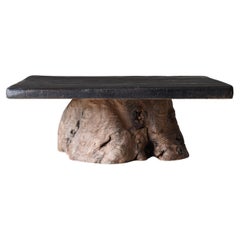

Early 20th Century Japanese Meiji Antiquities
Cedar
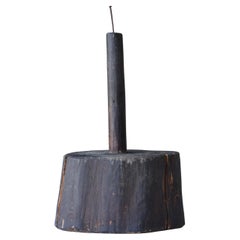
Early 20th Century Japanese Meiji Tables
Wood
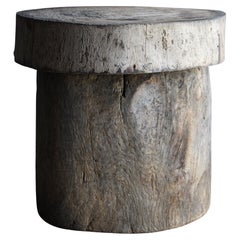
Early 20th Century Taisho Rocking Chairs
Wood, Oak
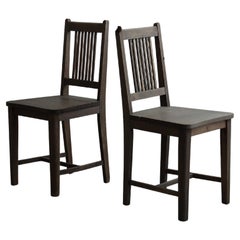
Early 20th Century Taisho Carts and Bar Carts
Iron
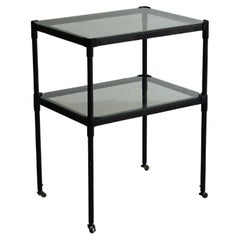
Early 20th Century Japanese Meiji Tables
Wood
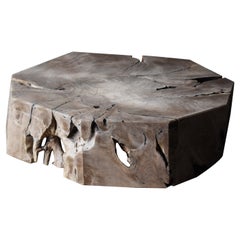
Late 20th Century Asian Organic Modern Chaise Longues
Palmwood
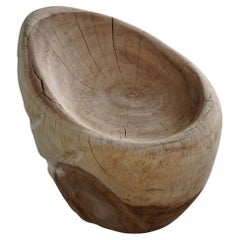
Vintage 1950s Primitive Decorative Bowls
Wood, Reclaimed Wood
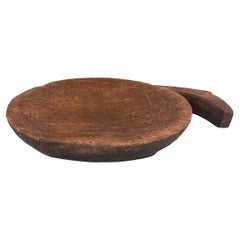
Vintage 1930s Primitive Benches
Wood, Teak, Reclaimed Wood
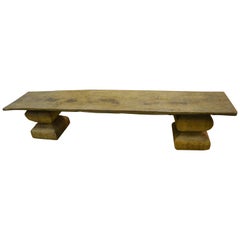
Vintage 1950s Primitive Benches
Wood, Teak, Reclaimed Wood
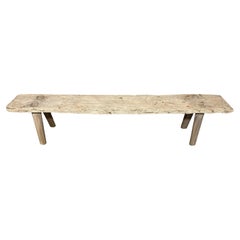
Vintage 1930s Primitive Benches
Wood, Teak, Reclaimed Wood
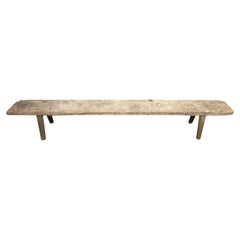
Vintage 1930s Primitive Benches
Wood, Teak, Reclaimed Wood
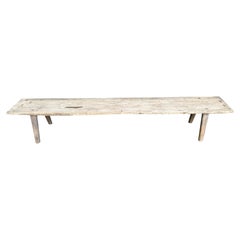
Vintage 1950s Primitive Benches
Wood, Teak, Reclaimed Wood
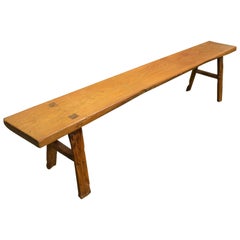
Vintage 1950s Primitive Benches
Wood, Teak, Reclaimed Wood
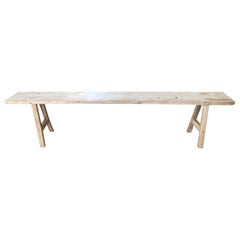
Early 20th Century Primitive Benches
Wood, Reclaimed Wood
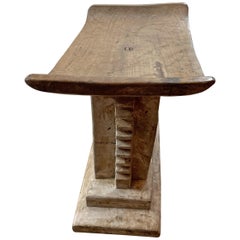
Vintage 1950s Primitive Benches
Wood, Teak, Reclaimed Wood
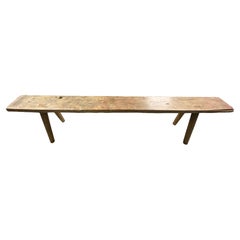
Vintage 1950s Primitive Benches
Wood, Teak, Reclaimed Wood
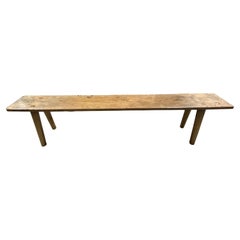
Vintage 1950s Primitive Benches
Wood, Teak, Reclaimed Wood
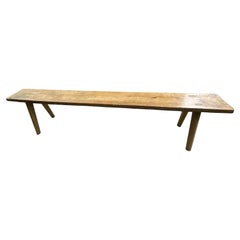
Antique Early 1900s Indonesian Primitive Benches
Reclaimed Wood, Teak, Wood
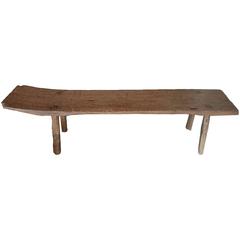
Antique Early 1900s Indonesian Primitive Dining Room Tables
Wood, Teak, Reclaimed Wood
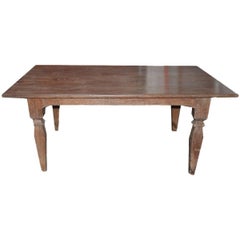
Antique Early 1900s Indonesian Primitive Dining Room Tables
Wood, Teak, Reclaimed Wood
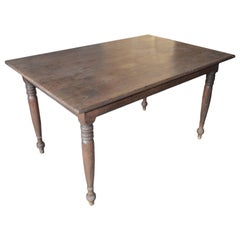
Antique 1890s Indian Primitive Antiquities
Wood

Antique 17th Century French Primitive Buffets
Oak
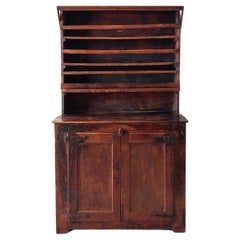
Vintage 1950s Primitive Benches
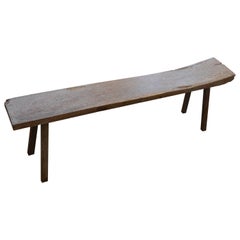
Antique Early 1900s Indonesian Primitive Benches
Reclaimed Wood, Teak, Wood
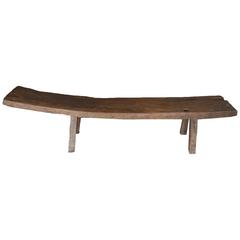
Vintage 1950s Primitive Decorative Bowls
Wood, Teak, Reclaimed Wood
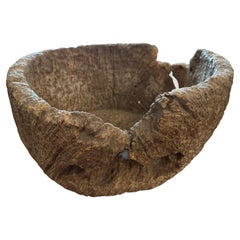
Vintage 1940s Primitive Console Tables
Wood, Teak, Reclaimed Wood
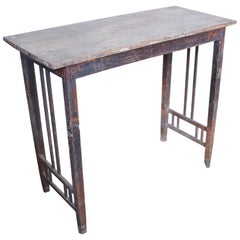
Antique 19th Century European Primitive Console Tables
Wood
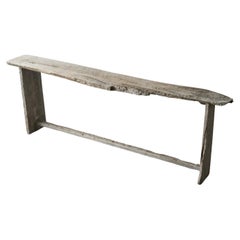
Early 20th Century European Primitive Vases
Wood
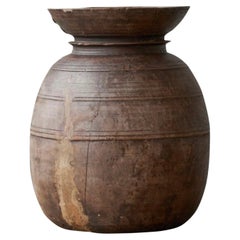
Vintage 1950s Primitive Benches
Wood, Teak, Reclaimed Wood
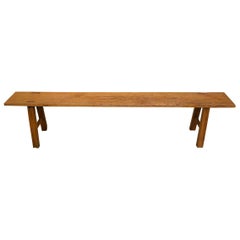
Early 20th Century Japanese Primitive Shelves
Cedar
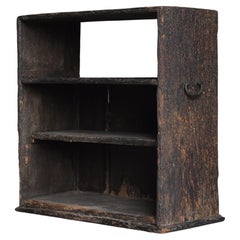
Antique Early 1900s Primitive Side Tables
Wood, Teak, Reclaimed Wood
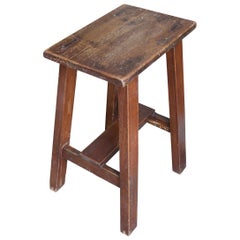
Vintage 1950s Primitive Coffee and Cocktail Tables
Wood, Teak, Reclaimed Wood
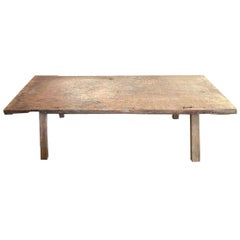
Early 20th Century Japanese Primitive Sofa Tables
Chestnut
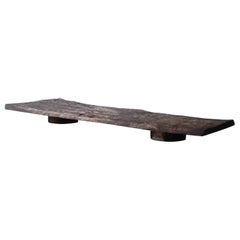
Antique Early 1900s Asian Primitive Coffee and Cocktail Tables
Wood, Teak, Reclaimed Wood
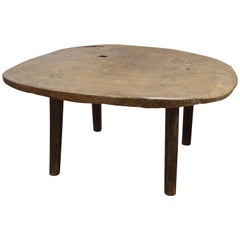
Early 20th Century Japanese Primitive Side Tables
Wood
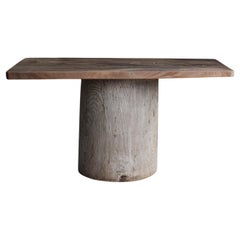
Vintage 1930s Primitive Chairs
Wood, Teak, Reclaimed Wood
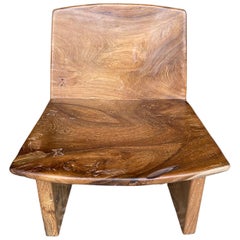
Late 20th Century Philippine Primitive Centerpieces
Wood
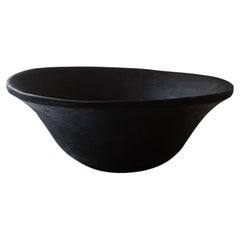
Antique Late 19th Century Japanese Primitive Antiquities
Pine
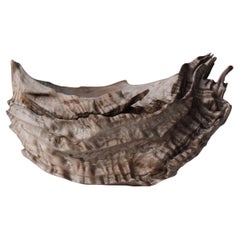
Antique Late 19th Century Japanese Primitive Decorative Art
Cedar
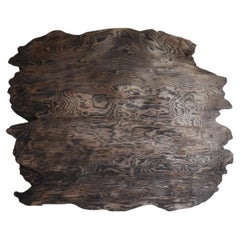
Early 20th Century Japanese Primitive Antiquities
Iron
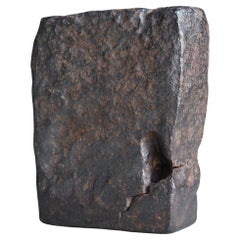
Early 20th Century Swedish Primitive Armchairs
Wood, Oak, Seagrass

Early 20th Century Japanese Primitive Tables
Wood
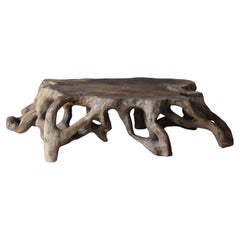
Antique Early 19th Century English Primitive Planters and Jardinieres
Stone, Sandstone

Antique Late 19th Century Swedish Primitive Wardrobes and Armoires
Pine
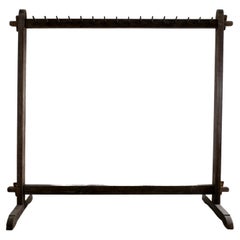
Antique Late 19th Century Japanese Primitive Sofa Tables
Hardwood, Cherry

Antique Mid-18th Century Japanese Primitive Vases
Pottery
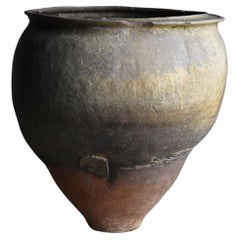
Early 20th Century Japanese Primitive Sofa Tables
Wood, Cedar
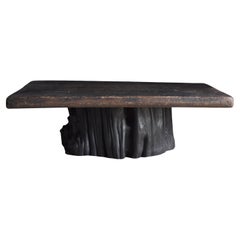
Antique Early 19th Century English Primitive Planters and Jardinieres
Stone, Sandstone
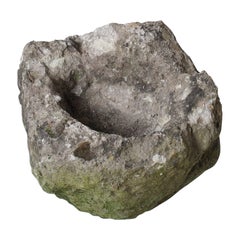
Antique Late 19th Century Japanese Primitive Sofa Tables
Paper, Hardwood
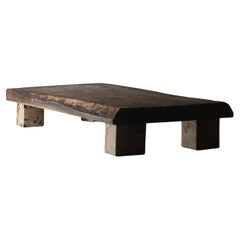
Antique Early 1900s French Primitive Jars
Iron
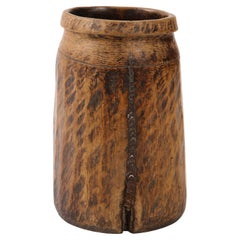
Antique Early 19th Century Spanish Primitive Vases
Terracotta
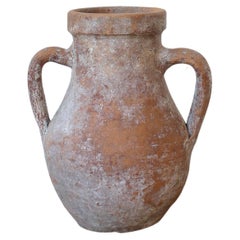
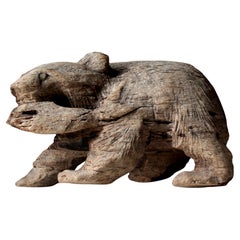
Mid-20th Century Japanese Primitive Sculptures and Carvings
Wood
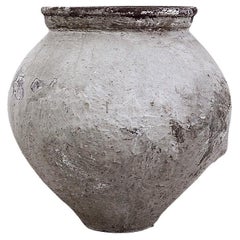
20th Century Italian Brutalist Planters and Jardinieres
Terracotta
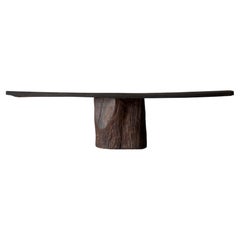
Antique Late 19th Century Japanese Primitive Sofa Tables
Wood, Chestnut
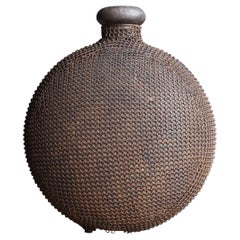
Early 20th Century East Asian Primitive Vases
Iron
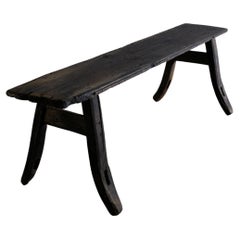
Antique Late 19th Century Swedish Folk Art Benches
Pine
- 1
- ...
Primitive Wabi Sabi For Sale on 1stDibs
How Much is a Primitive Wabi Sabi?
- 1stDibs ExpertMay 5, 2023The primary principle of Wabi-Sabi is to appreciate the imperfections found in nature. As a result, Wabi-Sabi emphasizes asymmetry, roughness, simplicity and the use of natural materials and finishes. On 1stDibs, shop a variety of pieces based on Wabi-Sabi principles.
- What is wabi-sabi pottery?1 Answer1stDibs ExpertApril 5, 2022Wabi-sabi pottery refers to earthenware vessels that embody the principles of a Japanese philosophy called wabi-sabi. Proponents of the idea believe that household objects should emphasize function over form, so that they satisfy needs but do not cause people to attach too much meaning to worldly possessions. There is also a focus on finding the beauty in imperfection and simplicity. On 1stDibs, find a collection of wabi-sabi pottery.
- What is wabi-sabi furniture?1 Answer1stDibs ExpertApril 5, 2022Wabi-sabi furniture refers to tables, seats and other furnishings that reflect a specific Japanese design philosophy. It involves creating minimalist furniture that has a focus on appreciating the imperfections found in nature. On 1stDibs, find a collection of wabi-sabi furniture.
- What is an example of wabi-sabi?2 Answers1stDibs ExpertApril 5, 2022Wabi-sabi is the practice of finding the beauty in imperfections. Examples include flowers growing through cracks in the ground, or a broken ceramic bowl made whole again with its imperfections showing through. You’ll find a variety of wabi-sabi pieces from some of the world’s top sellers on 1stDibs.1stDibs ExpertApril 5, 2022One important aspect of wabi-sabi is the beauty in imperfect things, so a good example of wabi-sabi would be asymmetrical or even crude vessels and furniture. On 1stDibs, you’ll find a collection of wabi-sabi furniture and other objects from some of the world’s top sellers.
- Is Wabi-sabi a design style?1 Answer1stDibs ExpertMay 5, 2023Wabi-sabi is technically not a design style, but it has influenced design. The term Wabi-sabi refers to a philosophy that emphasizes accepting imperfection and celebrating the impermanent beauty of nature. This concept has inspired many interior design trends, such as using organic and sustainable materials, selecting upcycled and repurposed pieces and integrating furniture and decorative objects that are unfinished, unpolished and unglazed. Shop a collection of pieces inspired by Wabi-sabi on 1stDibs.