Qing Famille Rose
Antique 18th Century Chinese Qing Ceramics
Ceramic
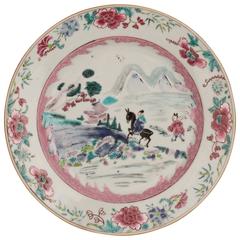
Antique 18th Century Chinese Qing Antiquities
Enamel
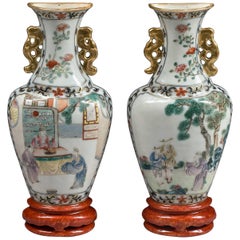
Antique 18th Century Chinese Qing Ceramics
Ceramic
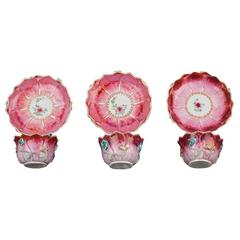
Antique 19th Century Chinese Qing Table Lamps
Ceramic
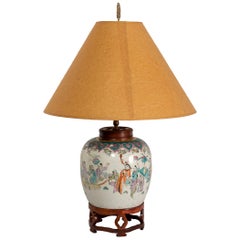
Antique Mid-18th Century English Chinoiserie Porcelain
Porcelain
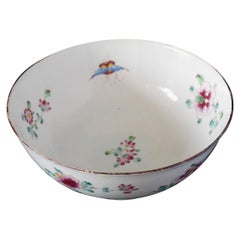
Antique 19th Century French Chinoiserie Platters and Serveware
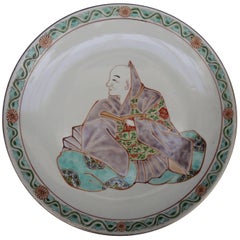
Antique Late 19th Century Chinese Qing Ceramics
Porcelain
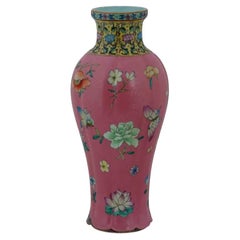
Antique Late 19th Century Chinese Vases
Porcelain
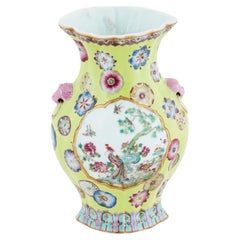
Antique 19th Century Chinese Ceramics
Porcelain
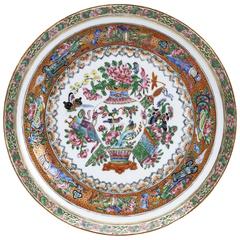
Antique Late 19th Century Chinese Qing Tableware
Porcelain
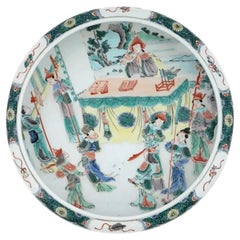
Antique 19th Century Chinese Ceramics
Pottery
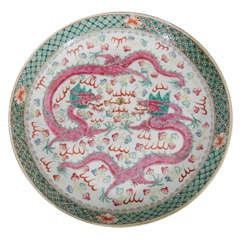
Antique Early 1900s Chinese Qing Ceramics
Ceramic, Porcelain
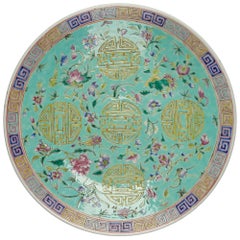
Antique 19th Century Chinese Soup Tureens
Porcelain
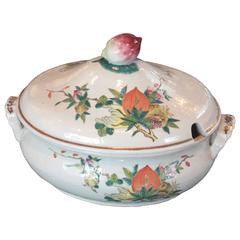
Antique 19th Century Chinese Qing Ceramics
Porcelain
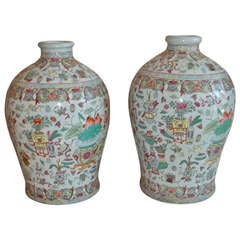
Antique 1880s Chinese Qing Ceramics
Porcelain
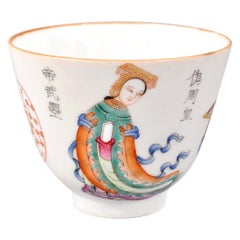
Antique 19th Century Chinese Qing Ceramics
Porcelain
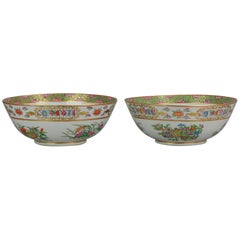
Antique Mid-18th Century Chinese Qing Ceramics
Porcelain
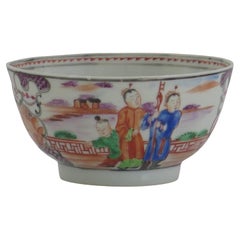
Antique 1820s Chinese Qing Dinner Plates
Porcelain
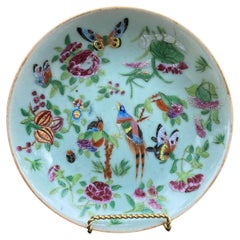
Antique 1820s Chinese Qing Dinner Plates
Porcelain
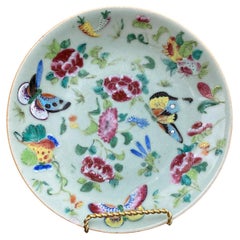
Antique 1850s Chinese Qing Ceramics
Porcelain
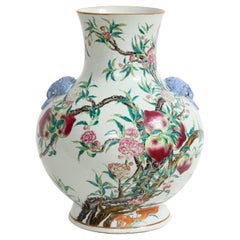
Antique Mid-19th Century Chinese Chinese Export Porcelain
Porcelain
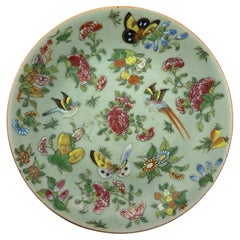
Antique 19th Century Chinese Chinoiserie Porcelain
Porcelain
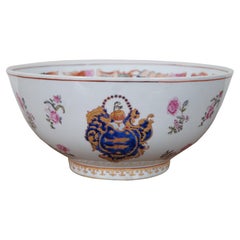
Antique 19th Century Ceramics
Porcelain
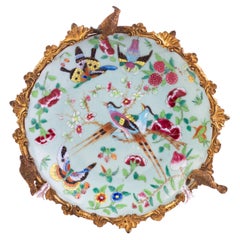
Antique Late 19th Century Chinese Qing Ceramics
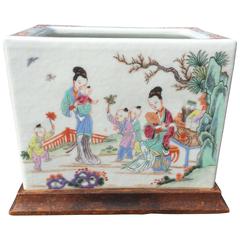
Antique Early 19th Century Chinese Chinese Export Ceramics
Porcelain
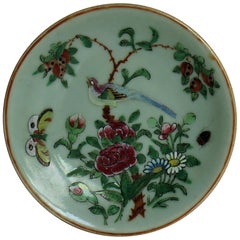
Early 20th Century Chinese Chinese Export Ceramics
Porcelain
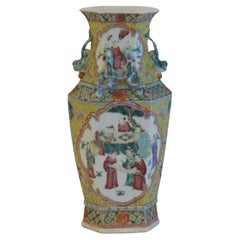
Antique Late 19th Century Chinese Qing Ceramics
Ceramic, Porcelain
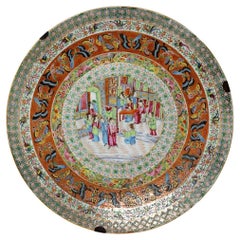
Antique Late 18th Century Chinese Qing Ceramics
Porcelain
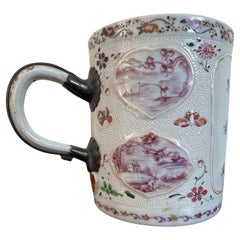
Antique Mid-18th Century Chinese Chinoiserie Ceramics
Porcelain
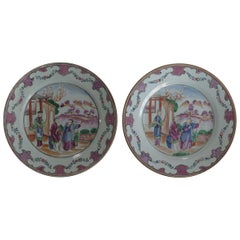
Antique 19th Century Chinese Ceramics
Porcelain
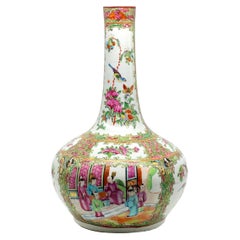
Early 20th Century Chinese Qing Stools
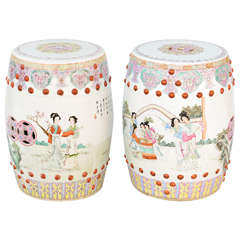
Antique 1760s Chinese Qing Ceramics
Porcelain
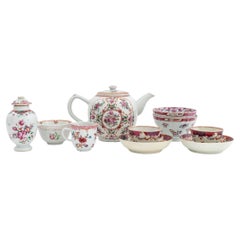
Antique Late 19th Century Chinese Qing Ceramics
Porcelain
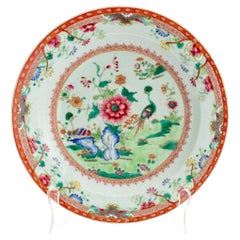
Antique 1770s Chinese Qing Ceramics
Porcelain
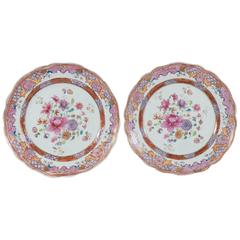
Early 20th Century Chinese Qing Ceramics
Porcelain
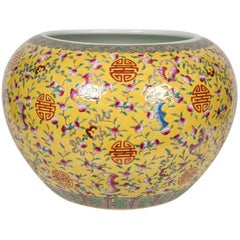
20th Century Chinese Qing Ceramics
Porcelain
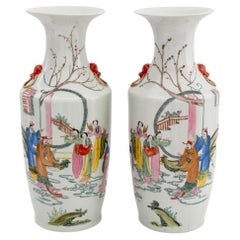
Early 20th Century Chinese Qing Ceramics
Porcelain
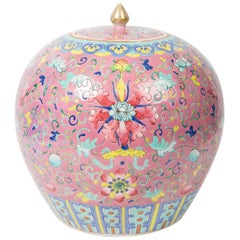
Early 20th Century Chinese Qing Side Tables
Porcelain
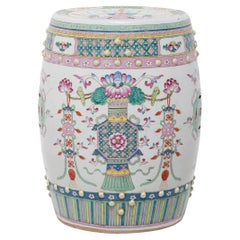
20th Century Chinese Qing Vases
Porcelain
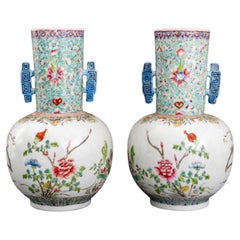
Antique 18th Century Chinese Qing Ceramics
Porcelain
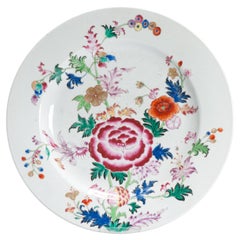
20th Century Chinese Qing Table Lamps
Porcelain, Hardwood
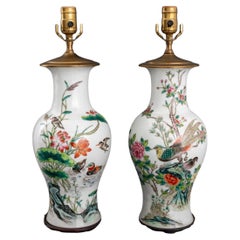

Antique Late 18th Century Chinese Qing Ceramics
Porcelain
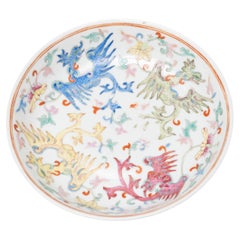
Early 20th Century Chinese Qing Jars
Porcelain
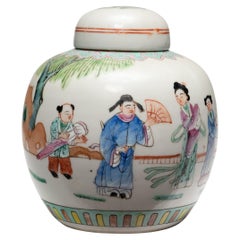
Early 20th Century Chinese Qing Table Lamps
Stone
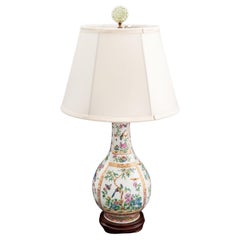
Antique 18th Century Chinese Qing Ceramics
Porcelain
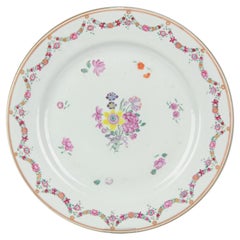
Antique 18th Century Chinese Qing Ceramics
Porcelain
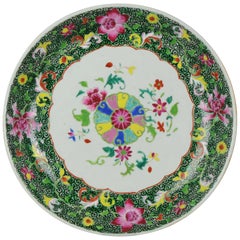
Antique 18th Century Chinese Qing Ceramics
Porcelain
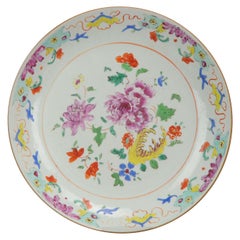
Early 20th Century Chinese Qing Pitchers
Enamel
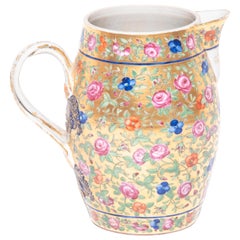
Vintage 1920s Chinese Qing Ceramics
Porcelain
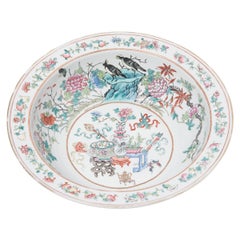
Antique 18th Century Chinese Qing Ceramics
Porcelain
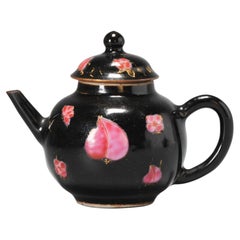
Antique Early 1900s French Qing Vases
Porcelain
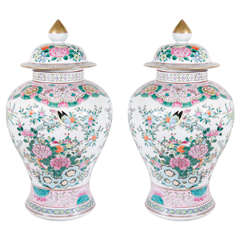
Antique 18th Century Chinese Qing Ceramics
Porcelain
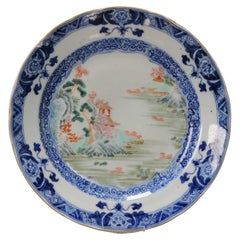
Antique 18th Century Chinese Qing Ceramics
Porcelain
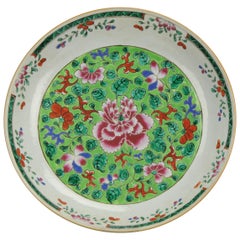
Early 20th Century Chinese Qing Decorative Bowls
Porcelain
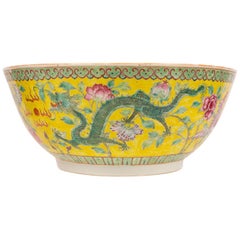
Antique Mid-19th Century Chinese Qing Serving Bowls
Porcelain
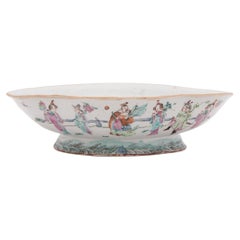
Antique Mid-19th Century Chinese Qing Decorative Bowls
Porcelain
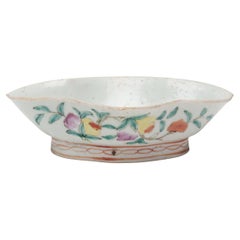
Antique 18th Century Chinese Qing Ceramics
Porcelain
- 1
Qing Famille Rose For Sale on 1stDibs
How Much is a Qing Famille Rose?
A Close Look at Qing Furniture
The last imperial dynasty from 1644 to 1912 was a time of change in China, beginning with the invasion by Manchurian forces that ended the Ming dynasty and established the Shunzhi Emperor. The expansion of exportation and trade that had bolstered the arts during the Ming era continued, as Qing dynasty furniture involved the same attention to craftsmanship with expert construction techniques in hardwood pieces that were assembled with mortise and tenon joints rather than nails or glue. Together, these eras comprise a golden age of Chinese furniture design.
Ming-style furniture is simple and elegant with clean lines. Chairs of the period and other Ming furniture made an impression on Scandinavian modernist Hans Wegner and his streamlined seating, for example. Whereas Qing-style furniture is elaborate, with an increasing influence from the West leading to lavish carving inspired by the European Baroque and Rococo styles. And while many of the forms that define examples of the latter are common within classical Chinese furniture, such as curving and folding chairs as well as large screens, Qing designs are laden with ornamentation. Frequently, the carved motifs and inlaid designs in mother-of-pearl were auspicious, such as peonies for wealth or dragons for luck. Bats were symbols of happiness in the design of Qing furniture, with one of the characters in the word for bat, bianfu, being a homophone for fu, or “fortune.”
While several types of wood were used in the construction of Qing beds, tables, storage pieces and seating, today’s collectors know that the most prized were the rare rosewoods zitan and huanghuali. They were both sourced from Hainan, China’s largest island, and are marked by a rich luster that occurs naturally, without the application of lacquer or other decorative materials. Many of the most popular woods were imported from southeast Asia, adding to their value. Red sandalwood was also sought after for its durability and connection with Chinese medicine, with some chairs being made for health benefits.
Find a collection of antique Qing tea tables, stools, benches, decorative objects and more furniture on 1stDibs.
- What is famille rose pattern?1 Answer1stDibs ExpertApril 5, 2022The famille rose pattern is a floral motif found on some Chinese porcelain decorative objects. Although the details vary, the pattern usually comes from an opaque glaze in shades of pink and red applied over top of the base glaze. On 1stDibs, find a range of Chinese porcelain.
- 1stDibs ExpertApril 5, 2022Famille rose is an 18th century Chinese porcelain, characterized by its pink-colored enamel. Rose medallion is also Chinese porcelain, and has design patterns of people and motifs of nature. Shop a variety of Chinese porcelain items from some of the world’s top sellers on 1stDibs.