Queen Anne Writing Bureau
Antique Early 18th Century English Queen Anne Desks and Writing Tables
Walnut
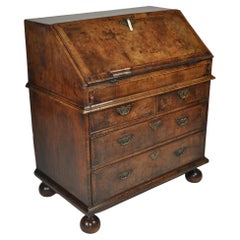

Antique Early 18th Century English Queen Anne Desks
Walnut
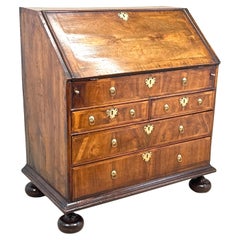
Recent Sales
Vintage 1920s English Queen Anne Desks and Writing Tables
Walnut
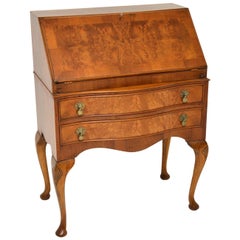
Antique Early 18th Century English Queen Anne Desks and Writing Tables
Wood
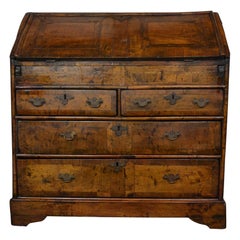
Vintage 1930s English Queen Anne Desks and Writing Tables
Walnut
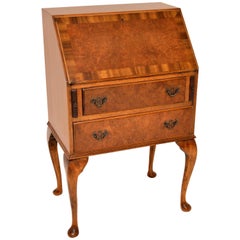
Antique Early 18th Century English Country Desks and Writing Tables
Elm
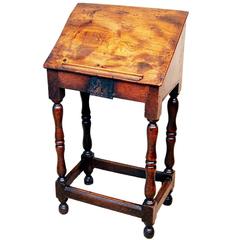
Antique Late 19th Century English Late Victorian Desks and Writing Tables
Walnut
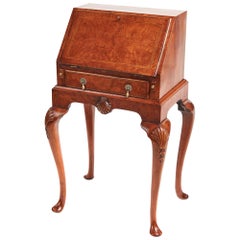
Mid-20th Century English Queen Anne Desks and Writing Tables
Walnut
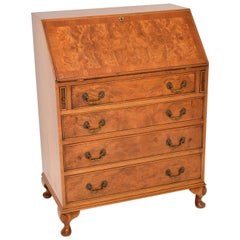
Early 20th Century English Queen Anne Desks and Writing Tables
Walnut
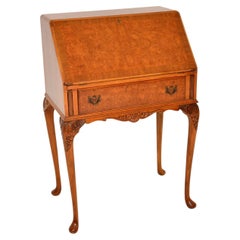
Vintage 1920s British Queen Anne Desks and Writing Tables
Leather, Walnut
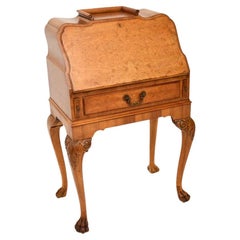
Vintage 1910s British Queen Anne Desks and Writing Tables
Walnut
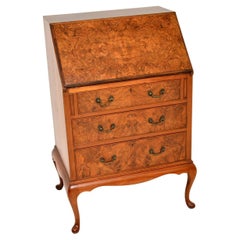
Vintage 1920s Queen Anne Desks
Walnut
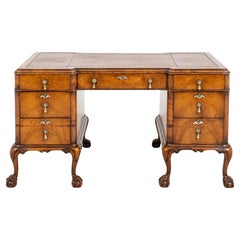
Vintage 1970s Queen Anne Secretaires
Glass, Cherry
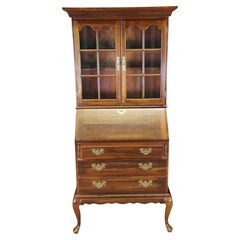
Antique Late 19th Century English Queen Anne Desks and Writing Tables
Walnut
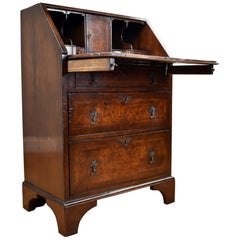
Antique Late 18th Century English Georgian Desks
Wood
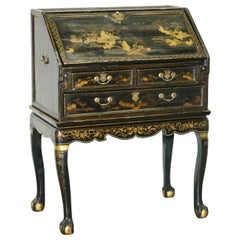
Vintage 1930s English Queen Anne Secretaires
Walnut
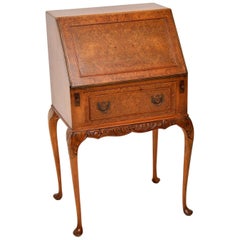
Vintage 1930s English Queen Anne Secretaires
Walnut
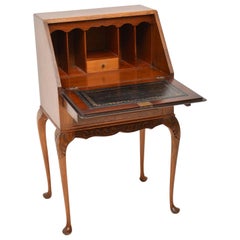
Vintage 1930s English Queen Anne Secretaires
Walnut
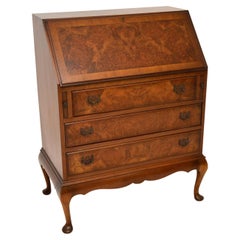
Antique Mid-18th Century Danish Queen Anne Desks
Walnut
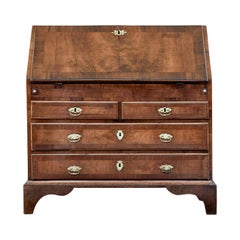
Vintage 1930s British Queen Anne Desks and Writing Tables
Walnut
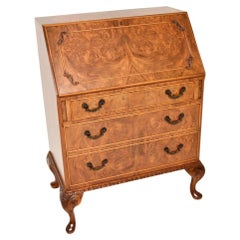
Mid-20th Century French Queen Anne Desks and Writing Tables
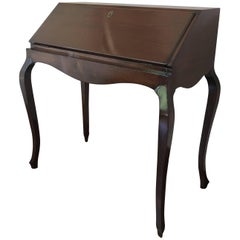
Early 20th Century British Queen Anne Secretaires
Walnut
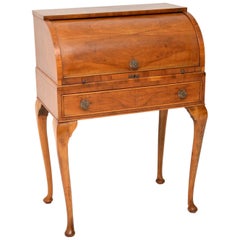
Antique Early 18th Century English Queen Anne Desks and Writing Tables
Walnut
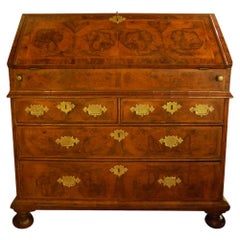
Antique 1880s English Queen Anne Desks and Writing Tables
Brass
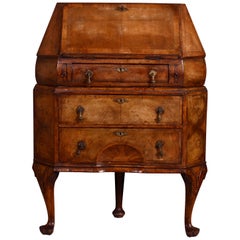
Antique Early 18th Century English Desks and Writing Tables
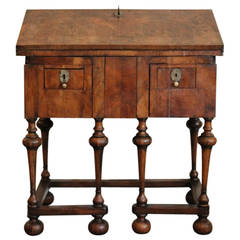
Early 20th Century European Queen Anne Desks and Writing Tables
Walnut
People Also Browsed
Early 20th Century European Neoclassical Table Lamps
Bronze
2010s Belgian Modern Club Chairs
Linen
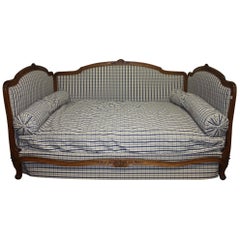
Antique Late 19th Century French Louis XV Daybeds
Fabric, Walnut
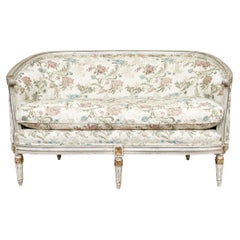
21st Century and Contemporary Louis XVI Settees
Fabric, Wood
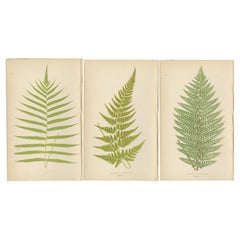
Antique 1860s Prints
Paper
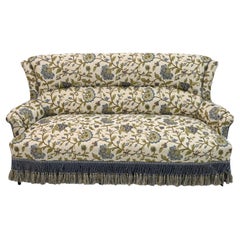
Antique 1870s French Napoleon III Sofas
Brocade, Beech
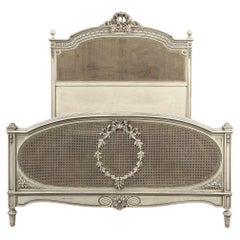
Antique Late 19th Century French Louis XVI Beds and Bed Frames
Cane, Walnut, Paint
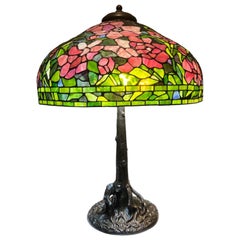
20th Century American Art Nouveau Table Lamps
Bronze
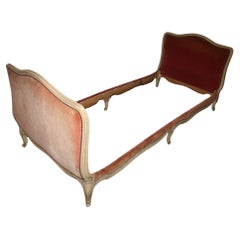
Antique Late 19th Century French Louis XV Beds and Bed Frames
Wood
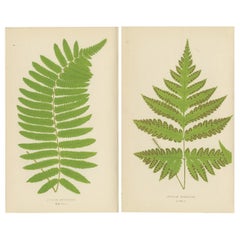
Antique 1860s Prints
Paper
1890s Impressionist Landscape Paintings
Canvas, Oil
Antique 1840s English Vases
Porcelain
Vintage 1930s Italian Art Deco Chandeliers and Pendants
Brass
Antique 1840s English Dinner Plates
Porcelain
Antique Early 18th Century Japanese Table Lamps
Ceramic
Antique 19th Century American Rococo Tableware
Sterling Silver
Queen Anne Writing Bureau For Sale on 1stDibs
How Much is a Queen Anne Writing Bureau?
A Close Look at Queen-anne Furniture
Although named for the last Stuart monarch of England, antique Queen Anne furniture, with its curvy cabriole legs and pad feet, has its origins in the earlier reign of King William III, which began in 1689 and ended with his death in 1702. Later evolving during Anne’s rule from 1702–14, the style would continue to influence design in the decades after her death.
Sometimes called late Baroque or early Georgian, Queen Anne chairs, bedroom furniture and tables are subdued yet ornate and characterized by a graceful blend of influences ranging from Asian design to classical motifs. Furnishings of this era — with their curvilinear supports and novel emphasis on comfort and versatility — are marked by a shift away from the more opulent and angular William and Mary style.
Chairs designed in the Queen Anne style are more functional and lightweight than their predecessors. They often feature a vase or fiddle-shaped splat, which refers to the central vertical back element, in order to support the spine and plush cushions. Craftsmen of the era predominantly worked in walnut, maple and pine. Any embellishments they introduced in their furnishings were frequently minimal and refined and expressed by way of modest flourishes such as shells or scrolls. Some pieces were more lavish with “japanned” finishes, or varnished interpretations of East Asian lacquer art. Almost every piece of furniture, whether a tea table or desk, included S-shaped, animalistic cabriole legs that end in a paw or claw-and-ball form.
These qualities made Queen Anne furniture popular throughout Europe and North America. Boston and Philadelphia became hubs for the production of this style of furniture, spurred by the arrival of British artisans who fostered a market for well-heeled colonists. While the showier Chippendale style later surpassed it in popularity, Queen Anne’s simple elegance still draws an enduring appreciation.
Find a collection of antique Queen Anne dining tables, seating, cabinets and other authentic period furniture on 1stDibs.
Finding the Right Desks-writing-tables for You
Choosing the perfect writing desk or writing table is a profoundly personal journey, one that people have been embarking upon for centuries.
Queen Atossa of Persia, from her writing table circa 500 B.C., is said to have been the originator of the art of handwritten letters. Hers was reportedly the first in a long and colorful history of penned correspondence that grew in popularity alongside literacy. The demand for suitable writing desks, which would serve the composer of the letters as well as ensure the comfort of the recipient naturally followed, and the design of these necessary furnishings has evolved throughout history.
Once people began to seek freedom from the outwardly ornate styles of the walnut and rosewood writing desks and drafting tables introduced in the name of Queen Victoria and King Louis XV, radical shifts occurred, such as those that materialized during the Art Nouveau period, when designers longed to produce furniture inspired by the natural world’s beauty. A prime example is the work of the famous late-19th-century Spanish architect Antoni Gaudí — his rolltop desk featured deep side drawers and was adorned with carved motifs that paid tribute to nature. Gaudí regularly combined structural precision with decorative elements, creating beautiful pieces of furniture in wood and metal.
Soon afterward, preferences for sleek, geometric, stylized forms in furniture that saw an emphasis on natural wood grains and traditional craftsmanship took hold. Today, Art Deco desks are still favored by designers who seek to infuse interiors with an air of luxury. One of the most prominent figures of the Art Deco movement was French decorator and furniture designer Émile-Jacques Ruhlmann. With his use of neoclassical motifs as well as expensive and exotic materials such as imported dark woods and inlays of precious metals for his writing desks, Ruhlmann came to symbolize good taste and modernity.
The rise in appreciation for Scandinavian modernism continues to influence the design of contemporary writing desks. It employs the “no fuss” or “less is more” approach to creating a tasteful, sophisticated space. Sweden’s master cabinetmaker Bruno Mathsson created gallery-worthy designs that are as functional as they are beautiful. Finnish architect Alvar Aalto never viewed himself as an artist, but, like Mathsson, his furniture designs reflected a fondness for organic materials and a humanistic approach. Danish designers such as Hans Wegner introduced elegant shapes and lines to mid-century desks and writing tables, often working in oak and solid teak.
From vintage desks to contemporary styles, 1stDibs offers a broad spectrum of choices for conducting all personal and business writing and reading activities.