Rare Abstract Art
20th Century Art Deco Abstract Sculptures
Brass
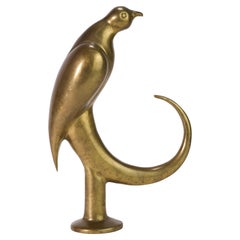

Vintage 1920s French Art Deco Abstract Sculptures
Marble, Bronze
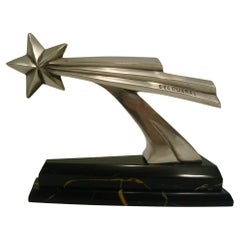
Vintage 1920s French Art Deco Abstract Sculptures
Marble, Bronze
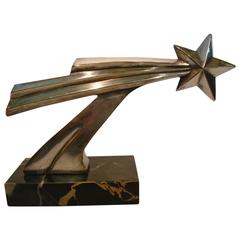
Vintage 1970s American Mid-Century Modern Abstract Sculptures
Acrylic
1940s Abstract Landscape Paintings
Canvas, Oil
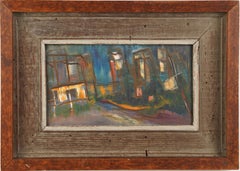
1950s Abstract Landscape Paintings
Canvas, Oil
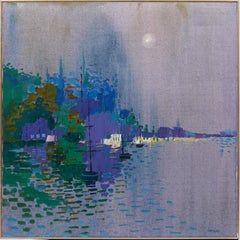
1980s Abstract Landscape Paintings
Canvas, Oil
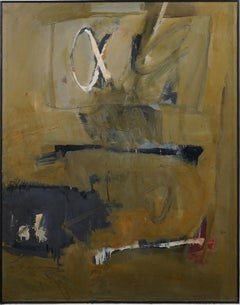
1980s Abstract Landscape Paintings
Canvas, Oil
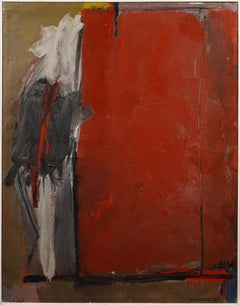
1940s Modern Landscape Paintings
Oil Pastel
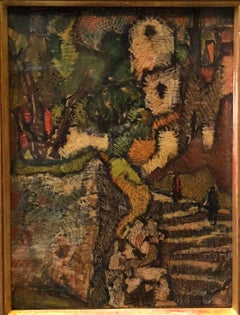
1960s Abstract Landscape Paintings
Canvas, Oil
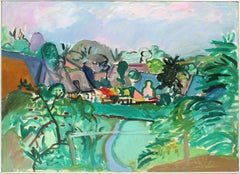
Vintage 1950s Israeli Modern Abstract Sculptures
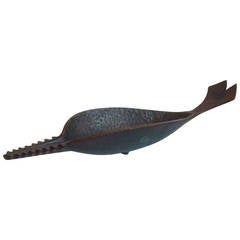
1940s Modern Landscape Paintings
Canvas, Oil
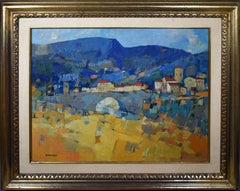
1940s Modern Landscape Paintings
Canvas, Oil
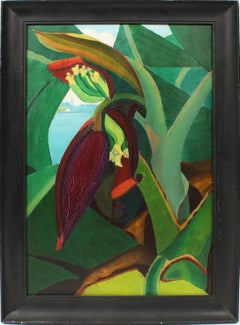
1950s Modern Landscape Paintings
Canvas, Oil
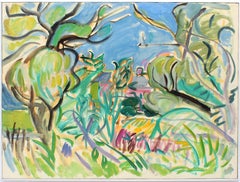
1920s Modern Nude Paintings
Canvas, Oil
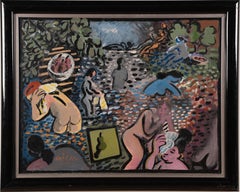
Mid-20th Century French Modernist More Objets d Art and Vertu
18k Gold, Sterling Silver, Yellow Gold
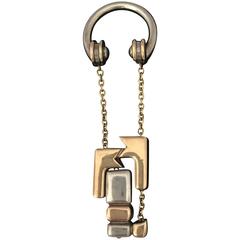
Mid-20th Century French Mid-Century Modern Rugs
Wool

1960s Abstract More Art
Wool
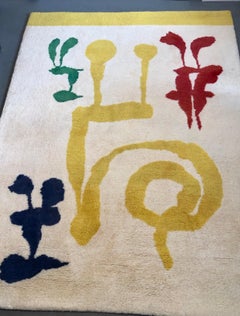
Mid-20th Century German Mid-Century Modern Decorative Art
Ceramic
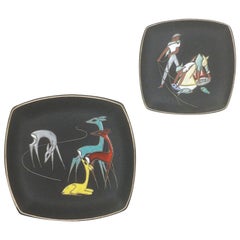
Antique Late 19th Century Japanese Meiji Decorative Art
Wood
1960s Abstract Expressionist Figurative Paintings
Gouache, Paper
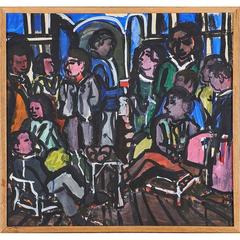
Vintage 1970s American Contemporary Art
Wood

1960s Abstract Expressionist Figurative Paintings
Oil Crayon, Oil Pastel, Paper
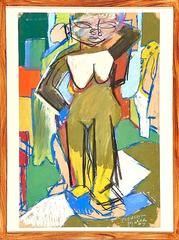
2010s Impressionist Landscape Prints
Archival Ink, Archival Paper, Photographic Paper, Archival Pigment
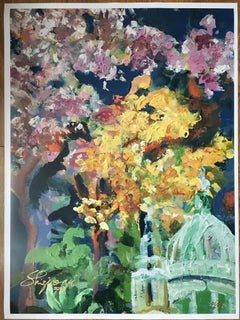
2010s Impressionist Landscape Prints
Gold
Mid-20th Century Abstract Impressionist Figurative Prints
Woodcut
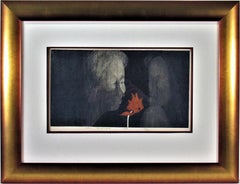
2010s Impressionist Landscape Prints
Gold
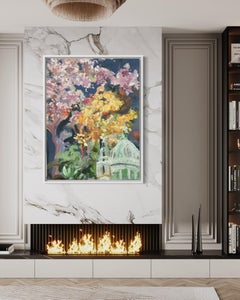
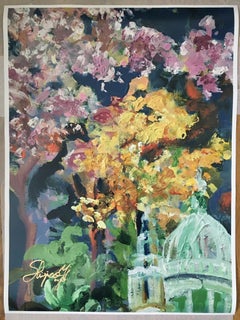
2010s Impressionist Landscape Prints
Gold
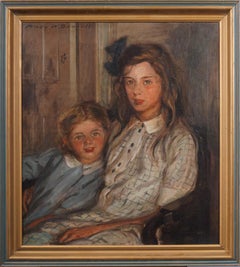
1960s Abstract Portrait Paintings
Canvas, Oil
2010s Abstract Expressionist Landscape Paintings
Archival Ink, Photographic Paper, Giclée
2010s Abstract Expressionist Landscape Paintings
Archival Ink, Photographic Paper, Giclée, Gesso, Acrylic
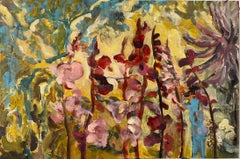
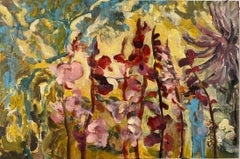
2010s Abstract Expressionist Landscape Paintings
Gold Leaf

2010s Abstract Expressionist Landscape Paintings
Gesso, Archival Ink, Acrylic, Photographic Paper, Giclée
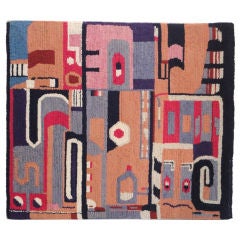
Vintage 1930s American Folk Art Rugs
Wool
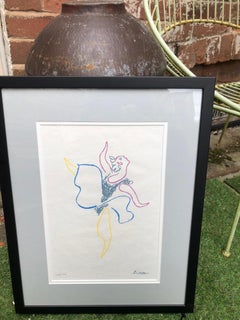
20th Century Abstract Figurative Prints
Lithograph
1980s Abstract Landscape Prints
Paper, Lithograph, Screen
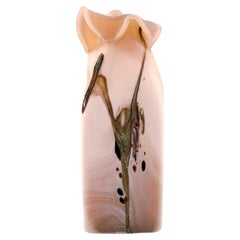
Vintage 1960s Italian Mid-Century Modern Vases
Art Glass
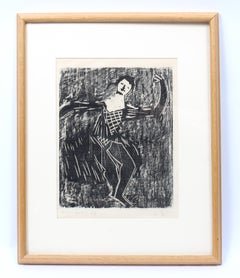
1950s Abstract Expressionist Figurative Prints
Woodcut
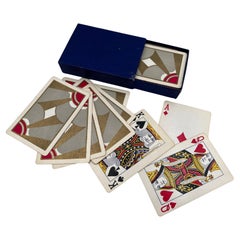
Vintage 1930s North American Art Deco Games
Paper
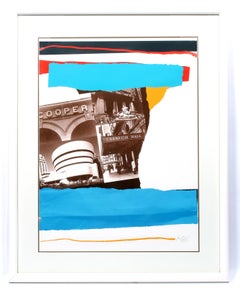
1970s Abstract Expressionist Figurative Prints
Paper, Screen
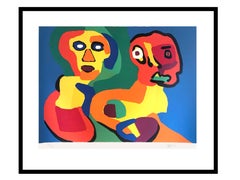
1970s American Maxi Dresses

Mid-20th Century American Mid-Century Modern Decorative Boxes
Art Glass
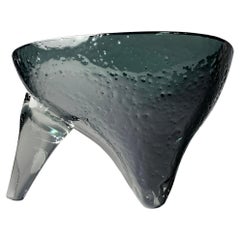
Vintage 1980s Italian Mid-Century Modern Vases
Glass
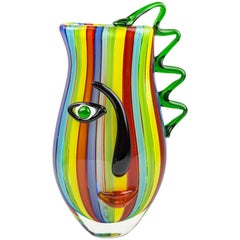
20th Century Abstract Expressionist Abstract Paintings
Mixed Media, Handmade Paper
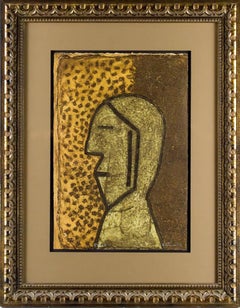
1980s Abstract Abstract Sculptures
Glass
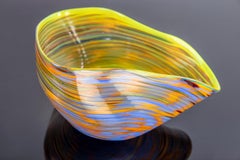
20th Century Abstract Prints
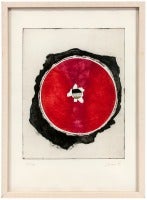
2010s Abstract Drawings and Watercolors
Paper, Ink, Color Pencil
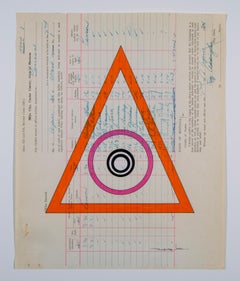
1950s Abstract Prints
Lithograph
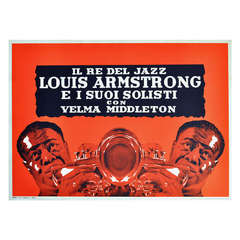
20th Century Cubist Abstract Prints
Lithograph
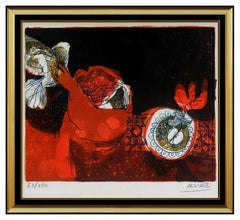
Vintage 1960s Belgian Mid-Century Modern Abstract Sculptures
Art Glass
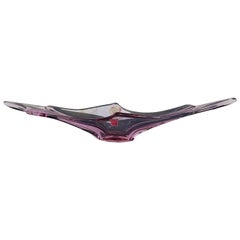
Vintage 1970s English Mid-Century Modern Contemporary Art
Paper
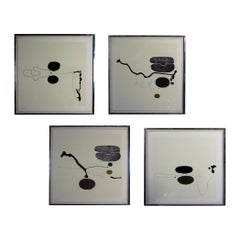
Vintage 1950s American Decorative Art
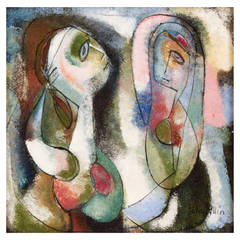
Vintage 1950s Italian Vases
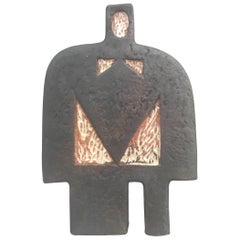
1990s Pop Art Abstract Paintings
Acrylic
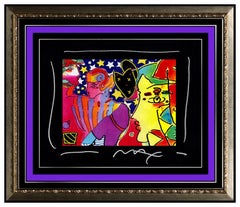
1980s Contemporary Abstract Sculptures
Blown Glass
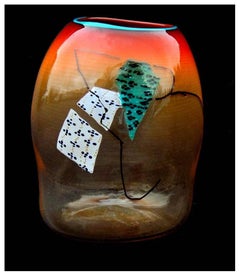
2010s Abstract Geometric Abstract Prints
Lithograph
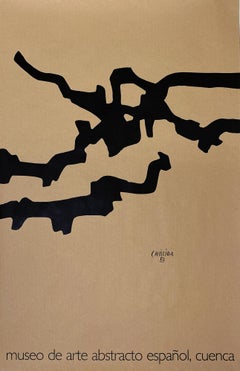
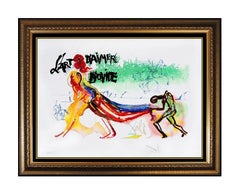
1970s Surrealist Abstract Prints
Lithograph
- 1
Rare Abstract Art For Sale on 1stDibs
How Much is a Rare Abstract Art?
- 1stDibs ExpertSeptember 25, 2019
No, abstract art, by definition, is not representational. Although the shapes in an abstract composition may be based on real world objects, these objects are not recognizable in the finished work.
- 1stDibs ExpertApril 26, 2024To describe abstract art, focus on its elements. Take notice of the types of lines and shapes the work features. Discuss its color and value, the term for the interplay between light and dark in a piece. You can also consider its texture, the materials used to produce it and how it fits into the space that surrounds it. Find a wide range of abstract art on 1stDibs.
- How did abstract art come about?1 Answer1stDibs ExpertSeptember 25, 2019
Abstract art grew out of the desire by artists in the early 20th century, like Wassily Kandinsky, to create “pure art,” grounded not in visual reality but in the artist’s imagination.
- What influenced abstract art?1 Answer1stDibs ExpertSeptember 25, 2019
Abstract art was influenced by Postimpressionism.
- La ChrysomeleFebruary 23, 2021A definition of abstract art is art through which the artist doesn't attempt a visual depiction of the world. The artist may have other intentions : conveying a pure emotion, or achieving what (s)he perceives as visual perfection, etc. There are many kinds of abstract art : lyrical abstraction, geometrical abstraction, action painting… There is also an infinite spectrum between hyperrealism and pure abstraction, since one can argue that any brush stroke is by itself an abstraction of the reality — let alone flat color patches.
- 1stDibs ExpertSeptember 25, 2019
Wassily Kandinsky is the father of abstract art.
- What does abstract mean in art?1 Answer1stDibs ExpertFebruary 22, 2021Abstract, in art, refers to art that rejects visual reality. Instead, abstract arts utilizes shapes, colors, forms and other gestural marks to convey a certain feeling and reality.
- What makes good abstract art?1 Answer1stDibs ExpertMay 30, 2024What makes good abstract art is largely subjective. People tend to think of abstract art as good when it evokes an emotional response in them. Critics may judge abstract art based on its originality and creativity, as well as on the skill and technique of the artist. Shop a diverse assortment of abstract art on 1stDibs.
- 1stDibs ExpertFebruary 1, 2024The six elements of abstract art are color, form, line, shape, texture and value. Color refers to the various hues featured in a composition, while form refers to the subjects or elements of a piece. Lines and shapes are the components that make up the artwork. Textures include both physical differences in the surface of a work and effects that create the illusion of textural variations. Value, the final element, describes how light or dark the colors are. On 1stDibs, shop a wide range of abstract art.
- 1stDibs ExpertSeptember 25, 2019
Yes, Cubism is a form of abstract art.
- 1stDibs ExpertApril 5, 2022Abstract art is meant to achieve an effect as opposed to representing an object, person, or a scene. Three characteristics of abstract art include: being non-representational art; valuation of shapes, colors, lines, and textures; and subjective art. On 1stDibs, find a variety of original abstract artwork from top artists.
- Why do people like abstract art?1 Answer1stDibs ExpertMay 30, 2024The reasons why people like abstract art vary. Some like the fact that they can interpret abstract pieces however they desire and enjoy using their imaginations to find meaning in various works. Others experience an emotional reaction when viewing abstract art and consider it to be moving as a result. In addition, people may appreciate the creativity and inventiveness that the creation of abstract art requires. On 1stDibs, shop a diverse assortment of abstract art.
- 1stDibs ExpertSeptember 23, 2024Kandinsky was called the Father of Abstract Art because he was part of a crucial moment in art history. He was influenced by styles ranging from Surrealism to Fauvism and was a leading figure in bringing together Der Blaue Reiter, a group of avant-garde artists in Munich who explored spiritual concepts through their art as a response to the materialism of the time. Wassily Kandinsky also led courses on analytical drawing and color at the Bauhaus after being appointed by founder and architect Walter Gropius to teach in Weimar in 1922. He taught at all three of the legendary school’s locations and remained with the institution until its forced closure by the Nazis in 1933. Through his work, Kandinsky pushed modern art closer to total abstraction and inspired artists like Willem de Kooning and Joan Mitchell. Explore a range of Wassily Kandinsky art on 1stDibs.
- 1stDibs ExpertFebruary 13, 2024There is no single painter who experimented with abstract art and Cubism. A number of artists worked in Cubism, a style of abstract art in which reality was fragmented into flat, geometric forms. Historians generally credit Georges Braque and Pablo Picasso as being the fathers of Cubism. Other Cubist painters include Fernand Léger, Alexander Archipenko, Marcel Duchamp, Juan Gris and Jean Metzinger. Shop a collection of Cubist art on 1stDibs.