Rare Vases Antique
19th Century Japanese Rare Vases Antique
Porcelain
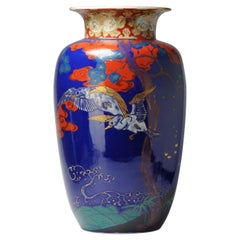

Early 20th Century Swedish Scandinavian Modern Rare Vases Antique
Bronze
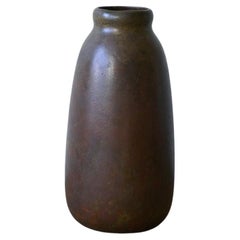
1920s Italian Rare Vases Antique
Murano Glass
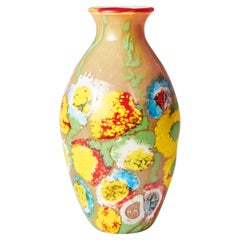
1910s Danish Rare Vases Antique
Ceramic
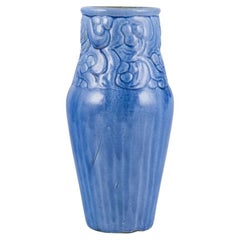
Late 19th Century Japanese Meiji Rare Vases Antique
Copper, Enamel
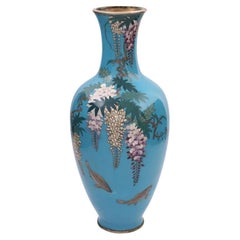
1890s French Rustic Rare Vases Antique
Ceramic
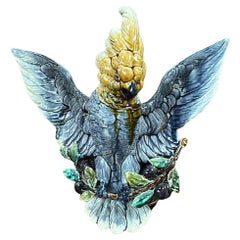
Early 20th Century Unknown Art Nouveau Rare Vases Antique
Pottery

19th Century Japanese Meiji Rare Vases Antique
Enamel
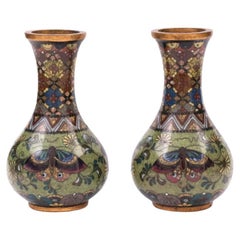
1920s Italian Rare Vases Antique
Murano Glass
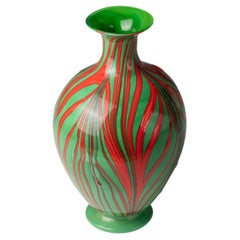
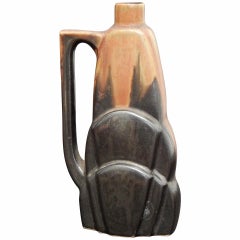
Early 20th Century French Art Deco Rare Vases Antique
Ceramic
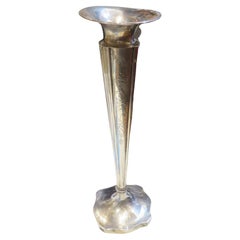
19th Century European Rare Vases Antique
Sterling Silver
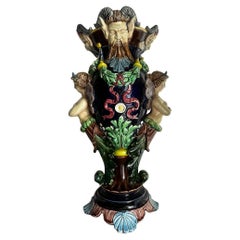
Late 19th Century Italian Classical Greek Rare Vases Antique
Porcelain
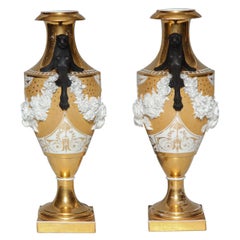
19th Century Rare Vases Antique
Porcelain
1890s French Rustic Rare Vases Antique
Ceramic
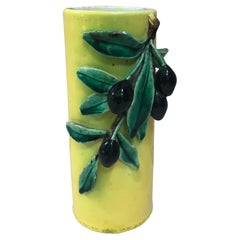
Early 20th Century Japanese Arts and Crafts Rare Vases Antique
Pottery
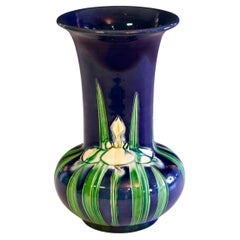
Early 1900s Belgian Rare Vases Antique
Crystal
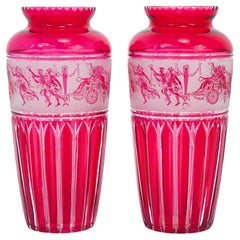
Early 1900s English Art Deco Rare Vases Antique
Pottery
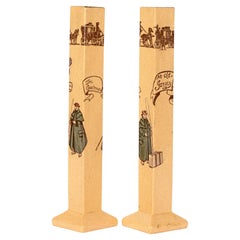
1890s Czech Art Nouveau Rare Vases Antique
Art Glass
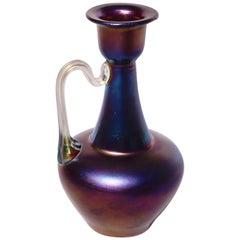
1870s English Aesthetic Movement Rare Vases Antique
Stoneware
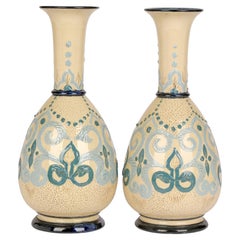
19th Century French Rare Vases Antique
Enamel
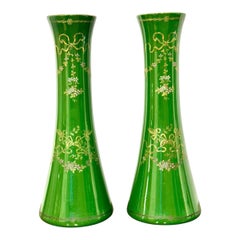
19th Century Japanese Meiji Rare Vases Antique
Copper, Enamel
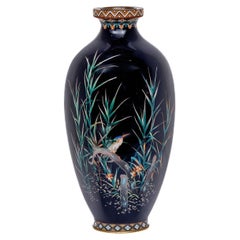
1920s Dutch Art Deco Rare Vases Antique
Ceramic
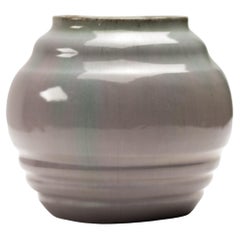
Early 20th Century French Art Nouveau Rare Vases Antique
Ceramic
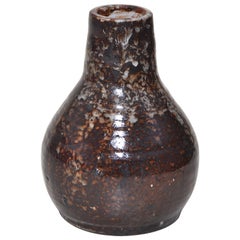
Early 1900s Czech Art Nouveau Rare Vases Antique
Glass
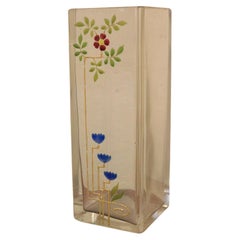
Late 18th Century French Rustic Rare Vases Antique
Wood
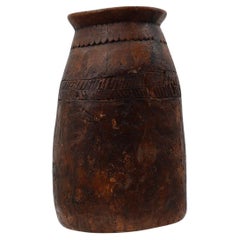
19th Century Chinese Rare Vases Antique
Bronze
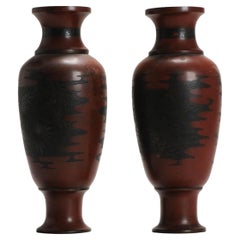
16th Century Italian Rare Vases Antique
Ceramic
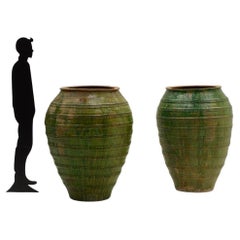
Late 19th Century Austrian Rare Vases Antique
Porcelain, Paint
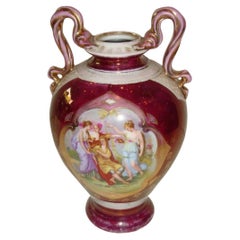
19th Century French Napoleon III Rare Vases Antique
Enamel, Ormolu
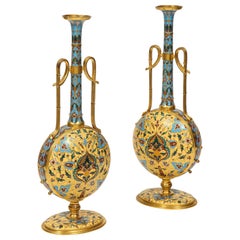
1910s Czech Jugendstil Rare Vases Antique
Majolica
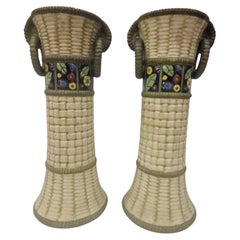
19th Century European Rare Vases Antique
Sterling Silver
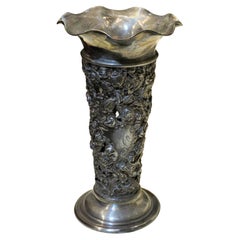
Early 20th Century Rare Vases Antique
Crystal
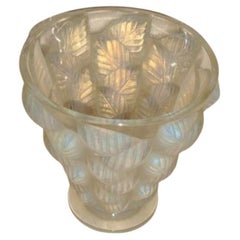
19th Century Japanese Meiji Rare Vases Antique
Porcelain
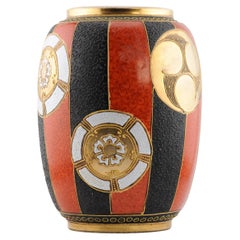
Early 20th Century French Art Nouveau Rare Vases Antique
Art Glass
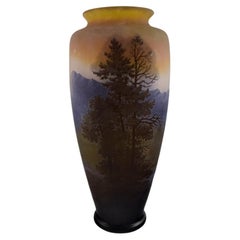
Early 20th Century Rare Vases Antique
Crystal, Amber, Gold, Bronze
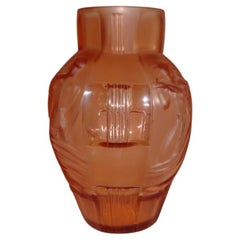
1910s American Rare Vases Antique
Art Glass
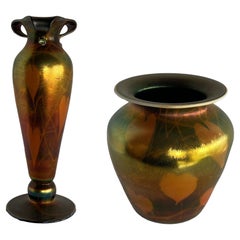
1890s Victorian Rare Vases Antique
Pottery
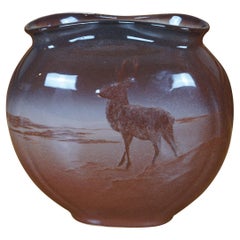
Late 19th Century Japanese Meiji Rare Vases Antique
Enamel
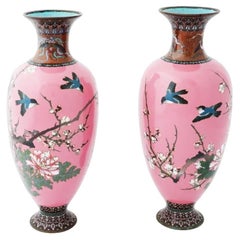
Late 19th Century Japanese Meiji Rare Vases Antique
Enamel
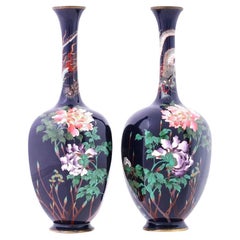
15th Century and Earlier South Korean Other Rare Vases Antique
Pottery
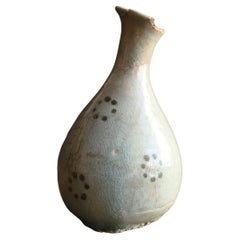
18th Century French Rare Vases Antique
Porcelain, Paint
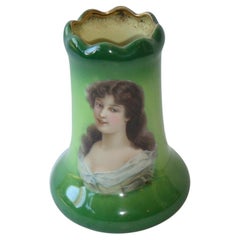
19th Century Japanese Rare Vases Antique
Porcelain
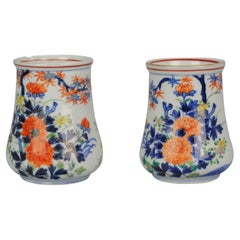
1890s French Art Nouveau Rare Vases Antique
Enamel
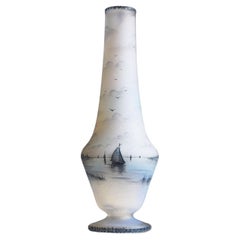
Early 20th Century American Art Deco Rare Vases Antique
Ceramic, Pottery
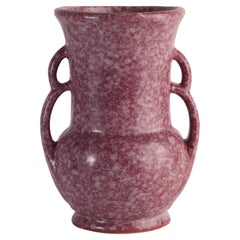
19th Century Austrian Neoclassical Rare Vases Antique
Porcelain
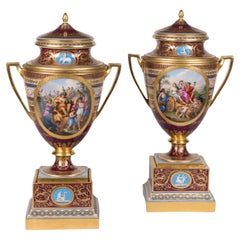
17th Century Japanese Rare Vases Antique
Porcelain
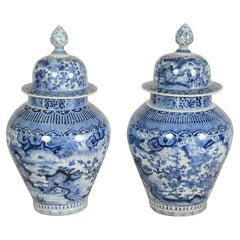
1920s French Art Deco Rare Vases Antique
Art Glass
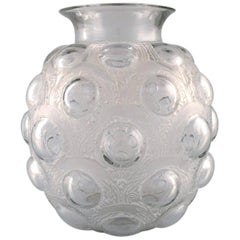
1910s French Art Nouveau Rare Vases Antique
Glass
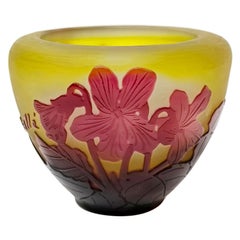
19th Century French Rare Vases Antique
Crystal
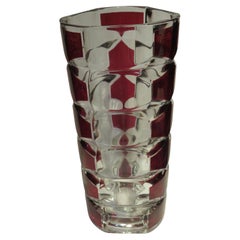
Early 20th Century Swedish Art Deco Rare Vases Antique
Glass, Art Glass
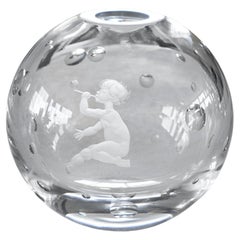
Late 18th Century French Neoclassical Rare Vases Antique
Quartz, Ormolu

Late 19th Century Japanese Rare Vases Antique
Enamel, Copper
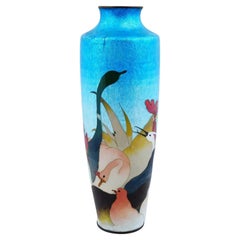
1920s French Bohemian Rare Vases Antique
Crystal

Early 20th Century Unknown Rare Vases Antique
Ceramic
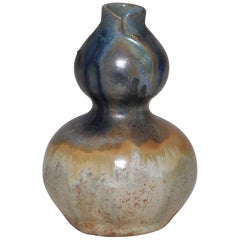
Early 20th Century Russian Art Nouveau Rare Vases Antique
Acrylic, Wood, Lacquer
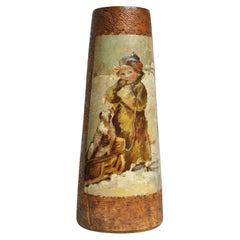
1830s American American Classical Rare Vases Antique
Porcelain
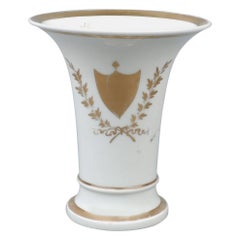
Early 20th Century Unknown Rare Vases Antique
Ceramic
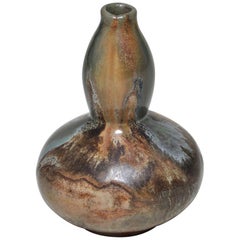
- 1
- ...
Rare Vases Antique For Sale on 1stDibs
How Much is a Rare Vases Antique?
Finding the Right Vases-vessels for You
For thousands of years, vases and vessels have had meaningful functional value in civilizations all over the world. In Ancient Greece, ceramic vessels were used for transporting water and dry goods, holding bouquets of flowers, for storage and more. Outside of utilitarian use, in cities such as Athens, vases were a medium for artistic expression — pottery was a canvas for artists to illustrate their cultures’ unique people, beliefs and more. And pottery skills were handed down from fathers to sons.
Every antique and vintage vase and vessel, from decorative Italian urns to French 19th-century Louis XVI–style lidded vases, carries with it a rich, layered story.
On 1stDibs, there is a vast array of vases and vessels in a variety of colors, sizes and shapes. Our collection features vessels made from delicate materials such as ceramic and glass as well as durable materials like rustproof metals and stone.
A contemporary vase can help introduce an air of elegance to your minimalist space while an antique Chinese jar would make a luxurious addition to an Asian-inspired interior. Alternatively, if you’re looking for a statement piece, consider an Art Deco vase crafted by Italian architect and furniture designer Gio Ponti.
Vases and vessels — be they handmade pots, handblown glass wine bottles or otherwise — are versatile, practical decorative objects, and no matter your particular design preferences, furniture style or color scheme, they can add beauty and warmth to any home. Find yours on 1stDibs today.
- How do you identify an antique vase?2 Answers1stDibs ExpertAugust 17, 2021To tell if a vase is antique, look for a mark on the bottom of the vase either a NIPPON mark or an overmark over the original maker’s mark.1stDibs ExpertAugust 24, 2021The easiest way to identify an antique vase is to check for logos, artist's name or signature at the bottom. These marks may be painted, inked or inscribed. You can also check the edges to identify an antique vase — they are generally more smooth and polished than the rest of the piece. Find an extraordinary collection of antique and vintage vases and vessels on 1stDibs.
- 1stDibs ExpertApril 5, 2022The best way to identify an antique porcelain vase is to check for a maker’s mark. Gently flip the vase over and look for a signature or logo on the bottom. You may also find the name of the artist or designer. Old vases were also made in wood-based kilns, so an antique vase will likely have small imperfections such as coarseness, crackling or asymmetry. When in doubt, work with a certified appraiser to determine the authenticity of your vase. On 1stDibs, you’ll find a variety of expertly vetted antique porcelain vases.
- 1stDibs ExpertApril 5, 2022There are a few ways to tell the approximate age of a porcelain vase, including identifying the maker's mark. These are usually located on the bottom of the vase. The maker's mark can help you find the era of manufacture once you know the company or studio that produced the piece. Look for imperfections, which were inevitable with wood-fuelled kilns of the past but uncommon with modern gas-fuelled kilns. On 1stDibs, shop a collection of antique porcelain from some of the world's top sellers.
Read More
How a Craving for Color Revolutionized Glass
After synthetic dyes changed fashion, home goods and printed matter, it was only a matter of time till glass caught up.
Kazuyo Sejima’s Flowering Tree Blooms Year-Round
The brilliantly simple design turns a modest bouquet into a major statement.
He Wrote ‘Oedipus Rex,’ but Do You Know What He Looked Like?
The Greek tragedian is said to have been handsome in his day.
Cigar Culture Was Once the Peak of Masculinity. Now, It’s a Compelling Curiosity
Even for those who don’t indulge, elegant smoking accessories and audacious art portraying cigar enthusiasts hold a nostalgic allure.
African Travel Plans on Hold? This Ardmore Leopard Vase Brings the Beauty of the Savanna to You
It’s an excellent example of the sought-after ceramics coming out of South Africa’s KwaZulu-Natal province.
With a High-Tech Flagship and Cool Collabs, Lladró Is Breaking the Mold for Porcelain Production
Thanks to its new leadership, the Spanish maker of figurines, busts and lighting is on a mission to update the art of porcelain for the 21st century.
Zoë Powell’s Magnolia 05 Vessel Is Handmade from Clay She Unearthed Herself
The free-form stoneware piece is inspired by the magnolia tree and its associations with home.
8 Ways to Breathe New Life into a Space with Plants
The pair behind the Instagram account @houseplantclub share their tips for making any room of the house gloriously green.