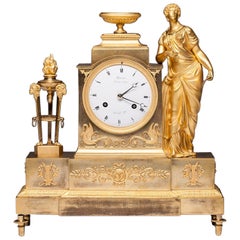
Ravrio Bronze Clock
Antique 1810s French Empire Mantel Clocks
Marble, Bronze
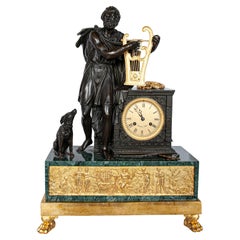

Antique Early 1800s French Empire Mantel Clocks
Marble, Bronze, Ormolu
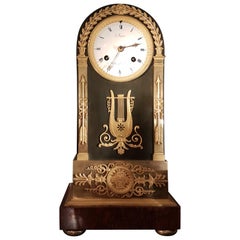
Antique 1820s French Empire Mantel Clocks
Bronze
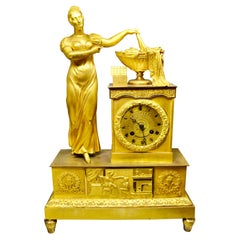
Antique Early 19th Century French Neoclassical Mantel Clocks
Bronze, Other
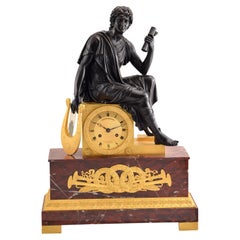
Antique Early 19th Century French Napoleon III Mantel Clocks
Griotte Marble, Bronze, Ormolu
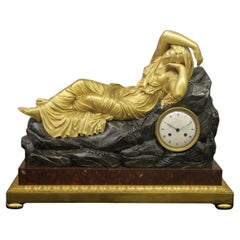
Antique Early 19th Century French Empire Mantel Clocks
Bronze

Antique Early 19th Century French Empire Mantel Clocks
Bronze
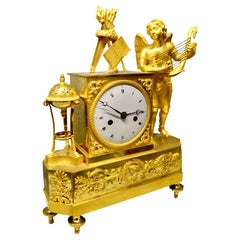
Recent Sales
Antique 1820s French Empire Mantel Clocks
Marble, Bronze
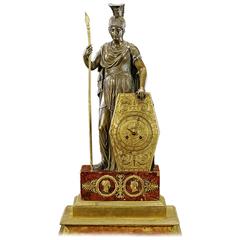
Antique Early 1800s French Empire Mantel Clocks
Ormolu, Bronze
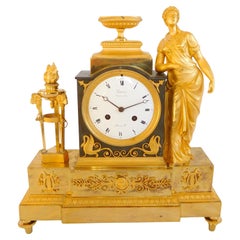
Antique Early 18th Century French Empire Mantel Clocks
Bronze, Ormolu
People Also Browsed
Vintage 1930s French Art Deco Buffets
Marble
Mid-20th Century French Art Deco Vitrines
Bronze
21st Century and Contemporary English Regency Bedroom Sets
Leather, Wood
Antique Late 19th Century French Belle Époque Table Lamps
Marble, Bronze, Ormolu
Vintage 1950s Dutch Scandinavian Modern Daybeds
Metal
Antique 19th Century French Louis XVI Candelabras
Crystal, Brass
2010s British Jewelry Boxes
Maple
Vintage 1950s Italian Mid-Century Modern Daybeds
Metal
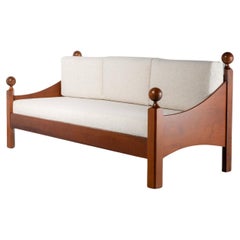
Antique 19th Century French Napoleon III Crystal Serveware
Crystal, Ormolu
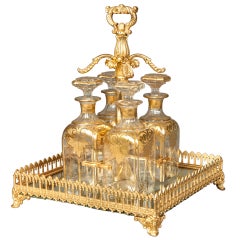
21st Century and Contemporary English Regency Ladders
Leather, Wood
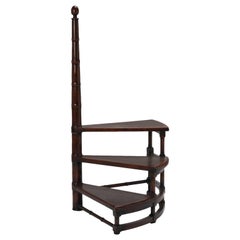
21st Century and Contemporary English George III Coffee and Cocktail Tables
Brass
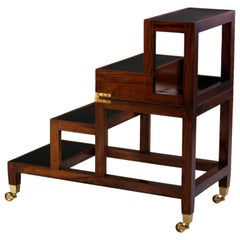
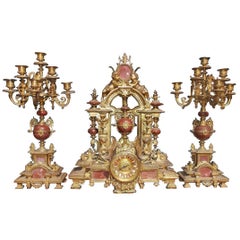
Antique Late 19th Century French Belle Époque Mantel Clocks
Bronze, Ormolu
20th Century French Louis XV Chandeliers and Pendants
Amethyst, Rock Crystal, Bronze

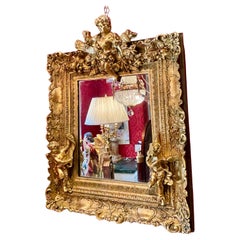
Antique Late 19th Century French Napoleon III Wall Mirrors
Gesso, Giltwood, Mirror
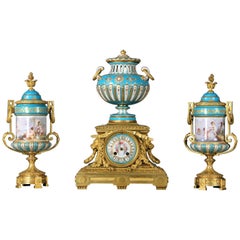
Antique 1820s French Louis Philippe Clocks
Marble, Bronze, Enamel
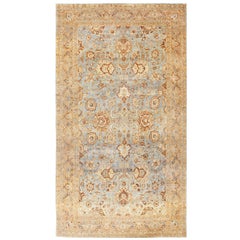
Early 20th Century Persian Kirman Persian Rugs
Wool
Ravrio Bronze Clock For Sale on 1stDibs
How Much is a Ravrio Bronze Clock?
A Close Look at Empire Furniture
From 1804–15, Napoléon I reigned as the emperor of France, bringing the country into a new era of opulence after the fall of the monarchy and the tumultuous years of the French Revolution. He declared, “We must have very solid things, made to last 100 years.” Empire-style furniture followed suit, with imposing pieces constructed from mahogany and adorned with gilded ornaments. Expanding on the neoclassicism popularized in the previous century — such as in Louis XVI style — Empire style borrowed from the great civilizations of antiquity, from Egypt to Greece and Rome, to connect this nascent empire to the power of the past.
Napoléon I believed the production of fine furniture would reflect the stature of the republic, with his official architects Charles Percier and Pierre-François-Léonard Fontaine leading the way with their work on his residences.
Luxurious materials, symmetrical shapes and bold colors characterize antique Empire-style bedroom furniture, armchairs, cabinets and other structures, with frequent motifs including mythological creatures, geometric designs, acanthus leaves, eagles, bees (the imperial emblem) and swans, a favorite of Empress Joséphine.
Flat surfaces, like marble tabletops, were accented with decadent details, such as the bronze furniture mounts made by sculptor Pierre-Philippe Thomire for the French palaces. Martin-Guillaume Biennais, who worked as the imperial goldsmith, crafted intricate luxury objects that mixed wood, fine metal, mother-of-pearl and ivory. Ormolu — or elaborate bronze gilding — was essential to French design in the 18th and 19th centuries as a cornerstone of the neoclassical and Empire styles.
The style became popular abroad, influencing the American Empire style. Stately pieces carved with sprigs of olives by cabinetmaker Pierre-Antoine Bellange were acquired by American President James Monroe for the White House in 1817.
Find a collection of antique Empire tables, lighting, seating and other furniture on 1stDibs.
Finding the Right Mantel-clocks for You
Personal time-telling devices may have migrated from our pockets to our wrists and finally onto our phones, but despite the convenience of a handheld digital timekeeper, nothing can beat well-made vintage, new and antique mantel clocks.
Invented by clockmakers in France and popularized in the 18th and 19th centuries, these practical yet ornate pieces were typically displayed on top of fireplaces or desks. While the most common mantel clocks were created in the traditional tambour style, which features a wide base that flares into an upright drum- or camelback-shaped case, modern clockmakers and furniture designers have experimented with their own ideas for these decorative objects over the years, introducing different forms and working with unconventional materials. A collection of whimsical, monochromatic handmade mantel clocks crafted by Dutch designer Kiki van Eijk, called Floating Frames, for example, features minimalist frames of anodized wire and ceramic clockfaces.
When shopping for an antique, vintage or new mantel clock, don’t be afraid to branch out. Wood mantel clocks of any era will bring a classic, elegant allure to the shelving in your living room or the bookcase in your bedroom, while Empire-style mantel clocks will comparatively boast eye-catching gilt bronze and pronounced sculptural attributes. Some Art Deco mantel clocks will feature an integration of marble or glass and will likely be marked by the decorative embellishments associated with that particular furniture style.
There’s just something about cool clocks, right? Spend your time with an extraordinary collection of mantel clocks on 1stDibs today.