Red Tribal Rug Large
2010s Indian Tribal Indian Rugs
Wool
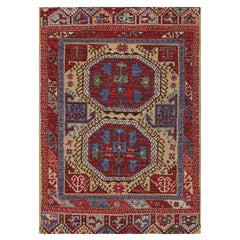

Late 20th Century Azerbaijani Tribal Central Asian Rugs
Wool, Cotton, Natural Fiber, Organic Material
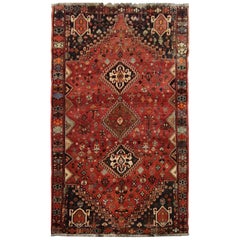
Early 20th Century Persian Tribal Persian Rugs
Wool
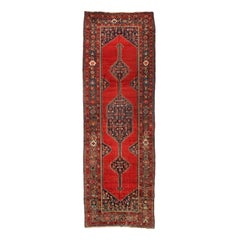
Early 20th Century Afghan Tribal Central Asian Rugs
Wool, Cotton, Organic Material
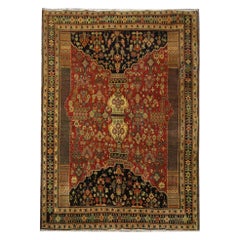
Mid-20th Century Russian Kazak Caucasian Rugs
Wool
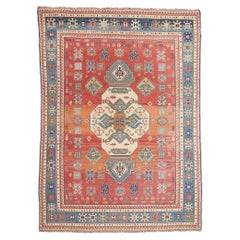
21st Century and Contemporary Afghan Art Deco Central Asian Rugs
Wool, Cotton

Antique 1890s Caucasian Kazak Caucasian Rugs
Wool
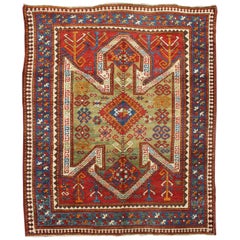
Vintage 1940s Moroccan Tribal Moroccan and North African Rugs
Wool
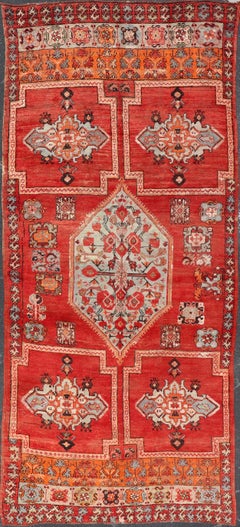
Mid-20th Century Turkish Kilim Turkish Rugs
Wool
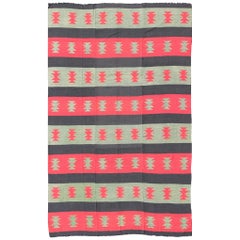
Vintage 1950s Azerbaijani Tribal Central Asian Rugs
Wool, Cotton, Natural Fiber, Organic Material
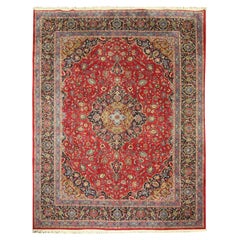
Vintage 1950s Azerbaijani Tribal Central Asian Rugs
Wool, Cotton, Natural Fiber, Organic Material
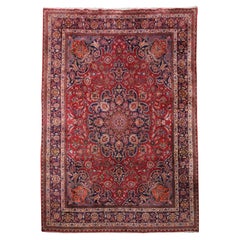
Early 20th Century Turkestan Tribal Turkish Rugs
Wool
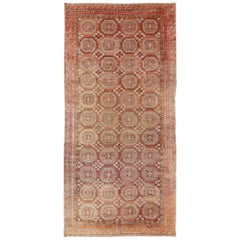
Vintage 1950s Moroccan Tribal Moroccan and North African Rugs
Wool
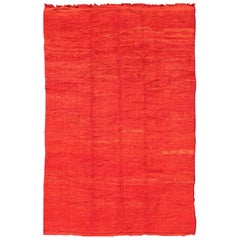
Vintage 1950s Azerbaijani Tribal Central Asian Rugs
Wool, Cotton, Natural Fiber, Organic Material
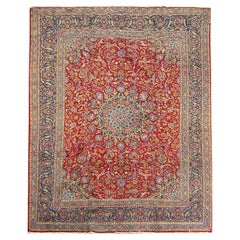
Vintage 1920s Persian Tribal Persian Rugs
Wool
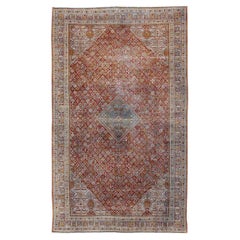
Antique Late 19th Century Persian Tribal Persian Rugs
Wool
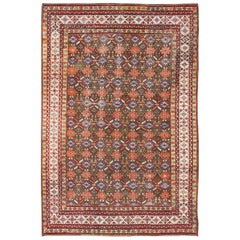
Mid-20th Century Afghan Tribal Central Asian Rugs
Wool
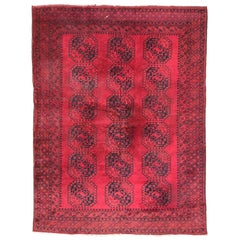
1990s Afghan Tribal Central Asian Rugs
Wool, Cotton, Organic Material
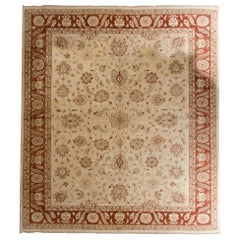
Vintage 1980s European Tribal Persian Rugs
Wool
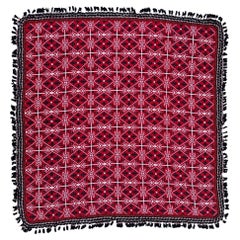
Mid-20th Century Afghan Tribal Central Asian Rugs
Wool
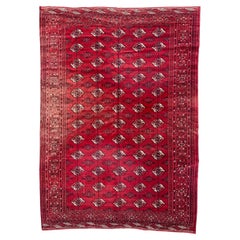
Recent Sales
21st Century and Contemporary Persian Tribal Persian Rugs
Wool

21st Century and Contemporary Persian Tribal Persian Rugs
Wool
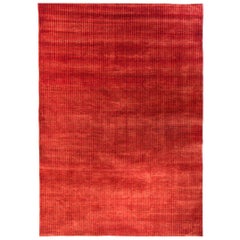
21st Century and Contemporary Persian Tribal Persian Rugs
Wool
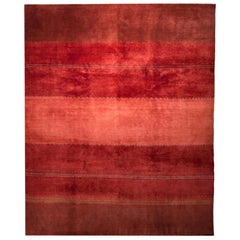
21st Century and Contemporary Persian Tribal Persian Rugs
Wool
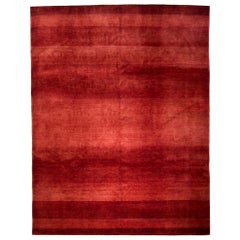
21st Century and Contemporary Persian Tribal Persian Rugs
Wool
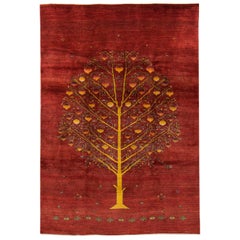
21st Century and Contemporary Persian Tribal Persian Rugs
Wool
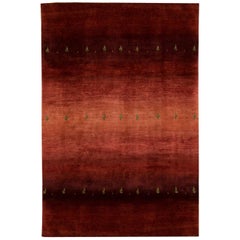
21st Century and Contemporary Persian Tribal Persian Rugs
Wool
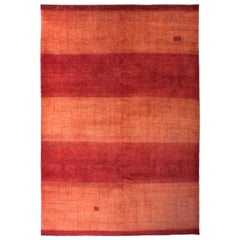
21st Century and Contemporary Persian Tribal Persian Rugs
Wool
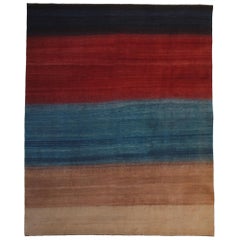
Antique Late 19th Century Turkish Turkish Rugs
Wool
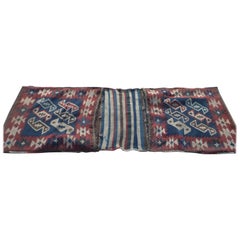
Vintage 1980s Afghan Tribal Central Asian Rugs
Wool
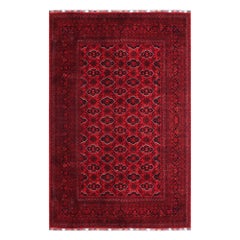
Late 20th Century Azerbaijani Tribal Central Asian Rugs
Wool, Cotton, Organic Material
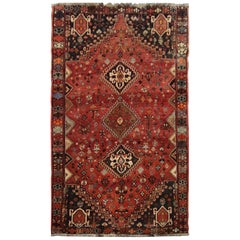
Mid-20th Century Moroccan Tribal Moroccan and North African Rugs
Wool
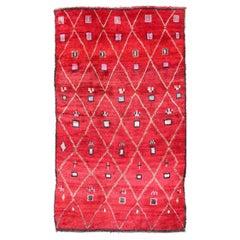
2010s Afghan Kazak More Carpets
Wool
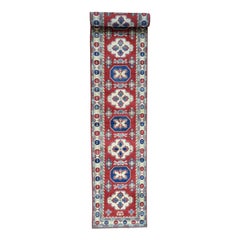
2010s American Navajo North and South American Rugs
Wool
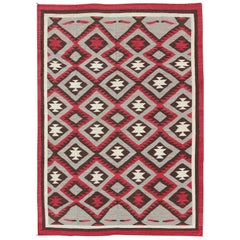
Antique 19th Century Turkestan Tribal Turkish Rugs
Wool
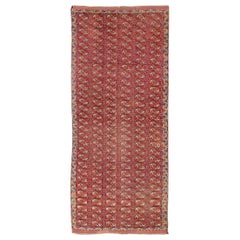
Antique Early 1900s Caucasian Tribal Central Asian Rugs
Wool, Cotton, Natural Fiber, Organic Material
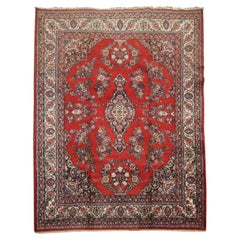
Vintage 1950s Azerbaijani Tribal Central Asian Rugs
Wool, Cotton, Natural Fiber, Organic Material
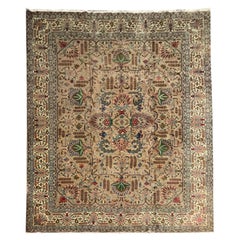
Mid-20th Century Persian Tribal Persian Rugs
Wool
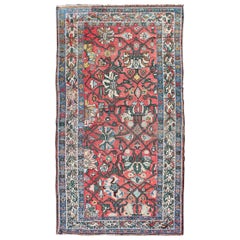
Vintage 1960s Moroccan Tribal Moroccan and North African Rugs
Wool
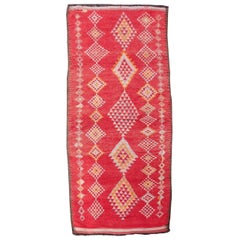
2010s Indian Navajo North and South American Rugs
Wool
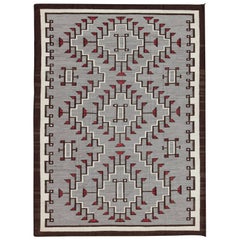
Late 20th Century Moroccan Tribal Moroccan and North African Rugs
Wool
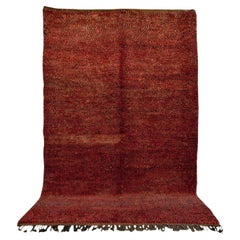
Mid-20th Century Moroccan Tribal Moroccan and North African Rugs
Wool
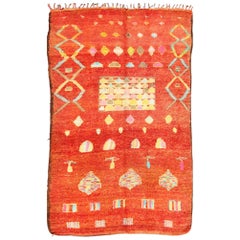
21st Century and Contemporary Persian Tribal Persian Rugs
Wool
People Also Browsed
Mid-20th Century Italian Mid-Century Modern Western European Rugs
Leather

20th Century Persian Other Persian Rugs
Wool
2010s American Modern Swivel Chairs
Sheepskin, Wood
Antique 1880s Persian Sarouk Farahan Persian Rugs
Wool
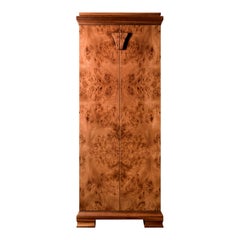
21st Century and Contemporary Italian Modern Wardrobes and Armoires
Wood


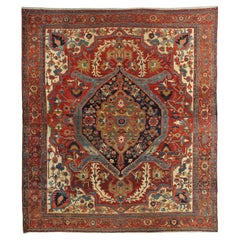
Antique Late 19th Century Persian Serapi Persian Rugs
Wool
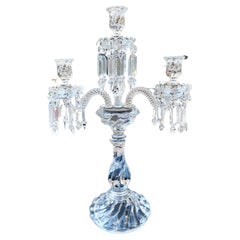
Vintage 1970s Chandeliers and Pendants
Glass
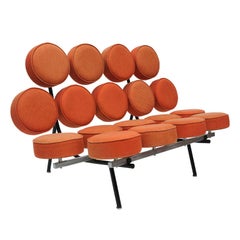
Vintage 1950s American Sofas
Chrome, Stainless Steel, Steel
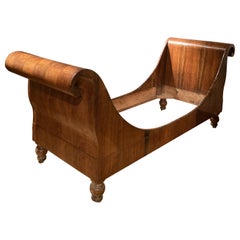
Antique Early 19th Century Italian Empire Beds and Bed Frames
Metal
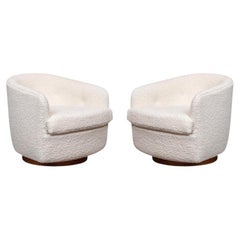
Vintage 1970s American Mid-Century Modern Swivel Chairs
Bouclé, Wood
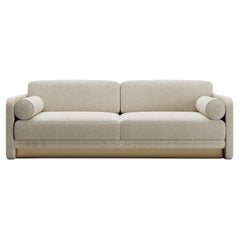
2010s Italian Modern Sofas
Brass
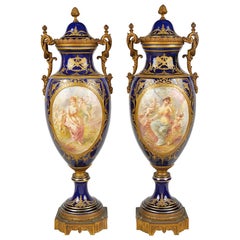
Antique 19th Century French Vases
Porcelain
Antique Late 19th Century Persian Sarouk Farahan Persian Rugs
Wool
21st Century and Contemporary Swiss Modern Sofas
Leather
Antique 19th Century French Vases
Ormolu
Antique Early 1900s English Edwardian Sterling Silver
Silver, Brass, Sterling Silver
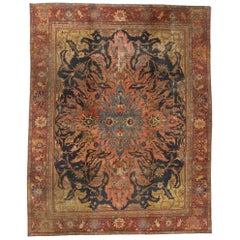
Red Tribal Rug Large For Sale on 1stDibs
How Much is a Red Tribal Rug Large?
Finding the Right Rugs-carpets for You
Good antique rugs and vintage rugs have made their way into homes across the globe, becoming fixtures used for comfort, prayer and self-expression, so choosing the right area rug is officially a universal endeavor.
In modern usage, “carpet” typically denotes a wall-to-wall floor cushioning that is fixed to the floor. Rugs, on the other hand, are designed to cover a specific area and can easily be moved to new locations. However, the terms are interchangeable in many parts of the world, and, in the end, it won’t matter what you decide to call it.
It’s well known that a timeless Persian rug or vintage Turkish rug can warm any interior, but there are lots of other styles of antique rugs to choose from when you're endeavoring to introduce fresh colors and textures to a bedroom or living room.
Moroccan Berber rugs are not all about pattern. In fact, some of the most striking examples are nearly monochrome. But what these rugs lack in complexity, they make up for in brilliant color and subtle variation. Moroccan-style interiors can be mesmerizing — a sitting room of this type might feature a Moroccan rug, carved wooden screens and a tapestry hung behind the sofa.
Handwoven kilim rugs, known for their wealth of rich colors and unique weaving tradition, are pileless: Whereas the Beni Ourain rugs of Morocco can be described as dense with a thick surface or pile, an authentic kilim rug is thin and flat. (The term “kilim” is Turkish in origin, but this type of textile artistry is practiced all across the Balkans, throughout the Arab world and elsewhere.)
When it comes to eye-catching floor coverings, the distinctive “medallion” pattern of Oushak rugs has two types of rounded shapes alternating against a rich red or blue background created with natural dyes, while the elaborate “star” pattern involves large eight-pointed shapes in diagonal rows alternating with diamonds.
If you’re looking for something unexpected, find a runner rug that pops in your hallway or on your stairs. Dig for dazzling geometric patterns in our inventory of mid-century modern rugs and carpets, which includes works designed by the likes of Swedish textile masters Märta Måås-Fjetterström, Marianne Richter and other artisans.
Carpets and rugs have been around for thousands of years. Prehistoric humans turned to animal skin, wool and fur to craft simple fabrics to soften hard terrain. A 2016 study suggests that "cave lions" were hunted for exactly this purpose, and that decorating your cave with their pelts may have conferred strength and prestige. Although many of these early textiles are still in existence, tracing their precise origins is difficult. Carpets quickly became such a valuable trade commodity that the weavings could easily travel far from their places of origin.
The oldest known carpet was found in southern Siberia. (It may have traveled there from Persepolis in Iran.) For the flat-weave floor rugs crafted by Native Americans, cotton was the primary material before sheep’s wool was introduced in the 16th century. In Europe, carpet-making was fundamental to folk art, and Asian carpets imported to European countries were at one time considered a precious luxury and not intended to remain permanently on the floor.
With the variety of area rugs and carpets rolled out for you on 1stDibs — a collection that includes traditional, modern, minimalist rugs and other coverings of all kinds — things will be looking up whenever you’re looking down.