Rococo 17th Century Furniture
Antique 17th Century Italian Rococo Mounted Objects
Rock Crystal
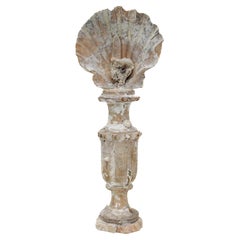

Antique 17th Century Italian Rococo Mounted Objects
Rock Crystal, Gold Leaf, Gold Plate
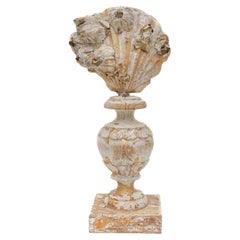
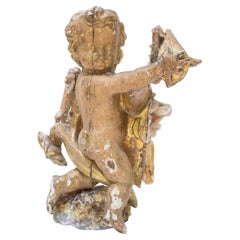
Antique 17th Century Italian Rococo Wall-mounted Sculptures
Rock Crystal, Gold Leaf
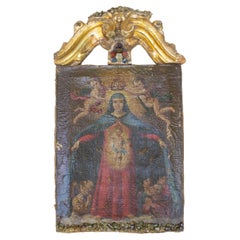
Antique 17th Century Italian Rococo Figurative Sculptures
Quartz, Rock Crystal, Silver Leaf
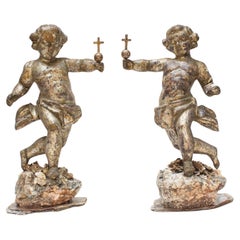
Antique 17th Century Italian Rococo Figurative Sculptures
Quartz, Rock Crystal, Gold Leaf
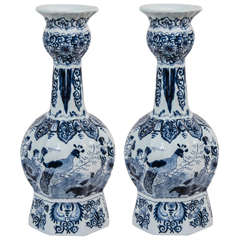
Antique 18th Century and Earlier Dutch Rococo Delft and Faience
Delft
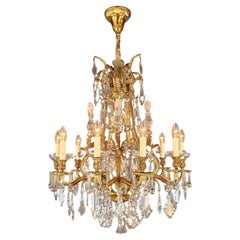
Antique 17th Century Austrian Rococo Chandeliers and Pendants
Crystal, Brass
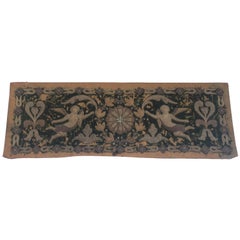
Antique 17th Century Italian Rococo Decorative Art
Fabric
Early 20th Century Danish Scandinavian Modern Side Tables
Elm
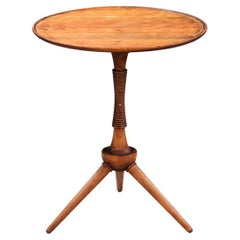
Early 20th Century Danish Scandinavian Modern Side Tables
Elm
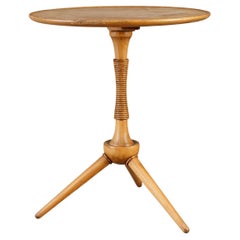
Antique 17th Century Italian Rococo Wall Mirrors
Mercury Glass, Wood

Antique 17th Century American Rococo Wall Mirrors
Giltwood
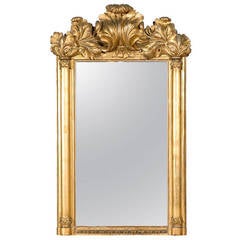
Antique 18th Century and Earlier Italian Wall Mirrors
Glass, Giltwood
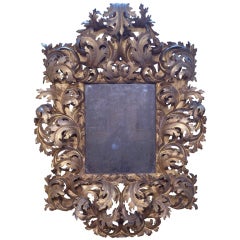
Antique 17th Century Spanish Rococo Tables
Walnut

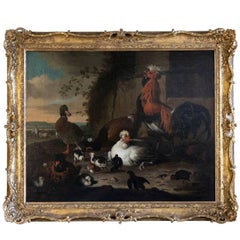
Antique 17th Century Dutch Rococo Paintings
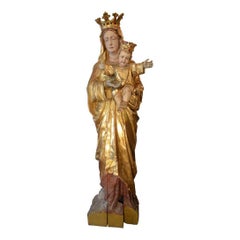
Antique 17th Century Spanish Rococo Religious Items
Giltwood
Vintage 1930s Danish Mid-Century Modern Armchairs
Leather, Mahogany

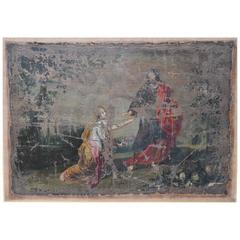
Antique Early 17th Century French Rococo Decorative Art
Raw Linen
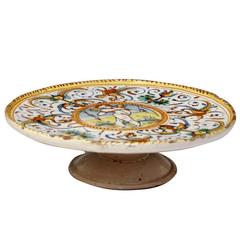
Antique 1640s Italian Rococo Vases
Faience, Pottery
- 1
Rococo 17th Century Furniture For Sale on 1stDibs
How Much is a Rococo 17th Century Furniture?
A Close Look at Rococo Furniture
Rococo was an aesthetic movement in the fine and decorative arts in the 18th century that found its inspiration in nature and fostered an overall lightness and delicacy of form, construction and ornament in interior design. Rococo furniture, while greatly influenced by trends in Italy and Germany, is often called Louis XV style — the movement having reached its best expression during that sybaritic French king’s reign.
The term “rococo” is thought to be a portmanteau of the French words rocaille and coquilles — “rock” and “shells” — organic motifs frequently used in architecture and design of the style.
When it comes to authentic Rococo furniture's characteristics, it is above all sensuous and social. The furniture of earlier eras in Europe had been heavy in every sense; the Rococo period saw the appearance of light-framed upholstered armchairs, side chairs and occasional tables that could easily be moved to form conversational circles.
The signal detail of Rococo furniture design is the gently curved cabriole, or S-shaped chair-, table-, and cabinet-leg. It imitates the bend of a tree limb or a flower stem. In a further reference to nature, furnishings were often asymmetrical and painted white, or in soft, pastel shades. Rococo has become a timeless style, and as the furniture pieces presented on 1stDibs demonstrate, its playful, sculptural forms can provide visual excitement to contemporary, clean-lined spaces.
- 1stDibs ExpertSeptember 23, 2024What 17th-century furniture is called varies. The general term for all furniture produced 100 years ago, including 17th-century pieces, is antique furniture. You may also choose to be more specific and describe a piece by its style. Theatrical and lavish, the Baroque style was prevalent across Europe from the 17th to the mid-18th century and spread around the world through colonialism, including in Asia, Africa and the Americas. Baroque furniture was extravagant in all aspects, from shape to materials. 17th-century pieces from England often feature characteristics of the William and Mary style, such as crisp lines, maple and walnut veneers, inlaid bands and C-scroll ornaments. On 1stDibs, explore a variety of antique furniture.
- 1stDibs ExpertApril 5, 2022Sir Isaac Newton invented the reflector telescope in the 17th century. He created it as a replacement for the refracting telescope, which tended to have poor optics. Find a collection of antique and vintage telescopes on 1stDibs from some of the world’s top sellers.
- 1stDibs ExpertApril 5, 202217th-century Dutch portraiture has many similarities to other Baroque paintings, including rich colors, dark shadows and intense lighting. Many famous Dutch Baroque works lean toward realism. In Dutch portraiture, props and detailed backgrounds are uncommon. You'll find a collection of Dutch Baroque paintings from some of the world’s top art dealers on 1stDibs.
- 1stDibs ExpertNovember 13, 2024To identify 18th-century furniture, you can research your piece in the context of the prevailing styles of the period or consult a certified appraiser or experienced antique dealer. To identify your item on your own, look over it for maker's marks, such as carvings, stamps, brands and labels. Researching the marking can help you determine the maker of your piece, and from there, you can search further to learn more about your particular item. Without a maker's mark, the best approach is to consider the characteristics of the dominant furniture styles during the 18th century. In England, these included William and Mary, Queen Anne, Georgian, Chippendale, Hepplewhite and Sheraton. Some French furniture styles of the 1700s include Louis XV, Louis XVI and Régence. Find a diverse assortment of 18th-century furniture on 1stDibs.
- 1stDibs ExpertApril 5, 2022A variety of furniture was used during the 16th century. Items commonly found in homes include high-backed armchairs, chests, stools, benches and cupboards. Most European artisans active during the time period produced pieces out of oak wood. Find a large collection of antique furniture on 1stDibs.
Read More
The Ultimate Guide to Types of Tables for the Home
Whether you’re just moving in or ready to give your home a makeover, our guide will give you pointers on tables that are fitting for every room, nook and hallway.
Why Enchanting French Antiques Fill Walt Disney’s Animated Classics
The visionary impresario, and the studio he founded, long looked to European decorative arts to set a magical mood for films from Snow White to Beauty and the Beast.