Rococo Figurine
Early 20th Century German Rococo Revival Figurative Sculptures
Porcelain

Vintage 1920s German Rococo Porcelain
Porcelain
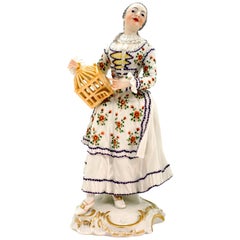
Antique Late 18th Century Rococo Delft and Faience
Delft, Faience
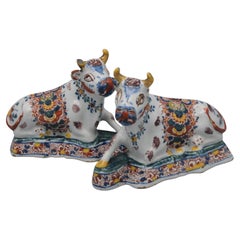
Antique 1880s German Rococo Porcelain
Porcelain
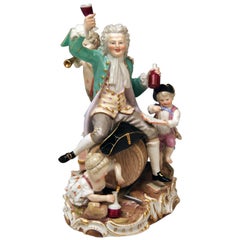
Antique 1740s German Rococo Figurative Sculptures
Porcelain
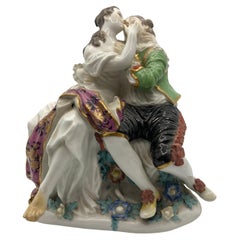

Antique 1870s German Rococo Porcelain
Porcelain
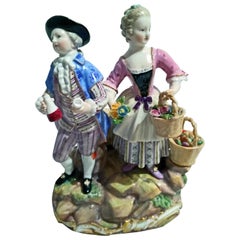
Antique 1860s German Rococo Porcelain
Porcelain
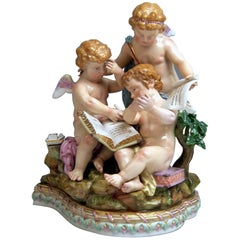
Antique 1840s German Rococo Porcelain
Porcelain
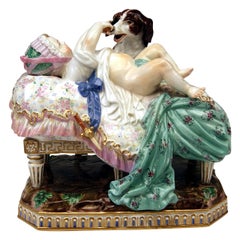
Early 20th Century German Rococo Figurative Sculptures
Porcelain
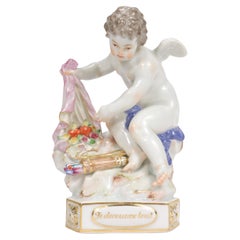
Antique 18th Century German Rococo Figurative Sculptures
Porcelain
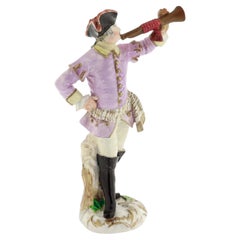
Early 20th Century Austrian Rococo Porcelain
Porcelain
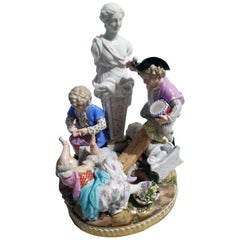
Antique 19th Century German Rococo Revival Figurative Sculptures
Porcelain
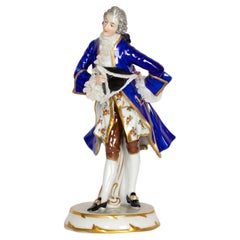
Antique Mid-18th Century German Rococo Porcelain
Porcelain
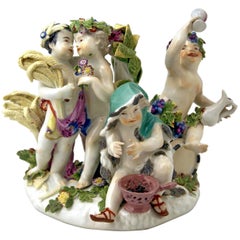
Antique 18th Century German Rococo Sculptures
Porcelain

Early 20th Century German Rococo Revival Figurative Sculptures
Porcelain
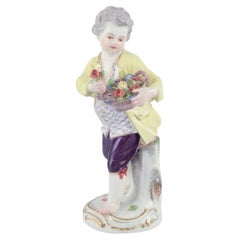
Antique Mid-19th Century German Rococo Porcelain
Porcelain
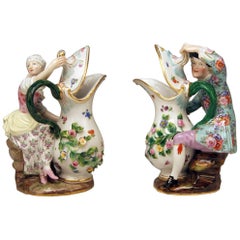
Antique Late 18th Century Rococo Delft and Faience
Delft, Faience
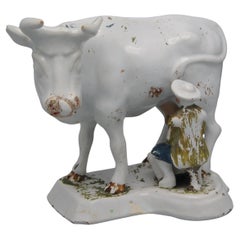
Antique Late 19th Century Rococo Figurative Sculptures
Gold Plate, Bronze
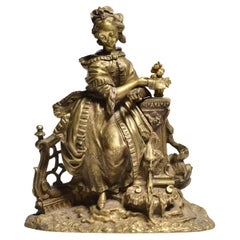
Antique 18th Century Italian Rococo Figurative Sculptures
Porcelain
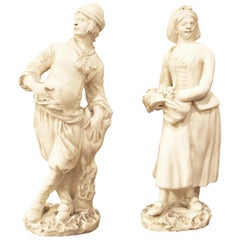
Antique Mid-18th Century Rococo Delft and Faience
Faience
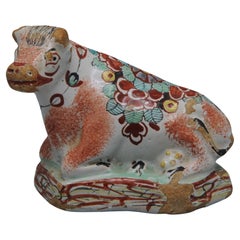
Antique 19th Century German Rococo Porcelain
Porcelain
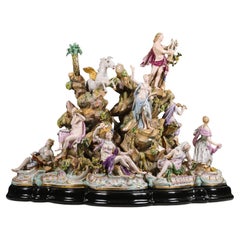
Antique Late 19th Century German Porcelain
Porcelain
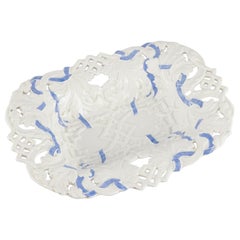
Antique Mid-18th Century English Georgian Table Lamps
Brass
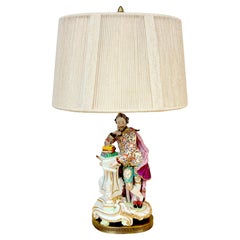
Antique 19th Century French Sculptures
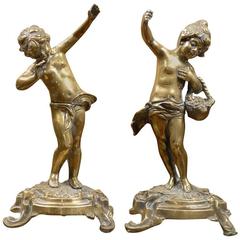
Antique 19th Century French Rococo Figurative Sculptures
Porcelain
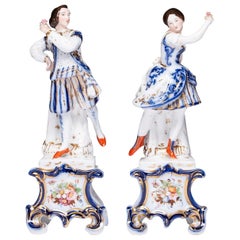
Antique 19th Century French Rococo Vases
Porcelain
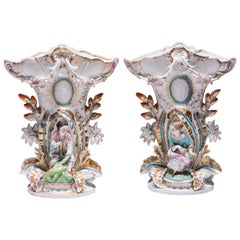
Antique 19th Century French Rococo Vases
Porcelain
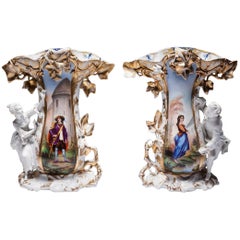
Antique 1890s German Rococo Figurative Sculptures
Porcelain
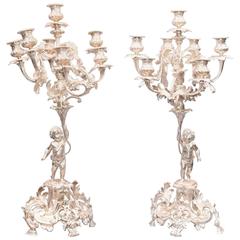
Vintage 1970s Victorian Candelabras
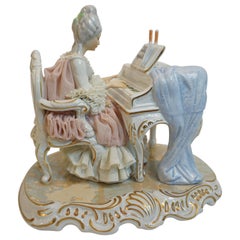
Antique Mid-19th Century German Rococo Porcelain
Porcelain
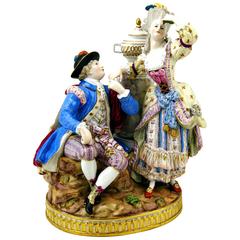
Antique Mid-19th Century German Rococo Porcelain
Porcelain
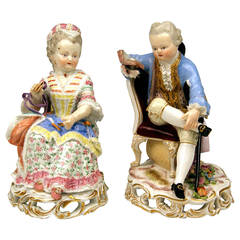
Antique 1870s German Rococo Figurative Sculptures
Porcelain
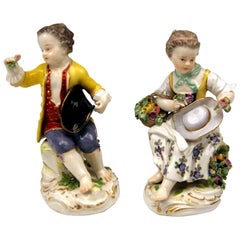
Antique 19th Century German Rococo Figurative Sculptures
Porcelain
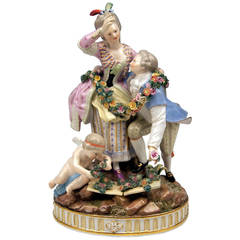
Antique Late 19th Century German Rococo Revival Porcelain
Porcelain
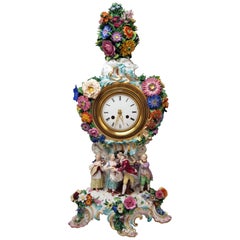
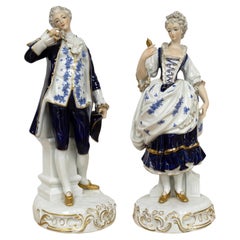
20th Century German Rococo Figurative Sculptures
Ceramic
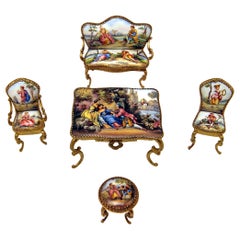
Antique 1870s Austrian Victorian Models and Miniatures
Enamel, Brass
Antique Late 19th Century German Rococo Figurative Sculptures
Porcelain
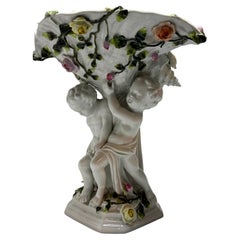
Antique 1750s German Rococo Porcelain
Porcelain
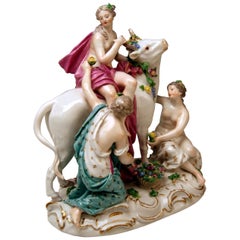
Antique Late 19th Century Italian Porcelain
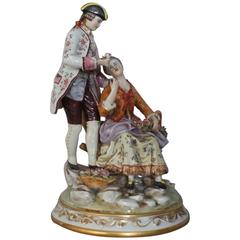
Antique 1860s German Rococo Porcelain
Porcelain
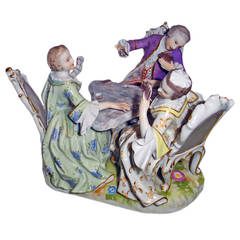
Antique 1860s German Rococo Porcelain
Porcelain
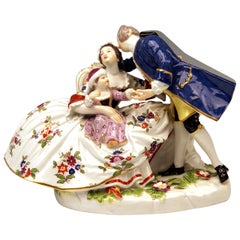
Antique Mid-19th Century German Rococo Porcelain
Porcelain
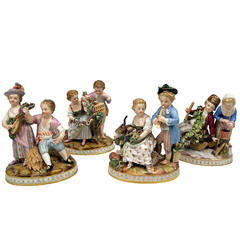
Antique 1850s German Rococo Porcelain
Porcelain
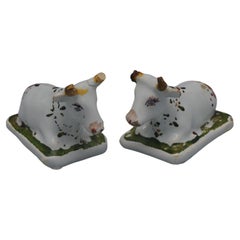
Antique Late 18th Century Rococo Delft and Faience
Faience
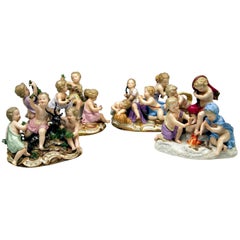
Antique Late 19th Century German Rococo Revival Figurative Sculptures
Porcelain
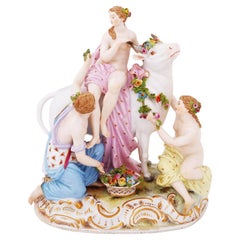
Antique Mid-19th Century German Rococo Porcelain
Porcelain
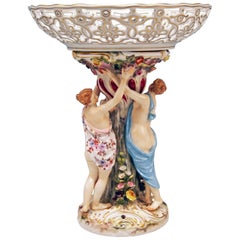
Antique Early 1900s German Rococo Revival Porcelain
Porcelain
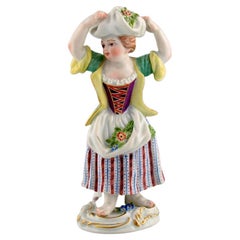
Antique Early 1900s German Rococo Porcelain
Porcelain
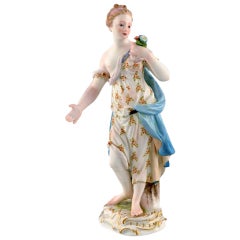
Antique 1860s German Rococo Porcelain
Porcelain
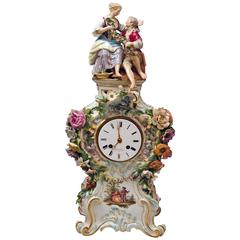
Antique 19th Century German Rococo Porcelain
Porcelain
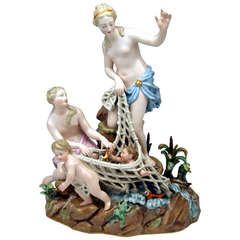
Antique Mid-19th Century German Rococo Porcelain
Porcelain
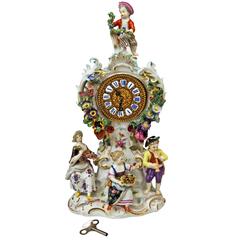
Mid-20th Century German Rococo Porcelain
Porcelain
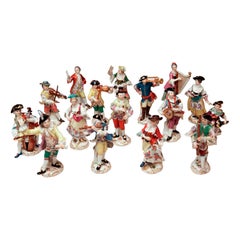
Mid-20th Century German Rococo Porcelain
Porcelain
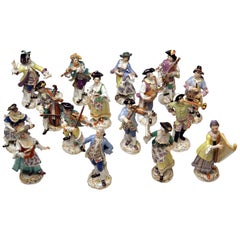
Antique 1860s Danish Rococo Porcelain
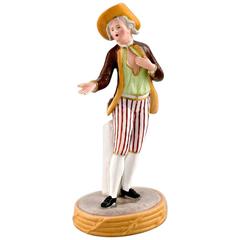
Early 20th Century German Rococo Porcelain
Porcelain
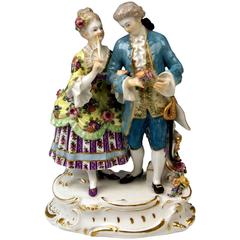
Antique 1870s German Rococo Porcelain
Porcelain
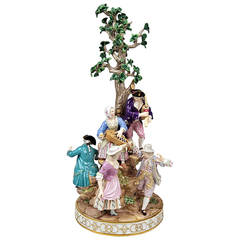
Antique 19th Century German Rococo Porcelain
Porcelain
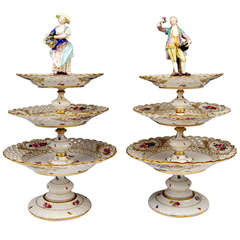
- 1
Rococo Figurine For Sale on 1stDibs
How Much is a Rococo Figurine?
A Close Look at Rococo Furniture
Rococo was an aesthetic movement in the fine and decorative arts in the 18th century that found its inspiration in nature and fostered an overall lightness and delicacy of form, construction and ornament in interior design. Rococo furniture, while greatly influenced by trends in Italy and Germany, is often called Louis XV style — the movement having reached its best expression during that sybaritic French king’s reign.
The term “rococo” is thought to be a portmanteau of the French words rocaille and coquilles — “rock” and “shells” — organic motifs frequently used in architecture and design of the style.
When it comes to authentic Rococo furniture's characteristics, it is above all sensuous and social. The furniture of earlier eras in Europe had been heavy in every sense; the Rococo period saw the appearance of light-framed upholstered armchairs, side chairs and occasional tables that could easily be moved to form conversational circles.
The signal detail of Rococo furniture design is the gently curved cabriole, or S-shaped chair-, table-, and cabinet-leg. It imitates the bend of a tree limb or a flower stem. In a further reference to nature, furnishings were often asymmetrical and painted white, or in soft, pastel shades. Rococo has become a timeless style, and as the furniture pieces presented on 1stDibs demonstrate, its playful, sculptural forms can provide visual excitement to contemporary, clean-lined spaces.