Royal Craftsman Furniture
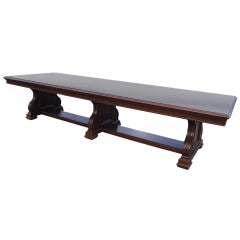
Early 20th Century American American Craftsman Conference Tables
Oak

Recent Sales
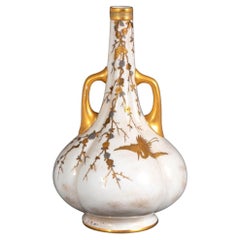
Antique Late 19th Century American Craftsman Vases
Porcelain
People Also Browsed
21st Century and Contemporary Belgian Modern Patio and Garden Furniture
Limestone
21st Century and Contemporary French Mid-Century Modern Armchairs
Fabric, Beech
1930s Futurist Landscape Paintings
Canvas, Oil

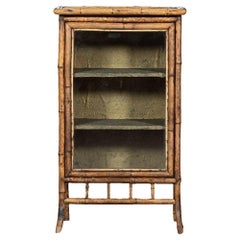
Antique 19th Century Bookcases
Bamboo
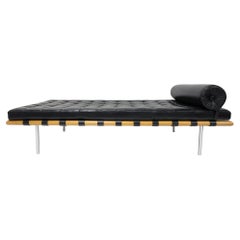
20th Century American Mid-Century Modern Daybeds
Steel
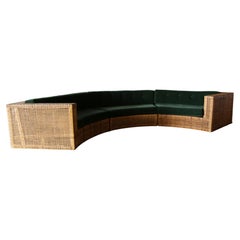
Vintage 1960s American Mid-Century Modern Sectional Sofas
Mohair, Wicker
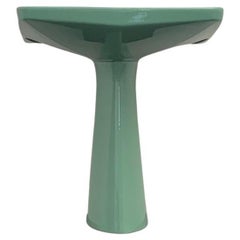
Vintage 1950s Italian Bathroom Fixtures
Ceramic
Mid-20th Century Italian Space Age Dining Room Sets
Marble, Aluminum
Vintage 1970s American Organic Modern Dining Room Tables
Hardwood, Olive
20th Century European Renaissance Fountains
Limestone
Vintage 1960s American Mid-Century Modern Doors and Gates
Aluminum

Antique 1720s Spanish Baroque Beds and Bed Frames
Giltwood, Paint
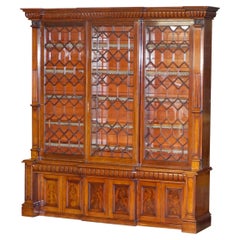
Antique 1860s English High Victorian Bookcases
Glass, Hardwood
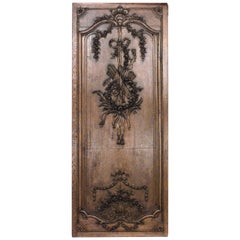
Antique 19th Century French Régence Architectural Elements
Oak
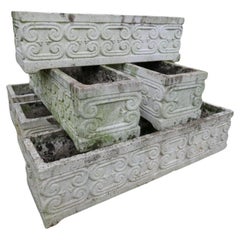
Vintage 1960s Planters and Jardinieres
Stone
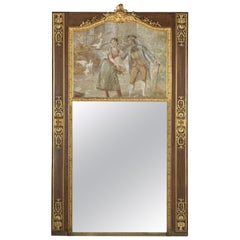
Early 20th Century French Louis XVI Pier Mirrors and Console Mirrors
Mirror, Gesso, Canvas, Wood, Giltwood
Royal Craftsman Furniture For Sale on 1stDibs
How Much is a Royal Craftsman Furniture?
A Close Look at American-craftsman Furniture
Inspired by the Arts Crafts style in England, which rebelled against the mechanization of the Industrial Revolution with a proud emphasis on handcrafted design, American Craftsman style similarly pushed against the lavishness of the Victorian era. Coined by Wisconsin-born Gustav Stickley, a furniture designer and publisher of The Craftsman magazine, American Craftsman furniture would influence homegrown styles that followed, such as Mission and the Prairie School.
Like the popular early 20th-century Craftsman houses — which feature meticulous woodwork on everything from built-in bookcases in the living room and cabinetry in the kitchen to earth-toned exteriors with exposed rafters — American Craftsman furniture was all about handmade storage cabinets, bedroom furniture, chairs and other pieces built with organic materials. “Simplicity and straightforwardness of construction has always been the leading characteristic of Craftsman furniture,” Stickley stated. And while he is often credited with most of the designs at the Craftsman Workshops in Eastwood, New York, others such as Harvey Ellis were influential in shaping the straight-backed chairs, beds with vertical slats and tables with exposed joinery that came to define the style.
Highly utilitarian with no unnecessary flair, American Craftsman furniture was designed to emphasize the essence of its modest construction and promote the natural beauty of the wood. Solid oak, cherry, walnut and mahogany were all favored by the movement’s principal figures. Another attribute commonly associated with the style is the integration of subtle details like tooled leather, inlaid metal and hammered iron handles.
Owing to the outbreak of World War I, the popularity of American Craftsman style waned as consumer spending dropped and furniture companies shifted to the production of wartime materials and goods specified in government contracts. Yet, by the 1960s, there was a renewed appreciation for this foundational modern American style, with Stickley and his contemporaries in demand for the clean, simple lines and sturdy construction of American Craftsman furniture.
Find a collection of antique American Craftsman chests, nightstands, seating, decorative objects and more furniture on 1stDibs.
- 1stDibs ExpertNovember 4, 2024To identify Craftsman furniture, first search for a maker's mark on hidden areas, such as the insides and undersides of drawers and under seats and tabletops. If you locate a mark, look it up using trusted online resources to identify the maker of your furniture and research whether they worked in the Craftsman style. Furniture from certain makers, such as Gustav Stickley, Greene Greene, Roycroft Community, Charles Limbert and Lawrence Peabody, is often Craftsman style. Because many Craftsman pieces are unmarked, familiarize yourself with common characteristics of the style, such as evenly spaced slats, understated round or square drawer pulls, straight lines and exposed dowels and tenons. If you'd like an expert opinion, have a certified appraiser or experienced antique dealer inspect your piece. On 1stDibs, shop a collection of Craftsman furniture.