Samuel Coleman Painting
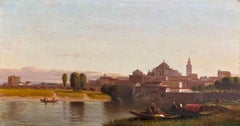
Mid-19th Century Hudson River School Landscape Paintings
Oil, Board

People Also Browsed
1850s Old Masters Landscape Paintings
Oil
1940s Impressionist Landscape Paintings
Oil
Early 20th Century Landscape Paintings
Canvas, Oil
20th Century American Art Nouveau Table Lamps
Bronze

1920s Impressionist Landscape Paintings
Canvas, Oil
1950s American Realist Landscape Paintings
Linen, Oil, Board
Antique Early 1900s American Art Nouveau Table Lamps
Bronze

Early 20th Century American Impressionist Landscape Paintings
Oil, Panel
Mid-19th Century Still-life Paintings
Canvas, Oil
1990s Abstract Expressionist Abstract Paintings
Gesso, Canvas, Cotton, Paint, Varnish, Cotton Canvas, Mixed Media, Oil, ...
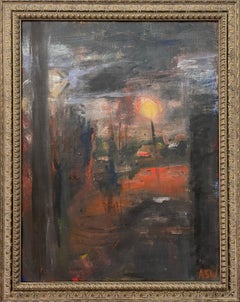
Late 19th Century Barbizon School Landscape Paintings
Oil, Wood Panel
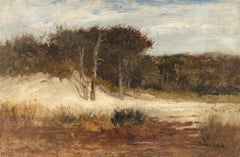
Mid-19th Century American Realist Landscape Paintings
Canvas, Oil
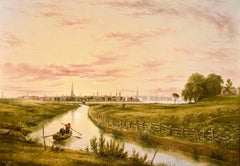
Mid-19th Century American Realist Landscape Paintings
Oil, Board
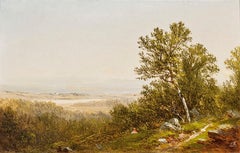
1920s American Impressionist Landscape Paintings
Canvas, Oil
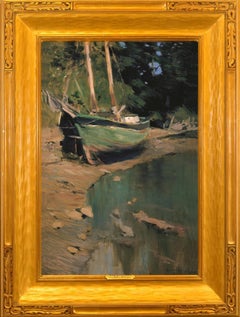
1980s American Impressionist Landscape Paintings
Canvas, Oil
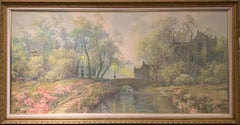
1990s Fauvist Landscape Paintings
Oil, Board
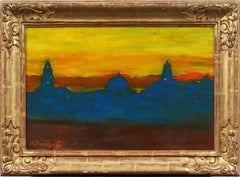
A Close Look at Hudson-river-school Art
Considered the first major American painting movement, the Hudson River School emerged in the first half of the 19th century with landscape paintings that celebrated the young country’s natural beauty. Most of its leading painters were based in New York City where they exchanged ideas and traveled to the nearby Hudson River Valley and Catskills Mountains to re-create their vistas. At a time when the city was increasingly dense, the Hudson River School artists extolled the vast and pristine qualities of the American landscape, a sentiment that would inform the conservation movement.
American art was dominated by portraiture and historical scenes before Thomas Cole, the founder of the Hudson River School, began painting the Catskill Mountains in 1825. While the Hudson River School was informed by European art aesthetics, particularly the British focus on the sublime in nature, it was a style imbued with nationalism. The landscape painters who followed and studied under Cole would expand their focus from the Northeastern United States to places across the country, their work shared through prints and portfolios promoting an appreciation for the American wilderness — Niagara Falls, the mountain ranges that dot the American West and more — as the style blossomed during the mid-19th century.
Cole’s student Frederic Edwin Church as well as painters such as Albert Bierstadt, John Frederick Kensett, Asher Brown Durand and others became prominent proponents of the Hudson River School. The American art movement also had close ties to the literary world, including to authors like William Cullen Bryant, Henry David Thoreau and James Fenimore Cooper who wrote on similar themes. Although by the early 1900s the style had waned, and modernism would soon guide the following decades of art in the United States, the Hudson River School received renewed interest in the late 20th century for the dramatic way its artists portrayed the world.
Find a collection of authentic Hudson River School paintings, drawings and watercolors and more art on 1stDibs.
Finding the Right Figurative-paintings for You
Figurative art, as opposed to abstract art, retains features from the observable world in its representational depictions of subject matter. Most commonly, figurative paintings reference and explore the human body, but they can also include landscapes, architecture, plants and animals — all portrayed with realism.
While the oldest figurative art dates back tens of thousands of years to cave wall paintings, figurative works made from observation became especially prominent in the early Renaissance. Artists like Michelangelo, Leonardo da Vinci and other Renaissance masters created naturalistic representations of their subjects.
Pablo Picasso is lauded for laying the foundation for modern figurative art in the 1920s. Although abstracted, this work held a strong connection to representing people and other subjects. Other famous figurative artists include Francis Bacon and Lucian Freud. Figurative art in the 20th century would span such diverse genres as Expressionism, Pop art and Surrealism.
Today, a number of figural artists — such as Sedrick Huckaby, Daisy Patton and Eileen Cooper — are making art that uses the human body as its subject.
Because figurative art represents subjects from the real world, natural colors are common in these paintings. A piece of figurative art can be an exciting starting point for setting a tone and creating a color palette in a room.
Browse an extensive collection of figurative paintings on 1stDibs.