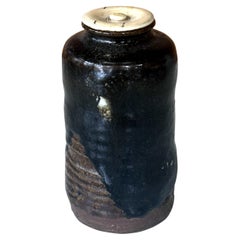
Satsuma Tea Caddy
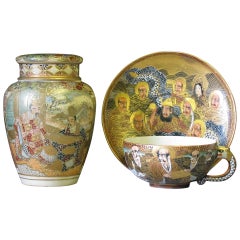
Antique Late 19th Century Japanese Meiji Tea Sets
Porcelain

Antique 19th Century Japanese Meiji Ceramics
Earthenware
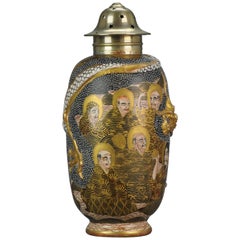
Antique Late 19th Century Japanese Aesthetic Movement Ceramics
Enamel
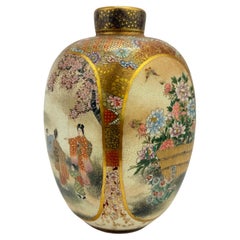
Antique 18th Century Japanese Edo Ceramics
Ceramic
Recent Sales
Antique Late 19th Century Japanese Meiji Ceramics
Earthenware
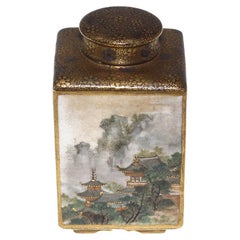
Early 20th Century Japonisme Ceramics
Porcelain
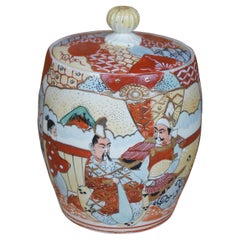
Antique Late 19th Century Japanese Meiji Ceramics
Ceramic, Porcelain
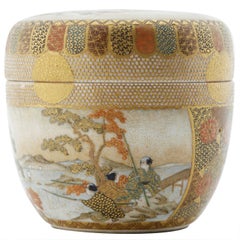
People Also Browsed
Early 20th Century Japanese Meiji Tobacco Accessories
Gold Plate, Brass
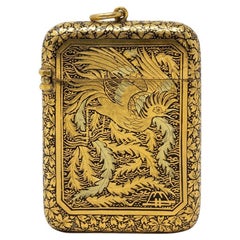
21st Century and Contemporary British Models and Miniatures
Aluminum

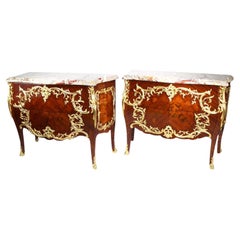
Antique Early 1900s French Louis XV Commodes and Chests of Drawers
Bronze, Ormolu
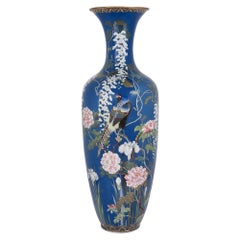
Antique Late 19th Century Japanese Meiji Vases
Enamel
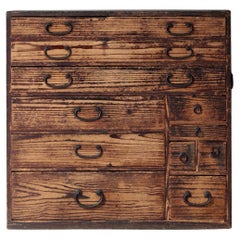
Antique 1870s Japanese Meiji Cabinets
Iron
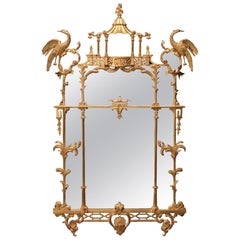
2010s English Chippendale Mantel Mirrors and Fireplace Mirrors
Gold Leaf
Vintage 1950s Japanese Japonisme Tea Sets
Porcelain
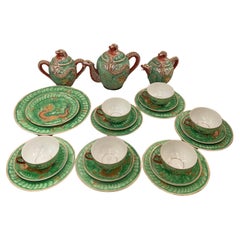
Antique 1880s Japanese Meiji Ceramics
Ceramic
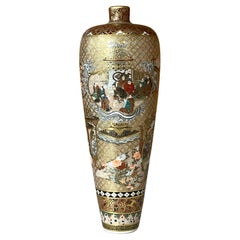
Vintage 1910s Japanese Japonisme Decorative Art
Canvas, Silk
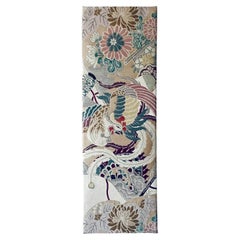
20th Century Japanese Ceramics
Porcelain
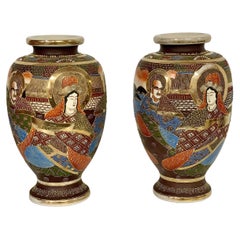
Vintage 1930s Japanese Ceramics
Ceramic, Earthenware, Pottery
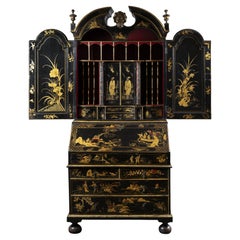
Antique 18th Century English Chinoiserie Cabinets
Wood
Antique 15th Century and Earlier Korean Archaistic Ceramics
Ceramic

Vintage 1970s Japanese Japonisme Decorative Art
Canvas, Silk
Late 20th Century American Beds and Bed Frames
Metal
Antique 19th Century Japanese Textiles
Silk
Finding the Right Ceramics for You
With their rich and diverse history, antique, new and vintage Asian ceramics offer colorful and sophisticated ways to add flair to any space.
Japanese pottery dates back at least 13,000 years to the Jōmon period. Pieces from the Late Jōmon era display a rope-cord pattern encircling a pot or jug. During the Muromachi period, potters created simple bowls and utensils frequently used in tea ceremonies and were made as both functional and aesthetic objects.
Ceramics made during Japan’s Meiji period, from 1868 to 1912, reflected an explosion of artistic expression propelled by new access to international trade. Details became more intricate and refined, and colors were enhanced with new glazing practices.
Chinese porcelain, meanwhile, is often identified by its shape. Each reign and dynasty had specific shapes and styles that were encouraged by the imperial ruler. During the Song dynasty, for instance, there were four dominant types of ceramic vase shapes: plum-shaped, pear-shaped, cong-shaped (tall and square) and double-gourd.
Chinese ceramics that were made during the Qing dynasty were demonstrative of an expanded artistic expression, with more delicate shapes and a focus on intricate detailing. The shapes of ceramics from this era are thinner, taller and have subtle features like a gentle flare, such as on the mallet-shaped vase.
Later, the 17th- and 18th-century interior design trend of chinoiserie brought Asian paintings and screens, textiles and other art and furniture from the continent into many European homes.
Explore an extensive range of antique, new and vintage Asian ceramics on 1stDibs to find the perfect piece for your home.
Read More
Symbols of Happiness and Rebirth Adorn This Japanese Satsuma Bowl
Decorated with white cranes and the sought-after thousand-butterflies motif, the Meiji-period vessel offers both a celebration of traditional aesthetics and a clear reflection of the era’s appetite for exquisite export pieces.
Chicago’s Pagoda Red Has a Spirited Mix of Asian Antiques and Bold New Art
For 25 years, gallerist Betsy Nathan has leveraged her keen eye and key connections to bring a unique selection of rare finds to the market.
In L.A., Gallerist JF Chen Has Long Championed Eclectic Blue-Chip Design
Now working alongside his daughter Bianca, dealer Joel Chen has presented a most covetable array of antiques, art and contemporary creations for more than 40 years.
12 Calming Spaces Inspired by Japanese Design
From cherry-blossom-adorned walls paired with glamorous lighting to wood-paneled ceilings above checkerboard-patterned chairs, these 12 spaces seamlessly blend Eastern and Western aesthetics.
Rodrigo Rivero Lake’s Mexico City Showroom Is a Museum-Worthy Trove of Spanish Colonial and Asian Antiques
The dealer and curator has spent the past 50 years amassing a collection of exceptional art, furniture and architectural elements that trace the cultural influence of the Spanish empire from Europe to the Americas and beyond.
16 Refined Asian-Inspired Interiors
These spaces exemplify how Eastern elements elevate a home's decor.