Scottish Antique Jewelry
1880s British Victorian Scottish Antique Jewelry
Agate, 9k Gold, Yellow Gold
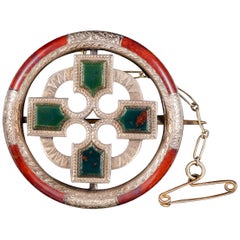

1860s British Victorian Scottish Antique Jewelry
Agate, Sterling Silver
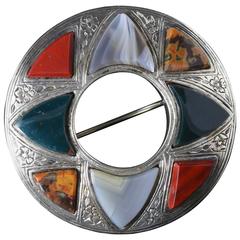
1860s British Victorian Scottish Antique Jewelry
Agate, Silver
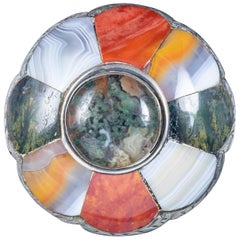
1860s British Victorian Scottish Antique Jewelry
Agate, Silver
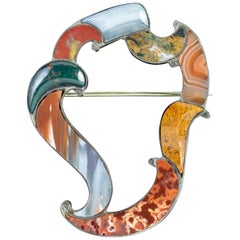
1860s Unknown Victorian Scottish Antique Jewelry
Agate, Silver
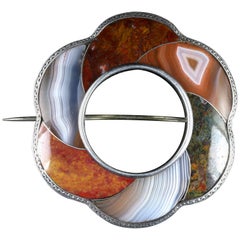
1860s British Victorian Scottish Antique Jewelry
Silver
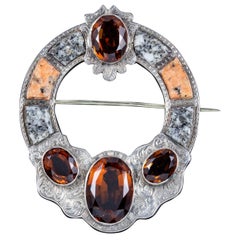
1860s British Victorian Scottish Antique Jewelry
Agate, Silver
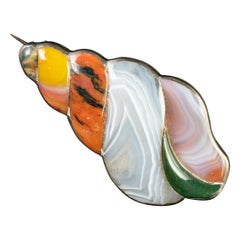
1860s British Victorian Scottish Antique Jewelry
Agate, Sterling Silver
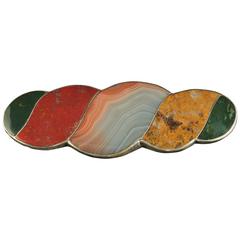
1880s Unknown Victorian Scottish Antique Jewelry
Agate, Silver
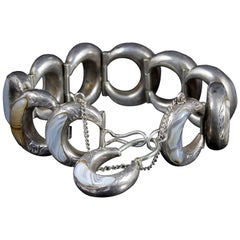
1860s British Victorian Scottish Antique Jewelry
Silver
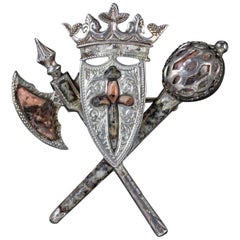
1860s British Victorian Scottish Antique Jewelry
Agate, 18k Gold
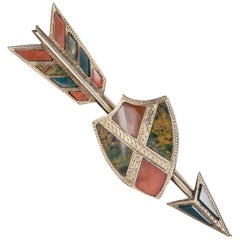
1860s British Victorian Scottish Antique Jewelry
Agate, Silver
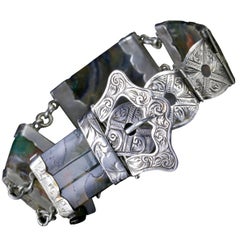
Early 1900s British Victorian Scottish Antique Jewelry
Agate, Base Metal
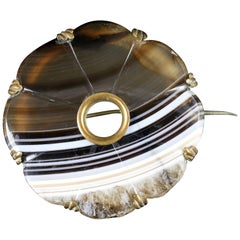
1860s British Victorian Scottish Antique Jewelry
Agate, Silver
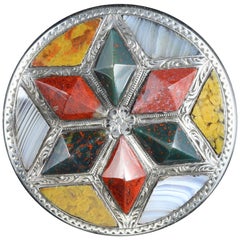
1860s British Victorian Scottish Antique Jewelry
Agate, Sterling Silver
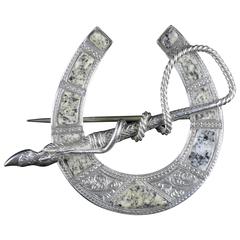
1860s British Victorian Scottish Antique Jewelry
Agate, Silver
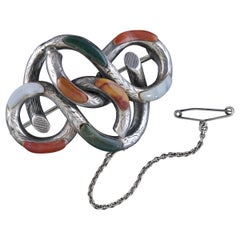
Early 1900s British Victorian Scottish Antique Jewelry
Agate, Silver
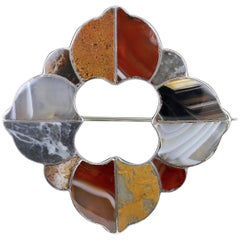
1860s British Victorian Scottish Antique Jewelry
Agate, Silver
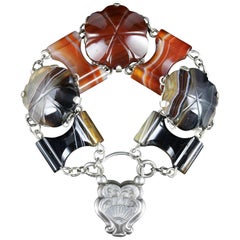
1860s Unknown Victorian Scottish Antique Jewelry
Agate, 9k Gold
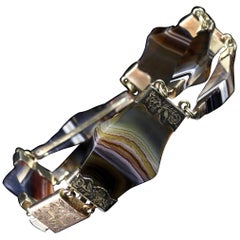
1880s British Victorian Scottish Antique Jewelry
Sterling Silver
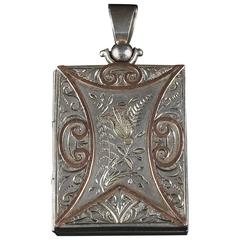
1860s British Victorian Scottish Antique Jewelry
Agate, Silver
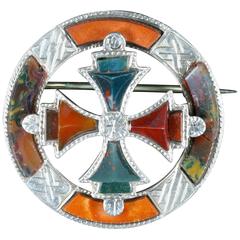
1860s British Victorian Scottish Antique Jewelry
Agate, Sterling Silver
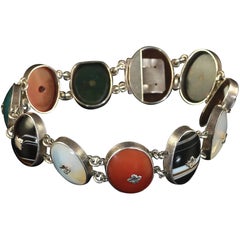
1860s British Victorian Scottish Antique Jewelry
Silver Plate
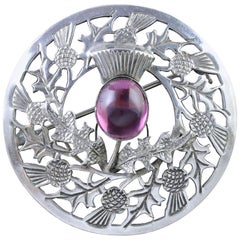
Early 1900s British Victorian Scottish Antique Jewelry
Sterling Silver
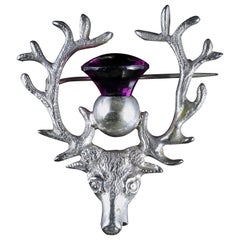
1860s British Victorian Scottish Antique Jewelry
Sterling Silver
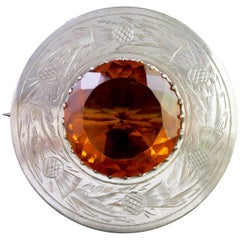
18th Century British Victorian Scottish Antique Jewelry
Citrine, Sterling Silver
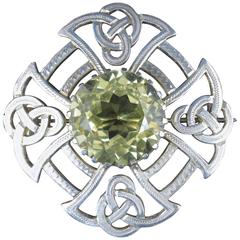
1860s Unknown Victorian Scottish Antique Jewelry
Agate, Amethyst, Silver
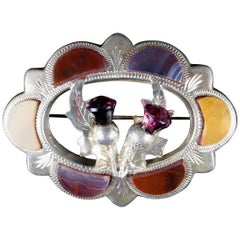
1890s British Victorian Scottish Antique Jewelry
Citrine, Sterling Silver
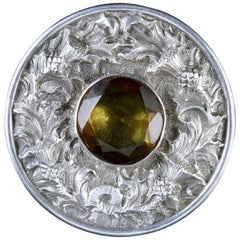
1860s British Victorian Scottish Antique Jewelry
Sterling Silver
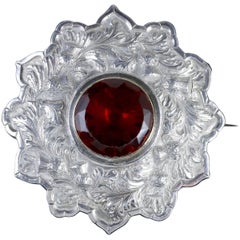
1860s British Victorian Scottish Antique Jewelry
Agate, Sterling Silver
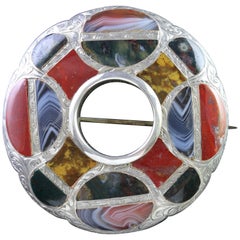
1860s Unknown Victorian Scottish Antique Jewelry
Silver
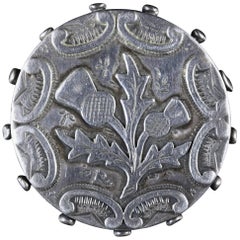
1860s British Victorian Scottish Antique Jewelry
Agate, Citrine, Silver
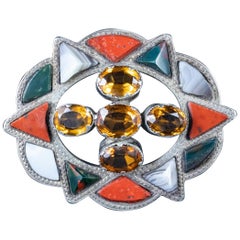
1860s British Victorian Scottish Antique Jewelry
Citrine, Sterling Silver
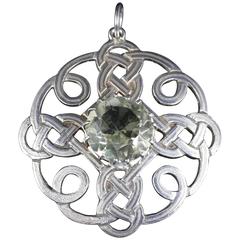
1880s British Victorian Scottish Antique Jewelry
Quartz, 9k Gold, Yellow Gold
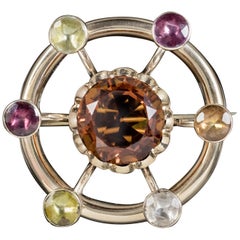
1860s British Victorian Scottish Antique Jewelry
Sterling Silver
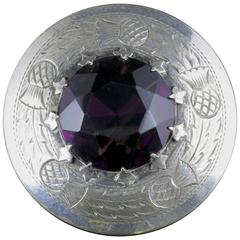
1860s British Victorian Scottish Antique Jewelry
Agate, Silver
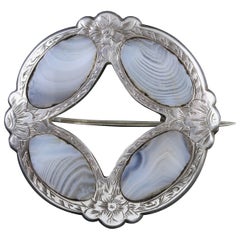
1880s British Victorian Scottish Antique Jewelry
Agate, Sterling Silver
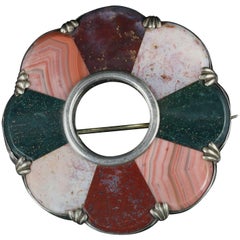
1860s British Victorian Scottish Antique Jewelry
Agate, Sterling Silver
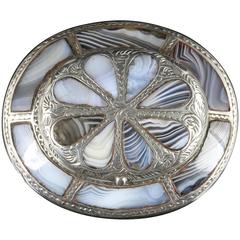
Mid-19th Century British Victorian Scottish Antique Jewelry
Agate, Sterling Silver
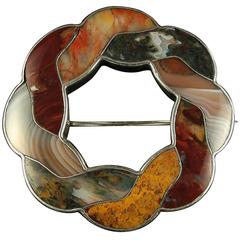
Early 1900s British Victorian Scottish Antique Jewelry
Sterling Silver, Enamel
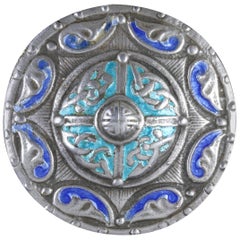
Early 1900s Unknown Victorian Scottish Antique Jewelry
Agate, Silver
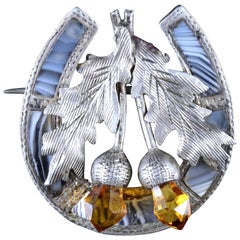
1860s British Victorian Scottish Antique Jewelry
Citrine, Sterling Silver
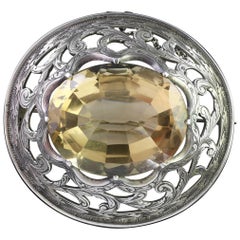
1860s British Victorian Scottish Antique Jewelry
Agate, Silver
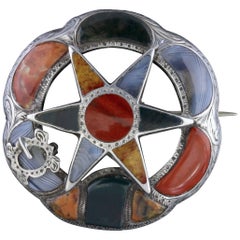
1870s British Victorian Scottish Antique Jewelry
Agate, Quartz, Silver

Early 1900s British Victorian Scottish Antique Jewelry
Malachite, Silver
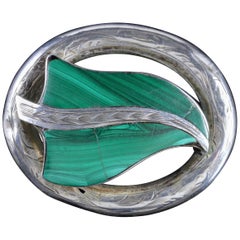
1860s British Victorian Scottish Antique Jewelry
Agate, Silver
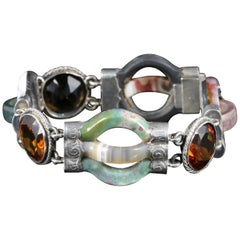
1870s British Victorian Scottish Antique Jewelry
Agate, Sterling Silver
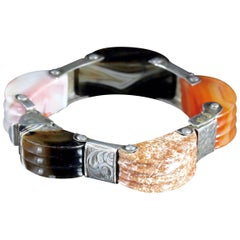
1860s Unknown Victorian Scottish Antique Jewelry
Agate, Sterling Silver
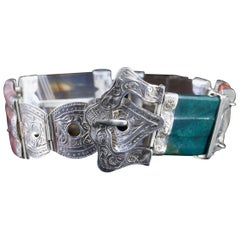
Early 1900s Unknown Victorian Scottish Antique Jewelry
Silver
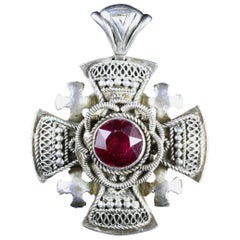
1860s British Victorian Scottish Antique Jewelry
Agate, Silver
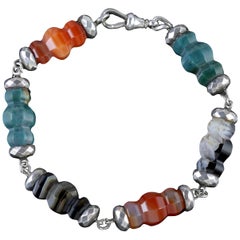
1880s British Victorian Scottish Antique Jewelry
Quartz, 18k Gold, Yellow Gold, Sterling Silver
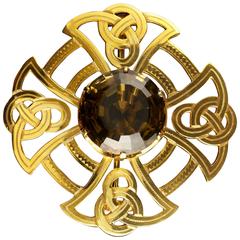
1870s British Victorian Scottish Antique Jewelry
Agate, Carnelian, Sterling Silver
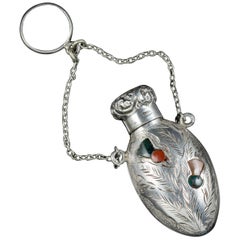
1880s British Victorian Scottish Antique Jewelry
Silver
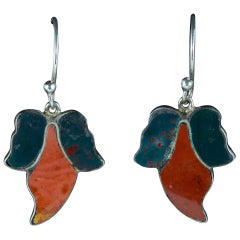
1860s British Victorian Scottish Antique Jewelry
Agate, Silver
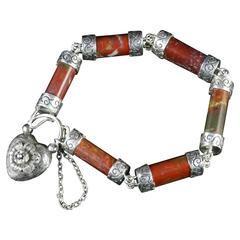
1860s British Victorian Scottish Antique Jewelry
Agate, Sterling Silver
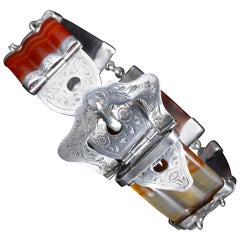
1860s British Victorian Scottish Antique Jewelry
Agate, Silver
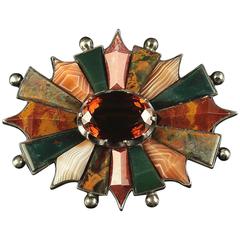
Early 1900s British Victorian Scottish Antique Jewelry
Citrine, 18k Gold, Yellow Gold
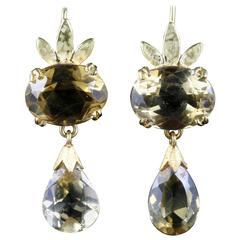
- 1
- ...
Scottish Antique Jewelry For Sale on 1stDibs
How Much is a Scottish Antique Jewelry?
A Close Look at Victorian Jewelry
The reign of Queen Victoria encapsulates a quickly evolving period of history — and jewelry styles were no exception. No single period has seen such a diverse group of jewelry attributed to it than the Victorian era. Today, there is a vast collection of authentic antique Victorian jewelry and watches on 1stDibs.
Victorian jewelry is named after Queen Victoria, whose reign lasted from 1837 to 1901, making her the second longest-ruling monarch. (She was surpassed by Queen Elizabeth II in 2015.) During this time, different styles of fashion and jewelry came and went. Thanks to our fascination with royalty and swoon-worthy melodramas like Netflix’s The Crown — which is rife with evocative fashion, jewelry and interiors — and the 2017 feature film Victoria Abdul, we are all familiar with her story. After the death of Victoria’s father and three childless uncles, she ascended to the throne at age 18. In 1840, Queen Victoria married the love of her life, her first cousin Prince Albert of Saxe-Coburg and Gotha.
Queen Victoria loved serpentine jewels, and she had even more power to shape trends than Kate Middleton and Meghan Markle do today. The British monarch’s best-known piece in this mold is the gold coiled-snake engagement ring she received from Prince Albert — the sinuous reptile was considered a symbol of everlasting love.
The Queen's 63-year reign has been divided by historians into the Romantic period, the early happy years, circa 1837–60; the Grand period, marked by the deaths of the Queen’s mother and husband, circa 1860–80; and the late Victorian or Aesthetic period, which lasted from about 1880 until 1901 and ushered in the Belle Époque. Queen Victoria wore her heart on her sleeve, and her fashion and jewelry reflected her emotions.
Romantic period jewelry, which featured common decorative motifs and was embellished with seed pearls, coral and turquoise, was a celebration of the young monarch’s love. Everything changed with the death of Prince Albert, and the Grand period is most often associated with mourning jewelry. Jewelry was smaller, lighter and more dainty during the late Victorian period. During this era, diamonds came into fashion, and semiprecious gems such as amethysts and opals became prevalent, too. Using gemstones for their natural beauty and not their worth was something that jewelers of the era felt passionate about, and this ideology would really become relevant in Art Nouveau jewelry.
Find a collection of authentic antique Victorian jewelry — from rings, necklaces and brooches to a range of other accessories — on 1stDibs.
- What is Scottish pebble jewelry?1 Answer1stDibs ExpertApril 5, 2022Scottish pebble jewelry refers to accessories set with semiprecious stones found in Scotland. Depending on the piece, the earrings, watches, pendants, rings and other jewelry may feature agate, granite, cairngorm and other stones. Most have sterling silver settings. On 1stDibs, shop a variety of Scottish pebble jewelry.
- 1stDibs ExpertNovember 4, 2024To identify antique jewelry, first try to locate any maker's markings. These may be found in a variety of inconspicuous locations, such as the insides of rings, the clasps of bracelets and chains and the backs of clip-on earrings, pendants and brooches. You can find trustworthy online reference guides that make searching for makers using their hallmarks easy. Once you have determined who produced your jewelry, learn about the creator and estimate approximately when they made your item. If your jewelry is at least 100 years old, it is antique. Alternatively, a certified appraiser or knowledgeable antique dealer can assist in dating your jewelry. Find a wide range of antique jewelry on 1stDibs.
- 1stDibs ExpertApril 26, 2024To tell if jewelry is antique, look for its hallmarks. You will usually find them in inconspicuous areas, such as on clasps, the backs of pendants or the insides of bracelets and rings. Once you have located the hallmarks, use trusted online resources to identify the maker and find out when they were active. Pieces produced more than 100 years ago are antique. If you need assistance dating a particular piece, enlist the services of a certified appraiser or knowledgeable antiques dealer. Find a large collection of antique jewelry on 1stDibs.
- What is antique paste jewelry?1 Answer1stDibs ExpertOctober 12, 2021Paste jewelry is made out of a special type of flint glass that emulates several gemstones. Paste is a hand-cut glass that is polished with metal powder until it gleams like a gem. Paste jewelry was popular as a cheaper alternative to diamonds during the Georgian, Victorian, and Edwardian eras, as well as the Art Deco period. On 1stDibs, find a variety of antique and vintage paste jewelry.
- 1stDibs ExpertNovember 6, 2023Jewelry is considered antique once it is 100 years old. Pieces that are 20 to 99 years old are vintage. Contemporary is the term used to describe jewelry that is less than 20 years old. Explore a large selection of antique, vintage and contemporary jewelry from some of the world's top dealers on 1stDibs.
- 1stDibs ExpertDecember 4, 2023To tell if antique jewelry is real, first look for hallmarks that may signify the maker. You can then use trusted online resources to find out what to look for to verify authenticity. If the jewelry doesn't have hallmarks, you may wish to consult a certified appraiser or licensed dealer. An expert can evaluate your jewelry, tell you whether it is a genuine antique and provide information about its materials and approximate value. Explore a large selection of antique jewelry on 1stDibs.
- 1stDibs ExpertMay 5, 2023To know if your antique jewelry is valuable, you can consult trusted online resources to see what similar pieces have sold for in the past. It is important to note that the condition of your specific piece will have a major effect on how much it is worth. Jewelry of a certain historical period will be worth more to collectors than accessories from other less noteworthy eras, and whether or not a given accessory is set with a precious gemstone may affect its value as well. You may wish to have the jewelry evaluated by a certified appraiser who can examine the piece and give you a price estimate. Master jewelry designers and luxury houses of the 19th and 20th centuries include Cartier, Tiffany Co., Van Cleef Arpels, BVLGARI and others. Shop a collection of jewelry from some of the world’s top sellers on 1stDibs.
- 1stDibs ExpertDecember 12, 2023To tell if jewelry is vintage or antique, first look for any hallmarks that signify its maker. You can use trusted online resources to research when the maker was active and producing pieces similar to yours to roughly estimate its age. Jewelry is vintage if it's between 20 and 99 years old, and antique if it is 100 years old or more. If you're unable to locate a maker's hallmark, becoming familiar with the materials and other characteristics used during different eras of jewelry can help you date your piece. When in doubt, enlist the help of a certified appraiser or knowledgeable dealer. On 1stDibs, explore a large collection of vintage and antique jewelry.
- 1stDibs ExpertMay 5, 2023Yes, some antique jewelry does go up in value. It is important to note that demand as well as the condition of your specific piece will have a major effect on how much it is worth. A certain historical period’s jewelry may be worth more to collectors than accessories from other less noteworthy eras, and whether or not a given accessory is set with precious gems may affect its value as well. You may wish to have the jewelry evaluated by a certified appraiser who can examine the piece and estimate its value. Master jewelry designers and luxury houses of the 19th and 20th centuries include Cartier, Tiffany Co., Van Cleef Arpels, BVLGARI and others. On 1stDibs, shop a large collection of jewelry from some of the world’s top sellers.
- 1stDibs ExpertApril 5, 2022To tell if jewelry is antique gold, take it to a licensed appraiser experienced in evaluating jewelry. It is difficult to identify jewelry materials using only the naked eye and online resources. On 1stDibs, shop a collection of expertly vetted gold jewelry.
- Is antique jewelry worth money?1 Answer1stDibs ExpertSeptember 9, 2024Yes, some antique jewelry is worth money. Precious metals and gemstones like platinum, gold, silver, diamonds and emeralds have value on their own. Even costume jewelry made of less expensive materials may prove valuable due to its style or maker. Because the condition also impacts the potential value of antique pieces, you may wish to have your jewelry evaluated by a certified appraiser or knowledgeable antique dealer. On 1stDibs, find a wide range of antique jewelry.
- 1stDibs ExpertApril 5, 2022In antique jewelry, the term “paste” means glass finished in a way that allows it to resemble natural gemstones. To produce paste, artisans polish it for long periods of time with metal powder. On 1stDibs, find a selection of antique paste jewelry.
- 1stDibs ExpertAugust 29, 2024To tell if antique jewelry is real gold, you can first perform a simple home test. Position a magnet near the jewelry. Since gold isn't naturally magnetic, the attraction between the magnet and your piece usually indicates that your jewelry is, at most, gold-plated or crafted out of an entirely different metal. A certified appraiser or knowledgeable jeweler can also help you determine what your antique jewelry is made of. Shop a diverse assortment of antique gold jewelry on 1stDibs.
Read More
This Victorian Necklace Features a Rainbow of Gems
If jewelry could talk, we know this piece would have good stories.
Inside the Mansions of HBO’s ‘Gilded Age’ with Set Decorator Regina Graves
Graves filled scores of opulent rooms with furniture and treasures to tell the story of how new money remade New York society.
Our Guide to Victorian, Edwardian and Art Deco Engagement Rings
Learn about these antique jewelry styles, then choose a design that speaks to you.
Why Victorian Snake Jewelry Is Anything but Scary
Representing everlasting love, serpentine often appear on fashionable gems from the era on Queen Victoria.
The Original American Silver-Making Company Is Back in the Spotlight
A new show at the Rhode Island School of Design Museum, in Providence, reveals why the various and sundry creations of the Gorham Manufacturing Company still shine.
See How New York City Designers Experiment on Their Own Homes
There are many lessons to be learned from the lofts, apartments and townhouses of architects and decorators in Manhattan and beyond.
Canadian Designer Philip Mitchell Masterfully Balances Tradition and Glamour
Enriching rooms with layers of visual interest is key to the New York– and Toronto-based decorator’s signature style.
How to Buy a Vintage or Antique Engagement Ring
Will your beloved be enchanted by an Edwardian ring or a trendy Art Deco piece? We clue you into period styles and tips for finding the perfect ring.