Small Victorian Chair
Antique Mid-19th Century European Victorian Chairs
Oak
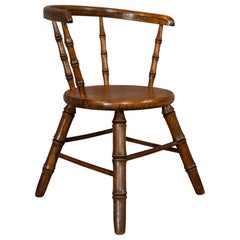

Mid-20th Century Unknown Victorian Rocking Chairs
Fabric, Cherry
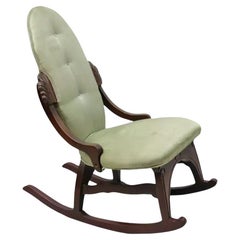
Antique 19th Century Victorian Side Chairs
Walnut
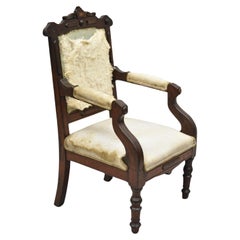
Antique 1860s English High Victorian Side Chairs
Hardwood
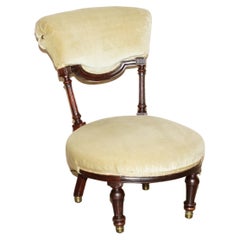
Antique Late 19th Century Unknown Victorian Side Chairs
Rosewood
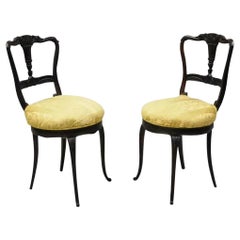
Early 20th Century Unknown Victorian Side Chairs
Mahogany
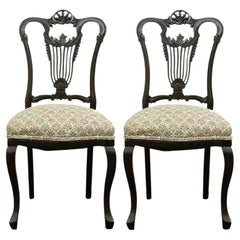
Antique 1830s British Victorian Side Chairs
Pine
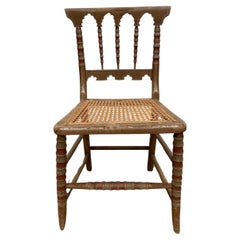
20th Century English Victorian Rocking Chairs
Rattan
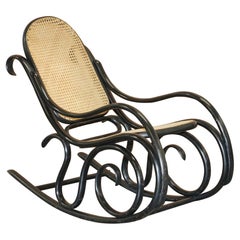
Antique 19th Century British High Victorian Armchairs
Brass
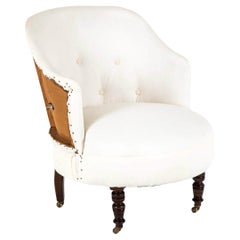
Antique 19th Century Victorian Children s Furniture
Walnut
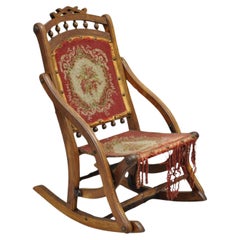
Antique Early 1900s Victorian Children s Furniture
Tapestry, Maple
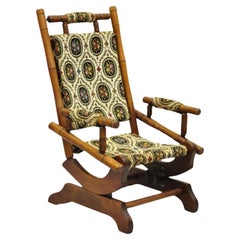
Antique 19th Century Victorian Children s Furniture
Oak
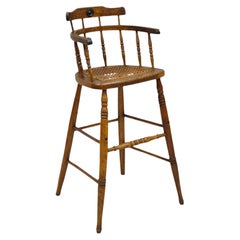
Antique 19th Century Victorian Children s Furniture
Iron
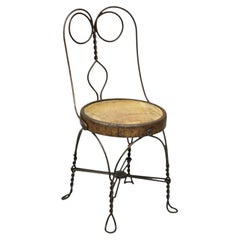
Late 20th Century Victorian Patio and Garden Furniture
Aluminum
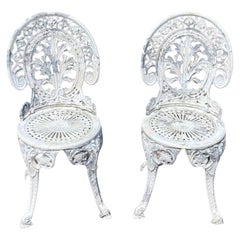
Recent Sales
Antique 1880s British Late Victorian Side Chairs
Mahogany
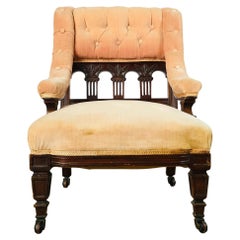
Antique 19th Century Chairs
Oak
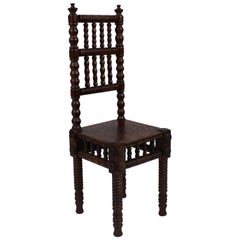
Antique 19th Century English Armchairs
Mahogany, Cowhide, Hide
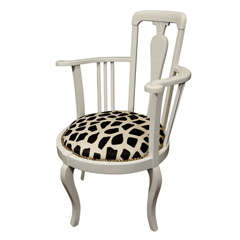
Antique 19th Century Victorian Rocking Chairs
Walnut
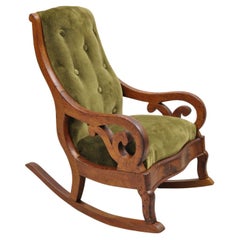
Antique Mid-19th Century British Chairs
Ash, Elm
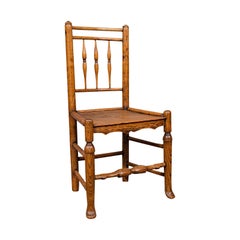
Early 20th Century Victorian Side Chairs
Iron
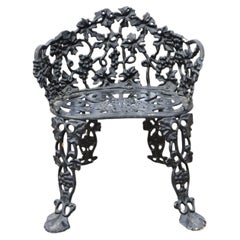
Antique 19th Century Italian Victorian Side Chairs
Wood
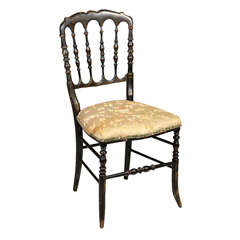
Antique 19th Century British Victorian Club Chairs
Leather, Walnut
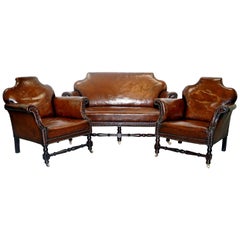
Late 20th Century Victorian Side Chairs
Aluminum
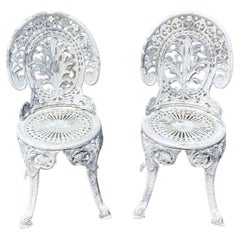
Antique Late 19th Century French Victorian Dining Room Chairs
Walnut
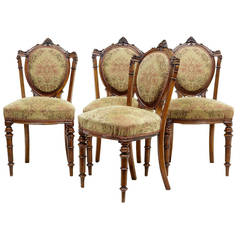
Antique 19th Century Italian Victorian Side Chairs
Maple, Rush
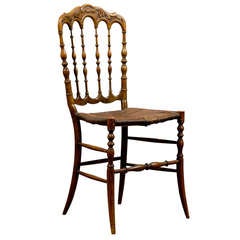
Antique 1840s English Early Victorian Sofas
Upholstery, Walnut
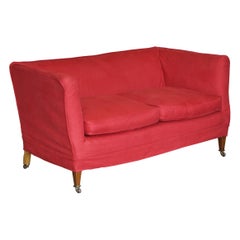
Antique 19th Century British Victorian Armchairs
Walnut
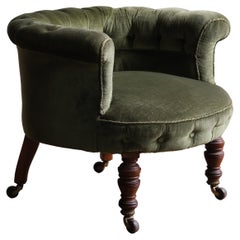
Antique 19th Century Arts and Crafts Children s Furniture
Cord, Rope, Oak
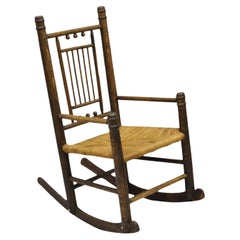
Antique 19th Century Chinese Victorian Chairs
Giltwood
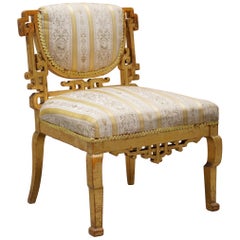
Antique Late 19th Century Austrian Art Nouveau Rocking Chairs
Fabric, Paint, Beech
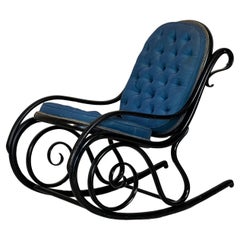
Antique Early 1900s English Late Victorian Office Chairs and Desk Chairs
Leather
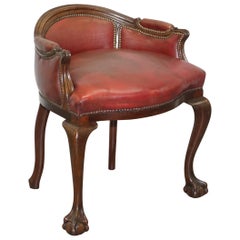
Antique 1860s European Victorian Chairs
Walnut
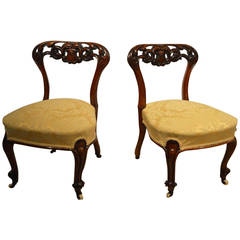
Antique 19th Century French Chairs
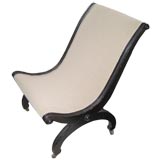
Antique Early 1900s English Victorian Chairs
Mahogany
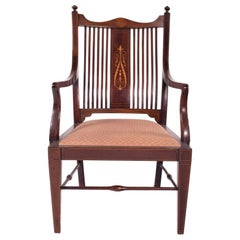
Antique 1890s British Victorian Lounge Chairs
Brass
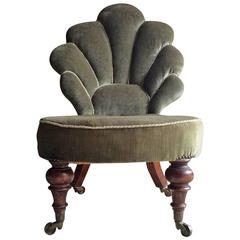
Antique 19th Century British Victorian Side Chairs
Walnut
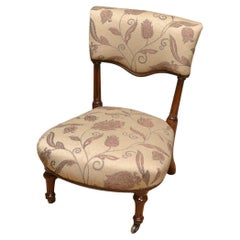
Antique 19th Century American Desks
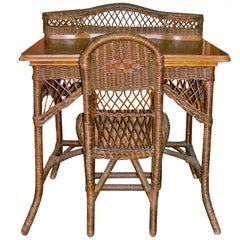
20th Century Victorian Chairs
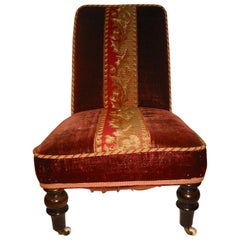
Velvet
People Also Browsed
Mid-20th Century French Industrial Wall Lights and Sconces
Brass
2010s American Table Lamps
Brass
21st Century and Contemporary Chinese Industrial Flush Mount
Concrete
2010s American Flush Mount
Brass
Antique Early 19th Century English Victorian Loveseats
Velvet, Hardwood

Vintage 1940s Danish Scandinavian Modern Sofas
Fabric, Wood
2010s American Mid-Century Modern Wall Lights and Sconces
Brass, Bronze, Enamel, Nickel
21st Century and Contemporary Italian Mid-Century Modern Wall Lights and...
Brass, Metal
2010s Turkish Modern Beds and Bed Frames
Leather, Walnut
21st Century and Contemporary American Scandinavian Modern Wall Lights a...
Brass, Nickel
Vintage 1970s American Brutalist Coffee and Cocktail Tables
Iron
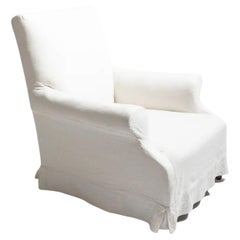
Antique 19th Century Victorian Armchairs
Walnut
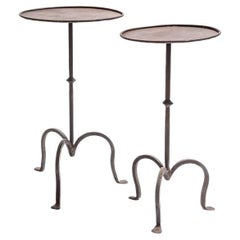
21st Century and Contemporary English Folk Art Side Tables
Iron
Vintage 1930s Bauhaus Shelves
Steel, Chrome

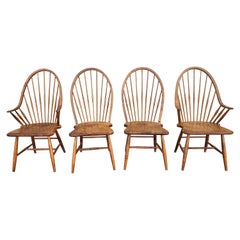
Late 20th Century Slovenian Arts and Crafts Windsor Chairs
Maple
Vintage 1950s Italian Hollywood Regency Console Tables
Marble, Brass

Small Victorian Chair For Sale on 1stDibs
How Much is a Small Victorian Chair?
Finding the Right Seating for You
With entire areas of our homes reserved for “sitting rooms,” the value of quality antique and vintage seating cannot be overstated.
Fortunately, the design of side chairs, armchairs and other lounge furniture — since what were, quite literally, the early perches of our ancestors — has evolved considerably.
Among the earliest standard seating furniture were stools. Egyptian stools, for example, designed for one person with no seat back, were x-shaped and typically folded to be tucked away. These rudimentary chairs informed the design of Greek and Roman stools, all of which were a long way from Sori Yanagi's Butterfly stool or Alvar Aalto's Stool 60. In the 18th century and earlier, seats with backs and armrests were largely reserved for high nobility.
The seating of today is more inclusive but the style and placement of chairs can still make a statement. Antique desk chairs and armchairs designed in the style of Louis XV, which eventually included painted furniture and were often made of rare woods, feature prominently curved legs as well as Chinese themes and varied ornaments. Much like the thrones of fairy tales and the regency, elegant lounges crafted in the Louis XV style convey wealth and prestige. In the kitchen, the dining chair placed at the head of the table is typically reserved for the head of the household or a revered guest.
Of course, with luxurious vintage or antique furnishings, every chair can seem like the best seat in the house. Whether your preference is stretching out on a plush sofa, such as the Serpentine, designed by Vladimir Kagan, or cozying up in a vintage wingback chair, there is likely to be a comfy classic or contemporary gem for you on 1stDibs.
With respect to the latest obsessions in design, cane seating has been cropping up everywhere, from sleek armchairs to lounge chairs, while bouclé fabric, a staple of modern furniture design, can be seen in mid-century modern, Scandinavian modern and Hollywood Regency furniture styles.
Admirers of the sophisticated craftsmanship and dark woods frequently associated with mid-century modern seating can find timeless furnishings in our expansive collection of lounge chairs, dining chairs and other items — whether they’re vintage editions or alluring official reproductions of iconic designs from the likes of Hans Wegner or from Charles and Ray Eames. Shop our inventory of Egg chairs, designed in 1958 by Arne Jacobsen, the Florence Knoll lounge chair and more.
No matter your style, the collection of unique chairs, sofas and other seating on 1stDibs is surely worthy of a standing ovation.
- 1stDibs ExpertApril 5, 2022A Victorian slipper chair is a chair that was made to be shorter than the average chair. The height of its seat was 15 inches from the floor, compared to the standard 17 to 18 inches. Shop a collection of Victorian slipper chairs from some of the world’s top sellers on 1stDibs.
- 1stDibs ExpertNovember 4, 2024To identify a Victorian chair, focus on the frame rather than the upholstery, which might have been replaced over the years. Look under the seat and on the legs for maker's marks. If you find any, conduct online research to determine if the manufacturer was active and producing chairs similar to yours during the Victorian era, which lasted from the 1830s through the turn of the 20th century. Some chairmakers who were active at the time include Chesterfield, Charles Hindley Sons, Heywood-Wakefield Co., Howard Sons and Jacob and Josef Kohn. Should you be unable to locate any markings, you can examine the characteristics of your chair to determine if it reflects the Victorian style. Easily recognizable, Victorian furniture is regal, ornate and luxurious. It often features curved lines, stately proportions and highly detailed geometric and floral embellishments. A certified appraiser or experienced antique dealer can also aid you in the identification process. On 1stDibs, explore a diverse assortment of Victorian chairs.
- 1stDibs ExpertNovember 6, 2023Small chairs are often called slipper chairs. The first examples date back to the Victorian era, when they often appeared in women's dressing areas. Their low height made it easy for women wearing the bulky corsets and petticoats of the time to sit down so that someone could help them get their slippers or shoes on. Even though people primarily use these chairs in sitting areas today, the name has stuck. Explore an assortment of slipper chairs on 1stDibs.
- 1stDibs ExpertDecember 12, 2023What a Victorian lounge chair is called depends on its style. A piece that is long and narrow and has a raised headrest on one end and a lower backrest on the other is a fainting couch. Upholstered chairs that have long, extended seats meant for reclining are chaise longues. Find a collection of lounge chairs on 1stDibs.
Read More
See How New York City Designers Experiment on Their Own Homes
There are many lessons to be learned from the lofts, apartments and townhouses of architects and decorators in Manhattan and beyond.
Canadian Designer Philip Mitchell Masterfully Balances Tradition and Glamour
Enriching rooms with layers of visual interest is key to the New York– and Toronto-based decorator’s signature style.