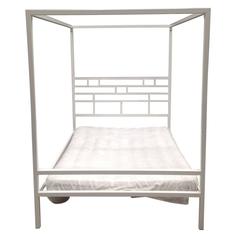
Spanish Canopy Bed
2010s Spanish Modern Beds and Bed Frames
Iron
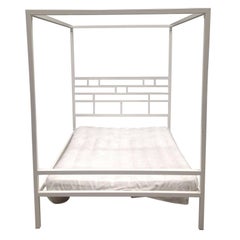
2010s Spanish Modern Beds and Bed Frames
Iron

People Also Browsed
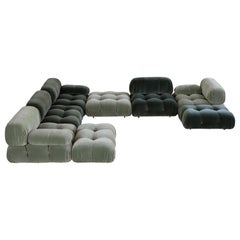
Vintage 1970s Italian Mid-Century Modern Sectional Sofas
Plastic, Velvet
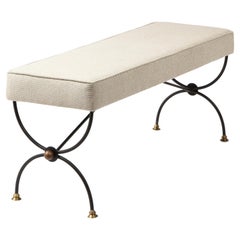
Mid-20th Century French Neoclassical Benches
Bronze, Wrought Iron
Vintage 1920s French Commodes and Chests of Drawers
Metal
21st Century and Contemporary Italian Modern Sideboards
Steel
2010s South African Minimalist Pedestals
Oak, Walnut
Vintage 1980s French Bohemian Wall Lights and Sconces
Bamboo, Seagrass
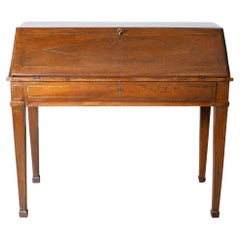
Antique 18th Century Italian Louis XVI Desks and Writing Tables
Brass
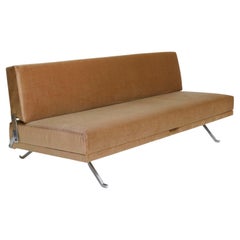
Vintage 1960s Austrian Mid-Century Modern Sofas
Metal
Late 20th Century French Aubusson Tapestries
Wool, Cotton, Acrylic

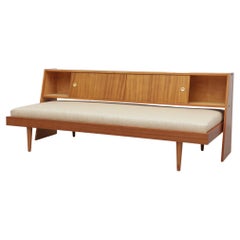
Vintage 1960s Dutch Mid-Century Modern Daybeds
Teak, Upholstery
Vintage 1970s Italian Modern Wall Mirrors
Glass, Mirror

2010s French Modern Wall Lights and Sconces
Enamel
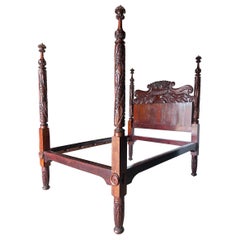
Antique Mid-19th Century Beds and Bed Frames
Mahogany
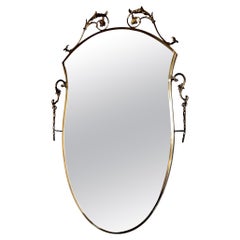
Vintage 1940s Italian Neoclassical Wall Mirrors
Brass
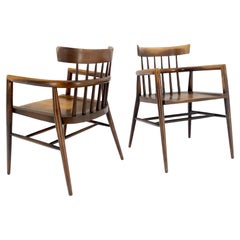
20th Century American Mid-Century Modern Armchairs
Birch
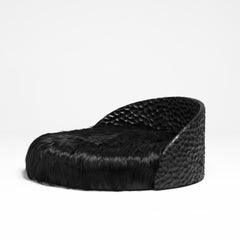
2010s Organic Modern Beds and Bed Frames
Teak, Sheepskin
A Close Look at Modern Furniture
The late 19th and early 20th centuries saw sweeping social change and major scientific advances — both of which contributed to a new aesthetic: modernism. Rejecting the rigidity of Victorian artistic conventions, modernists sought a new means of expression. References to the natural world and ornate classical embellishments gave way to the sleek simplicity of the Machine Age. Architect Philip Johnson characterized the hallmarks of modernism as “machine-like simplicity, smoothness or surface [and] avoidance of ornament.”
Early practitioners of modernist design include the De Stijl (“The Style”) group, founded in the Netherlands in 1917, and the Bauhaus School, founded two years later in Germany.
Followers of both groups produced sleek, spare designs — many of which became icons of daily life in the 20th century. The modernists rejected both natural and historical references and relied primarily on industrial materials such as metal, glass, plywood, and, later, plastics. While Bauhaus principals Marcel Breuer and Ludwig Mies van der Rohe created furniture from mass-produced, chrome-plated steel, American visionaries like Charles and Ray Eames worked in materials as novel as molded plywood and fiberglass. Today, Breuer’s Wassily chair, Mies van der Rohe’s Barcelona chair — crafted with his romantic partner, designer Lilly Reich — and the Eames lounge chair are emblems of progressive design and vintage originals are prized cornerstones of collections.
It’s difficult to overstate the influence that modernism continues to wield over designers and architects — and equally difficult to overstate how revolutionary it was when it first appeared a century ago. But because modernist furniture designs are so simple, they can blend in seamlessly with just about any type of décor. Don’t overlook them.
Finding the Right Garden-furniture for You
Whether you're sitting around a firepit, playing games or enjoying a meal, outdoor furniture is crucial for a successful social gathering.
We’ve come a long way from the rudimentary patio and garden furniture of yore, which, in the Ancient Roman and Greek eras, meant stone slabs. Back then, your grandiose patch of outdoor greenery was a place to relax and admire the manicured hedges and fruit orchards. Fortunately, advancements in the design of outdoor furniture as well as the burgeoning of artisan landscape designers have made it easier to do so since then.
The need for outdoor chairs, tables and benches to withstand varying weather conditions means that many contemporary offerings prioritize durability over form. For a touch of glamour in your garden, antique and vintage pieces from France or Italy, which have already proven they can stand the test of time, can introduce an elegant sensibility to your outdoor space.
In the late 1940s, Hawaii-based architect Walter Lamb began fashioning outdoor furniture from nautical rope and metal tubing rescued from sunken Pearl Harbor ships. Although his designs were originally intended as gifts for returning GIs, his creations gained such popularity that they were picked up by the then-new Brown Jordan furniture company of California.
Lamb’s adventurous creations inspired many designers who followed. The seating and tables crafted by other mid-century furniture makers noted for their seminal patio and garden works — a list that includes Hendrik Van Keppel and Taylor Green, Russell Woodard and Woodard Furniture, Maurizio Tempestini and Richard Schultz — remain highly sought after by collectors today.
Whether it’s wicker couches for your screened porch or wrought-iron armchairs for fireside drinks, find the antique and vintage patio and garden furniture you need to wind down the day or welcome the morning sun on 1stDibs.
- What are canopy beds for?1 Answer1stDibs ExpertAugust 17, 2021Canopy beds were traditionally used to retain warmth at bedtime and create a sense of privacy within the bed, though now are popular for their luxurious design. Canopy beds usually have four posters and draped fabric over the top and sides.
- 1stDibs ExpertFebruary 22, 2021A canopy over a bed is called a canopy bed. This type of bed is very similar to a 4-poster bed. Decorative fabric is draped upon the upper spaced between the posts.
- 1stDibs ExpertApril 5, 2022The canopy above a bed is called a tester. Antique testers were most often made of wood. Contemporary testers may also be made of metal, or simply draped cloth. There are also half-size testers that cover the upper half of the bed. On 1stDibs, find an array of canopy beds featuring testers.
- 1stDibs ExpertApril 5, 2022To make a canopy for your bed, extend the four posts of your frame using metal or wood. You can then use drapes or fabric to create the canopy. Alternatively, buy your own by shopping a collection of canopy beds from some of the world’s top sellers on 1stDibs.
- Are canopy beds still made?1 Answer1stDibs ExpertApril 5, 2022Yes, canopy beds are still made. A canopy bed features four posts, one at each corner, and affixed to the top of the post is a canopy. The canopy is frequently made of fabric, but it can be made of wood or another solid object and carved to look like fabric. Shop a collection of antique and contemporary canopy beds from some of the world’s top sellers on 1stDibs.
- 1stDibs ExpertApril 5, 2022Canopy beds were initially designed to conserve warmth and to offer privacy. Now, the four-poster frame offers plentiful design opportunities, from classic drapes to dramatic tassels. Shop a collection of canopy beds from some of the world’s top sellers on 1stDibs.
- 1stDibs ExpertApril 5, 2022A four poster bed features four posts, one at each corner. A canopy bed also has four posts, one at each corner, but a canopy bed is covered with a cloth of some sort. They can look similar except for the canopy on top. However, canopy posts are often built differently than four poster beds so they can accommodate the fabric. Shop a collection of four poster and canopy beds from some of the world’s top sellers on 1stDibs.