Stalin Bust
Early 2000s American Modern Busts
Plastic


People Also Browsed
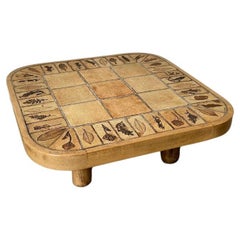
Vintage 1970s French Mid-Century Modern Coffee and Cocktail Tables
Ceramic, Beech
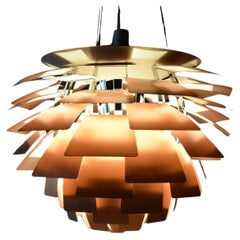
Late 20th Century Danish Mid-Century Modern Chandeliers and Pendants
Metal, Brass, Steel
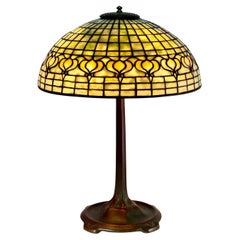
Vintage 1910s American Art Nouveau Table Lamps
Bronze
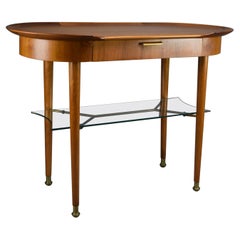
Vintage 1950s Dutch Mid-Century Modern Console Tables
Brass
2010s Italian Mid-Century Modern Chairs
Wood
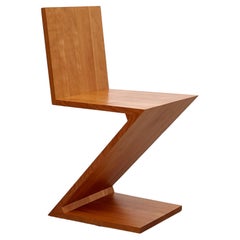
Vintage 1960s Italian Mid-Century Modern Lounge Chairs
Metal
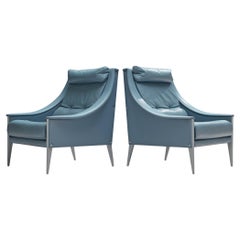
Vintage 1980s French Post-Modern Table Lamps
Metal
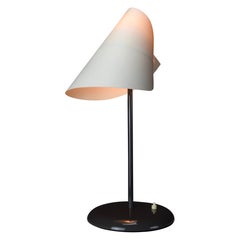
Vintage 1970s French Hollywood Regency Coffee and Cocktail Tables
Aluminum
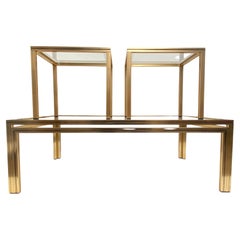
Mid-20th Century Finnish Mid-Century Modern Stools
Pine
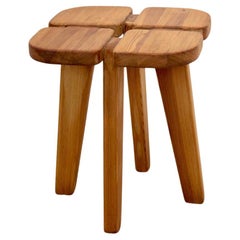
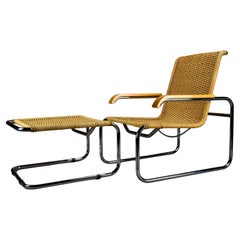
Vintage 1970s German Mid-Century Modern Lounge Chairs
Steel, Chrome
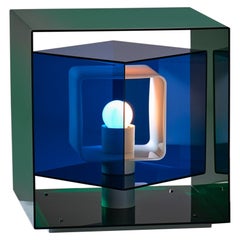
Vintage 1960s Italian Mid-Century Modern Table Lamps
Opaline Glass, Plexiglass
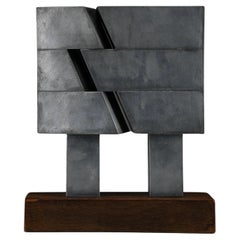
Vintage 1970s Dutch Mid-Century Modern Abstract Sculptures
Zinc
Vintage 1980s French Post-Modern Mobiles and Kinetic Sculptures
Acrylic, Plexiglass
Vintage 1980s Italian Post-Modern Table Lamps
Brass
Early 2000s Italian Modern Abstract Sculptures
Stone, Brass, Steel
Vintage 1960s Italian Mid-Century Modern Table Lamps
Bouclé, Wood

A Close Look at Modern Furniture
The late 19th and early 20th centuries saw sweeping social change and major scientific advances — both of which contributed to a new aesthetic: modernism. Rejecting the rigidity of Victorian artistic conventions, modernists sought a new means of expression. References to the natural world and ornate classical embellishments gave way to the sleek simplicity of the Machine Age. Architect Philip Johnson characterized the hallmarks of modernism as “machine-like simplicity, smoothness or surface [and] avoidance of ornament.”
Early practitioners of modernist design include the De Stijl (“The Style”) group, founded in the Netherlands in 1917, and the Bauhaus School, founded two years later in Germany.
Followers of both groups produced sleek, spare designs — many of which became icons of daily life in the 20th century. The modernists rejected both natural and historical references and relied primarily on industrial materials such as metal, glass, plywood, and, later, plastics. While Bauhaus principals Marcel Breuer and Ludwig Mies van der Rohe created furniture from mass-produced, chrome-plated steel, American visionaries like Charles and Ray Eames worked in materials as novel as molded plywood and fiberglass. Today, Breuer’s Wassily chair, Mies van der Rohe’s Barcelona chair — crafted with his romantic partner, designer Lilly Reich — and the Eames lounge chair are emblems of progressive design and vintage originals are prized cornerstones of collections.
It’s difficult to overstate the influence that modernism continues to wield over designers and architects — and equally difficult to overstate how revolutionary it was when it first appeared a century ago. But because modernist furniture designs are so simple, they can blend in seamlessly with just about any type of décor. Don’t overlook them.
Materials: Plastic Furniture
Arguably the world’s most ubiquitous man-made material, plastic has impacted nearly every industry. In contemporary spaces, new and vintage plastic furniture is quite popular and its use pairs well with a range of design styles.
From the Italian lighting artisans at Fontana Arte to venturesome Scandinavian modernists such as Verner Panton, who created groundbreaking interiors as much as he did seating — see his revolutionary Panton chair — to contemporary multidisciplinary artists like Faye Toogood, furniture designers have been pushing the boundaries of plastic forever.
When The Graduate's Mr. McGuire proclaimed, “There’s a great future in plastics,” it was more than a laugh line. The iconic quote is an allusion both to society’s reliance on and its love affair with plastic. Before the material became an integral part of our lives — used in everything from clothing to storage to beauty and beyond — people relied on earthly elements for manufacturing, a process as time-consuming as it was costly.
Soon after American inventor John Wesley Hyatt created celluloid, which could mimic luxury products like tortoiseshell and ivory, production hit fever pitch, and the floodgates opened for others to explore plastic’s full potential. The material altered the history of design — mid-century modern legends Charles and Ray Eames, Joe Colombo and Eero Saarinen regularly experimented with plastics in the development of tables and chairs, and today plastic furnishings and decorative objects are seen as often indoors as they are outside.
Find vintage plastic lounge chairs, outdoor furniture, lighting and more on 1stDibs.
Finding the Right Busts for You
The presence of vintage and antique bust sculptures can add a necessary decorative layer to any interior. And just because a statue looks classical doesn't mean it has to be conventional.
A touch of whimsy, a dose of drama — a single bust can alter a room. And when placed in just the right spot, these statues can almost feel alive.
“They give humanity in a way that a more abstract sculpture can’t give,” says Los Angeles designer Timothy Corrigan, who loves pieces that beg to be touched. For a welcoming entry hall project in California, Corrigan selected an antique Persian rug and a bust that invites you to touch it. A collection of sculptures in wood, marble and brass complement the star of the show.
For Consort cofounder and creative director Mat Sanders, a bust doesn’t have to be pretty. “I most enjoy busts that are a little busted,” Sanders jokes — but choose something with a soul you can live with, as “sculpture representative of the human form carries with it an energy you will add to the space.”
The antique and vintage bust sculptures for sale on 1stDibs include Art Deco busts, mid-century modern busts and more.