Sterle Emerald
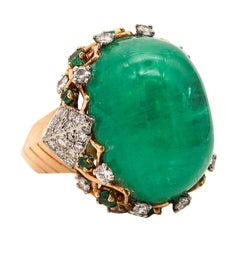
Vintage 1950s French Retro Cocktail Rings
Diamond, Emerald, White Diamond, Gold, Yellow Gold, Platinum, 18k Gold

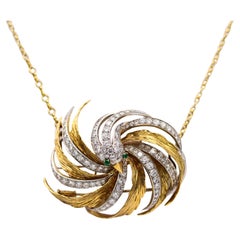
Vintage 1960s French Modernist Brooches
Diamond, White Diamond, Emerald, Gold, 18k Gold, Yellow Gold, Platinum
Recent Sales
Vintage 1950s French Cocktail Rings
Diamond, Emerald, Platinum
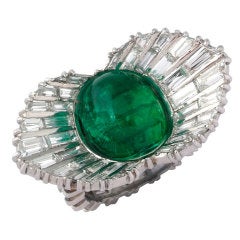
20th Century French Modernist Cocktail Rings
Emerald, Gold, 18k Gold, Yellow Gold
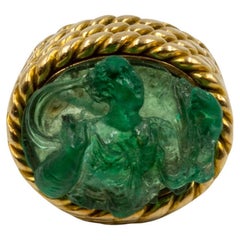
Vintage 1960s French More Rings
Diamond, White Diamond, Emerald, Gold, 18k Gold, Yellow Gold
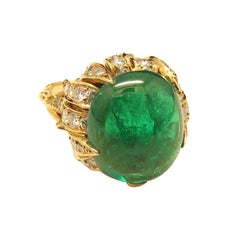
Vintage 1960s French Brooches
Emerald, 18k Gold
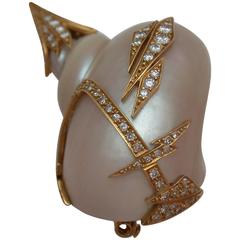
Vintage 1950s American Cocktail Rings
White Diamond, Emerald, 18k Gold, White Gold, Yellow Gold
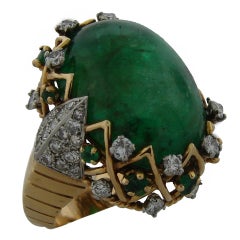
Vintage 1960s Retro Brooches
Diamond, Emerald, Sapphire, 18k Gold
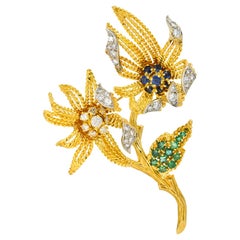
Vintage 1960s French Cocktail Rings
Coral, Emerald, Diamond, 18k Gold
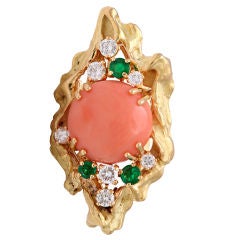
Vintage 1950s French Modernist Cocktail Rings
Diamond, White Diamond, Emerald, Gold, 18k Gold, Yellow Gold, Platinum
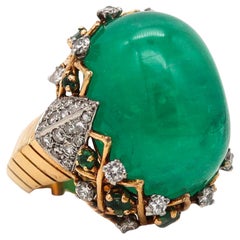
Vintage 1950s French Fashion Rings
Diamond, Emerald
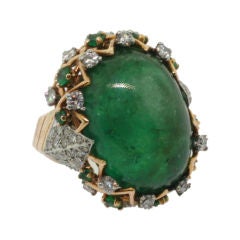
French Figurines and Sculptures
Diamond, Coral, Emerald, Moonstone, 18k Gold
People Also Browsed
1990s Evening Gowns

2010s Italian Bucket Bags and Drawstring Bags

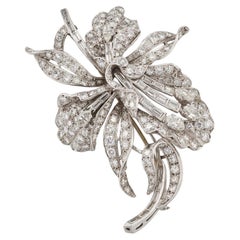
20th Century Unknown Art Deco Brooches
Diamond, White Diamond, Platinum
Early 2000s French Day Dresses
1990s French Suits, Outfits and Ensembles
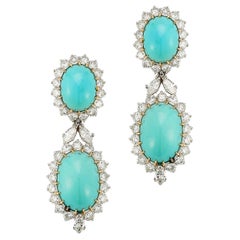
Vintage 1960s French Dangle Earrings
Diamond, Turquoise, 18k Gold
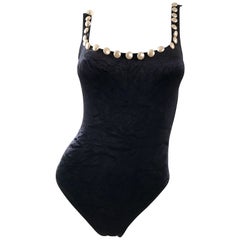
1990s Italian Bodysuits
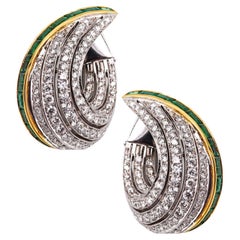
Late 20th Century Italian Modernist Hoop Earrings
Diamond, White Diamond, Emerald, Gold, 18k Gold, White Gold, Yellow Gold
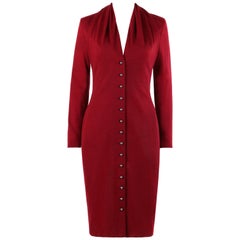
1990s French Informal Dresses
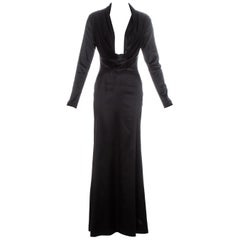
1990s Italian Evening Dresses and Gowns
1980s American Evening Gowns

1990s French Suits, Outfits and Ensembles
Late 20th Century Art Deco Drop Earrings
Diamond, Turquoise, Platinum
20th Century American Cocktail Rings
Diamond, Turquoise, Platinum
1980s French Belts

Vintage 1950s Spanish Modern Three-Stone Rings
Diamond, Emerald, Platinum
Pierre Sterlé for sale on 1stDibs
The loss of his father in World War I led to Pierre Sterlé’s mentorship under his uncle, who supported his ascension into the jewelry design world. At the height of his success, Sterlé designed for jewelry titans Boucheron, Chaumet and Ostertag. He won the De Beers Diamond Award three years in a row and operated out of an exclusive boutique in Paris that served the elite and royal families by appointment only.
His uncle was a Parisian jeweler on the rue de Castiglione. Sterlé started his own workshop at the age of 29 and spent five years designing for eminent Parisian jewelry houses on rue Sainte-Anne. By the mid-1940s, Sterlé had moved his atelier closer to the Place Vendôme to better serve his wealthy patrons, who included French author Colette, King Farouk of Egypt, the Maharani of Baroda and the Begum Aga Khan.
Sterlé had a remarkable ability to “knit gold” into woven masterpieces. His technical prowess was unmatched by anyone in Paris, and arguably the world. His “angel wire” technique, considered his signature style, incorporated gold into fine ropes that became link bracelets, cocktail rings and accents on decorative pins and brooches. The effect gave a sense of movement and life to the pieces, something Sterlé strived for in his attempts to make metal and precious gemstones less rigid and cold.
Two misfortunes derailed his business. The first was a failed venture into perfume, which resulted in having to sell many of his designs to Chaumet and New York jeweler Montreaux. Sterlé rebounded with a successful display at the 1966 Biennale in Paris, where he was the first modern jeweler ever invited. His second misstep was more damaging. He opened an exclusive shop on the rue Saint-Honoré in 1969. It was unsuccessful, and he was forced to declare bankruptcy, selling most of his stock to Chaumet in 1976.
Sterlé stayed on with the company as a consultant until his death two years later in 1978.
On 1stDibs, find a collection of vintage Pierre Sterlé rings, earrings, bracelets and more.
The Legacy of Emerald in Jewelry Design
No one liked emeralds and emerald jewelry more than Elizabeth Taylor (or her alter ego, Cleopatra). Emeralds were first discovered in Egypt around 330 BC. The stone’s name originated from the ancient Greek word for green, “smaragdus.” According to the Gemological Institute of America, “Emeralds from what is now Colombia were part of the plunder when 16th-century Spanish explorers invaded the New World. The Incas had already been using emeralds in their jewelry and religious ceremonies for 500 years. The Spaniards, who treasured gold and silver far more than gems, traded emeralds for precious metals. Their trades opened the eyes of European and Asian royalty to emerald’s majesty.”
There are numerous myths attributed to the emerald’s spiritual powers, like placing an emerald under your tongue will allow you to see the future. But be careful not to swallow the birthstone for May, or that future won’t be so bright!
There are many important (read: large) emeralds in museum collections around the world. The Patricia Emerald, named after the miner’s daughter, is a 632-carat dihexagonal (or 12-sided) crystal that was discovered in Colombia in 1920 and now resides at the American Museum of Natural History in New York. The Smithsonian Museum of Natural History in Washington has in its possession the Hooker Emerald, a 75.47-carat Colombian stone. That emerald had been acquired in the 16th or 17th century by Spanish conquistadores and shipped to Europe. It later belonged to Abdul Hamid II, Sultan of the Ottoman Empire (1876–1909), who wore it on his belt buckle. Purchased at auction by Tiffany Co. in 1911, the Hooker Emerald was set into a tiara and featured in the New York World’s Fair “House of Jewels” exhibit in 1940. Today, it is part of a brooch, also designed by the jewelry house.
On 1stDibs, find a range of antique and vintage emerald jewelry and watches that includes emerald rings, emerald necklaces and other accessories.