Stickley Mission Chair
Early 20th Century American Mission Chairs
Oak
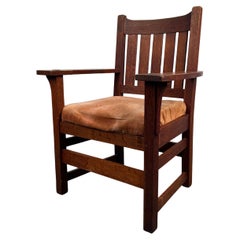
Antique Early 1900s American Mission Lounge Chairs
Leather, Oak
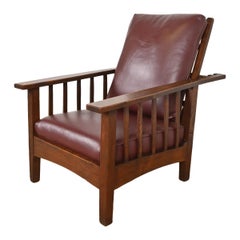
Vintage 1910s American Arts and Crafts Lounge Chairs
Fabric, Oak
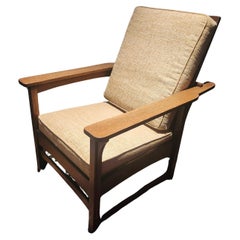
Late 20th Century American Mission Lounge Chairs
Leather, Cherry
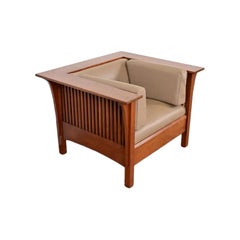
Early 20th Century American Arts and Crafts Club Chairs
Leather, Oak
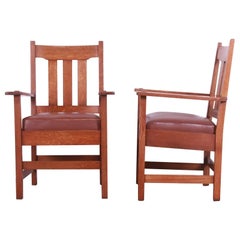
Early 20th Century American Arts and Crafts Rocking Chairs
Leather, Oak
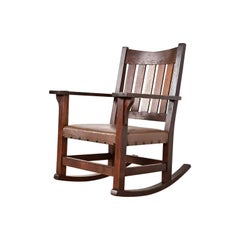
Early 20th Century American Arts and Crafts Rocking Chairs
Oak
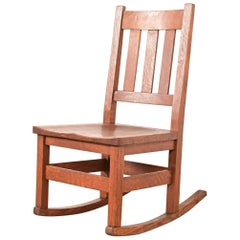
Vintage 1910s American Arts and Crafts Rocking Chairs
Fabric, Oak
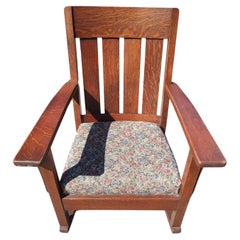
Early 20th Century American Arts and Crafts Rocking Chairs
Upholstery, Oak
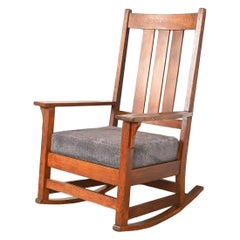
Early 20th Century American Arts and Crafts Rocking Chairs
Leather, Oak
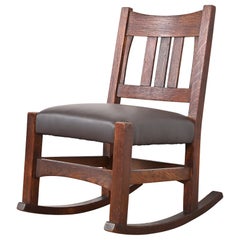
Late 20th Century American Arts and Crafts Side Chairs
Leather, Oak
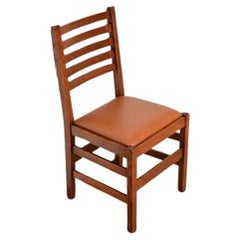
Early 20th Century American Arts and Crafts Rocking Chairs
Leather, Oak
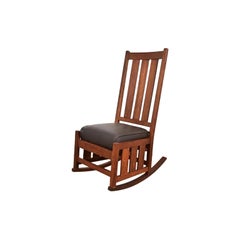
Early 20th Century American Arts and Crafts Lounge Chairs
Upholstery, Oak
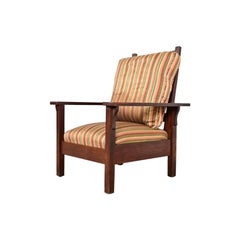
Early 20th Century American Arts and Crafts Rocking Chairs
Upholstery, Oak
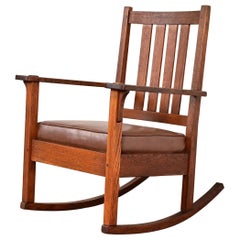
Early 20th Century American Arts and Crafts Club Chairs
Upholstery, Oak
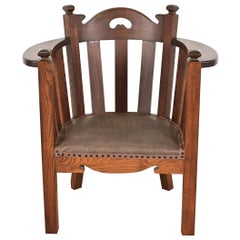
Early 20th Century American Arts and Crafts Rocking Chairs
Rush, Oak
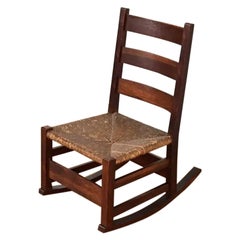
Early 20th Century American Arts and Crafts Lounge Chairs
Leather, Oak
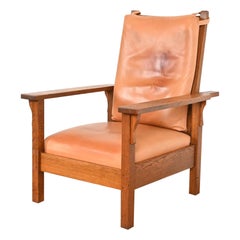
Early 20th Century American Arts and Crafts Dining Room Chairs
Rush, Oak
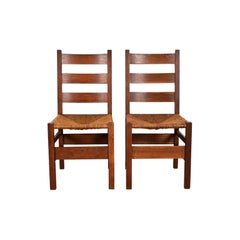
Early 20th Century American Arts and Crafts Dining Room Chairs
Upholstery, Oak
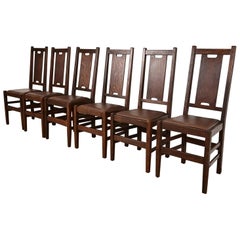
Early 20th Century American Arts and Crafts Lounge Chairs
Upholstery, Oak
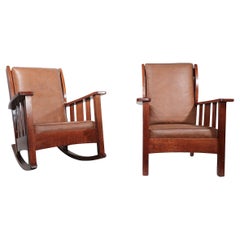
Early 20th Century American Arts and Crafts Dining Room Chairs
Leather, Oak
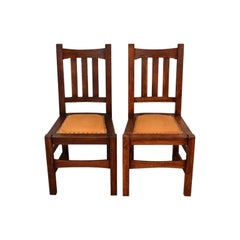
Early 20th Century American Arts and Crafts Rocking Chairs
Leather, Oak
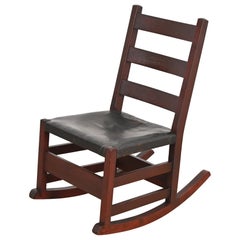
Early 20th Century American Arts and Crafts Rocking Chairs
Upholstery, Oak
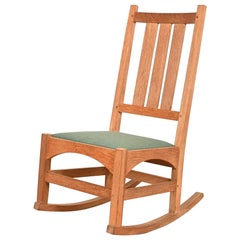
Early 20th Century American Arts and Crafts Rocking Chairs
Leather, Oak
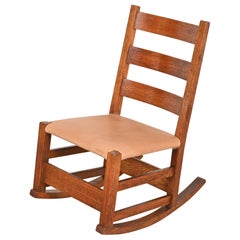
Early 20th Century American Arts and Crafts Rocking Chairs
Leather, Oak
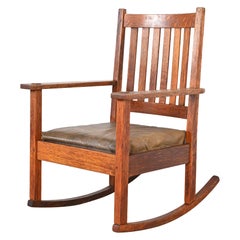
Early 20th Century American Arts and Crafts Rocking Chairs
Leather, Oak
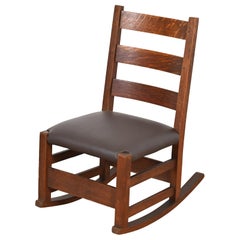
Early 20th Century American Arts and Crafts Rocking Chairs
Leather, Oak
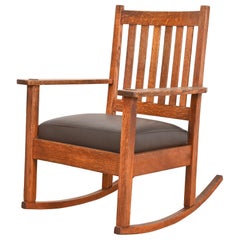
Late 20th Century American Arts and Crafts Lounge Chairs
Leather, Oak
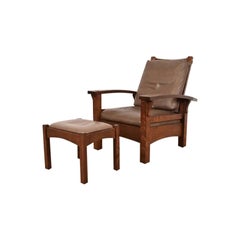
20th Century American Arts and Crafts Lounge Chairs
Leather, Oak
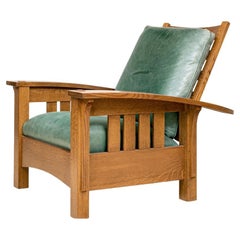
Early 20th Century American Arts and Crafts Side Chairs
Oak
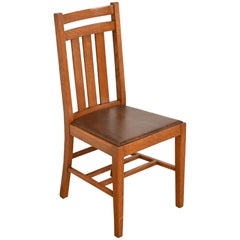
Early 20th Century American Arts and Crafts Dining Room Chairs
Leather, Oak
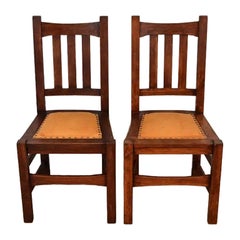
Early 20th Century American Arts and Crafts Dining Room Chairs
Upholstery, Rush, Oak
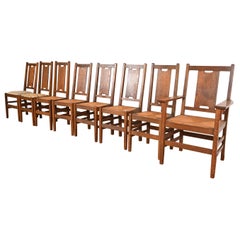
Early 20th Century American Arts and Crafts Dining Room Chairs
Rush, Oak
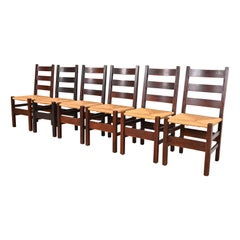
Vintage 1940s American Mission Rocking Chairs
Oak
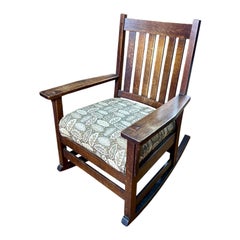

Early 20th Century American Arts and Crafts Dining Room Chairs
Leather, Oak
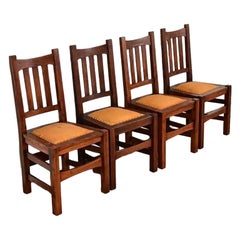
Early 20th Century American Arts and Crafts Dining Room Chairs
Leather, Oak

21st Century and Contemporary American Arts and Crafts Rocking Chairs
Leather, Oak
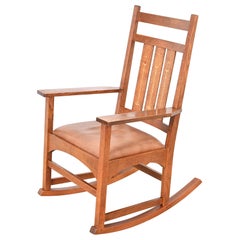
Early 20th Century American Arts and Crafts Dining Room Chairs
Leather, Oak
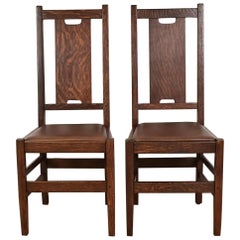
Early 20th Century American Arts and Crafts Dining Room Chairs
Cane, Oak
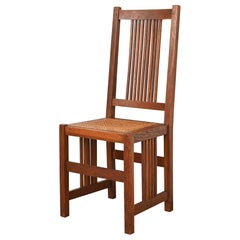
Late 20th Century Mission Lounge Chairs
Oak

Early 20th Century American Arts and Crafts Club Chairs
Upholstery, Oak
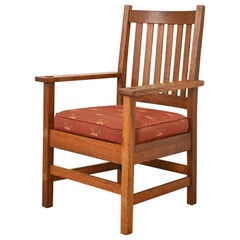
Early 2000s American Arts and Crafts Rocking Chairs
Leather, Cherry
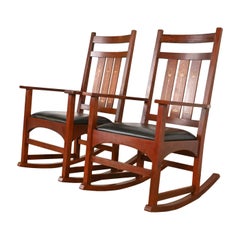
Vintage 1910s American Arts and Crafts Dining Room Chairs
Leather, Oak
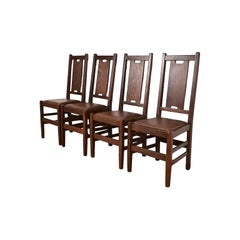
Early 20th Century American Arts and Crafts Club Chairs
Leather, Oak
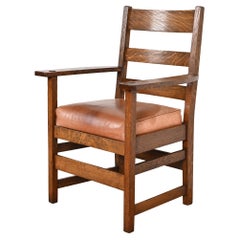
Late 20th Century American Arts and Crafts Rocking Chairs
Upholstery, Oak
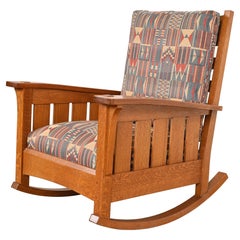
Vintage 1910s American Arts and Crafts Rocking Chairs
Brass
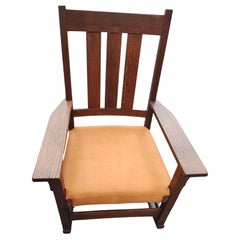
1990s American Mission Lounge Chairs
Leather, Oak
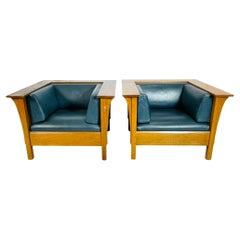
1990s American Arts and Crafts Rocking Chairs
Upholstery, Oak
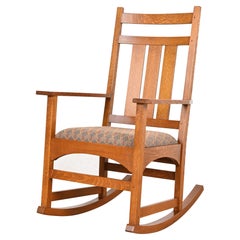
21st Century and Contemporary American Arts and Crafts Dining Room Chairs
Upholstery, Oak
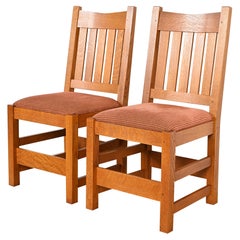
1990s American Arts and Crafts Lounge Chairs
Leather, Oak
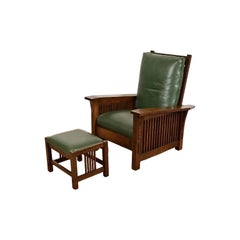
Early 2000s American Arts and Crafts Rocking Chairs
Leather, Cherry
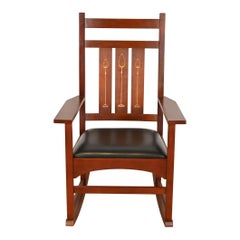
Early 2000s American Arts and Crafts Rocking Chairs
Leather, Cherry
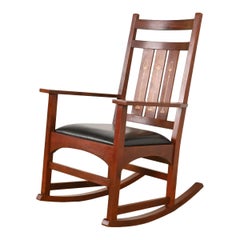
21st Century and Contemporary American Arts and Crafts Rocking Chairs
Oak, Upholstery
21st Century and Contemporary American Arts and Crafts Rocking Chairs
Upholstery, Cherry
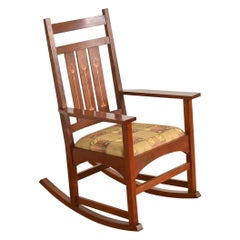
Late 20th Century American Arts and Crafts Dining Room Chairs
Leather, Cherry
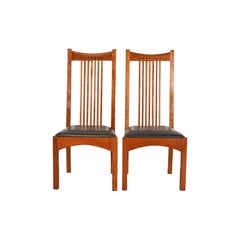
21st Century and Contemporary American Arts and Crafts Dining Room Chairs
Upholstery, Oak
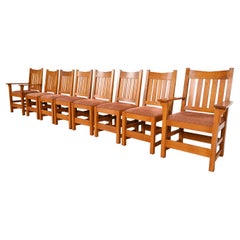
21st Century and Contemporary American Arts and Crafts Dining Room Chairs
Upholstery, Oak
- 1
Stickley Mission Chair For Sale on 1stDibs
How Much is a Stickley Mission Chair?
A Close Look at Arts And Crafts Furniture
Emerging in reaction to industrialization and mass production, the Arts and Crafts movement celebrated handcrafted design as a part of daily life. The history of Arts and Crafts furniture has roots in 1860s England with an emphasis on natural motifs and simple flourishes like mosaics and carvings. This work is characterized by plain construction that showcases the hand of the artisan.
The earliest American Arts and Crafts furniture dates back to the start of the 20th century. Designers working in this style in the United States initially looked to ideas put forth by The Craftsman, a magazine published by Wisconsin native Gustav Stickley, a furniture maker and founder of the Craftsman style. Stickley’s furniture was practical and largely free of ornament. His Craftsman style drew on French Art Nouveau as well as the work he encountered on his travels in England. There, the leading designers of the Arts and Crafts movement included William Morris, who revived historical techniques such as embroidery and printed fabrics in his furnishings, and Charles Voysey, whose minimal approach was in contrast to the ornamentation favored in the Victorian era.
American Arts and Crafts work would come to involve a range of influences unified by an elevation of traditional craftsmanship. The furniture was often built from sturdy woods like oak and mahogany while featuring details such as inlaid metal, tooled leather and ceramic tiles. The style in the United States was led by Stickley, whose clean-lined chairs and benches showcased the grain of the wood, and furniture maker Charles Rohlfs, who was informed by international influences like East Asian and French Art Nouveau design.
Hubs in America included several utopian communities such as Rose Valley in Pennsylvania and the Byrdcliffe Arts and Crafts Colony in New York, where craftspeople made furniture that prioritized function over any decoration. Their work would influence designers and architects including Frank Lloyd Wright, who built some of the most elegant and iconic structures in the United States and likewise embraced a thoughtful use of materials in his furniture.
Find antique Arts and Crafts chairs, tables, cabinets and other authentic period furniture on 1stDibs.
Finding the Right Seating for You
With entire areas of our homes reserved for “sitting rooms,” the value of quality antique and vintage seating cannot be overstated.
Fortunately, the design of side chairs, armchairs and other lounge furniture — since what were, quite literally, the early perches of our ancestors — has evolved considerably.
Among the earliest standard seating furniture were stools. Egyptian stools, for example, designed for one person with no seat back, were x-shaped and typically folded to be tucked away. These rudimentary chairs informed the design of Greek and Roman stools, all of which were a long way from Sori Yanagi's Butterfly stool or Alvar Aalto's Stool 60. In the 18th century and earlier, seats with backs and armrests were largely reserved for high nobility.
The seating of today is more inclusive but the style and placement of chairs can still make a statement. Antique desk chairs and armchairs designed in the style of Louis XV, which eventually included painted furniture and were often made of rare woods, feature prominently curved legs as well as Chinese themes and varied ornaments. Much like the thrones of fairy tales and the regency, elegant lounges crafted in the Louis XV style convey wealth and prestige. In the kitchen, the dining chair placed at the head of the table is typically reserved for the head of the household or a revered guest.
Of course, with luxurious vintage or antique furnishings, every chair can seem like the best seat in the house. Whether your preference is stretching out on a plush sofa, such as the Serpentine, designed by Vladimir Kagan, or cozying up in a vintage wingback chair, there is likely to be a comfy classic or contemporary gem for you on 1stDibs.
With respect to the latest obsessions in design, cane seating has been cropping up everywhere, from sleek armchairs to lounge chairs, while bouclé fabric, a staple of modern furniture design, can be seen in mid-century modern, Scandinavian modern and Hollywood Regency furniture styles.
Admirers of the sophisticated craftsmanship and dark woods frequently associated with mid-century modern seating can find timeless furnishings in our expansive collection of lounge chairs, dining chairs and other items — whether they’re vintage editions or alluring official reproductions of iconic designs from the likes of Hans Wegner or from Charles and Ray Eames. Shop our inventory of Egg chairs, designed in 1958 by Arne Jacobsen, the Florence Knoll lounge chair and more.
No matter your style, the collection of unique chairs, sofas and other seating on 1stDibs is surely worthy of a standing ovation.
- Are Stickley chairs marked?1 Answer1stDibs ExpertMarch 22, 2022Yes, Stickley chairs are usually marked. However, the markings changed over time. Early pieces have the brand burned onto the frame. Later pieces may show the name on a paper label, decal, metal plate or carved medallion. On 1stDibs, find a variety of Stickley furniture.
- 1stDibs ExpertAugust 15, 2024To tell if a chair is a Stickley, look for the maker's mark, usually found underneath the seat. Depending on the age of the chair, it may appear on a paper or metal label, be burned into the frame or be stamped on it with ink. Stickley used a number of different markings over the years, but has images of most of its historic marks available for viewing on the maker's official website. You can compare the markings on your chair to those found in this reference. If you need assistance, enlist the help of a certified appraiser or knowledgeable antique dealer. On 1stDibs, explore a collection of Stickley chairs.
- 1stDibs ExpertNovember 26, 2024To identify a Stickley chair, look under the seat and on the legs for a paper label or metal tag. Stickley has modified its markings over time, so you can use these to determine the approximate age of your chair as well as to figure out if it is a Stickley. You can find image guides to interpreting Stickley maker’s marks on trusted online resources. Alternatively, you can have a certified appraiser or experienced antique dealer perform the identification process for you. On 1stDibs, find a selection of Stickley chairs.
- 1stDibs ExpertAugust 26, 2024The difference between a Morris chair and a Stickley chair comes down to origins and characteristics. A Morris chair gets its name from William Morris, one of the founders of the British company Morris, Marshall, Faulkner Co. During the late 1860s, the company began producing the Morris chair, which has a reclining seat back and an intricately carved wood frame. This design spread to the U.S., where it was seen by Gustav Stickley. Drawing inspiration from it, Stickley produced the Stickley chair in 1904. Like the Morris chair, the piece has a reclining back but a simpler slatted frame that aligns with the American Arts and Crafts design style. Due to its origins, some people call the Stickley chair the Stickley Morris chair or the Mission Morris chair. Explore a collection of Stickley chairs and Morris chairs on 1stDibs.
- 1stDibs ExpertMarch 22, 2022To tell if a Morris chair is a Stickley, look for the furniture designer's mark. Often, Gustav Stickley marked his pieces with a compass logo, his signature and the phrase "Als ik kan." The phrase roughly means "to the best of my ability." On 1stDibs, shop a collection of expertly vetted Stickley chairs.