Suigetsu Buseki
Vintage 1950s Japanese Japonisme Sculptures and Carvings
Bamboo

People Also Browsed
21st Century and Contemporary American Sofas
Linen, Velvet
Antique Late 19th Century Japanese Meiji Sofa Tables
Cedar
Early 20th Century Japanese Organic Modern Center Tables
Cypress
Early 20th Century Japanese Meiji Decorative Art
Bamboo
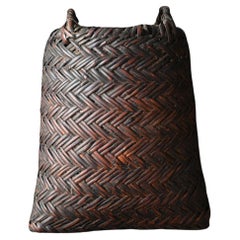
Early 20th Century Japanese Taisho Sideboards
Cedar
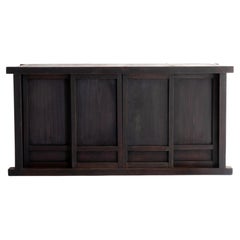
20th Century Japanese Taisho Coffee and Cocktail Tables
Wood
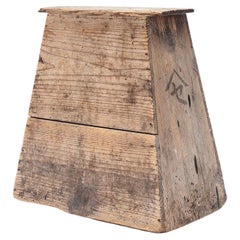
Early 20th Century Japanese Showa Decorative Art
Cypress
Early 20th Century Japanese Showa Textiles
Cotton
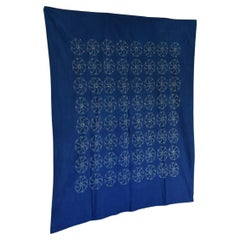
Early 20th Century Japanese Meiji Decorative Art
Bamboo, Cedar
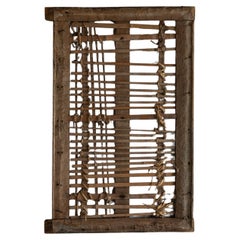
Early 20th Century Japanese Taisho Cabinets
Cedar
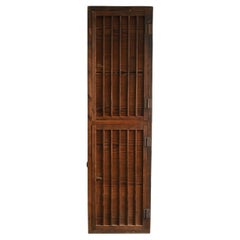
20th Century Japanese Taisho Stools
Wood
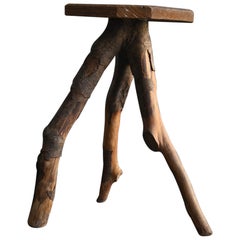
20th Century Japanese Showa Paintings
Paint
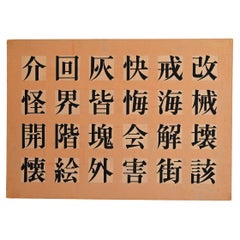
Antique Late 19th Century Japanese Meiji Paintings
Cedar
Mid-20th Century Japanese Taisho Decorative Baskets
Bamboo
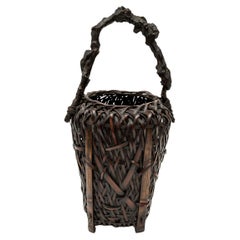
Vintage 1970s French Mid-Century Modern Wall Mirrors
Bamboo
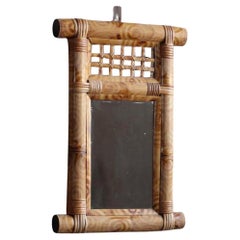
A Close Look at Japonisme Furniture
In the late 19th and early 20th century, France developed an enduring passion for Japanese aesthetics and craftsmanship. Not only did this interpretation of Japanese culture — which became known as Japonisme — infuse fresh energy into French art and design, but it also radically transformed how Europeans, and subsequently the world, would come to understand visual culture.
Until 1853, Japan had been closely guarded against foreign visitors for over two centuries. However, American Commodore Matthew C. Perry sailed into Japan that year and initiated the first of its treaties with the United States and Europe, thereby opening its borders and giving the West its first-ever look at Japanese design.
For the next few decades, taken with Japonisme, sophisticated collectors in Paris, New York and elsewhere gorged themselves on lacquered screens, celadon ceramics and netsuke ornaments, along with artworks depicting various aspects of Japanese life. The East Asian country’s influence on Europe, particularly France, contributed to one of the most creatively prosperous periods in history, leaving an imprint on the Impressionist, Art Nouveau and Art Deco movements, and inspiring artists like Edgar Degas, Mary Cassatt, Vincent van Gogh as well as luxury houses such as Louis Vuitton and Hermès. Japonisme emerged at the time when the ornate Renaissance Revival style was the most prominent mode of decorating in Europe, and Japanese aesthetics seemed strikingly modern and elegant in comparison.
In addition to everyday practical objects from Japan, such as vases, tableware and decorative boxes, Japanese art, especially Japanese woodblock prints by masters of the ukiyo-e school, caught the eye of many artists — particularly those in the Art Nouveau poster community in 1880s Paris. The luscious organic colors associated with traditional Japanese design, motifs like cherry blossoms and carp and the vivid patterns found in woodblock prints, silks and more were adopted and appropriated by painters as well as ceramicists and those working in other fields of the decorative arts. Today, demand for Japanese lacquerware — furniture, trays, writing boxes, screens, incense burners — from the Edo period (1615–1868) and the late 19th century continues to be very strong among collectors.
Find a collection of antique Japonisme furniture and decorative objects on 1stDibs.
Materials: Bamboo Furniture
Bamboo — the reed-like, woody grass revered the world over for its attractiveness, durability and unbeatable versatility — has a purity and elegance that Ming Dynasty dignitaries, European royals and workaday folks alike have appreciated for centuries. Antique and vintage bamboo furniture can help introduce an air of relaxation in any space, and pairs well with chinoiserie decor and a range of porcelain decorative objects.
So why is bamboo — in its many forms — so enduringly popular? The grass itself is classic-looking and pleasingly geometric, and it evokes a subtle exoticism that’s both glamorous and (due in large part to its sustainability) highly attainable.
Bamboo is harder than mahogany. It’s a rigid and hollow reed, and as such it is not rattan, which is dense, steamable and bendable, and has become its own ultimate decorative-arts chameleon over the years. But like rattan, bamboo is an organic material that provides a link to nature, helping us to bring a bit of the outside in, in an elegant yet no-frills way that seems comforting and familiar. Plus, bamboo’s lightness and slight irregularities make it the perfect counterpoint to heavy-feeling interiors.
For organic modern interiors — or any space that would benefit from a dose of the natural world — a variety of vintage bamboo outdoor furniture, side tables, dining chairs and more can be found on 1stDibs.
Finding the Right Sculptures-carvings for You
Asian sculptors have worked in materials including wood, bronze and jade. Artists and artisans have used traditional techniques to depict deities, scenes from culture and more, and today, antique Asian sculptures and carvings are a popular choice for provocative and sophisticated home decor.
In China, the Qing dynasty, from the mid-17th century to the early 20th century, brought about significant changes in art while preserving traditional culture. Many emperors during this period were patrons of the arts, such as painting, calligraphy and decorative arts. This era saw the building of new Buddhist temples, which were decorated with statues. Some of these sculptures were adorned with colorful cloisonné decoration, in which tiny compartments, or cloisons, made by soldering copper filaments to a metal surface were filled with vibrantly hued enamel.
From the 17th to mid-19th century in Japan, kimonos were worn across classes and often fastened with a netsuke, a type of small carved toggle. Artists carved these from ivory, wood, shells and coral, creating animals, flowers and mythical creatures. During the Japanese Meiji period, spanning from 1868–1912, the country began trading internationally after centuries of isolation, allowing artists to sell their work overseas. Bronze sculpture flourished around this time for creating teapots, vases and incense burners.
Asian sculpture continued to evolve in the 20th century. During the Japanese Shōwa era, from 1926–89, art was influenced by international modernist movements like abstraction, Futurism and Surrealism. Contemporary Asian sculptures and carvings continue to combine global influences and a rich heritage of technique.
Decorating a space with Asian sculptures and carvings is a great way to add interest to any corner of your home. Explore by material, period or style on 1stDibs.