Swedish Art Deco Mirror
Mid-20th Century Swedish Art Deco Wall Mirrors
Mirror
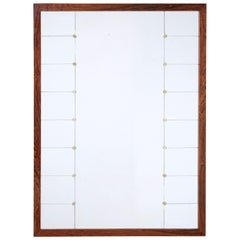
Vintage 1960s Swedish Art Deco Wall Mirrors
Wood
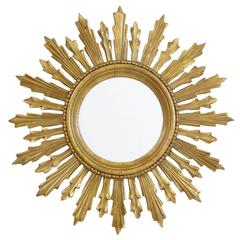
Mid-20th Century Swedish Art Deco Wall Mirrors
Teak
20th Century Swedish Art Deco Secretaires
Mirror, Wood, Walnut
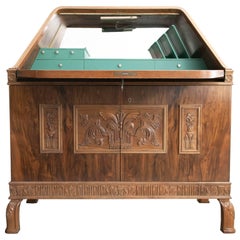
Early 20th Century Swedish More Mirrors

Vintage 1930s Swedish Art Deco Wall Mirrors
Mirror
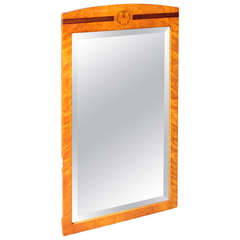
Vintage 1930s Swedish Art Deco Wall Mirrors
Crystal
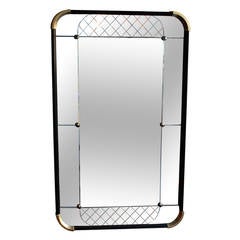
Early 20th Century Swedish More Mirrors
Brass
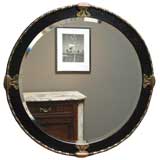
Vintage 1930s Swedish Pier Mirrors and Console Mirrors
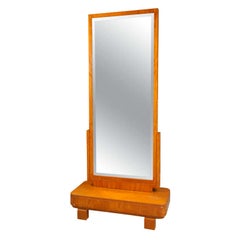

Early 20th Century Swedish Art Deco Wall Mirrors
Birch
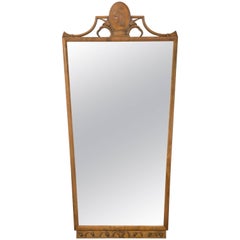
Vintage 1920s Swedish Art Deco Wall Mirrors
Pewter
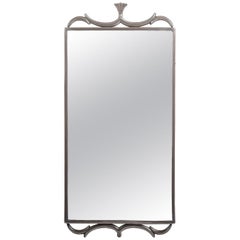
- 1
Swedish Art Deco Mirror For Sale on 1stDibs
How Much is a Swedish Art Deco Mirror?
A Close Look at Art Deco Furniture
Art Deco furniture is characterized by its celebration of modern life. More than its emphasis on natural wood grains and focus on traditional craftsmanship, vintage Art Deco dining chairs, tables, desks, cabinets and other furniture — which typically refers to pieces produced during the 1920s and 1930s — is an ode to the glamour of the “Roaring Twenties.”
ORIGINS OF ART DECO FURNITURE DESIGN
- Emerged in the 1920s
- Flourished while the popularity of Art Nouveau declined
- Term derives from 1925’s Exposition Internationale des Arts Décoratifs et Industriels Modernes (International Exhibition of Modern Decorative and Industrial Arts) in Paris, France
- Informed by Ancient Egypt, Cubism, Futurism, Louis XVI, De Stijl, modernism and the Vienna Secession; influenced Streamline Moderne and mid-century modernism
CHARACTERISTICS OF ART DECO FURNITURE DESIGN
- Bold geometric lines and forms, floral motifs
- Use of expensive materials such as shagreen or marble as well as exotic woods such as mahogany, ebony and zebra wood
- Metal accents, shimmering mirrored finishes
- Embellishments made from exotic animal hides, inlays of mother-of-pearl or ivory
ART DECO FURNITURE DESIGNERS TO KNOW
VINTAGE ART DECO FURNITURE ON 1STDIBS
Few design styles are as universally recognized and appreciated as Art Deco. The term alone conjures visions of the Roaring Twenties, Machine Age metropolises, vast ocean liners, sleek typography and Prohibition-era hedonism. The iconic movement made an indelible mark on all fields of design throughout the 1920s and ’30s, celebrating society’s growing industrialization with refined elegance and stunning craftsmanship.
Widely known designers associated with the Art Deco style include Émile-Jacques Ruhlmann, Eileen Gray, Maurice Dufrêne, Paul Follot and Jules Leleu.
The term Art Deco derives from the name of a large decorative arts exhibition held in Paris in 1925. “Art Deco design” is often used broadly, to describe the work of creators in associated or ancillary styles. This is particularly true of American Art Deco, which is also called Streamline Moderne or Machine Age design. (Streamline Moderne, sometimes known as Art Moderne, was a phenomenon largely of the 1930s, post–Art Nouveau.)
Art Deco textile designers employed dazzling floral motifs and vivid colors, and while Art Deco furniture makers respected the dark woods and modern metals with which they worked, they frequently incorporated decorative embellishments such as exotic animal hides as well as veneers in their seating, case pieces, living room sets and bedroom furniture.
From mother-of-pearl inlaid vitrines to chrome aviator chairs, bold and inventive works in the Art Deco style include chaise longues (also known as chaise lounges) and curved armchairs. Today, the style is still favored by interior designers looking to infuse a home with an air of luxury and sophistication.
The vintage Art Deco furniture for sale on 1stDibs includes dressers, coffee tables, decorative objects and more.
Finding the Right Mirrors for You
The road from early innovations in reflective glass to the alluring antique and vintage mirrors in trendy modern interiors has been a long one but we’re reminded of the journey everywhere we look.
In many respects, wall mirrors, floor mirrors and full-length mirrors are to interior design what jeans are to dressing. Exceedingly versatile. Universally flattering. Unobtrusively elegant. And while all mirrors are not created equal, even in their most elaborate incarnation, they're still the heavy lifters of interior design, visually enlarging and illuminating any space.
We’ve come a great distance from the polished stone that served as mirrors in Central America thousands of years ago or the copper mirrors of Mesopotamia before that. Today’s coveted glass Venetian mirrors, which should be cleaned with a solution of white vinegar and water, were likely produced in Italy beginning in the 1500s, while antique mirrors originating during the 19th century can add the rustic farmhouse feel to your mudroom that you didn’t know you needed.
By the early 20th century, experiments with various alloys allowed for mirrors to be made inexpensively. The geometric shapes and beveled edges that characterize mirrors crafted in the Art Deco style of the 1920s can bring pizzazz to your entryway, while an ornate LaBarge mirror made in the Hollywood Regency style makes a statement in any bedroom. Friedman Brothers is a particularly popular manufacturer known for decorative round and rectangular framed mirrors designed in the Rococo, Louis XVI and other styles, including dramatic wall mirrors framed in gold faux bamboo that bear the hallmarks of Asian design.
Perhaps unsurprisingly, mid-century modernism continues to influence the design of contemporary mirrors. Today’s simple yet chic mantel mirror frames, for example, often neutral in color, owe to the understated mirror designs introduced in the postwar era.
Sculptor and furniture maker Paul Evans had been making collage-style cabinets since at least the late 1950s when he designed his Patchwork mirror — part of a series that yielded expressive works of combined brass, copper and pewter — for Directional Furniture during the mid-1960s. Several books celebrating Evans’s work were published beginning in the early 2000s, as his unconventional furniture has been enjoying a moment not unlike the resurgence that the Ultrafragola mirror is seeing. Designed by the Memphis Group’s Ettore Sottsass in 1970, the Ultrafragola mirror, in all its sensuous acrylic splendor, has become somewhat of a star thanks to much-lauded appearances in shelter magazines and on social media.
On 1stDibs, we have a broad selection of vintage and antique mirrors and tips on how to style your contemporary mirror too.