Swedish Mora Clock Chest
Antique 1820s Swedish Gustavian Commodes and Chests of Drawers
Wood

People Also Browsed
Antique Early 19th Century Swedish Country Grandfather Clocks and Longca...
Pine
Antique Mid-19th Century Swedish Dessert Tables and Tilt-top Tables
Wood
20th Century Italian Mid-Century Modern Wardrobes and Armoires
Beech, Fir
Vintage 1950s Swedish Gustavian Cabinets
Wood
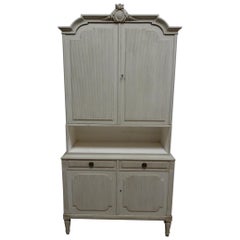
Antique Mid-19th Century Swedish Country Desks and Writing Tables
Pine
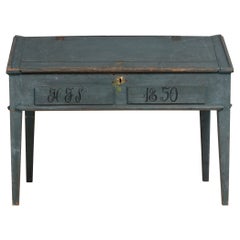
Antique 19th Century Swedish Grandfather Clocks and Longcase Clocks
Metal
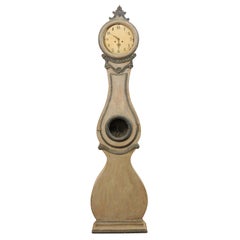
Antique 19th Century Swedish Gustavian Sideboards
Wood
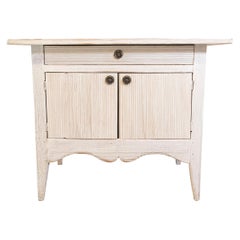
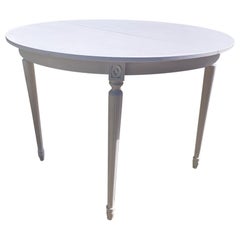
Late 20th Century Swedish Gustavian Dining Room Tables
Birch
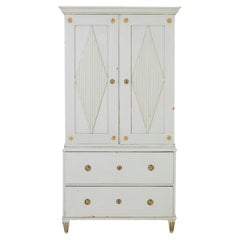
Antique Early 19th Century Swedish Gustavian Cabinets
Metal
Antique Late 18th Century Swedish Baroque Secretaires
Glass, Wood

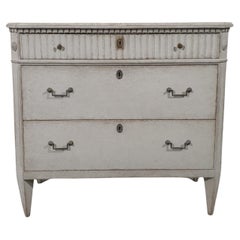
Antique Mid-19th Century Swedish Gustavian Commodes and Chests of Drawers
Wood
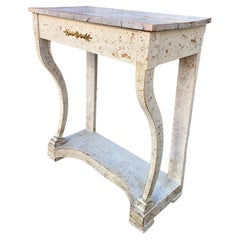
Antique Early 1800s Swedish Gustavian Console Tables
Bronze
Antique Early 19th Century European Regency Tea Caddies
Ivory, Tortoise Shell
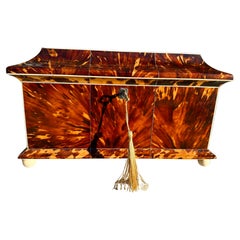
Vintage 1940s Swedish Gustavian Armchairs
Wood
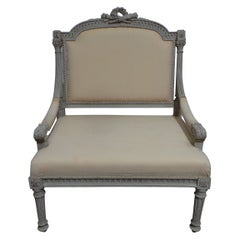
Antique 1790s Swedish Country Grandfather Clocks and Longcase Clocks
Wood
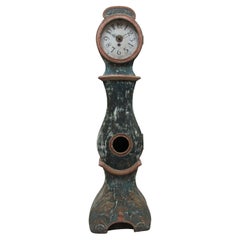
Antique Early 19th Century Swedish Rococo Grandfather Clocks and Longcas...
Pine
A Close Look at Gustavian Furniture
With clean lines and muted colors, antique Gustavian furniture is understated and elegant. It represents a more restrained version of the transition from Rococo to neoclassicism that was happening in France under Louis XVI. The style developed under Swedish King Gustav III, who reigned from 1771 until his assassination in 1792, and his son Gustav IV, who ruled until 1809. Although Gustavian furniture is mostly used to refer to pale painted cabinets, commodes, armchairs and other items, it involved a range of influences.
Gustavian-style furniture was inspired by discoveries at Pompeii and Herculaneum as well as the grandeur of European palaces like Versailles, with local softwoods such as pine and birch. There was also an emphasis on natural light; crystal chandeliers and large mirrors played a role in radiating the fleeting daylight of winter, giving it a distinctive aesthetic.
Where earlier furniture was curvy and florid, this new era was more architectural, with tapered and fluted legs and rectangular and oval shapes. Luminous gilt contrasted with the palette of soft blues on upholstery and painted surfaces. Leading furniture builders included Gottlieb Iwersson, Louis Masreliez and Erik Öhrmark. The latter, a French-born Swedish decorator, designed the Sulla chair, a seat that was demonstrative of technical skill and precise craftsmanship and drew on Greek klismos chairs. Masreliez’s Sulla chair was made by Öhrmark and featured decorative ornamentation produced by Jean-Baptiste Masreliez, Louis’s younger brother.
While the wealthy had furniture carved with neoclassical details like scallops and rosettes, more affordable options were adorned with faux finishes that mimicked marble and stenciled patterns. The simple elegance of Gustavian furniture would have a long impact on Swedish design, informing the 20th-century appreciation for function and form. In the 1950s, IKEA mass-produced copies of a Gustavian commode designed by cabinetmaker Georg Haupt, who created pieces for the Royal Palace, making the furniture a fixture of everyday Swedish life.
Find a collection of antique Gustavian seating, tables, decorative objects and other furniture on 1stDibs.
Finding the Right Commodes-chests-of-drawers for You
Shopping for a commode or a chest of drawers?
Commode is the French term for a low chest of drawers, but it is also sometimes used to denote any case piece with a particularly intricate design. The commode dates to circa 1700 France, where it was used as an alternative to a taller cabinet piece so as to not obscure paneled, mirrored or tapestried walls. Coffers, or chests, which were large wooden boxes with hinged lids and sometimes stood on ball feet, preceded chests of drawers, a fashionable cabinet furnishing that garnered acclaim for its obvious storage potential and versatility. The term commode was also used to refer to a piece of bedroom furniture — a washstand or nightstand that contained a chamber pot.
As time passed, French and British furniture makers led the way in the production of chests of drawers, and features like the integration of bronze and ornamental pulls became commonplace. Antique French commodes in the Louis XV style were sometimes crafted in mahogany or walnut, while an Italian marble top added a sophisticated decorative flourish. This specific type of case piece grew in popularity in the years that followed.
So, what makes a chest of drawers different from a common dresser? Dressers are short, and chests of drawers are overall taller pieces of furniture that typically do not have room on the top for a mirror as most dressers do. Tallboys and highboys are variations of the dresser form. Some chests of drawers have one column of four to six long drawers or three long drawers in their bottom section that are topped by a cluster of small side-by-side drawers on the top. To further complicate things, we sometimes refer to particularly short chests of drawers as nightstands.
Even though chests of drawers are commonly thought of as bedroom furniture to store clothing, these are adaptable pieces. A chest of drawers can house important documents — think of your walnut Art Deco commode as an upgrade to your filing cabinet. Nestle your chest near your home’s front door to store coats and other outerwear, while the top can be a place to drop your handbag. Add some flair to your kitchen, where this lovable case piece can hold pots, pans and even cookbooks.
When shopping for the right chest of drawers for your home, there are a few key things to consider: What will you be storing in it? How big a chest will you need?
Speaking of size, don’t dream too big. If your space is on the smaller side, a more streamlined vintage mid-century modern chest of drawers, perhaps one designed by Paul McCobb or T.H. Robsjohn-Gibbings, may best suit your needs.
At 1stDibs, we make it easy to add style and storage to your home. Browse our collection of antique and vintage commodes and chests of drawers today.
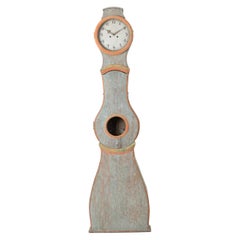
- What is a Swedish Mora clock?1 Answer1stDibs ExpertMarch 31, 2023A Swedish Mora clock is a floor clock with a distinctive curvy shape inspired by a figure eight. The clocks originated from Mora, a village in Sweden, during the 18th century. On 1stDibs, shop a range of Mora clocks.