Swedish Rococo Wood Cabinets
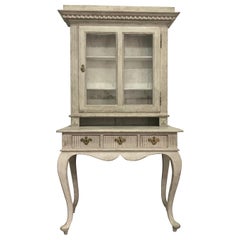
Antique Late 19th Century Swedish Rococo Vitrines
Glass, Wood
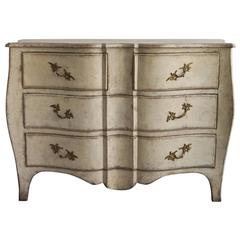
Antique 19th Century Swedish Rococo Commodes and Chests of Drawers
Wood
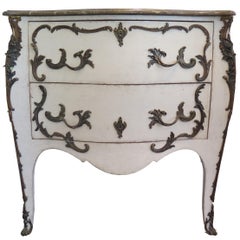
Antique 19th Century Rococo Commodes and Chests of Drawers
Marble, Ormolu
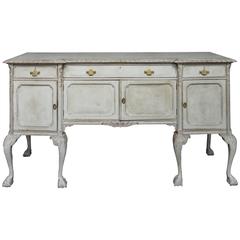
Early 20th Century Swedish Rococo Sideboards
Wood

Swedish Wardrobes and Armoires
Wood
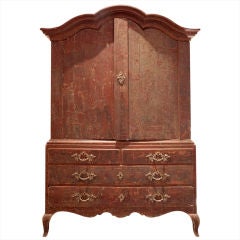
Antique Mid-18th Century Swedish Rococo Desks
Wood
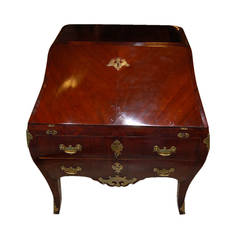
Antique Late 18th Century Swedish Rococo Commodes and Chests of Drawers
Paint, Wood
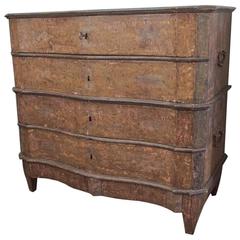
Antique Mid-18th Century Swedish Rococo Secretaires
Wood
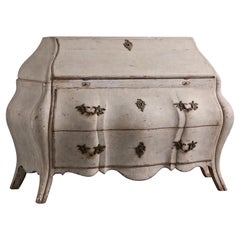
Antique 19th Century Swedish Rococo Commodes and Chests of Drawers
Wood
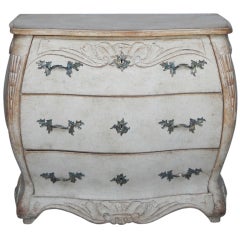
Antique Mid-18th Century Swedish Rococo Commodes and Chests of Drawers
Ormolu

Antique 18th Century Swedish Rococo Cupboards
Wood, Pine

Antique 18th Century Swedish Rococo Cabinets
Wood
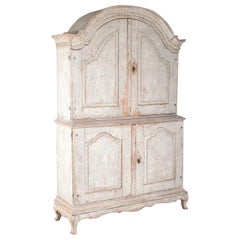
Antique 1840s Swedish Rococo Corner Cupboards
Wood
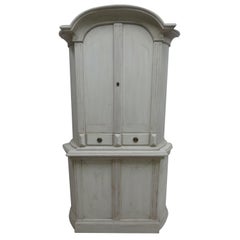
Antique 19th Century Swedish Rococo Cabinets
Wood

20th Century Swedish Cabinets
Wood

Antique Mid-18th Century Swedish Rococo Cabinets
Wood
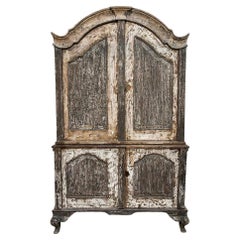
Antique 18th Century Swedish Rococo Cabinets
Wood, Paint
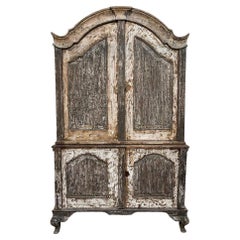
Antique 18th Century and Earlier Swedish Wardrobes and Armoires
Wood, Paint
Antique 18th Century Swedish Rococo Cabinets
Wood
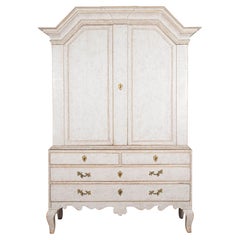
Antique 18th Century Swedish Rococo Cabinets
Wood
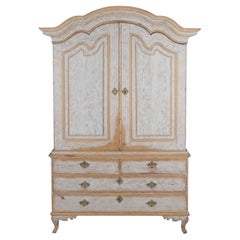
Antique 18th Century and Earlier Swedish Cabinets
Wood, Paint

Antique 18th Century and Earlier Swedish Rococo Cupboards
Iron
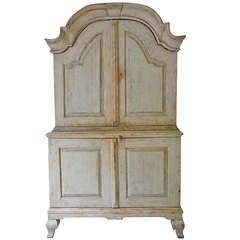
Antique 18th Century Swedish Rococo Cabinets
Wood
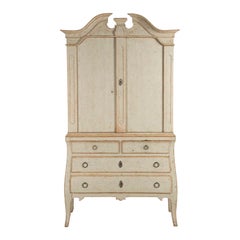
Antique 18th Century and Earlier Swedish Rococo Cupboards
Bronze
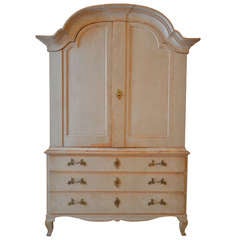
Antique 18th Century and Earlier Swedish Rococo Corner Cupboards
Wood
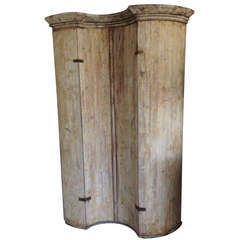
Antique 18th Century Swedish Rococo Cabinets
Wood
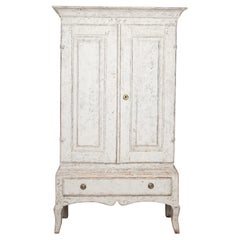
Antique 18th Century Swedish Rococo Cupboards
Bronze
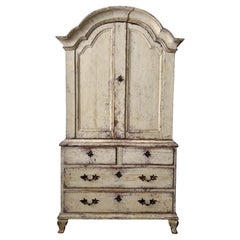
Antique 18th Century Swedish Rococo Cabinets
Bronze
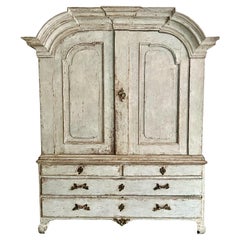
Antique 18th Century and Earlier Swedish Rococo Cabinets
Wood
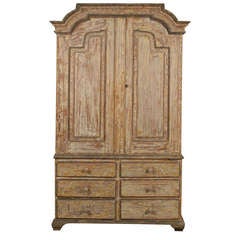
Antique 18th Century Swedish Rococo Linen Presses
Metal
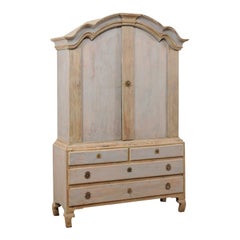
Antique 19th Century Swedish Rococo Cabinets
Glass, Wood
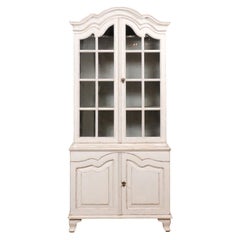
Antique 18th Century Swedish Rococo Cabinets
Wood
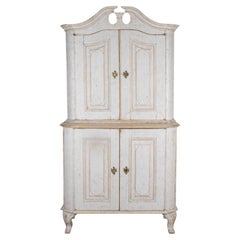
Antique Late 18th Century Swedish Gustavian Cupboards
Wood
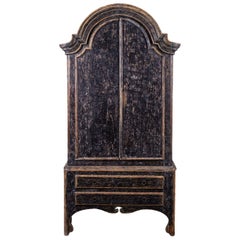
Antique Late 18th Century Swedish Rococo Cabinets
Metal
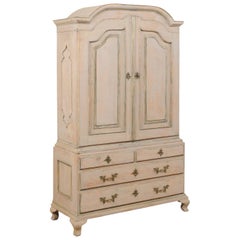
Antique 18th Century Swedish Rococo Cabinets
Wood
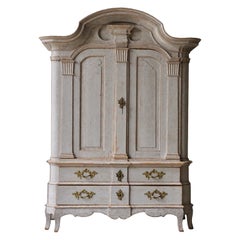
Antique 18th Century Swedish Rococo Cabinets
Wood
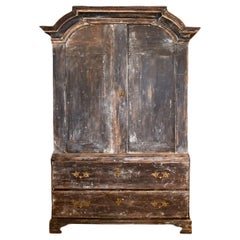
Antique 18th Century Swedish Rococo Cabinets
Wood
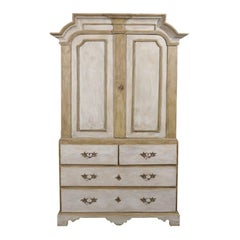
Antique 18th Century and Earlier Swedish Vitrines
Wood
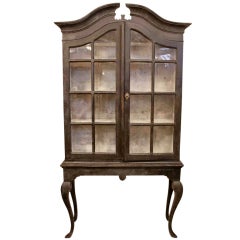
Antique 1760s Swedish Rococo Cabinets
Wood

Antique 19th Century Swedish Rococo Shelves and Wall Cabinets
Wood
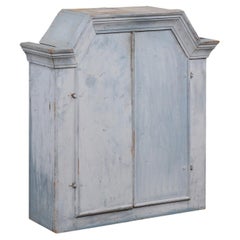
Antique 19th Century Swedish Rococo Cupboards
Wood
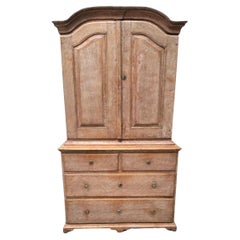
Antique 19th Century Swedish Rococo Shelves and Wall Cabinets
Wood
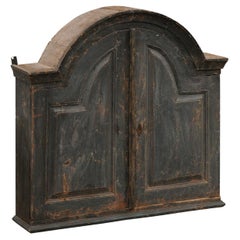
Antique Early 19th Century Swedish Rococo Cabinets
Wood, Paint
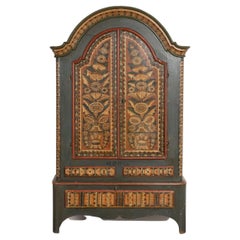
Antique 18th Century Swedish Rococo Cabinets
Wood
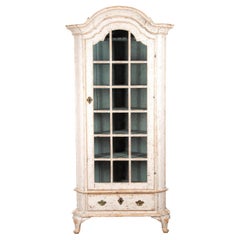
Antique 18th Century Swedish Rococo Cabinets
Wood
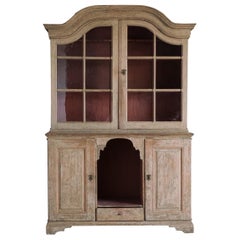
Antique 18th Century Swedish Rococo Cupboards
Wood
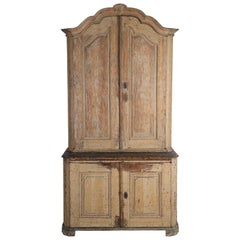
Antique 19th Century Swedish Rococo Cabinets
Wood
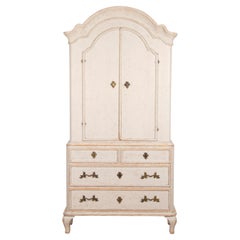
Antique Late 18th Century Swedish Rococo Shelves and Wall Cabinets
Wood
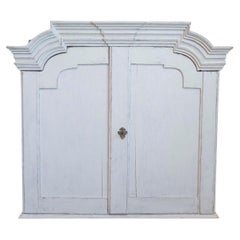
Antique 19th Century Swedish Rococo Cabinets
Glass, Wood

Antique 18th Century Swedish Rococo Cabinets
Wood
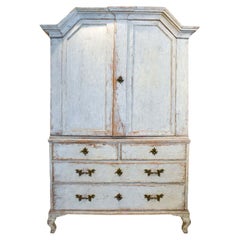
Antique 18th Century Swedish Rococo Cupboards
Wood
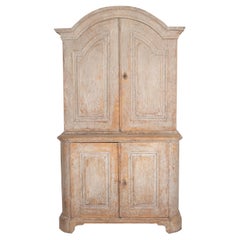
Antique 18th Century and Earlier Swedish Corner Cupboards
Wood, Glass
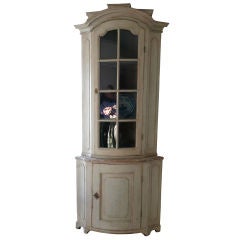
Antique 19th Century Swedish Rococo Cupboards
Wood
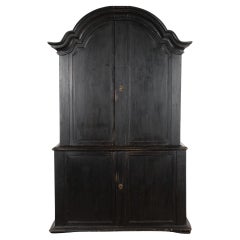
Antique 19th Century Swedish Rococo Cabinets
Wood
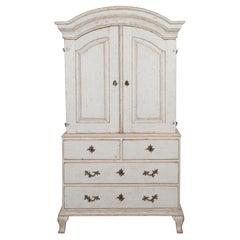
Antique 1780s Swedish Rococo Secretaires
Wood
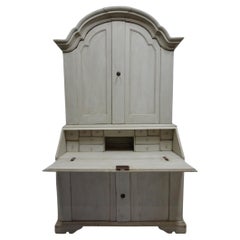
Antique Late 18th Century Swedish Rococo Cabinets
Wood
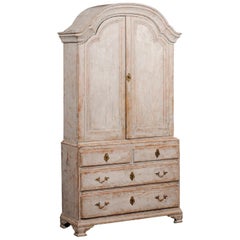
Antique Mid-18th Century Swedish Rococo Linen Presses
Wood
- 1
Swedish Rococo Wood Cabinets For Sale on 1stDibs
How Much are Swedish Rococo Wood Cabinets?
A Close Look at Rococo Furniture
Rococo was an aesthetic movement in the fine and decorative arts in the 18th century that found its inspiration in nature and fostered an overall lightness and delicacy of form, construction and ornament in interior design. Rococo furniture, while greatly influenced by trends in Italy and Germany, is often called Louis XV style — the movement having reached its best expression during that sybaritic French king’s reign.
The term “rococo” is thought to be a portmanteau of the French words rocaille and coquilles — “rock” and “shells” — organic motifs frequently used in architecture and design of the style.
When it comes to authentic Rococo furniture's characteristics, it is above all sensuous and social. The furniture of earlier eras in Europe had been heavy in every sense; the Rococo period saw the appearance of light-framed upholstered armchairs, side chairs and occasional tables that could easily be moved to form conversational circles.
The signal detail of Rococo furniture design is the gently curved cabriole, or S-shaped chair-, table-, and cabinet-leg. It imitates the bend of a tree limb or a flower stem. In a further reference to nature, furnishings were often asymmetrical and painted white, or in soft, pastel shades. Rococo has become a timeless style, and as the furniture pieces presented on 1stDibs demonstrate, its playful, sculptural forms can provide visual excitement to contemporary, clean-lined spaces.
Finding the Right Case Pieces And Storage Cabinets for You
Of all the vintage storage cabinets and antique case pieces that have become popular in modern interiors over the years, dressers, credenzas and cabinets have long been home staples, perfect for routine storage or protection of personal items.
In the mid-19th century, cabinetmakers would mimic styles originating in the Louis XIV, Louis XV and Louis XVI eras for their dressers, bookshelves and other structures, and, later, simpler, streamlined wood designs allowed these “case pieces” or “case goods” — any furnishing that is unupholstered and has some semblance of a storage component — to blend into the background of any interior.
Mid-century modern furniture enthusiasts will cite the tall modular wall units crafted in teak and other sought-after woods of the era by the likes of George Nelson, Poul Cadovius and Finn Juhl. For these highly customizable furnishings, designers of the day delivered an alternative to big, heavy bookcases by considering the use of space — and, in particular, walls — in new and innovative ways. Mid-century modern credenzas, which, long and low, evolved from tables that were built as early as the 14th century in Italy, typically have no legs or very short legs and have grown in popularity as an alluring storage option over time.
Although the name immediately invokes images of clothing, dressers were initially created in Europe for a much different purpose. This furnishing was initially a flat-surfaced, low-profile side table equipped with a few drawers — a common fixture used to dress and prepare meats in English kitchens throughout the Tudor period. The drawers served as perfect utensil storage. It wasn’t until the design made its way to North America that it became enlarged and equipped with enough space to hold clothing and cosmetics. The very history of case pieces is a testament to their versatility and well-earned place in any room.
In the spirit of positioning your case goods center stage, decluttering can now be design-minded.
A contemporary case piece with open shelving and painted wood details can prove functional as a storage unit as easily as it can a room divider. Alternatively, apothecary cabinets are charming case goods similar in size to early dressers or commodes but with uniquely sized shelving and (often numerous) drawers.
Whether you’re seeking a playful sideboard that features colored glass and metal details, an antique Italian hand-carved storage cabinet or a glass-door vitrine to store and show off your collectibles, there are options for you on 1stDibs.