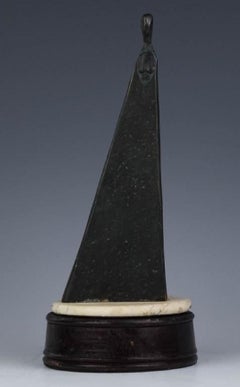
Sydney Kumalo
20th Century Modern Figurative Sculptures
Marble, Bronze
Recent Sales
20th Century Modern Figurative Sculptures
Marble, Bronze
People Also Browsed
20th Century Chinese Palladian Screens and Room Dividers
Wood

Vintage 1960s French Mid-Century Modern Wardrobes and Armoires
Wood

Vintage 1970s Mid-Century Modern Night Stands
Walnut
2010s Contemporary Abstract Sculptures
Steel
2010s American Modern Coffee and Cocktail Tables
Maple
2010s American Modern Coffee and Cocktail Tables
Maple, Oak, Plywood
Vintage 1970s American Egyptian Revival Benches
Gold Leaf
Vintage 1960s French Art Deco Magazine Racks and Stands
Wrought Iron

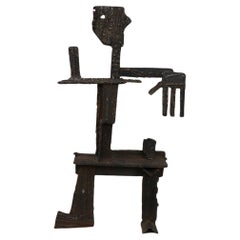
Vintage 1960s Mexican Brutalist Wall-mounted Sculptures
Iron
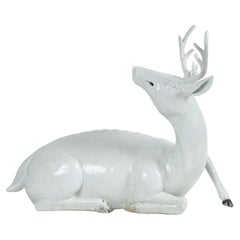
Antique 19th Century Chinese Animal Sculptures
Porcelain
Mid-20th Century French Armchairs
Upholstery, Wood

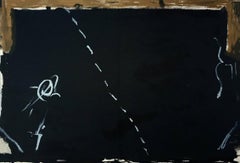
1960s Surrealist Abstract Prints
Lithograph
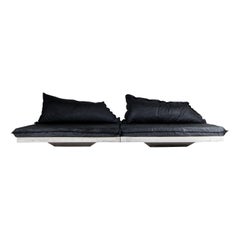
2010s Swedish Modern Daybeds
Concrete
1990s Contemporary Figurative Sculptures
Steel
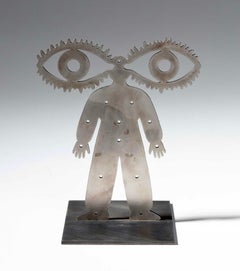
Grisha BruskinRussian Judaica "Vision" Abstract Kabbalah Figure Steel Sculpture Grisha Bruskin, 1992
1970s Abstract Expressionist Abstract Paintings
Paper, Oil

1950s Modern Abstract Prints
Lithograph
A Close Look at Modern Art
The first decades of the 20th century were a period of artistic upheaval, with modern art movements including Cubism, Surrealism, Futurism and Dadaism questioning centuries of traditional views of what art should be. Using abstraction, experimental forms and interdisciplinary techniques, painters, sculptors, photographers, printmakers and performance artists all pushed the boundaries of creative expression.
Major exhibitions, like the 1913 Armory Show in New York City — also known as the “International Exhibition of Modern Art,” in which works like the radically angular Nude Descending a Staircase by Marcel Duchamp caused a sensation — challenged the perspective of viewers and critics and heralded the arrival of modern art in the United States. But the movement’s revolutionary spirit took shape in the 19th century.
The Industrial Revolution, which ushered in new technology and cultural conditions across the world, transformed art from something mostly commissioned by the wealthy or the church to work that responded to personal experiences. The Impressionist style emerged in 1860s France with artists like Claude Monet, Paul Cézanne and Edgar Degas quickly painting works that captured moments of light and urban life. Around the same time in England, the Pre-Raphaelites, like Edward Burne-Jones and Dante Gabriel Rossetti, borrowed from late medieval and early Renaissance art to imbue their art with symbolism and modern ideas of beauty.
Emerging from this disruption of the artistic status quo, modern art went further in rejecting conventions and embracing innovation. The bold legacy of leading modern artists Georges Braque, Pablo Picasso, Frida Kahlo, Salvador Dalí, Henri Matisse, Joan Miró, Marc Chagall, Piet Mondrian and many others continues to inform visual culture today.
Find a collection of modern paintings, sculptures, prints and other fine art on 1stDibs.
Finding the Right Figurative-sculptures for You
Figurative sculptures mix reality and imagination, with the most common muse being the human body. Animals are also inspirations for these sculptures, along with forms found in nature.
While figurative sculpture dates back over 35,000 years, the term came into popularity in the 20th century to distinguish it from abstract art. It was aligned with the Expressionist movement in that many of its artists portrayed reality but in a nonnaturalistic and emotional way. In the 1940s, Alberto Giacometti — a Swiss-born artist who was interested in African art, Cubism and Surrealism — created now-iconic representational sculptures of the human figure, and after World War II, figurative sculpture as a movement continued to flourish in Europe.
Lucian Freud and Francis Bacon were some of the leading figurative artists during this period. Artists like Jeff Koons and Maurizio Cattelan propelled the evolution of figurative sculpture into the 21st century.
Figurative sculptures can be whimsical, uncanny and beautiful. Their materials range from stone and wood to metal and delicate ceramics. Even in smaller sizes, the sculptures make bold statements. A bronze sculpture by Salvador Dalí enhances a room; a statuesque bull by Jacques Owczarek depicts strength with its broad chest while its thin legs speak of fragility. Figurative sculptures allow viewers to see what is possible when life is reimagined.
Browse 1stDibs for an extensive collection of figurative sculptures and find the next addition to your collection.