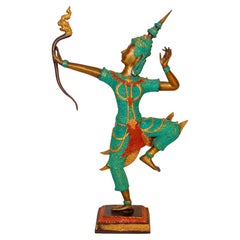
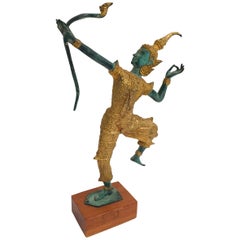
Thai Prince Rama
Mid-20th Century Thai Folk Art Sculptures and Carvings
Bronze

Recent Sales
Mid-20th Century Thai Folk Art Sculptures and Carvings
Bronze
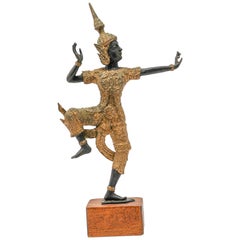
Mid-20th Century Thai Folk Art Sculptures and Carvings
Bronze
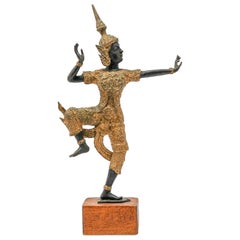
Mid-20th Century Thai Folk Art Sculptures and Carvings
Bronze
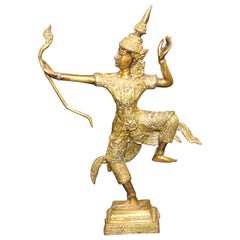
Mid-20th Century Thai Folk Art Sculptures and Carvings
Bronze
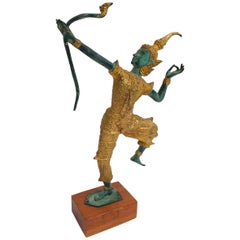
Mid-20th Century Thai Folk Art Sculptures and Carvings
Bronze
People Also Browsed
Vintage 1910s American Art Nouveau Table Lamps
Bronze
Antique 18th Century French Louis XV Fireplaces and Mantels
Carrara Marble
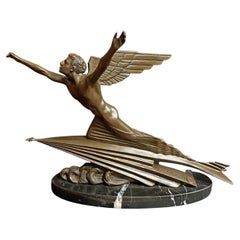
Vintage 1930s French Art Deco Figurative Sculptures
Bronze
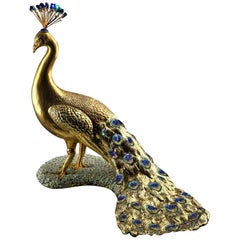
21st Century and Contemporary Italian Animal Sculptures
Crystal, Gold Plate, Brass
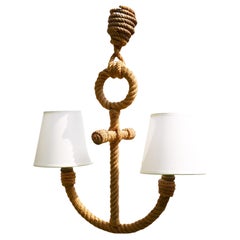
Vintage 1950s European French Provincial Chandeliers and Pendants
Rope
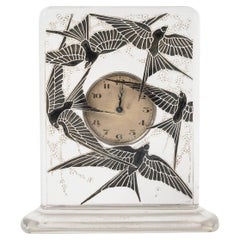
Vintage 1920s French Art Deco Glass
Glass
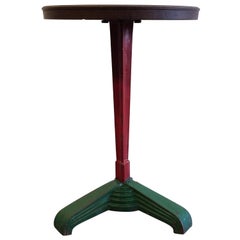
Vintage 1930s French Art Deco Side Tables
Iron
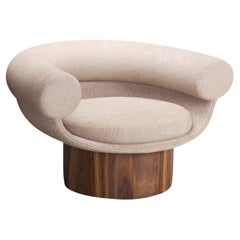
2010s Portuguese Armchairs
Fabric, Wood
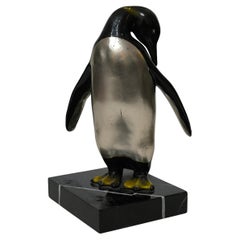
Vintage 1920s French Art Deco Animal Sculptures
Marble, Bronze, Nickel
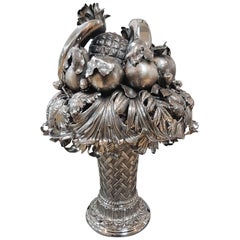
Vintage 1970s Italian Renaissance Revival Sterling Silver
Sterling Silver
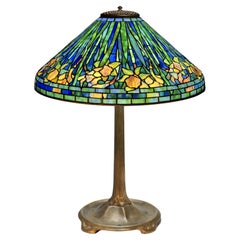
Vintage 1910s American Art Nouveau Table Lamps
Bronze
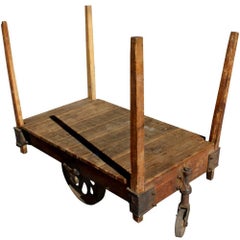
Antique 19th Century European Industrial Carts and Bar Carts
Wood
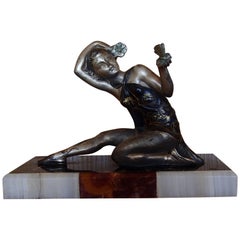
Vintage 1930s French Art Deco Figurative Sculptures
Marble, Bronze
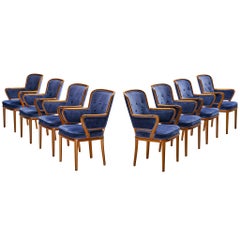
Vintage 1940s Swedish Art Deco Chairs
Mahogany
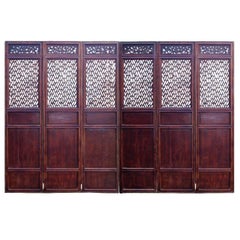
Antique 19th Century Chinese Paintings and Screens
Wood
Antique 1880s French Art Nouveau Figurative Sculptures
Bronze

A Close Look at Folk-art Furniture
Folk art is a genre of art that shares the creator’s traditions, offering not just an artistic display but an opportunity to learn about a culture. Antique, new and vintage folk art typically reflects a heritage or location. It can include utilitarian objects and handmade art as diverse as weather vanes, duck decoys, portraiture and paintings, carnival art and quilts.
Quilts are a quintessential part of American folk art but their roots are international, with quilting dating back to Ancient Egypt. The practice spread to Europe and was especially prominent in the Middle Ages, with one of the oldest surviving examples being the Tristan quilt made in Sicily in the 14th century. They were made as bedcovers and clothing, including as a layer for knights to wear beneath their armor. Native American folk art includes functional objects reflecting their heritage, such as baskets, textiles and wooden pieces.
Elsewhere, the vast range of work associated with Mexican folk art includes masks made by Mexican craftspeople for traditional celebrations and ceremonial dances. Mexican masks are part of the country’s folk-art traditions that go back thousands of years and play a role in festivals and theater.
Works in the folk art tradition are valuable because of the skills involved, like weaving, hand-carving wood and even stonework. Many folk artists are self-taught, while some train as apprentices within their community. By using available materials and taking a personal approach to their creations, artists ensure each piece is unique and conveys a story.
During the Great Depression, artistic materials in America were hard to come by, so artisans used discarded wood from cigar boxes and shipping crates to make highly stylized, notched pieces — most often picture frames and boxes — that are today sought after by collectors. This folk art style is called tramp art and was popular from roughly 1870 until the 1940s.
Folk art brings vibrant culture and traditions into your home. Browse an extensive collection of antique, new and vintage folk art on 1stDibs.
Finding the Right Sculptures-carvings for You
Asian sculptors have worked in materials including wood, bronze and jade. Artists and artisans have used traditional techniques to depict deities, scenes from culture and more, and today, antique Asian sculptures and carvings are a popular choice for provocative and sophisticated home decor.
In China, the Qing dynasty, from the mid-17th century to the early 20th century, brought about significant changes in art while preserving traditional culture. Many emperors during this period were patrons of the arts, such as painting, calligraphy and decorative arts. This era saw the building of new Buddhist temples, which were decorated with statues. Some of these sculptures were adorned with colorful cloisonné decoration, in which tiny compartments, or cloisons, made by soldering copper filaments to a metal surface were filled with vibrantly hued enamel.
From the 17th to mid-19th century in Japan, kimonos were worn across classes and often fastened with a netsuke, a type of small carved toggle. Artists carved these from ivory, wood, shells and coral, creating animals, flowers and mythical creatures. During the Japanese Meiji period, spanning from 1868–1912, the country began trading internationally after centuries of isolation, allowing artists to sell their work overseas. Bronze sculpture flourished around this time for creating teapots, vases and incense burners.
Asian sculpture continued to evolve in the 20th century. During the Japanese Shōwa era, from 1926–89, art was influenced by international modernist movements like abstraction, Futurism and Surrealism. Contemporary Asian sculptures and carvings continue to combine global influences and a rich heritage of technique.
Decorating a space with Asian sculptures and carvings is a great way to add interest to any corner of your home. Explore by material, period or style on 1stDibs.