Thomasville Barrel Chairs
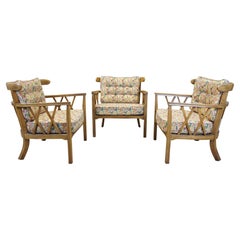
Vintage 1950s Mid-Century Modern Club Chairs
Upholstery, Walnut

People Also Browsed
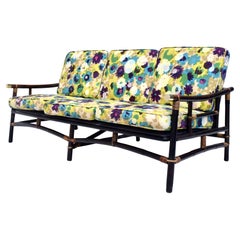
Mid-20th Century American Mid-Century Modern Patio and Garden Furniture
Upholstery, Bamboo, Rattan
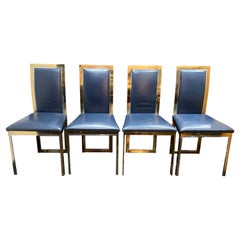
Vintage 1970s Italian Dining Room Chairs
Brass, Chrome
Late 20th Century Mid-Century Modern Sofas
Fabric
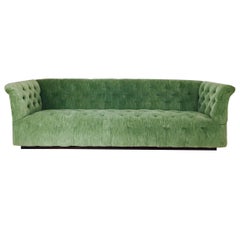
20th Century American Mid-Century Modern Sofas
Fabric, Wood
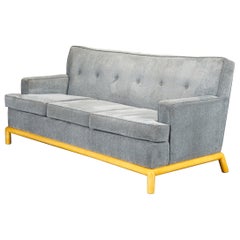
Vintage 1970s Mid-Century Modern Sofas
Rattan
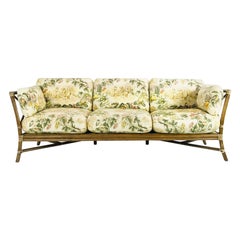
Vintage 1930s Swedish Art Deco Secretaires
Mahogany
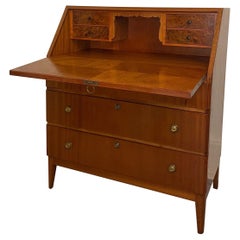
Vintage 1970s Italian Post-Modern Loveseats
Cotton
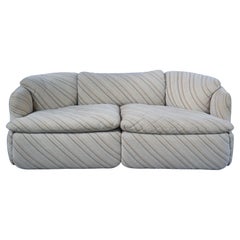
Vintage 1960s Swedish Scandinavian Modern Sofas
Leather, Mahogany
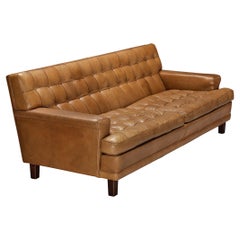
Mid-20th Century American Mid-Century Modern Patio and Garden Furniture
Wrought Iron
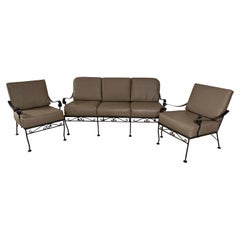
Mid-20th Century Art Deco Club Chairs
Fabric, Oak
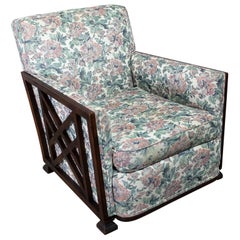
20th Century English Victorian Living Room Sets
Upholstery, Beech, Walnut

Antique 18th Century Dressers
Oak
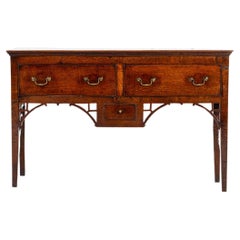
21st Century and Contemporary Wardrobes and Armoires
Lacquer
Mid-20th Century American Classical Wingback Chairs
Brass
Vintage 1930s German Mid-Century Modern Settees
Metal
Mid-20th Century Mid-Century Modern Sofas
Wood
Thomasville for sale on 1stDibs
Thomasville Furniture was once a manufacturing giant known for its chic designs and popular licensed collections. Today, every vintage solid wood Thomasville cabinet, dining chair and dining table is a charming piece of American furniture history.
Thomasville was founded in 1904 in the town of Thomasville, North Carolina. The neighboring city of High Point, home to Tomlinson and others, would one day be known as the capital of American-made furniture, while iconic mid-century modern brands Century, Broyhill and Drexel also opened their doors in the so-called “Tar Heel State.”
Thomasville’s initial offerings were limited to one item — the Thomasville chair — and it was known in its early days as the Thomasville Chair Company. People loved Thomasville chairs so much that demand surged for more types of seating and other furnishings. In 1922, there was even a 13-foot replica of the original chair design installed in the town square. Dubbed "The Big Chair," it was rebuilt in 1951 to a height of 30 feet and still serves as the town's most notable landmark.
Thomasville quickly grew and expanded, and was featured in hundreds of retail stores across America. The manufacturer also established Thomasville Home Furnishing stores to carry the company’s products exclusively. In 1995, Thomasville was purchased by Interco Inc.
In 2002, Thomasville unveiled the Humphrey Bogart collection, the first of two highly successful licensed collections. Inspired by the Art Deco movement as well as the Hollywood Regency style, the theatrical line of alluring mahogany chests, mirror-topped nesting tables and other furnishings positioned glamour and sophistication front and center. Upon seeing the collection, Bogart's widow, actress Lauren Bacall, remarked, "They haven't missed a trick."
This was followed in 2004 by the Ernest Hemingway collection, released to coincide with the 50th anniversary of the writer's Nobel Prize. The collection, which included sleigh beds, chests, dining tables and more, drew on Chippendale furniture and the French Rococo style. It represented the largest launch in Thomasville's history, boosting the company's sales and brand image.
In 2008, Thomasville introduced a new signature collection in collaboration with designer Darryl Carter. The partnership yielded a line of versatile traditionalist center tables, seating and other pieces with a contemporary twist and saw Carter offering a fresh take on the classic work for which Thomasville is known.
In 2014, Thomasville, then owned by Heritage Home Group, announced the end of operations in its native city.
On 1stDibs, find vintage Thomasville case pieces, tables, seating and more.
A Close Look at Mid-century Modern Furniture
Organically shaped, clean-lined and elegantly simple are three terms that well describe vintage mid-century modern furniture. The style, which emerged primarily in the years following World War II, is characterized by pieces that were conceived and made in an energetic, optimistic spirit by creators who believed that good design was an essential part of good living.
ORIGINS OF MID-CENTURY MODERN FURNITURE DESIGN
- Emerged during the mid-20th century
- Informed by European modernism, Bauhaus, International style, Scandinavian modernism and Frank Lloyd Wright’s architecture
- A heyday of innovation in postwar America
- Experimentation with new ideas, new materials and new forms flourished in Scandinavia, Italy, the former Czechoslovakia and elsewhere in Europe
CHARACTERISTICS OF MID-CENTURY MODERN FURNITURE DESIGN
- Simplicity, organic forms, clean lines
- A blend of neutral and bold Pop art colors
- Use of natural and man-made materials — alluring woods such as teak, rosewood and oak; steel, fiberglass and molded plywood
- Light-filled spaces with colorful upholstery
- Glass walls and an emphasis on the outdoors
- Promotion of functionality
MID-CENTURY MODERN FURNITURE DESIGNERS TO KNOW
- Charles and Ray Eames
- Eero Saarinen
- Milo Baughman
- Florence Knoll
- Harry Bertoia
- Isamu Noguchi
- George Nelson
- Danish modernists Hans Wegner and Arne Jacobsen, whose emphasis on natural materials and craftsmanship influenced American designers and vice versa
ICONIC MID-CENTURY MODERN FURNITURE DESIGNS
- Eames lounge chair
- Nelson daybed
- Florence Knoll sofa
- Egg chair
- Womb chair
- Noguchi coffee table
- Barcelona chair
VINTAGE MID-CENTURY MODERN FURNITURE ON 1STDIBS
The mid-century modern era saw leagues of postwar American architects and designers animated by new ideas and new technology. The lean, functionalist International-style architecture of Le Corbusier and Bauhaus eminences Ludwig Mies van der Rohe and Walter Gropius had been promoted in the United States during the 1930s by Philip Johnson and others. New building techniques, such as “post-and-beam” construction, allowed the International-style schemes to be realized on a small scale in open-plan houses with long walls of glass.
Materials developed for wartime use became available for domestic goods and were incorporated into mid-century modern furniture designs. Charles and Ray Eames and Eero Saarinen, who had experimented extensively with molded plywood, eagerly embraced fiberglass for pieces such as the La Chaise and the Womb chair, respectively.
Architect, writer and designer George Nelson created with his team shades for the Bubble lamp using a new translucent polymer skin and, as design director at Herman Miller, recruited the Eameses, Alexander Girard and others for projects at the legendary Michigan furniture manufacturer.
Harry Bertoia and Isamu Noguchi devised chairs and tables built of wire mesh and wire struts. Materials were repurposed too: The Danish-born designer Jens Risom created a line of chairs using surplus parachute straps for webbed seats and backrests.
The Risom lounge chair was among the first pieces of furniture commissioned and produced by celebrated manufacturer Knoll, a chief influencer in the rise of modern design in the United States, thanks to the work of Florence Knoll, the pioneering architect and designer who made the firm a leader in its field. The seating that Knoll created for office spaces — as well as pieces designed by Florence initially for commercial clients — soon became desirable for the home.
As the demand for casual, uncluttered furnishings grew, more mid-century furniture designers caught the spirit.
Classically oriented creators such as Edward Wormley, house designer for Dunbar Inc., offered such pieces as the sinuous Listen to Me chaise; the British expatriate T.H. Robsjohn-Gibbings switched gears, creating items such as the tiered, biomorphic Mesa table. There were Young Turks such as Paul McCobb, who designed holistic groups of sleek, blond wood furniture, and Milo Baughman, who espoused a West Coast aesthetic in minimalist teak dining tables and lushly upholstered chairs and sofas with angular steel frames.
Generations turn over, and mid-century modern remains arguably the most popular style going. As the collection of vintage mid-century modern chairs, dressers, coffee tables and other furniture for the living room, dining room, bedroom and elsewhere on 1stDibs demonstrates, this period saw one of the most delightful and dramatic flowerings of creativity in design history.
Finding the Right Club-chairs for You
Traditionally covered in leather and abundantly luxurious, antique and vintage club chairs are among the most comfortable pieces of furniture that you could ever bring into your living room. The classic club chair is one of the 52 types of chairs to know when decorating your home.
While the club chair was especially popular in France during the 1920s — known there as fauteuil confortable (or “comfortable armchair”) — modern versions are derived from those used in 19th-century English gentlemen’s clubs, which is believed to be the origin of their name. A riff on the traditional armchair, these seats typically have low backs, extra-wide armrests and more than sufficient padding to support extended lounging.
Well-known modern interpretations of the club chair can be found in Marcel Breuer’s pared-down Wassily lounge chair and in the cube-like seats of the LC collection, designed by Charles-Édouard “Le Corbusier” Jeanneret, Pierre Jeanneret and Charlotte Perriand. Debuting in 1956, the celebrated Eames lounge chair was a fresh, subversive new take on the classic English club chair and a culmination of experimentation by Charles and Ray Eames, its inventive creators.
When shopping for any style of club chair, be it a mid-century modern club chair, an Art Deco club chair or another type, you’ll want to think about the room you have in mind for this distinct seating. Club chairs occupy a lot of real estate, as they’re usually larger than standard chairs. (You’ll want to make certain that there is at least one foot of space around the chair, for example, to ensure the sitter doesn’t feel cramped and that there is room to move freely around the furnishing.) And although they were originally upholstered in leather, contemporary iterations of the club chair can be found in fabric and plastic.
Introduce a decadent atmosphere and a whole lot of comfort in your living room or reading nook. Explore a collection of antique, new and vintage club chairs on 1stDibs.