Tiffany Edwardian Necklace
20th Century Edwardian Drop Necklaces
Diamond, Natural Pearl, Sapphire, Platinum
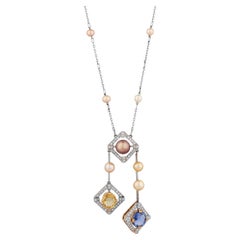
Vintage 1910s Edwardian Necklace Enhancers
Diamond, 14k Gold, Platinum, Enamel


Antique Early 1900s Edwardian Pendant Necklaces
Diamond, 18k Gold, Platinum
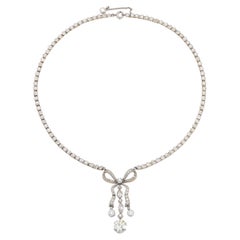
Vintage 1910s Edwardian Pendant Necklaces
Diamond, Gold, 18k Gold, Yellow Gold, Platinum, Enamel
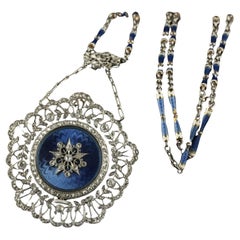
Antique 19th Century Edwardian Pendant Necklaces
Diamond, Gold
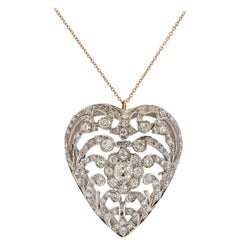
Vintage 1910s American Edwardian Pendant Necklaces
Gold, Yellow Gold, Enamel, 18k Gold
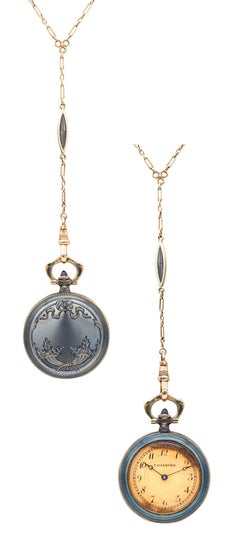
21st Century and Contemporary Pendant Necklaces
Diamond, Pearl, 18k Gold, Yellow Gold
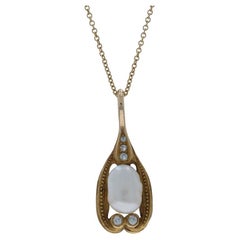
Antique Early 1900s Edwardian Pendant Necklaces
Gold, 18k Gold, Rose Gold, White Gold, Yellow Gold
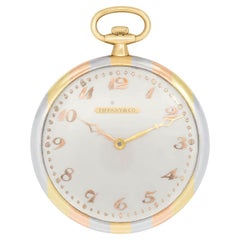
Vintage 1910s Edwardian Pendant Necklaces
Diamond, Gold, 18k Gold, Yellow Gold, Platinum, Enamel
Antique 19th Century American Edwardian Pendant Necklaces
Diamond, White Diamond, Sapphire, Gold, 18k Gold
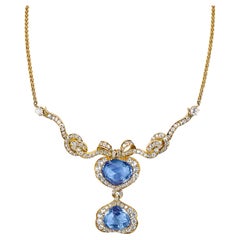
20th Century American Edwardian Pendant Necklaces
Jade, 14k Gold, Yellow Gold
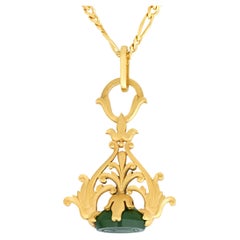
Vintage 1910s French Edwardian Pendant Necklaces
Diamond, White Diamond, Gold, 18k Gold, Yellow Gold, Platinum, Enamel, S...
Recent Sales
20th Century Unknown Edwardian Pendant Necklaces
Aquamarine, Diamond, Platinum
Antique Early 1900s American Edwardian Pendant Necklaces
Diamond, Natural Pearl, Platinum
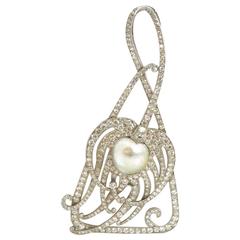
Antique Early 19th Century American Edwardian Drop Necklaces
Diamond, Gold, Platinum
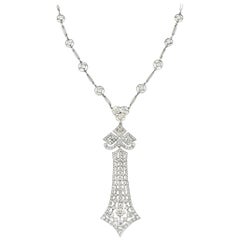
Antique Early 1900s American Edwardian Pendant Necklaces
Aquamarine, Diamond, White Diamond, Platinum
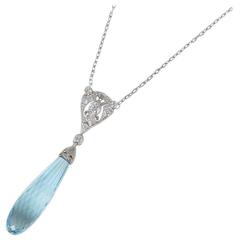
Vintage 1910s American Edwardian Drop Necklaces
Diamond, White Diamond, Pearl, Natural Pearl, Platinum
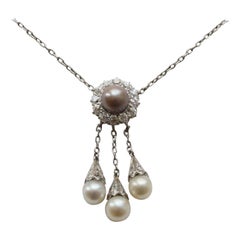
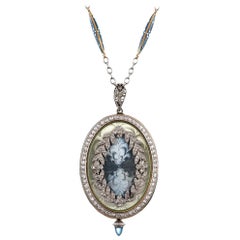
Vintage 1910s Pendant Necklaces
Diamond, Enamel
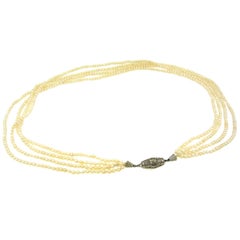
20th Century American Edwardian Multi-Strand Necklaces
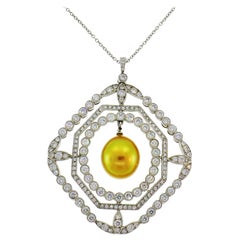
1990s American Edwardian Pendant Necklaces
White Diamond, Pearl, Platinum
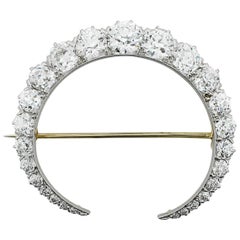
Late 20th Century Unknown Edwardian Brooches
White Diamond
Early 20th Century American Edwardian Pendant Necklaces
Diamond, Platinum
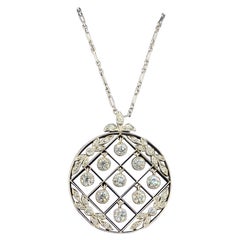
Antique 1890s Edwardian More Necklaces
Diamond, Natural Pearl, 18k Gold, Yellow Gold, Platinum
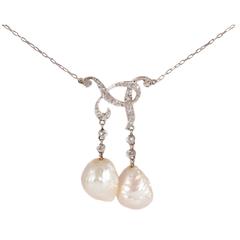
Vintage 1910s American Edwardian Pendant Necklaces
White Diamond, 18k Gold
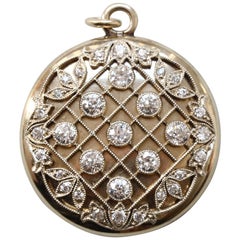
Antique Early 1900s French Edwardian Pendant Necklaces
Freshwater Pearl, Turquoise, 18k Gold
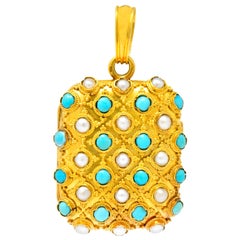
20th Century Unknown Edwardian Necklace Enhancers
Diamond, 18k Gold, Platinum
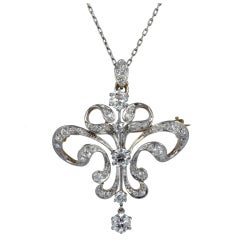
Early 20th Century American Edwardian Pendant Necklaces
Diamond, Platinum
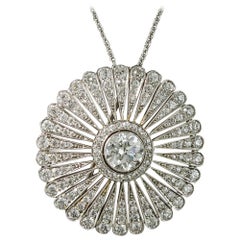
21st Century and Contemporary American Edwardian Drop Necklaces
Aquamarine, Diamond, White Diamond, Platinum
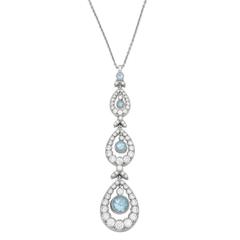
20th Century American Edwardian Drop Necklaces
Diamond, Natural Pearl, Platinum
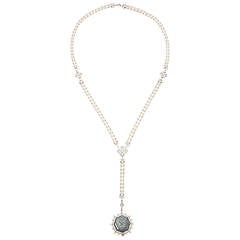
21st Century and Contemporary American Edwardian Pendant Necklaces
Aquamarine, Diamond, Platinum
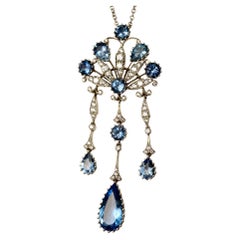
Early 20th Century Edwardian Pendant Necklaces
Diamond, Pearl, Sapphire, Blue Sapphire, Pink Sapphire, Yellow Sapphire,...
People Also Browsed
Early 2000s French Evening Dresses and Gowns
2010s Wrist Watches
1930s French Jackets
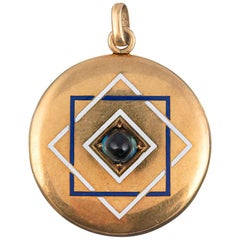
Antique 1890s Pendant Necklaces
Sapphire, 18k Gold, Yellow Gold, Enamel
1990s French Evening Dresses
1990s Italian Maxi Dress
1960s Unknown Loungewear
Early 2000s American Choker Necklaces
Diamond, Cultured Pearl, Platinum
1990s Italian Crop Tops
1990s French Clutches
1990s Italian Mini Dress
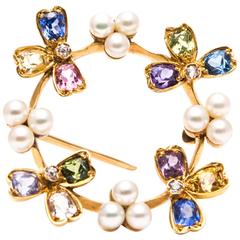
Mid-20th Century Unknown Brooches
Diamond, Platinum
1990s British Evening Dresses and Gowns
1980s Italian Tote Bags

Early 20th Century French Art Deco Desk Accessories
14k Gold, Yellow Gold
Vintage 1980s French Wrist Watches
White Diamond, Yellow Diamond, Emerald, Onyx, 18k Gold
Tiffany Edwardian Necklace For Sale on 1stDibs
How Much is a Tiffany Edwardian Necklace?
Tiffany Co. for sale on 1stDibs
Tiffany Co. is one of the most prominent purveyors of luxury goods in the United States, and has long been an important arbiter of style in the design of diamond engagement rings. A young Franklin Delano Roosevelt proposed to his future wife, Eleanor, with a Tiffany ring in 1904. Vanderbilts, Whitneys, Astors and members of the Russian imperial family all wore Tiffany Co. jewelry. And Jacqueline Kennedy Onassis preferred Tiffany china for state dinners at the White House.
Although synonymous with luxury today, the firm started out rather modestly. Charles Lewis Tiffany and John B. Young founded it in Connecticut as a “stationery and fancy goods emporium” in 1837, at a time when European imports still dominated the nascent American luxury market. In 1853, Charles Tiffany — who in 1845 had launched the company’s famed catalog, the Blue Book, and with it, the firm’s signature robin’s-egg blue, which he chose for the cover — shifted the focus to fine jewelry.
In 1868, Tiffany Co. gained international recognition when it became the first U.S. firm to win an award for excellence in silverware at the Exposition Universelle in Paris. From then on, it belonged to the pantheon of American luxury brands.
At the start of the Gilded Age, in 1870, Tiffany Co. opened its flagship store, described as a "palace of jewels" by the New York Times, at 15 Union Square West in Manhattan. Throughout this period, its designs for silver tableware, ceremonial silver, flatware and jewelry were highly sought-after indicators of status and taste. They also won the firm numerous accolades, including the grand prize for silverware at the Paris Exposition of 1878. Among the firm’s glittering creations from this time are masterworks of Art Nouveau jewelry, such as this delicate aquamarine necklace and this lavish plique-à-jour peridot and gold necklace, both circa 1900.
When Charles Lewis Tiffany died, in 1902, his son Louis Comfort Tiffany became the firm’s design director. Under his leadership, the Tiffany silver studio was a de facto design school for apprentice silversmiths, who worked alongside head artisan Edward C. Moore. The firm produced distinctive objects inspired by Japanese art and design, North American plants and flowers, and Native American patterns and crafts, adding aesthetic diversity to Tiffany Co.’s distinguished repertoire.
Tiffany is also closely associated with diamonds, even lending its name to one particularly rare and exceptional yellow stone. The firm bought the Tiffany diamond in its raw state from the Kimberley mines of South Africa in 1878. Cut to create a 128.54-carat gem with an unprecedented 82 facets, it is one of the most spectacular examples of a yellow diamond in the world.
In a broader sense, Tiffany Co. helped put diamonds on the map in 1886 by introducing the American marketplace to the solitaire diamond design, which is still among the most popular engagement-ring styles. The trademark Tiffany® Setting raises the stone above the band on six prongs, allowing its facets to catch the light. A lovely recent example is this circa-2000 platinum engagement ring. Displaying a different design and aesthetic (but equally chic) is this exquisite diamond and ruby ring from the 1930s.
Find Tiffany Co. jewelry, serveware and decorative objects for sale on 1stDibs.
A Close Look at Edwardian Jewelry
Antique Edwardian jewelry is named for King Edward VII of Great Britain, who ruled from 1901 until 1910. Classic Edwardian necklaces, engagement rings, earrings and other jewelry are often overshadowed by the more popular style of the era, Art Nouveau, which is a shame. At its best, Edwardian jewelry was all about the exquisite diamond, platinum and pearl creations made by such famous names as Cartier and Boucheron.
Edward introduced incredibly formal Buckingham Palace court presentations, balls and soirées, resulting in a huge demand for diamond jewels starting with his coronation in 1902. Dozens of tiaras and formal jewels in an updated 18th-century style were purchased from French jewelers Boucheron and Chaumet and from Russia’s Fabergé. The court jewelers Asprey, Garrard, Carrington and the newly opened London branch of Cartier were all overwhelmed with orders for sumptuous diamond jewelry to be worn at the king’s elaborate coronation.
During the Edwardian era, pearls were more valuable than diamonds. The pear-shaped pearl La Peregrina, for example, belonged to some of the most fabulous and strongest women in history and bounced among royal courts in Spain, France and Russia for several centuries. So while today the scale and clarity of a diamond ring matters, back then the size and quantity of your pearls was more important a declaration of wealth. And just as Victorian notions of propriety and femininity began to change after Queen Victoria died in 1901, jewelry design also evolved but there was some overlap with late Victorian styles.
Women of the Edwardian period sported bejeweled headpieces like tiaras and bandeaus with feathered aigrettes. Another popular piece of jewelry that is said to have been directly inspired by Queen Alexandra were colliers de chien, or dog collars — today's choker necklaces — which consisted of either a ribbon decorated with a brooch, a gemstone or several strands of pearls strung closely together.
Two major jewelry houses, Cartier and Boucheron, were founded in the mid-1850s, and by the beginning of the 20th century, the wealthy considered them household names. The Cartier brand became even more desirable once the house became the official jewelry supplier to King Edward VII. Cartier took this title seriously and designed some of the most innovative jewelry of its day, since it was willing to experiment with new materials like platinum and because it was mindful of fashion trends. Filigree settings also became popular. This saw-piercing technique was decorative and at the same time created a sense of lightness.
Perhaps even more important than Cartier’s use of platinum was the founding of De Beers Consolidated Mines Limited in 1888. The discovery of new diamond mines made the stone more affordable and prompted the introduction of new gemstone cuts. It is not uncommon to see Edwardian jewels with baguette or briolette diamonds.
Find antique Edwardian rings, bracelets, watches and other jewelry on 1stDibs.
The Legacy of Diamond in Jewelry Design
Antique diamond rings, diamond tiaras and dazzling vintage diamond earrings are on the wish lists of every lover of fine jewelry. And diamonds and diamond jewelry are primarily associated with storybook engagements and red-carpet grand entrances — indeed, this ultra-cherished gemstone has a dramatic history on its hands.
From “A Diamond Is Forever” to “Diamonds Are a Girl’s Best Friend,” pop culture has ingrained in our minds that diamonds are the most desired, the most lasting and the most valuable gemstone. But what makes the diamond so special? Each stone — whether it’s rubies, sapphires or another stone — is unique and important in its own right. April babies might claim diamonds for themselves, but just about everyone wants this kind of sparkle in their lives!
There are several factors that set diamonds apart from other stones, and these points are important to our gem education.
Diamonds are minerals. They are made up of almost entirely of carbon (carbon comprises 99.95 percent; the remainder consists of various trace elements). Diamonds are the hardest gemstones, ranking number 10 on the Mohs Hardness Scale. Even its name, diamond, is rooted in the Greek adamas, or unconquerable. The only object that can scratch a diamond is another diamond. Diamonds are formed deep within the earth at very high temperatures (1,652–2,372 degrees Fahrenheit at depths between 90 and 120 miles beneath the earth’s surface) and are carried up by volcanic activity. Diamonds are quite rare, according to the Gemological Institute of America, and only 30 percent of all the diamonds mined in the world are gem quality.
In the 1950s, the Gemological Institute of America developed the 4Cs grading system to classify diamonds: clarity, color, cut and carat weight. Not all diamonds are created equal (there are diamonds, and then there are diamonds). The value of the diamond depends on the clarity (flawless diamonds are very rare but a diamond's value decreases if there are many blemishes or inclusions), color (the less color the higher the grade), cut (how the diamond’s facets catch the light, certain cuts of diamonds show off the stone better than others) and carat weight (the bigger, the better).
When you start shopping for a diamond engagement ring, always prioritize the cut, which plays the largest role in the diamond's beauty (taking the time to clean your diamond ring at least every six months or so plays a role in maintaining said beauty). And on 1stDibs, a range of buying guides can be found for those in the market for antique engagement rings, vintage engagement rings or Art Deco engagement rings.
Shop antique and vintage diamond rings, diamond necklaces and other extraordinary diamond jewelry on 1stDibs.
Finding the Right Necklaces for You
We are fortunate to know much of the world’s long and dazzling history of necklaces, as this type of jewelry was so treasured that it was frequently buried with its owners. Today, Van Cleef necklaces, Tiffany necklaces and Cartier necklaces are some of the most popularly searched designer necklaces on 1stDibs.
Lapis lazuli beads adorned necklaces unearthed from the royal graves at the ancient Iraqi civilization of Sumer, while the excavation of King Tut’s burial chamber revealed a sense of style that led to a frenzy of Art Deco designs, with artisans of the 1920s seeking to emulate the elegant work crafted by Ancient Egypt’s goldsmiths and jewelry makers.
In ancient times, pendant necklaces worn by royalty and nobles conferred wealth and prestige. Today, wearing jewelry is about personal expression: Luxury diamond necklaces exude confidence and can symbolize the celebratory nature of a deep romantic relationship, while paper-clip chain-link necklaces designed by the likes of goldsmith Faye Kim are firmly planted in the past as well as the present. Kim works exclusively with eco-friendly gold, and these fashionable, fun accessories owe to the design of 19th-century watch fobs.
For some, necklaces are thought of as being a solely feminine piece, but this widely loved accessory has been gender-neutral for eons. In fact, just as women rarely took to wearing a single necklace during the Renaissance, men of the era layered chains and valuable pendants atop their bejeweled clothing. In modern times, the free-spirited hippie and counterculture movements of the 1960s saw costume-jewelry designers celebrating self-expression through colorful multistrand necklaces and no shortage of beads, which were worn by anyone and everyone.
Even after all of these years, the necklace remains an irrefutable staple of any complete outfit. Although new trends in jewelry are constantly emerging, the glamour and beauty of the past continue to inform modern styles and designs. In a way, the cyclical history of the necklace differs little from its familiar looped form: The celebrated French jewelry house Van Cleef Arpels found much inspiration in King Tut, and, now, their Alhambra collection is a go-to for modern royals. Vintage David Webb necklaces — whose work landed him on the cover of Vogue in 1950, two years after opening his Manhattan shop — were likely inspired by the ornamental styles of ancient Greece, Mesopotamia and Egypt.
On 1stDibs, browse top designers like Dior, Chanel and Bulgari, or shop by your favorite style, from eye-catching choker necklaces to understated links to pearl necklaces and more.
- 1stDibs ExpertAugust 17, 2021A Tiffany Co. engagement ring can cost as little as $13,000 or as much as $500,000 depending on the center stone’s carat weight, the band material and whether or not there are any side stones. The smaller the stone, the cheaper the ring will be. Find engagement rings designed by Tiffany Co. on 1stDibs.