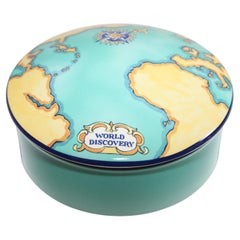
Tiffany Porcelain Blue Box
Late 20th Century French Neoclassical Decorative Boxes
Porcelain

Recent Sales
Late 20th Century American Chinoiserie Decorative Boxes
Porcelain
People Also Browsed
21st Century and Contemporary Finnish Mid-Century Modern Table Lamps
Brass, Metal
2010s Italian Mid-Century Modern Wall Mirrors
Bamboo
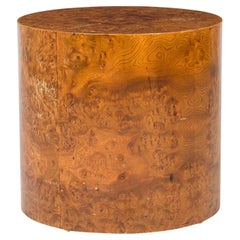
20th Century American Mid-Century Modern Side Tables
Wood, Ash, Burl
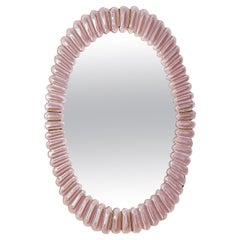
21st Century and Contemporary Italian Mid-Century Modern Wall Mirrors
Brass
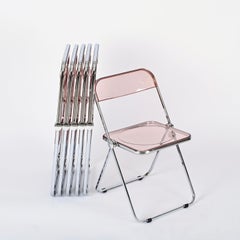
Mid-20th Century Italian Mid-Century Modern Chairs
Aluminum, Chrome
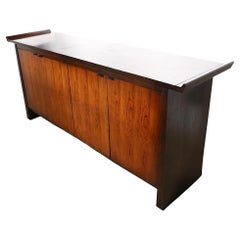
Mid-20th Century American Chinese Export Credenzas
Oak, Rosewood
20th Century Coffee and Cocktail Tables
Wood
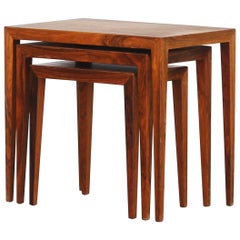
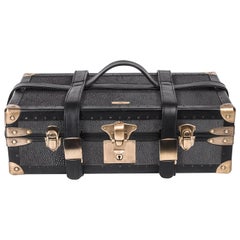
21st Century and Contemporary Philippine Art Deco Trunks and Luggage
Brass
Late 19th Century English School Animal Paintings
Oil, Canvas

20th Century American Mid-Century Modern Side Tables
Aluminum
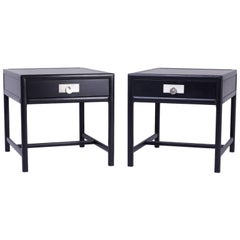
2010s Mexican Night Stands
Plywood
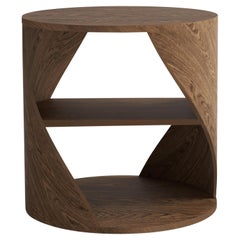
Vintage 1970s American Mid-Century Modern Stools
Rope, Wood
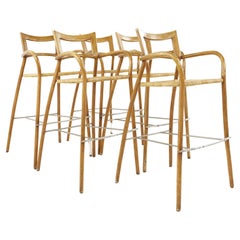
Antique 19th Century French Planters, Cachepots and Jardinières
Brass
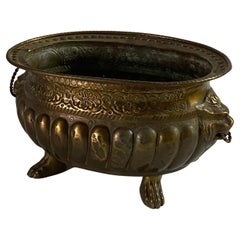
Mid-19th Century Modern Landscape Drawings and Watercolors
Watercolor

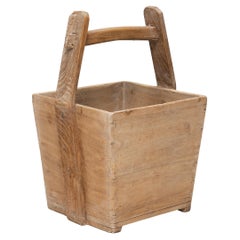
Antique Mid-19th Century Chinese Rustic Decorative Baskets
Wood
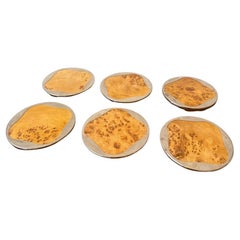
Vintage 1970s Italian Tableware
Chrome
Tiffany Co. for sale on 1stDibs
Tiffany Co. is one of the most prominent purveyors of luxury goods in the United States, and has long been an important arbiter of style in the design of diamond engagement rings. A young Franklin Delano Roosevelt proposed to his future wife, Eleanor, with a Tiffany ring in 1904. Vanderbilts, Whitneys, Astors and members of the Russian imperial family all wore Tiffany Co. jewelry. And Jacqueline Kennedy Onassis preferred Tiffany china for state dinners at the White House.
Although synonymous with luxury today, the firm started out rather modestly. Charles Lewis Tiffany and John B. Young founded it in Connecticut as a “stationery and fancy goods emporium” in 1837, at a time when European imports still dominated the nascent American luxury market. In 1853, Charles Tiffany — who in 1845 had launched the company’s famed catalog, the Blue Book, and with it, the firm’s signature robin’s-egg blue, which he chose for the cover — shifted the focus to fine jewelry.
In 1868, Tiffany Co. gained international recognition when it became the first U.S. firm to win an award for excellence in silverware at the Exposition Universelle in Paris. From then on, it belonged to the pantheon of American luxury brands.
At the start of the Gilded Age, in 1870, Tiffany Co. opened its flagship store, described as a "palace of jewels" by the New York Times, at 15 Union Square West in Manhattan. Throughout this period, its designs for silver tableware, ceremonial silver, flatware and jewelry were highly sought-after indicators of status and taste. They also won the firm numerous accolades, including the grand prize for silverware at the Paris Exposition of 1878. Among the firm’s glittering creations from this time are masterworks of Art Nouveau jewelry, such as this delicate aquamarine necklace and this lavish plique-à-jour peridot and gold necklace, both circa 1900.
When Charles Lewis Tiffany died, in 1902, his son Louis Comfort Tiffany became the firm’s design director. Under his leadership, the Tiffany silver studio was a de facto design school for apprentice silversmiths, who worked alongside head artisan Edward C. Moore. The firm produced distinctive objects inspired by Japanese art and design, North American plants and flowers, and Native American patterns and crafts, adding aesthetic diversity to Tiffany Co.’s distinguished repertoire.
Tiffany is also closely associated with diamonds, even lending its name to one particularly rare and exceptional yellow stone. The firm bought the Tiffany diamond in its raw state from the Kimberley mines of South Africa in 1878. Cut to create a 128.54-carat gem with an unprecedented 82 facets, it is one of the most spectacular examples of a yellow diamond in the world.
In a broader sense, Tiffany Co. helped put diamonds on the map in 1886 by introducing the American marketplace to the solitaire diamond design, which is still among the most popular engagement-ring styles. The trademark Tiffany® Setting raises the stone above the band on six prongs, allowing its facets to catch the light. A lovely recent example is this circa-2000 platinum engagement ring. Displaying a different design and aesthetic (but equally chic) is this exquisite diamond and ruby ring from the 1930s.
Find Tiffany Co. jewelry, serveware and decorative objects for sale on 1stDibs.
Finding the Right Decorative-boxes for You
Antique, vintage and new decorative boxes will safely store items while adding a splash of color or texture to a corner in any room. They have had a range of purposes over the years — from trinkets to serving as useful receptacles, such as snuff boxes, jewelry boxes and more. Boxes have also been designed in a range of forms and styles.
Box making is a craft dating back thousands of years. Early boxes as decorative objects were regularly designed and decorated both inside and out, ranging from minimal looks to more flashy styles. Decorative boxes have been constructed from different materials, with wood and metal being the most common. Wood is widely available and versatile, with woodworkers able to carve complex designs or showcase its natural grain.
Some antique jewelry boxes were made with tortoiseshell, mother-of-pearl, ivory and even porcupine quills, such as those created by the Anishinabe in Canada and the United States. In Sri Lanka, well-crafted boxes were inlaid with porcupine quills and ivory discs between ebony bands. Chinese sewing boxes and tea boxes made of black lacquer were popular in Europe during the late 18th and early 19th centuries. These often featured gold-painted designs or landscape scenes. Silk, paper and velvet frequently enhanced these boxes’ interiors.
Any style of decorative box can be a nice tabletop or desktop decor, whether to hold candy or tea in the living room or paper, pencils and other business supplies in the office. They can also act as jewelry boxes. Sewing boxes can be a lovely touch to any space while storing magazines or other trinkets.
You can find metal, wood and silver antique boxes on 1stDibs. The collection includes mid-century modern, Victorian and Art Deco styles that can add elegance to any home.
- 1stDibs ExpertAugust 17, 2021A Tiffany Co. engagement ring can cost as little as $13,000 or as much as $500,000 depending on the center stone’s carat weight, the band material and whether or not there are any side stones. The smaller the stone, the cheaper the ring will be. Find engagement rings designed by Tiffany Co. on 1stDibs.