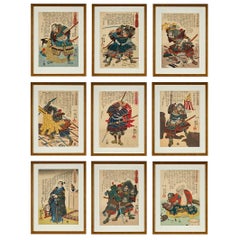
Toyohara Kunichika Original
19th Century Modern Figurative Prints
Woodcut
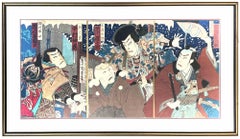

1880s Figurative Prints
Woodcut
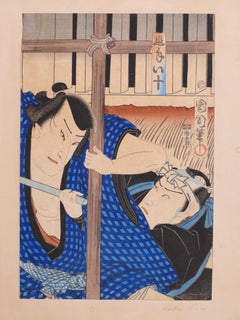
Recent Sales
Late 19th Century Figurative Prints
Handmade Paper, Washi Paper, Pigment, Woodcut
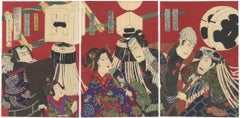
Late 19th Century Figurative Prints
Handmade Paper, Washi Paper, Pigment, Woodcut
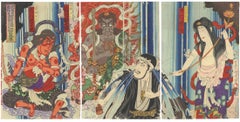
Mid-19th Century Other Art Style Figurative Prints
Handmade Paper, Washi Paper, Pigment, Woodcut
People Also Browsed
Antique 19th Century Japanese Meiji Prints
Paper
Mid-20th Century Japanese Showa Prints
Paper
1860s Edo Portrait Prints
Woodcut
Vintage 1980s Japanese Modern Prints
Glass, Wood, Paper
2010s Oceanic Organic Modern Ottomans and Poufs
Fabric, Foam, Jacquard
Vintage 1920s Japanese Sculptures and Carvings
Wood
1960s Abstract Animal Prints
Lithograph
2010s Contemporary Paintings
Oil
Antique 19th Century Japanese Edo Scholar s Objects
Shell
Late 20th Century Belgian Post-Modern Lounge Chairs
Leather
Antique 18th Century Japanese Antiquities
Iron
Antique 19th Century Japanese Edo Prints
Glass, Paint, Paper
Vintage 1970s Swiss Post-Modern Sofas
Leather
1820s Portrait Prints
Woodcut
Antique Early 19th Century Japanese Prints
Paper
Antique Mid-19th Century Japanese Edo Prints
Paper
Finding the Right Figurative-prints-works-on-paper for You
Bring energy and an array of welcome colors and textures into your space by decorating with figurative fine-art prints and works on paper.
Figurative art stands in contrast to abstract art, which is more expressive than representational. The oldest-known work of figurative art is a figurative painting — specifically, a rock painting of an animal made over 40,000 years ago in Borneo. This remnant of a remote past has long faded, but its depiction of a cattle-like creature in elegant ocher markings endures.
Since then, figurative art has evolved significantly as it continues to represent the world, including a breadth of works on paper, including printmaking. This includes woodcuts, which are a type of relief print with perennial popularity among collectors. The artist carves into a block and applies ink to the raised surface, which is then pressed onto paper. There are also planographic prints, which use metal plates, stones or other flat surfaces as their base. The artist will often draw on the surface with grease crayon and then apply ink to those markings. Lithographs are a common version of planographic prints.
Figurative art printmaking was especially popular during the height of the Pop art movement, and this kind of work can be seen in artist Andy Warhol’s extensive use of photographic silkscreen printing. Everyday objects, logos and scenes were given a unique twist, whether in the style of a comic strip or in the use of neon colors.
Explore an impressive collection of figurative art prints for sale on 1stDibs and read about how to arrange your wall art.