Turkish Furniture Chicago
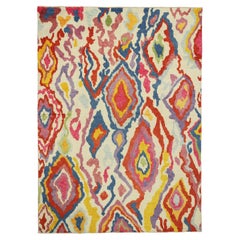
21st Century and Contemporary Turkish Post-Modern Moroccan and North Afr...
Wool, Angora

People Also Browsed
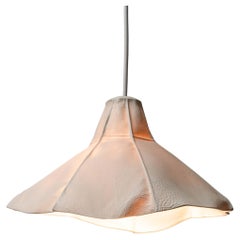
2010s American Modern Chandeliers and Pendants
Porcelain
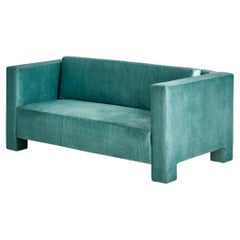
Vintage 1970s American Post-Modern Settees
Velvet
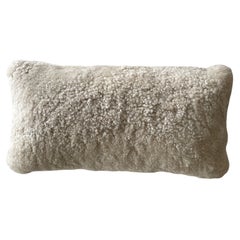
21st Century and Contemporary Pillows and Throws
Sheepskin
Antique 17th Century French Empire Pillows and Throws
Wool, Feathers
Vintage 1940s Swedish Scandinavian Modern Tapestries
Wool, Linen
21st Century and Contemporary American Modern Pillows and Throws
Cotton
2010s French Side Tables
Ceramic
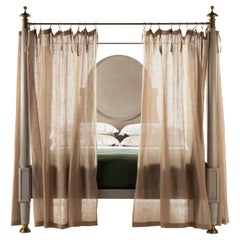
21st Century and Contemporary Italian Baroque Beds and Bed Frames
Steel
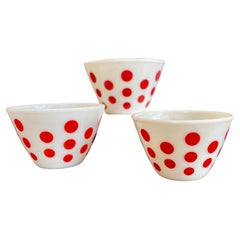
Vintage 1950s American Mid-Century Modern Serving Bowls
Milk Glass
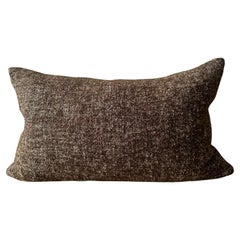
21st Century and Contemporary American Pillows and Throws
Wool, Linen, Down
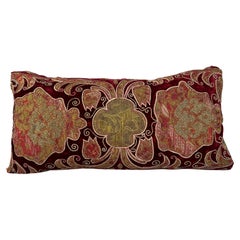
Antique 17th Century Italian Empire Pillows and Throws
Metal
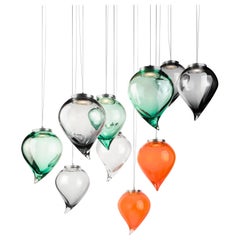
21st Century and Contemporary Italian Modern Chandeliers and Pendants
Murano Glass
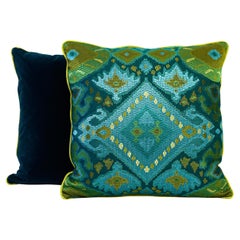
2010s American Modern Pillows and Throws
Velvet, Down, Feathers
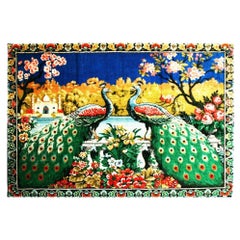
Mid-20th Century Turkish Chinoiserie Tapestries
Cotton
Antique 1640s English Baroque Pillows and Throws
Linen
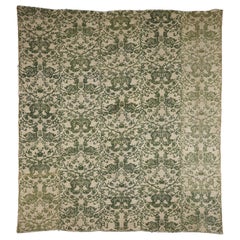
Vintage 1950s Uzbek Tapestries
Cotton, Silk
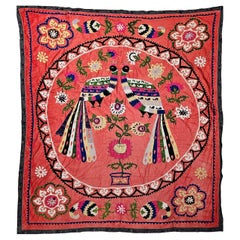
Turkish Furniture Chicago For Sale on 1stDibs
How Much is a Turkish Furniture Chicago?
A Close Look at Post-modern Furniture
Postmodern design was a short-lived movement that manifested itself chiefly in Italy and the United States in the early 1980s. The characteristics of vintage postmodern furniture and other postmodern objects and decor for the home included loud-patterned, usually plastic surfaces; strange proportions, vibrant colors and weird angles; and a vague-at-best relationship between form and function.
ORIGINS OF POSTMODERN FURNITURE DESIGN
- Emerges during the 1960s; popularity explodes during the ’80s
- A reaction to prevailing conventions of modernism by mainly American architects
- Architect Robert Venturi critiques modern architecture in his Complexity and Contradiction in Architecture (1966)
- Theorist Charles Jencks, who championed architecture filled with allusions and cultural references, writes The Language of Post-Modern Architecture (1977)
- Italian design collective the Memphis Group, also known as Memphis Milano, meets for the first time (1980)
- Memphis collective debuts more than 50 objects and furnishings at Salone del Milano (1981)
- Interest in style declines, minimalism gains steam
CHARACTERISTICS OF POSTMODERN FURNITURE DESIGN
- Dizzying graphic patterns and an emphasis on loud, off-the-wall colors
- Use of plastic and laminates, glass, metal and marble; lacquered and painted wood
- Unconventional proportions and abundant ornamentation
- Playful nods to Art Deco and Pop art
POSTMODERN FURNITURE DESIGNERS TO KNOW
- Ettore Sottsass
- Robert Venturi
- Alessandro Mendini
- Michele de Lucchi
- Michael Graves
- Nathalie du Pasquier
VINTAGE POSTMODERN FURNITURE ON 1STDIBS
Critics derided postmodern design as a grandstanding bid for attention and nothing of consequence. Decades later, the fact that postmodernism still has the power to provoke thoughts, along with other reactions, proves they were not entirely correct.
Postmodern design began as an architectural critique. Starting in the 1960s, a small cadre of mainly American architects began to argue that modernism, once high-minded and even noble in its goals, had become stale, stagnant and blandly corporate. Later, in Milan, a cohort of creators led by Ettore Sottsass and Alessandro Mendini — a onetime mentor to Sottsass and a key figure in the Italian Radical movement — brought the discussion to bear on design.
Sottsass, an industrial designer, philosopher and provocateur, gathered a core group of young designers into a collective in 1980 they called Memphis. Members of the Memphis Group, which would come to include Martine Bedin, Michael Graves, Marco Zanini, Shiro Kuramata, Michele de Lucchi and Matteo Thun, saw design as a means of communication, and they wanted it to shout. That it did: The first Memphis collection appeared in 1981 in Milan and broke all the modernist taboos, embracing irony, kitsch, wild ornamentation and bad taste.
Memphis works remain icons of postmodernism: the Sottsass Casablanca bookcase, with its leopard-print plastic veneer; de Lucchi’s First chair, which has been described as having the look of an electronics component; Martine Bedin’s Super lamp: a pull-toy puppy on a power-cord leash. Even though it preceded the Memphis Group’s formal launch, Sottsass’s iconic Ultrafragola mirror — in its conspicuously curved plastic shell with radical pops of pink neon — proves striking in any space and embodies many of the collective’s postmodern ideals.
After the initial Memphis show caused an uproar, the postmodern movement within furniture and interior design quickly took off in America. (Memphis fell out of fashion when the Reagan era gave way to cool 1990’s minimalism.) The architect Robert Venturi had by then already begun a series of plywood chairs for Knoll Inc., with beefy, exaggerated silhouettes of traditional styles such as Queen Anne and Chippendale. In 1982, the new firm Swid Powell enlisted a group of top American architects, including Frank Gehry, Richard Meier, Stanley Tigerman and Venturi to create postmodern tableware in silver, ceramic and glass.
On 1stDibs, the vintage postmodern furniture collection includes chairs, coffee tables, sofas, decorative objects, table lamps and more.
Finding the Right Moroccan-rugs for You
Antique and vintage Moroccan rugs serve as an exceptional piece of decor. Whether it’s to tie your bedroom together or to add a dazzling array of colors and graphically provocative shapes and other elements to your living room wall, there’s increased demand for all types of Moroccan tribal rugs, especially as bohemian, global and eco styles are on the rise and because tapestries and wall hangings are definitely cool again.
Travelers and interior design lovers from all over the world are big fans of the complex geometric patterns and bold color palettes that we typically associate with rustic, natural Moroccan and North African rugs.
In the West, the current infatuation with handwoven vintage Moroccan tribal rugs stretches to the mid-20th century. Then, designers such as Alvar Aalto, Frank Lloyd Wright and Le Corbusier offset austere interiors with vibrant and alluring mid-century modern Moroccan rugs. (Le Corbusier integrated these rugs in his designs for Villa La Roche in Paris, while Frank Lloyd Wright’s Fallingwater in Pennsylvania is also home to distinctive Moroccan floor coverings.)
Moroccan rugs date back to the Paleolithic era, when Berber tribes, which comprised many different members of an ethnic group native to North Africa, would weave these textiles with intricate images and symbols. Traditionally, Moroccan tribal weavings were made exclusively by women and solely for personal use. Dense pile rugs served not only as floor coverings but as mattresses, seating and even blankets in the winter months.
The Moroccan rug hasn’t survived this long merely because of its usefulness. These stunning works take at least two to three weeks to weave, and each woman weaves the story of her life into the design. They are filled with symbolism and vary greatly depending on the locale where they were woven. In this way, part of the profound beauty of traditional Moroccan rugs lies in their historical and cultural significance.
One of the most widely loved styles of Moroccan rugs comes from the Beni Ourain tribes, a network of nearly two dozen individual tribes in the mountainous Middle Atlas region.
Vintage Beni Ourain rugs are woven from undyed, natural wool. The textures, imperfections and asymmetrical lines, which can’t be reproduced with mass production methods, as well as the neutral tones and understated geometry have endeared interior designers to these works for ages. In comparison to the spare Beni Ourain rugs, a more heavily decorated, widely colorful option can be found in Azilal Moroccan rugs, which contrast wonderfully with the rich, dark wood tones and clean lines that characterize mid-century modern furniture.
The collection of antique and vintage rugs and carpets on 1stDibs features a wide range of extraordinary Moroccan and North African rugs including Beni Ourain rugs, Azilal rugs, kilims and more.