Turn Of The Century Furniture
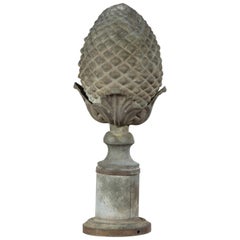
Early 20th Century French Mounted Objects
Zinc
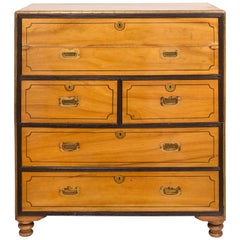
Antique 19th Century English Campaign Commodes and Chests of Drawers
Brass
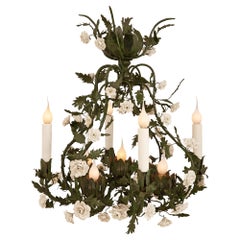
20th Century French Chandeliers and Pendants
Metal
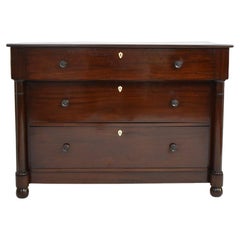
Antique Late 19th Century Portuguese Commodes and Chests of Drawers
Mahogany
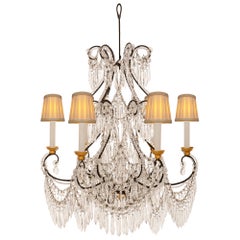
20th Century Italian Louis XV Chandeliers and Pendants
Crystal, Metal, Wrought Iron
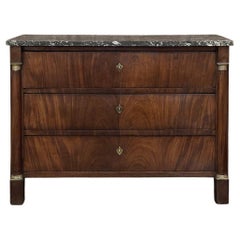
Antique Mid-19th Century French Napoleon III Commodes and Chests of Drawers
Marble, Bronze
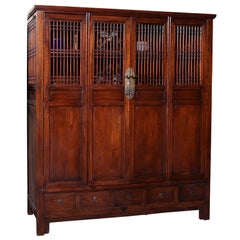
Antique Late 19th Century Chinese Wardrobes and Armoires
Brass
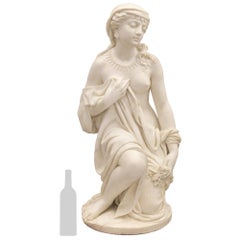
20th Century Italian Figurative Sculptures
Marble
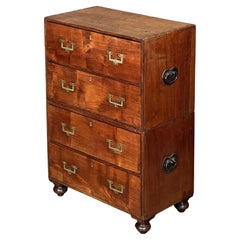
Antique 19th Century English Campaign Commodes and Chests of Drawers
Metal, Brass
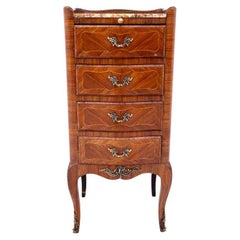
Early 20th Century French Louis Philippe Commodes and Chests of Drawers
Marble, Brass
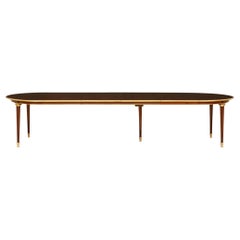
Antique 19th Century French Louis XVI Dining Room Tables
Ormolu
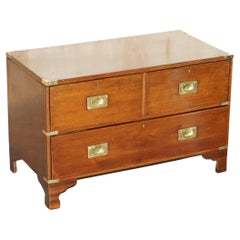
20th Century English Campaign Commodes and Chests of Drawers
Brass
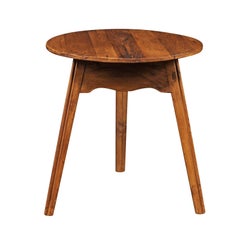
Early 20th Century English Side Tables
Pine
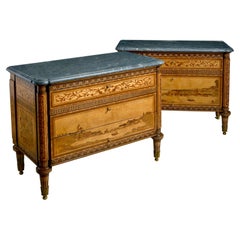
Antique 18th Century Commodes and Chests of Drawers
Fruitwood, Maple, Oak, Harewood

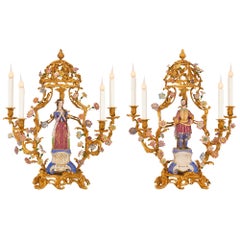
20th Century French Louis XV Table Lamps
Ormolu
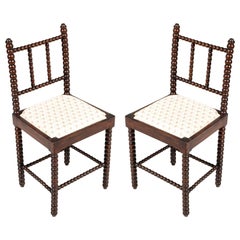
Antique Early 18th Century Italian Renaissance Chairs
Walnut
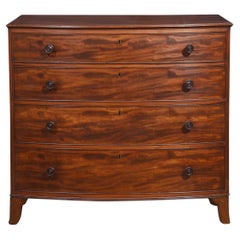
Antique Early 19th Century British Commodes and Chests of Drawers
Wood
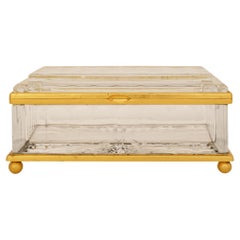
Antique 19th Century French Louis XVI Decorative Boxes
Crystal, Gold Leaf
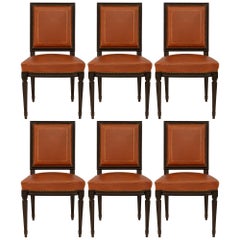
20th Century French Louis XVI Dining Room Chairs
Fruitwood
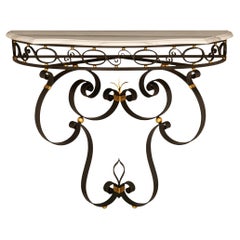
20th Century French Other Console Tables
Marble, Metal, Wrought Iron
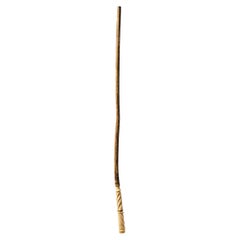
20th Century Congolese Antiquities
Glass
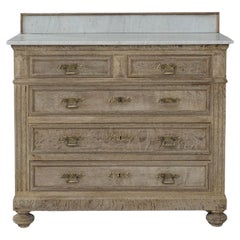
Early 20th Century French Louis XVI Commodes and Chests of Drawers
Oak
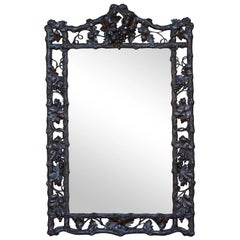
Early 20th Century European Black Forest Wall Mirrors
Mirror, Wood
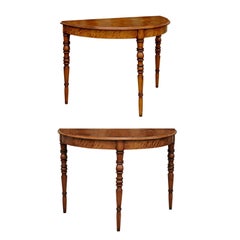
Antique Mid-19th Century French Louis Philippe Demi-lune Tables
Maple
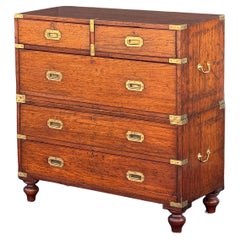
Antique 19th Century English Campaign Commodes and Chests of Drawers
Metal, Brass
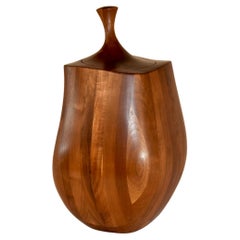
Vintage 1960s American Mid-Century Modern Decorative Boxes
Mahogany, Walnut
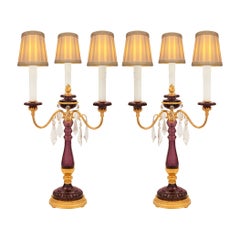
20th Century French Louis XVI Table Lamps
Crystal, Ormolu
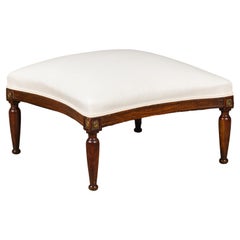
Early 20th Century French Ottomans and Poufs
Muslin, Upholstery, Wood, Giltwood
Early 20th Century French Folk Art Wall Mirrors
Mirror, Wood
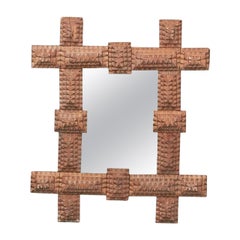
Antique 1830s British Regency Commodes and Chests of Drawers
Walnut
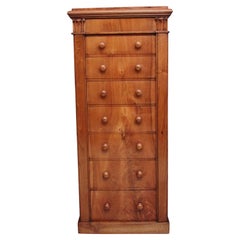
Antique Late 19th Century English Commodes and Chests of Drawers
Wood
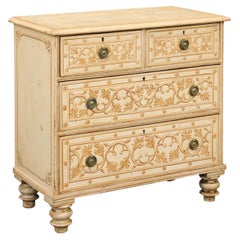
Early 20th Century British Commodes and Chests of Drawers
Wood, Pine
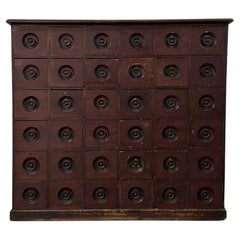
Antique Mid-18th Century Italian Louis XVI Commodes and Chests of Drawers
Walnut
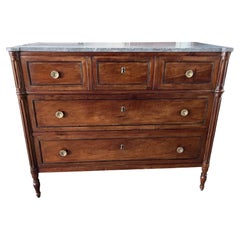
Antique 1850s French Louis XVI Commodes and Chests of Drawers
Carrara Marble
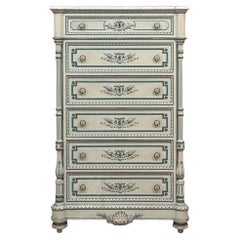
Early 20th Century Italian Neoclassical Commodes and Chests of Drawers
Wood, Paint
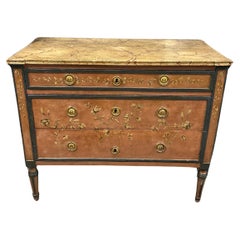
20th Century Italian Side Tables
Marble
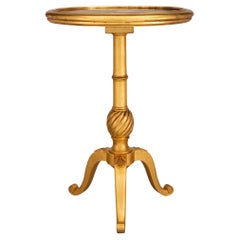
Antique 19th Century English Victorian Commodes and Chests of Drawers
Wood, Paint
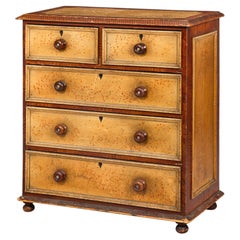
Antique Early 1900s Scandinavian Other Commodes and Chests of Drawers
Brass
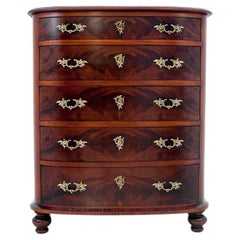
Antique Late 19th Century French Louis XV Commodes and Chests of Drawers
Marble, Ormolu
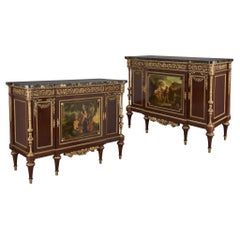
Early 20th Century English Animal Sculptures
Stone, Iron
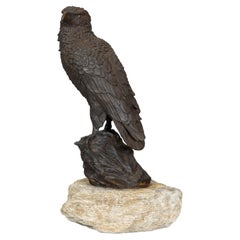
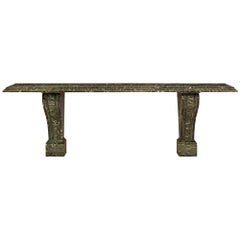
20th Century French Louis XVI Console Tables
Marble
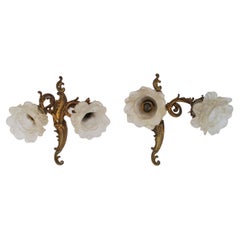
Antique Early 1900s French Louis XV Wall Lights and Sconces
Bronze
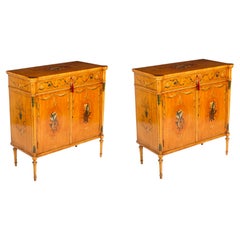
Antique 1890s Adam Style Commodes and Chests of Drawers
Satinwood
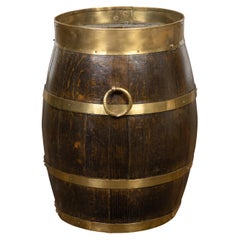
Early 20th Century English Rustic Umbrella Stands
Brass
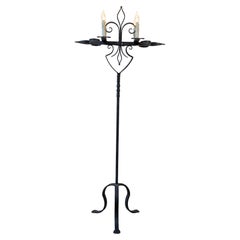
Early 20th Century French Floor Lamps
Wrought Iron
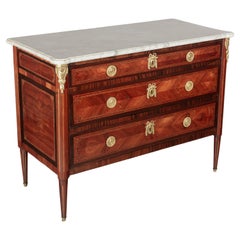
Antique 18th Century French Louis XVI Commodes and Chests of Drawers
Marble, Bronze
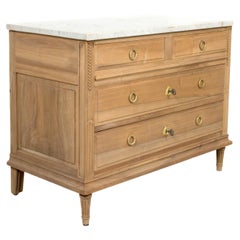
Early 20th Century French Louis XVI Commodes and Chests of Drawers
Bronze
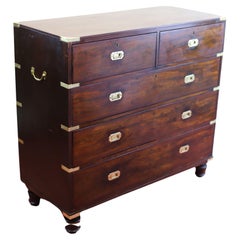
Antique Late 19th Century British Campaign Commodes and Chests of Drawers
Brass
Early 20th Century English Animal Sculptures
Pine
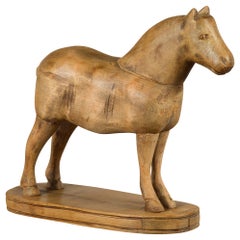
Mid-20th Century American Art Deco Commodes and Chests of Drawers
Malachite
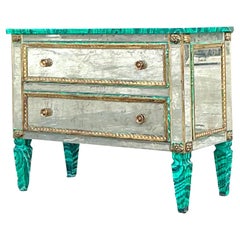
Early 20th Century French Wall Mirrors
Wood
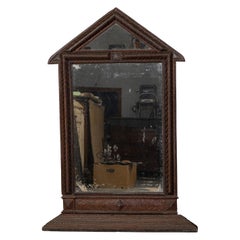
Antique 19th Century English Stools
Oak
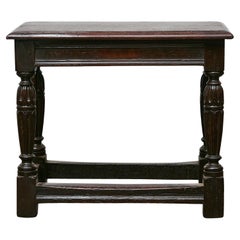
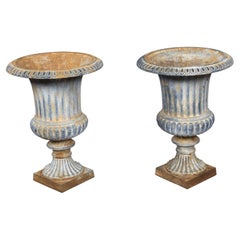
Early 20th Century French Urns
Iron
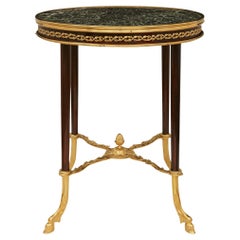
Antique 19th Century French Louis XVI Side Tables
Marble, Ormolu
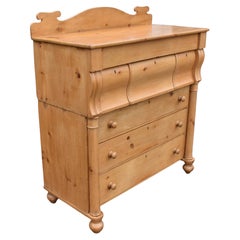
Antique Late 19th Century Scottish Victorian Commodes and Chests of Drawers
Pine
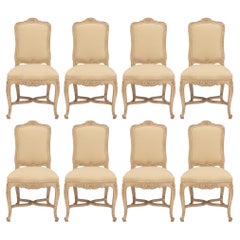
20th Century French Louis XV Dining Room Chairs
Wood
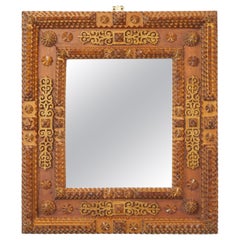
Early 20th Century French Folk Art Wall Mirrors
Brass
- 1
- ...
Turn Of The Century Furniture For Sale on 1stDibs
How Much is a Turn Of The Century Furniture?
- What is mid century furniture?1 Answer1stDibs ExpertFebruary 22, 2021Mid-century furniture is furniture created within the period of 1933 to 1965 but most would argue that the style began to emerge in the postwar years. This style of furniture is known for its sleek lines and organic shapes. The creators most frequently associated with mid-century modern furniture believed that good design meant good living. Mid-century modern is today by far the largest category of furnishings on 1stDibs.
- 1stDibs ExpertMay 22, 2019
Mid-century modernism first appeared in 1945 and merged a minimalist aesthetic with practicality. Mid-century modern furniture is distinguishable by its lack of decoration or extravagance and its use of clean lines, organic curves and variety of natural materials.
1stDibs ExpertFebruary 22, 2021Mid century modern furniture refers to pieces designed during the middle of the 20th century — specifically 1930s through the mid-1960s. This period represents a design and architecture movement characterized by simple shapes, clean lines, and organic materials. Some of the most famous mid century modern designers include Ray Eames, Charlotte Perriand, Isamu Noguchi and Eero Saarinen. - 1stDibs ExpertMarch 22, 2022Yes, Century Furniture still exists. The brand operates from its corporate headquarters located in Hickory, North Carolina. The company was founded in 1947, and RHF Investments, Inc., acquired the company in 2013. You'll find a range of Century Furniture on 1stDibs.
- 1stDibs ExpertMay 5, 2023To tell if furniture is mid-century modern, examine the piece, looking for labels and markings that indicate who produced it. Then, consult trusted online resources to determine when the maker was active and what styles of furniture they made. Iconic mid-century modern furniture designers include Charles and Ray Eames, Eero Saarinen, Milo Baughman, Florence Knoll, Harry Bertoia and Isamu Noguchi. A knowledgeable dealer or certified appraiser can help you determine if a particular piece is genuine mid-century modern or a reproduction. Shop a range of mid-century modern furniture on 1stDibs.
- 1stDibs ExpertSeptember 25, 2019
Mid-century modern furniture combines sleek lines with organic shapes.
- 1stDibs ExpertApril 5, 2022A variety of furniture was used during the 16th century. Items commonly found in homes include high-backed armchairs, chests, stools, benches and cupboards. Most European artisans active during the time period produced pieces out of oak wood. Find a large collection of antique furniture on 1stDibs.
- 1stDibs ExpertSeptember 23, 2024What 17th-century furniture is called varies. The general term for all furniture produced 100 years ago, including 17th-century pieces, is antique furniture. You may also choose to be more specific and describe a piece by its style. Theatrical and lavish, the Baroque style was prevalent across Europe from the 17th to the mid-18th century and spread around the world through colonialism, including in Asia, Africa and the Americas. Baroque furniture was extravagant in all aspects, from shape to materials. 17th-century pieces from England often feature characteristics of the William and Mary style, such as crisp lines, maple and walnut veneers, inlaid bands and C-scroll ornaments. On 1stDibs, explore a variety of antique furniture.
- 1stDibs ExpertFebruary 13, 2024Mid-century modern furniture is so popular largely because its characteristics align well with the trends and tastes that are dominant today. Many people love its simple look defined by clean lines, and the use of natural materials also adds to its popularity. In addition, designers created mid-century modern furniture to be as functional as it is visually appealing, making pieces executed in the style simple, convenient and comfortable to use. Find a wide range of mid-century modern furniture on 1stDibs.
- 1stDibs ExpertApril 22, 2024There is not a single year that is mid-century modern. The style emerged during the 1940s and 1950s and remained dominant through the 1960s and into the early 1970s. Some notable designers who contributed to the development of the mid-century modern style include Charles and Ray Eames, Eero Saarinen, Milo Baughman, Florence Knoll, Harry Bertoia, Isamu Noguchi and George Nelson. Shop a wide range of mid-century modern furniture on 1stDibs.
- 1stDibs ExpertNovember 13, 2024To identify 18th-century furniture, you can research your piece in the context of the prevailing styles of the period or consult a certified appraiser or experienced antique dealer. To identify your item on your own, look over it for maker's marks, such as carvings, stamps, brands and labels. Researching the marking can help you determine the maker of your piece, and from there, you can search further to learn more about your particular item. Without a maker's mark, the best approach is to consider the characteristics of the dominant furniture styles during the 18th century. In England, these included William and Mary, Queen Anne, Georgian, Chippendale, Hepplewhite and Sheraton. Some French furniture styles of the 1700s include Louis XV, Louis XVI and Régence. Find a diverse assortment of 18th-century furniture on 1stDibs.
- 1stDibs ExpertSeptember 25, 2019
Some of the most famous mid-century modern furniture designers were Alvar Aalto, Charles and Ray Eames, Paul Evans, Poul Kjærholm, Florence Knoll, George Nakashima, Giò Ponti, Hans Wegner, Charlotte Perriand, Sergio Rodrigues and Eero Saarinen.