Union National China Cabinet
Mid-20th Century American Chinoiserie Cabinets
Brass
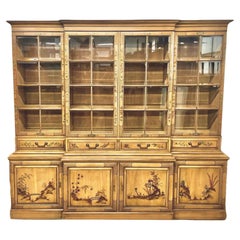

Vintage 1970s American Chinoiserie Cabinets
Glass, Maple, Lacquer
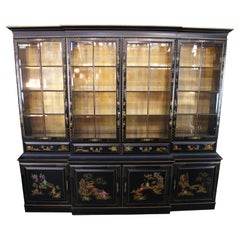
Vintage 1980s American Chinoiserie Cabinets
Maple, Lacquer, Paint
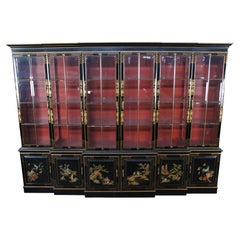
20th Century American Chinoiserie Cabinets
Glass, Maple, Lacquer, Paint
Recent Sales
Vintage 1980s Chinoiserie Cabinets
Glass, Hardwood, Lacquer
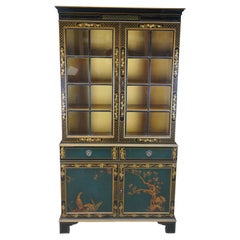
Mid-20th Century Chinoiserie Cupboards
Glass, Hardwood, Lacquer, Paint
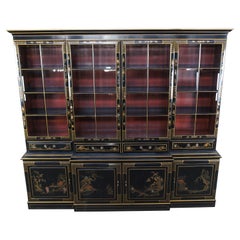
Mid-20th Century American Chippendale Cabinets
Mahogany
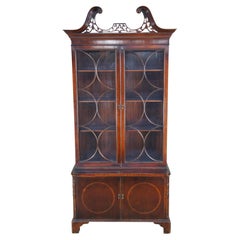
Vintage 1950s American Chinoiserie Sideboards
Glass, Wood
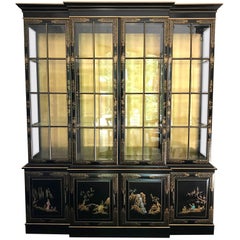
Vintage 1950s American Mid-Century Modern Sideboards
Glass, Wood, Lacquer
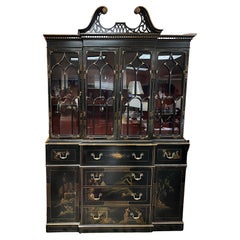
Vintage 1960s American Chinoiserie Cabinets
Wood, Lacquer
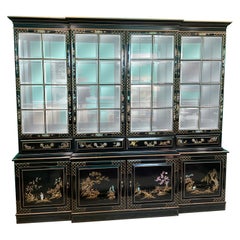
Late 20th Century Chinoiserie Cabinets
Glass, Hardwood, Lacquer
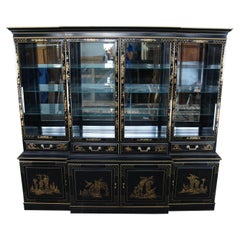
Vintage 1980s Chinoiserie Cabinets
Glass, Maple, Lacquer
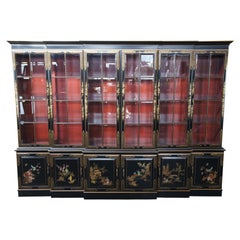
Mid-20th Century American Chinoiserie Cabinets
Brass
People Also Browsed
Late 20th Century American Chinese Chippendale Cabinets
Brass
2010s British Louis XVI Sofas
Giltwood
21st Century and Contemporary Portuguese Modern Sofas
Velvet, Walnut

21st Century and Contemporary American Sofas
Linen, Velvet
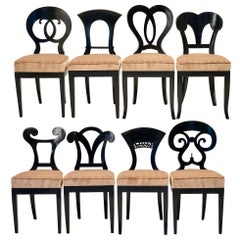
21st Century and Contemporary Italian Biedermeier Dining Room Chairs
Velvet, Walnut
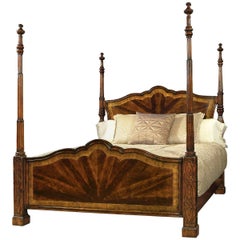
21st Century and Contemporary Vietnamese Chippendale Beds and Bed Frames
Mahogany
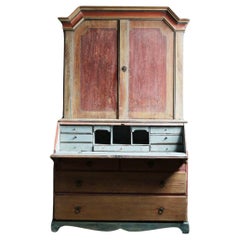
Antique 19th Century Swedish Gustavian Cupboards
Wood
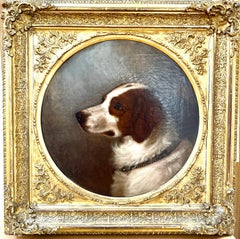
1850s Victorian Animal Paintings
Oil, Canvas
Early 20th Century Austrian Arts and Crafts Chandeliers and Pendants
Metal, Brass, Wire
Vintage 1960s American Louis XV Desks and Writing Tables
Bronze
Mid-20th Century Sofas
Upholstery
Antique Early 18th Century French Baroque Western European Rugs
Wool, Silk
2010s Cambodian Benches
Fabric, Oak
2010s British Louis XVI Sofas
Wood, Giltwood
Vintage 1960s American French Provincial Cabinets
Oak
Antique Late 19th Century Japanese Meiji Vases
Metal
A Close Look at Chinoiserie Furniture
Emerging in the 17th century, chinoiserie appropriated the aesthetics and imagery of popular East Asian design for European-made versions. Reflecting the exoticization of China, Japan and other countries in this era, the word directly translates from French to “Chinese-esque,” which reveals its shortcomings as a style of furniture and decor that often stereotypically and reductively mimics Asian culture rather than showcasing and paying tribute to its artistic traditions.
The enthusiastically decorative chinoiserie style was propelled by influential tastemakers including French King Louis XIV, whose Trianon de Porcelaine in 1670 was inspired by Chinese architecture. Expanded trade between the East and West led to a demand for porcelain, lacquer objects, silk and other goods, which further informed the fanciful furniture being crafted in Europe.
Artisans working in the chinoiserie style used materials and elements like pagoda shapes, bamboo, lacquer surfaces, bird and flower motifs and other interpretations of Asian design on pieces that were frequently set against vibrant wallcoverings. This whimsical approach yielded chinoiserie furniture that boasted dramatic flourishes drawing on the natural world and reflected the dominance of Rococo during the 18th century.
As chinoiserie was shaped by approximations of Asian design by European creators, it had regional variations, such as Chinese Chippendale in England where cabinets, chairs and tea tables had wooden fretwork designs and “japanned” surfaces intended to resemble lacquer work that was created in East Asia. In North America, furniture makers in Boston and New York integrated chinoiserie-painted scenes into Queen Anne furniture.
Antique chinoiserie furniture has continued to be fashionable, from its popularity with decorators of the Hollywood Regency era — James Mont, Tommi Parzinger, William Haines and Samuel Marx favored the style — to contemporary interior designers, although it brings with it a complex history.
Find a collection of chinoiserie bedroom furniture, cabinets, decorative objects and more on 1stDibs.
Finding the Right Cabinets for You
Although traditionally used in the bedroom to store garments that would not be hung in a closet, an antique or vintage cabinet can easily find a purpose in rooms throughout your entire house.
The world's first storage cabinets, reportedly constructed in Renaissance-era Europe, were demonstrative of excellence in carpentry and the work of master carvers. These robust bureaus or sophisticated chests of drawers were typically built from common woods, such as oak or walnut. Although they were fairly uniform in structure and lacked the bright colors of modern-day furniture, case pieces and storage cabinets that date from the 18th century and earlier were often found in the homes of nobility.
Their intricate carvings and various embellishments — adornments made from ivory, ornate lacquer work and, later, glass shelvings — reflect the elegance with which these decorative furnishings were associated. Given its valuable purpose and the beauty of the early furnishings' designs, the storage cabinet is an investment that will never go out of style.
The practical design that defines the earliest storage cabinets has inspired the creation of household must-haves, like minimalist drink trolleys and marble wood bookcases. From hiding outdoor gear in the mudroom to decluttering your kitchen with a tall kitchen pantry cabinet, these versatile furnishings have now become available in enough sizes, styles and colors to accommodate any space. After all, these aren't your run-of-the-mill filing cabinets.
A sophisticated storage cabinet — wood storage cabinets with doors and shelves, for example — can serve as a room divider when necessary, while the right vintage wall unit or floor-to-ceiling cabinetry solutions can seamlessly become part of any space without disrupting the energy of the room. And although you may hide items away in its drawers, bookworms might prefer a storage cabinet with open shelving for displaying favorite books or other media.
One-of-a-kind solutions for the modern consumer abound, but enthusiasts of understated, classical beauty may turn to Baroque-style storage cabinets. Elsewhere, admirers of mid-century modernism looking to make a statement with their case pieces will warm to the dark woods and clean lines of vintage storage cabinets by Paul McCobb, Florence Knoll or Edward Wormley.
Sometimes the best renovation is a reorganization. If you're ready to organize and elevate your space, a luxury storage cabinet is the addition you need.
Find a variety of vintage and antique storage cabinets on 1stDibs, including unique Art Deco storage cabinets, chinoiserie cabinets and more.