Used Furniture Lismore
20th Century Irish Regency Used Furniture Lismore
Crystal
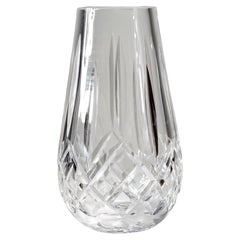

20th Century Irish Used Furniture Lismore
Crystal
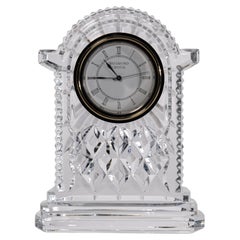
Mid-20th Century American Mid-Century Modern Used Furniture Lismore
Crystal
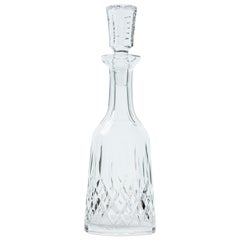
20th Century Irish Used Furniture Lismore
Crystal
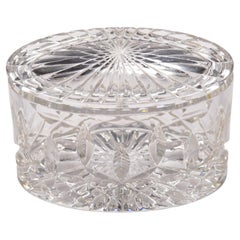
20th Century Irish Mid-Century Modern Used Furniture Lismore
Crystal
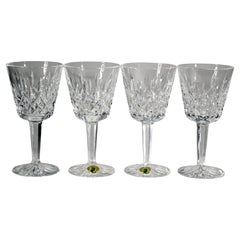
20th Century American American Classical Used Furniture Lismore
Crystal
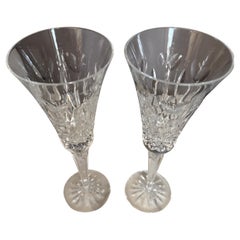
20th Century Irish Used Furniture Lismore
Crystal
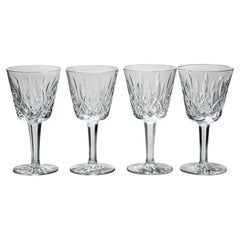
1980s Irish Modern Used Furniture Lismore
Crystal, Brass
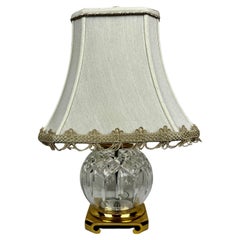
20th Century Used Furniture Lismore
Stainless Steel
Recent Sales
Late 20th Century Great Britain (UK) Neoclassical Used Furniture Lismore
Cut Glass
Late 20th Century Northern Irish Used Furniture Lismore
Crystal
1990s German Regency Used Furniture Lismore
Crystal
21st Century and Contemporary Irish Used Furniture Lismore
Crystal
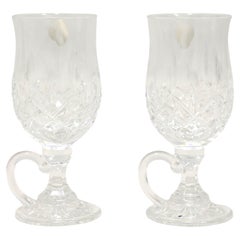
Late 20th Century Used Furniture Lismore
Glass
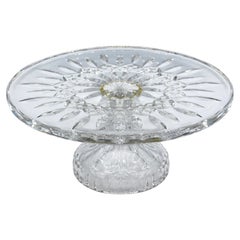
20th Century Northern Irish Used Furniture Lismore
Crystal, Brass
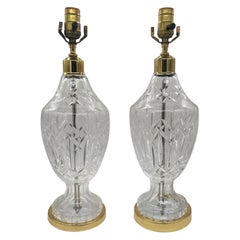
Late 20th Century Used Furniture Lismore
Crystal, Brass
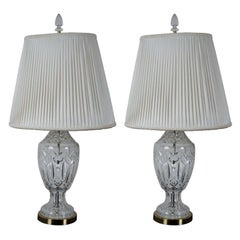
Late 20th Century North American Hollywood Regency Used Furniture Lismore
Brass
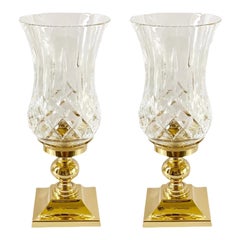
21st Century and Contemporary Slovenian Used Furniture Lismore
Crystal
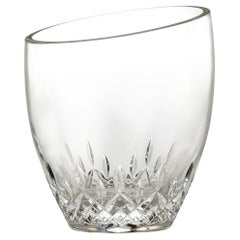
Late 20th Century Used Furniture Lismore
Crystal
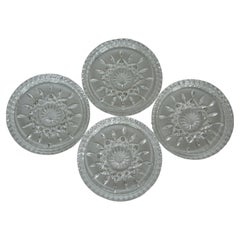
Late 20th Century European Hollywood Regency Used Furniture Lismore
Brass
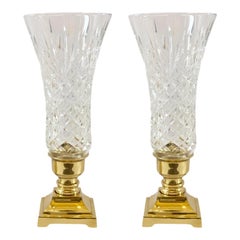
Late 20th Century Northern Irish Used Furniture Lismore
Crystal
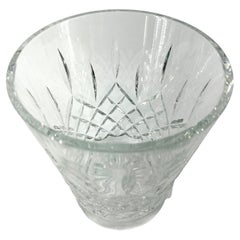
20th Century Irish Mid-Century Modern Used Furniture Lismore
Crystal
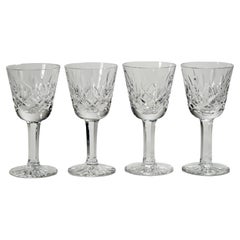
20th Century Irish Used Furniture Lismore
Crystal
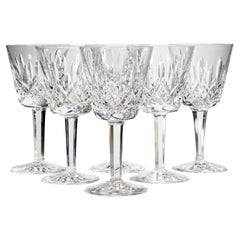
1980s Irish Edwardian Used Furniture Lismore
Crystal
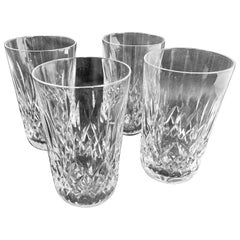
Late 20th Century Irish Gothic Used Furniture Lismore
Crystal
20th Century Irish Used Furniture Lismore
Crystal
Late 20th Century Northern Irish Used Furniture Lismore
Crystal
Late 20th Century Northern Irish Used Furniture Lismore
Crystal
1980s Irish Used Furniture Lismore
Crystal

1990s Irish Beaux Arts Used Furniture Lismore
Crystal, Silver Plate
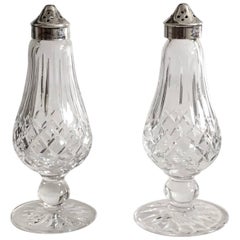
20th Century Northern Irish Used Furniture Lismore
21st Century and Contemporary Irish Used Furniture Lismore
Crystal
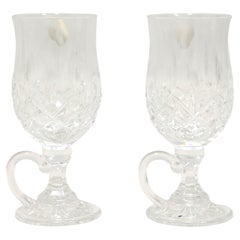
20th Century Used Furniture Lismore
Glass
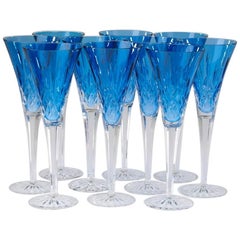
1990s German Regency Used Furniture Lismore
Crystal
1990s German Regency Used Furniture Lismore
Crystal
1990s German Regency Used Furniture Lismore
Crystal
1990s German Regency Used Furniture Lismore
Crystal
1990s German Regency Used Furniture Lismore
Crystal
People Also Browsed
2010s Uzbek Suzani Used Furniture Lismore
Silk
Mid-20th Century English Used Furniture Lismore
Porcelain
Early 19th Century Irish Belle Époque Used Furniture Lismore
Crystal, Bronze

1980s English Neoclassical Used Furniture Lismore
Porcelain
Early 20th Century English Neoclassical Used Furniture Lismore
Stoneware
20th Century American Other Used Furniture Lismore
Sterling Silver
Early 20th Century English Arts and Crafts Used Furniture Lismore
Porcelain
19th Century European Belle Époque Used Furniture Lismore
Porcelain
1930s Czech Used Furniture Lismore
Crystal

19th Century English Regency Used Furniture Lismore
Sheffield Plate
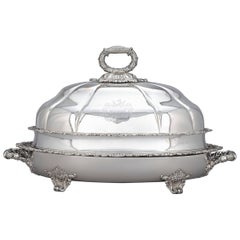
1930s Czech Used Furniture Lismore
Crystal
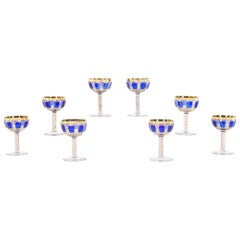
Early 1900s English Neoclassical Used Furniture Lismore
Gold
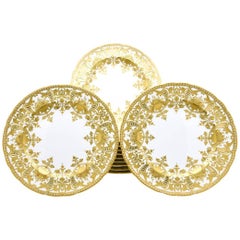
1930s English Art Deco Used Furniture Lismore
Pottery
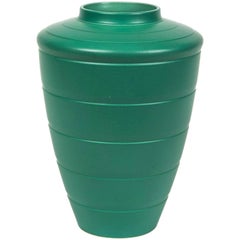
19th Century French Louis XVI Used Furniture Lismore
Bronze
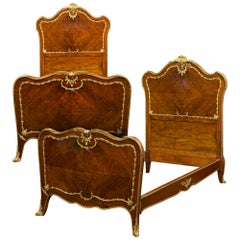
18th Century French Louis XV Used Furniture Lismore
Silver
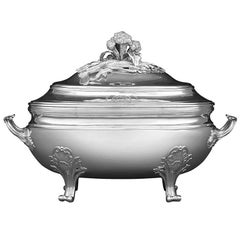
19th Century English Art Nouveau Used Furniture Lismore
Gold
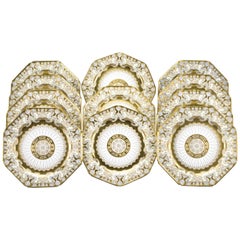
Used Furniture Lismore For Sale on 1stDibs
How Much is a Used Furniture Lismore?
Waterford Crystal for sale on 1stDibs
Among glassware aficionados, the name Waterford has earned a place of eminence — both for antique crystal vases, glasses, chandeliers and serveware made by the original Irish company in the 18th and 19th centuries, and for new versions of the firm’s classic patterns produced after its rebirth in the 1940s. With either iteration, Waterford is a byword for traditional elegance.
Waterford crystal was born of a tax loophole. In 1783, business-minded brothers George and William Penrose founded the Waterford Glass House in southeastern Ireland because Irish glass was exempt from steep British import duties. The two wanted to make fine-quality wares and hired artisans from England, including master glassmaker John Hill. The factory’s flint glass — a precursor to lead crystal — soon won a clientele among British and continental aristocrats.
One of Hill’s aesthetic innovations was to polish glassware after a pattern was cut, to buff off the resulting frosted surface. The look became a Waterford trademark. Through the fame of its wine goblets, claret jugs and decanters, the firm continued to win honors at the many industrial expositions of the early Victorian era. But over those years, higher and higher luxury excise taxes were placed on fine crystal. Waterford products became prohibitively expensive, and the company closed in 1851.
The brand’s renown was still intact when it was revived in 1947 by a Czech glass manufacturer named Charles Bacik, who moved to Ireland after the Communist takeover of his country. For centuries, the region now called the Czech Republic had been the great glassware center of Middle Europe — the source of crystal to legendary Viennese glass design firms such as Lobmeyr and Bakalowits. So Bacik brought with him the master glassblower and designer Miroslav Havel.
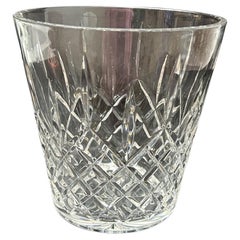
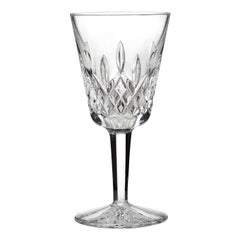
In Dublin, Havel studied the old Waterford style book archives kept in the National Museum. He used these classic patterns as the basis for new ones such as Lismore, with its crosshatching and flame-like vertical cuts, and Alana, with its heavily textured diamond cuts. Past and present are thus linked at Waterford.
Introduced in 1991, the Marquis by Waterford range of vases, bowls and other wares were priced for everyday use and were intended for use in modern homes. It was the first new brand debuted by the company in what was then its more than two-century history.
As you will see on 1stDibs, antique or recently made, Waterford crystal is the essence of refinement.
Find Waterford crystal vases, serveware and other collectibles for sale on 1stDibs.
- 1stDibs ExpertNovember 26, 2024To identify Waterford glass, use its acid markings. You may need to use a magnifying glass while holding your piece up to the light to read them. Waterford began using acid marks in 1950 and has marked pieces with Gothic lettering, script word marks and its seahorse logo over the years. Older pieces usually had foil labels, which may have come off over the years. If your piece is unmarked, a certified appraiser or experienced antique dealer can help you determine if it's a Waterford. Find a wide range of Waterford glassware on 1stDibs.