Used Kinetic Sculptures
1960s American Used Kinetic Sculptures
Metal, Enamel


1970s Unknown Mid-Century Modern Used Kinetic Sculptures
Aluminum
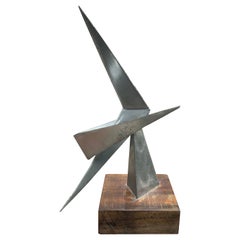
1960s American Brutalist Used Kinetic Sculptures
Aluminum, Bronze, Copper
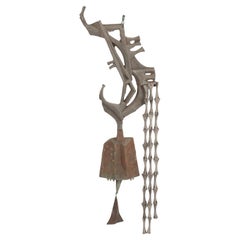
Early 2000s American Mid-Century Modern Used Kinetic Sculptures
Brass
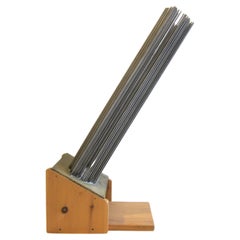
1970s Italian Used Kinetic Sculptures
Metal
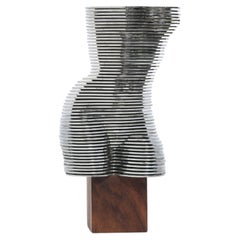
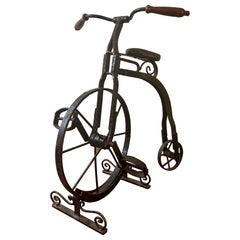
Early 20th Century American Used Kinetic Sculptures
Iron
Late 20th Century Italian Post-Modern Used Kinetic Sculptures
Aluminum
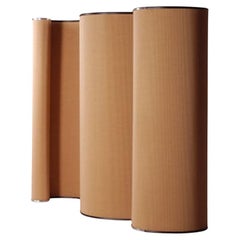
1980s French Post-Modern Used Kinetic Sculptures
Acrylic, Plexiglass
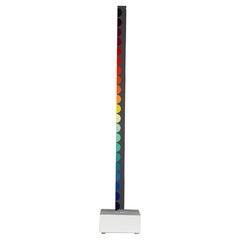
1950s English Used Kinetic Sculptures
Sheet Metal
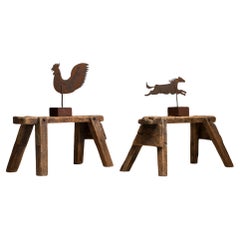
20th Century European Used Kinetic Sculptures
Silver
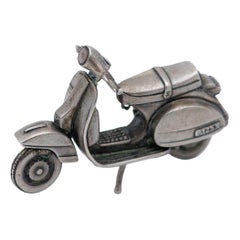
20th Century French Arts and Crafts Used Kinetic Sculptures
Wood
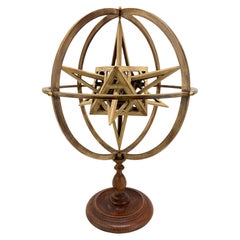
1970s French Used Kinetic Sculptures
Aluminum
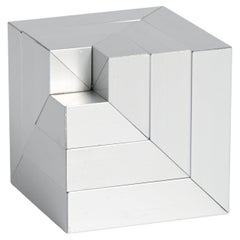
Mid-20th Century American Mid-Century Modern Used Kinetic Sculptures
Iron

Mid-20th Century American Mid-Century Modern Used Kinetic Sculptures
Steel
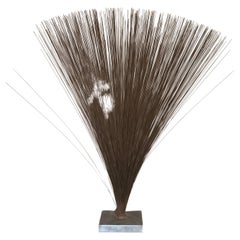
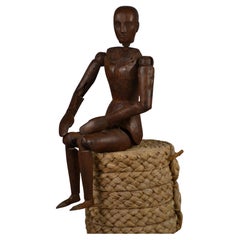
Early 19th Century French Used Kinetic Sculptures
Walnut
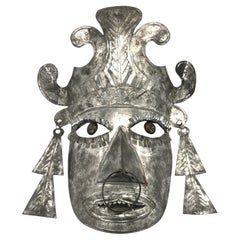
1960s Mexican Mid-Century Modern Used Kinetic Sculptures
Tin
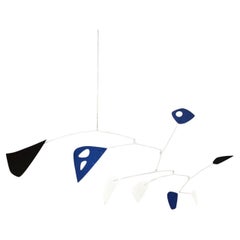
1980s Modern Used Kinetic Sculptures
Metal
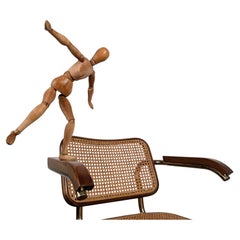
Mid-20th Century French Mid-Century Modern Used Kinetic Sculptures
Metal
20th Century French Futurist Used Kinetic Sculptures
Bronze
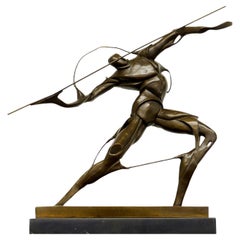
1970s American Mid-Century Modern Used Kinetic Sculptures
Metal
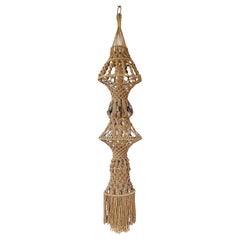
1950s French Mid-Century Modern Used Kinetic Sculptures
Wire
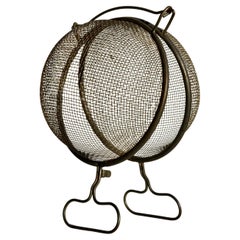
1920s Austrian Art Deco Used Kinetic Sculptures
Bronze
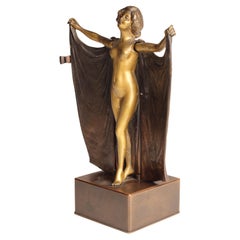
1970s European Mid-Century Modern Used Kinetic Sculptures
Wood
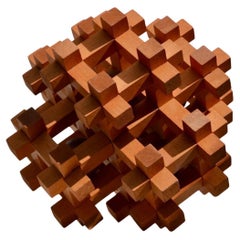
Late 20th Century American Modern Used Kinetic Sculptures
Steel
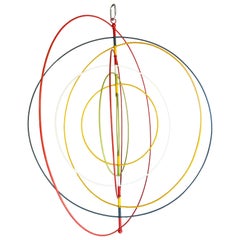
Mid-20th Century American Mid-Century Modern Used Kinetic Sculptures
Metal
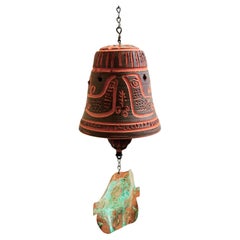
20th Century Mid-Century Modern Used Kinetic Sculptures
Metal, Brass, Copper
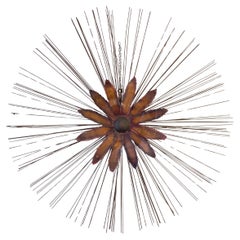
Late 20th Century French Mid-Century Modern Used Kinetic Sculptures
Wood
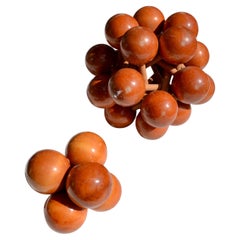
20th Century Aesthetic Movement Used Kinetic Sculptures
Metal
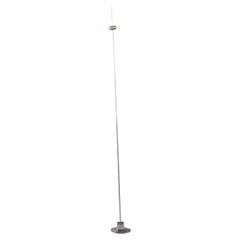
20th Century Aesthetic Movement Used Kinetic Sculptures
Metal
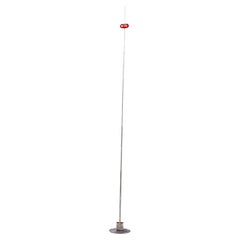
Late 20th Century American Mid-Century Modern Used Kinetic Sculptures
Bronze
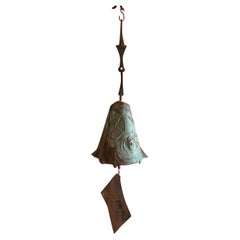
1990s Italian Used Kinetic Sculptures
Iron
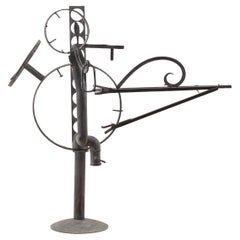
1960s Mid-Century Modern Used Kinetic Sculptures
Metal
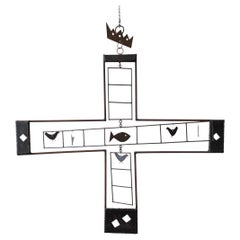
Early 2000s American Modern Used Kinetic Sculptures
Aluminum
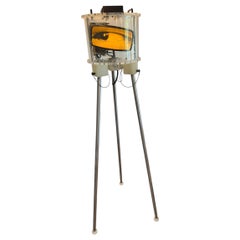
Late 20th Century French Mid-Century Modern Used Kinetic Sculptures
Wood
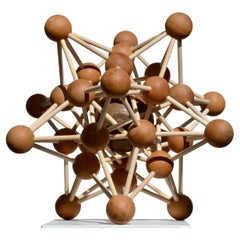
1970s American Mid-Century Modern Used Kinetic Sculptures
Brass
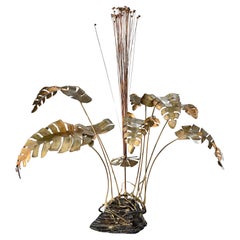
1940s French Art Deco Used Kinetic Sculptures
Chrome
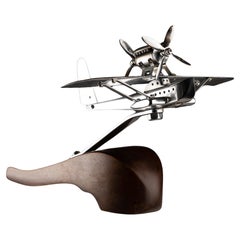
Mid-20th Century American Mid-Century Modern Used Kinetic Sculptures
Bronze
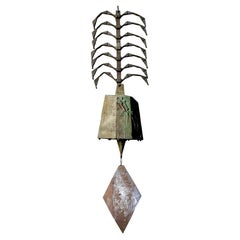
20th Century Italian Used Kinetic Sculptures
Marble
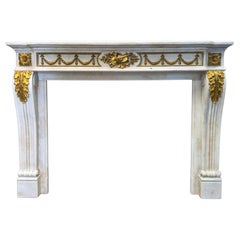
Mid-20th Century Organic Modern Used Kinetic Sculptures
Bronze
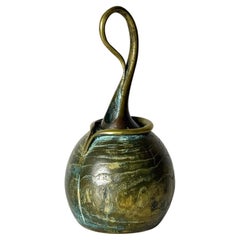
1970s American Mid-Century Modern Used Kinetic Sculptures
Wood
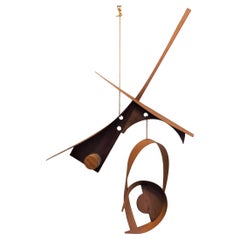
21st Century and Contemporary American Modern Used Kinetic Sculptures
Brass
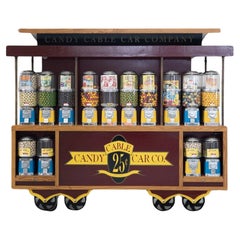
20th Century American Used Kinetic Sculptures
Brass
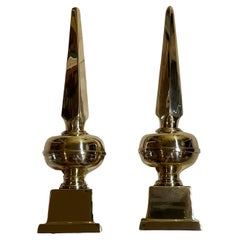
1970s French Mid-Century Modern Used Kinetic Sculptures
Metal
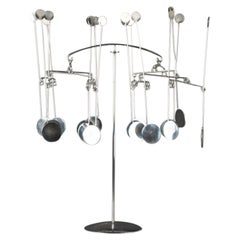
1960s American Mid-Century Modern Used Kinetic Sculptures
Brass, Iron
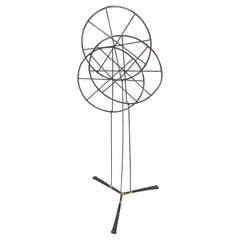
1970s Victorian Used Kinetic Sculptures
Metal
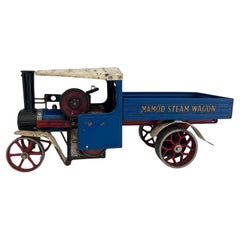
1920s French Art Nouveau Used Kinetic Sculptures
Crystal, Iron
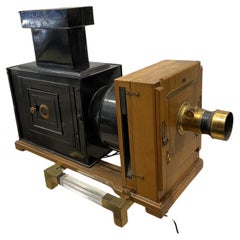
1970s American Mid-Century Modern Used Kinetic Sculptures
Metal
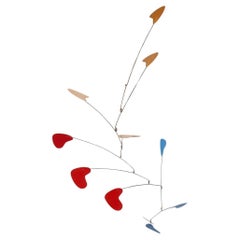
Mid-18th Century English George II Used Kinetic Sculptures
Pottery
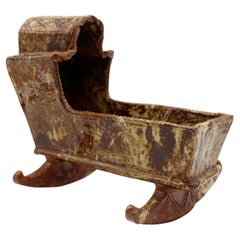
1920s American Art Deco Used Kinetic Sculptures
Iron
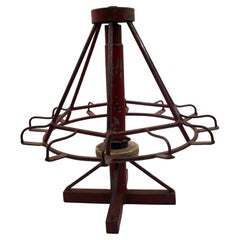
1920s American Art Deco Used Kinetic Sculptures
Iron
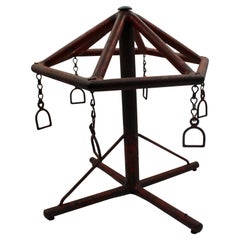
1970s Mid-Century Modern Used Kinetic Sculptures
Metal
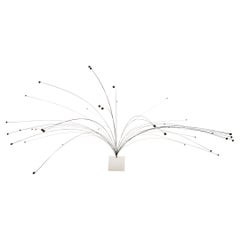
Early 20th Century French Late Victorian Used Kinetic Sculptures
Gesso, Wood
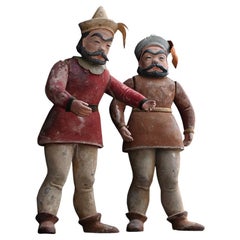
Mid-20th Century English Hollywood Regency Used Kinetic Sculptures
Shell
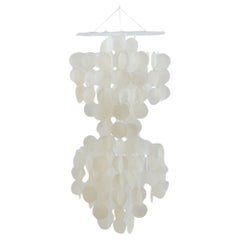
Early 1900s German Victorian Used Kinetic Sculptures
Metal
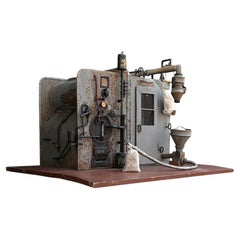
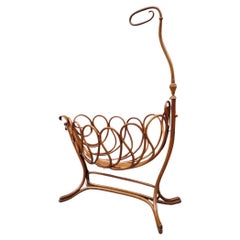
1890s Austrian Art Nouveau Used Kinetic Sculptures
Beech
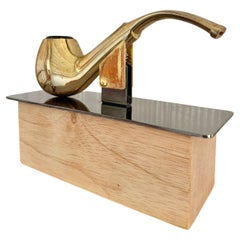
Late 20th Century Taiwanese Hollywood Regency Used Kinetic Sculptures
Metal, Brass
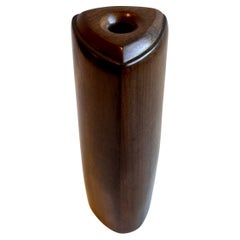
1980s American American Craftsman Used Kinetic Sculptures
Walnut
- 1
- ...
Used Kinetic Sculptures For Sale on 1stDibs
How Much are Used Kinetic Sculptures?
Finding the Right Sculptures for You
Styling your home with vintage, new and antique sculptures means adding a touch that can meaningfully transform the space. By introducing a sculptural work as a decorative finish to any interior, you’re making a statement, whether you tend toward the dramatic or prefer to keep things casual with modest, understated art.
A single, one-of-a-kind three-dimensional figurative sculpture mounted on your dining room wall is a guaranteed conversation piece, while a trio of abstract works arranged on your living room bookshelves can add spontaneity to the collection of first-edition novels or artist monographs you’re displaying as well as draw attention to them. Figurative sculptures are representational works that portray a specific person, animal or object. And while decorating with busts, which are sculpted or cast figurative works, hasn’t exactly topped the list of design trends every year, busts are back. According to designer Timothy Corrigan, “They give humanity in a way that a more abstract sculpture can’t give.” Abstract sculptures, on the other hand, are not meant to show something specific. Instead, they invoke a mood or scene without directly stating what they are portraying.
Busts made of stone or metal may not seem like a good fit for your existing decor. Fortunately, there are many ways for a seemingly incongruous piece to fit in with the rest of your room’s theme. You can embrace a dramatic piece by making it the focal point of the room, or you can choose to incorporate several elements made out of the same material to create harmony in your space. If an antique or more dramatic piece doesn’t feel like you, why not opt for works comprising plastic, fiberglass or other more modern materials?
When incorporating sculpture into the design of your home — be it the playful work of auction hero and multimedia visionary KAWS, contemporary fiber art from Connecticut dealer browngrotta arts or still-life sculpture on a budget — consider proper lighting, which can bring out the distinctive aspects of your piece that deserve attention. And make sure you know how the size and form of the sculpture will affect your space in whole. If you choose a sculpture with dramatic design elements, such as sharp angles or bright colors, for example, try to better integrate this new addition by echoing those elements in the rest of your room’s design.
Get started on decorating with sculpture now — find figurative sculptures, animal sculptures and more on 1stDibs today.
- 1stDibs ExpertApril 5, 2022If a sculpture is kinetic, it moves and that movement is part of how the artist conveys the meaning of the work. Kinetic sculptures may feature motors, electronic displays and other components that create the movement. Find a selection of kinetic sculptures on 1stDibs.
- Can tusk be used for sculpture?1 Answer1stDibs ExpertFebruary 13, 2023Yes, ivory tusks can be used for sculptures and figurines. However, the U.S. and many other countries have banned the import of ivory, meaning many artists no longer work with the material. On 1stDibs, shop a collection of sculptures from some of the world's top galleries.
- 1stDibs ExpertMarch 22, 2022To produce his sculptures, Pablo Picasso used many different materials. He worked in clay, metal and bronze for many pieces. In addition, he gathered discarded everyday objects, discarded paper and used wood to produce some of his work. You'll find a range of Pablo Picasso art on 1stDibs.
- 1stDibs ExpertApril 5, 2022Henry Moore used holes in his sculptures to create the illusion that his work was growing from an empty center. His sculptures Oval with Points and Double Oval are two examples of the technique. You'll find a selection of Henry Moore art on 1stDibs.
- 1stDibs ExpertApril 5, 2022Richard Serra prefers to use steel for his sculptures. He narrows that down and reports that rolled Cor-Ten steel with an evenly rusted surface is his favorite medium. The artist has experimented in other mediums, including film, but is best noted for his large-scale steel structures. Shop a selection of Richard Serra pieces from some of the world’s top art dealers on 1stDibs.
- 1stDibs ExpertApril 5, 2022Louise Nevelson used found wooden forms and made sculptures in steel, aluminum, plexiglass and other materials. Her artistic journey often featured wood, as she found it fascinating, but she added plastics and formica in the 1960s. In the 1970s she began to work on a gigantic scale with aluminum and steel. Shop a selection of Louise Nevelson pieces from some of the world’s top art dealers on 1stDibs.
- 1stDibs ExpertMarch 22, 2022Auguste Rodin used a variety of materials for his sculptures, including bronze, marble, plaster and clay. One of his most famous works, The Thinker, is a bronze piece mounted on a stone pedestal. Find a selection of Auguste Rodin art on 1stDibs.
Read More
How a Craving for Color Revolutionized Glass
After synthetic dyes changed fashion, home goods and printed matter, it was only a matter of time till glass caught up.
Kazuyo Sejima’s Flowering Tree Blooms Year-Round
The brilliantly simple design turns a modest bouquet into a major statement.
He Wrote ‘Oedipus Rex,’ but Do You Know What He Looked Like?
The Greek tragedian is said to have been handsome in his day.
Cigar Culture Was Once the Peak of Masculinity. Now, It’s a Compelling Curiosity
Even for those who don’t indulge, elegant smoking accessories and audacious art portraying cigar enthusiasts hold a nostalgic allure.
African Travel Plans on Hold? This Ardmore Leopard Vase Brings the Beauty of the Savanna to You
It’s an excellent example of the sought-after ceramics coming out of South Africa’s KwaZulu-Natal province.
With a High-Tech Flagship and Cool Collabs, Lladró Is Breaking the Mold for Porcelain Production
Thanks to its new leadership, the Spanish maker of figurines, busts and lighting is on a mission to update the art of porcelain for the 21st century.
Zoë Powell’s Magnolia 05 Vessel Is Handmade from Clay She Unearthed Herself
The free-form stoneware piece is inspired by the magnolia tree and its associations with home.
8 Ways to Breathe New Life into a Space with Plants
The pair behind the Instagram account @houseplantclub share their tips for making any room of the house gloriously green.