Used Ottomans
1980s Mid-Century Modern Used Ottomans
Cotton
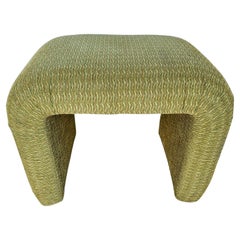

1970s European Mid-Century Modern Used Ottomans
Leather
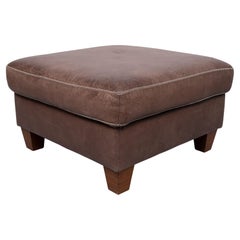
1950s French Mid-Century Modern Used Ottomans
Brass, Steel
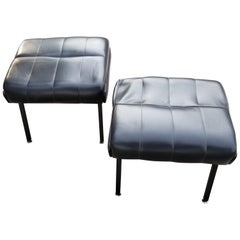
1980s American Hollywood Regency Used Ottomans
Bouclé
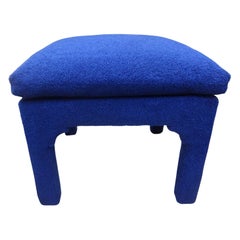
1960s Unknown Mid-Century Modern Used Ottomans
Iron, Metal
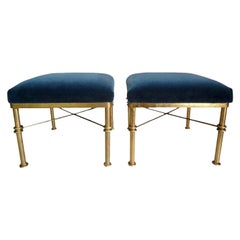
1960s Italian Mid-Century Modern Used Ottomans
Steel
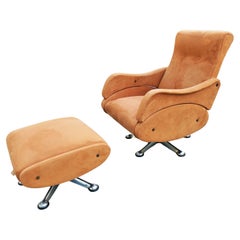
Mid-20th Century American Mid-Century Modern Used Ottomans
Aluminum
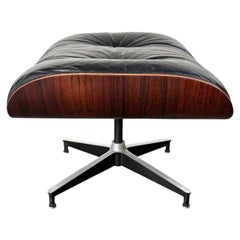
2010s American Modern Used Ottomans
Shagreen, Wood, Leather
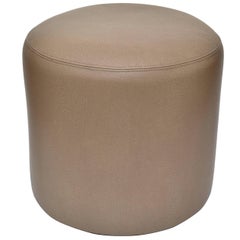
1880s Napoleon III Used Ottomans
Silk, Wood
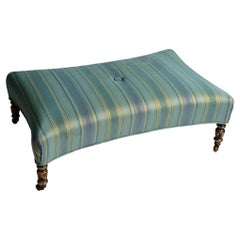
Mid-20th Century French Art Deco Used Ottomans
Fruitwood
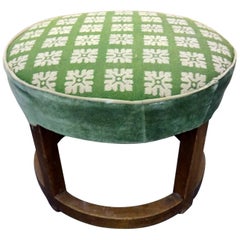
1970s American Modern Used Ottomans
Hide, Upholstery, Wood
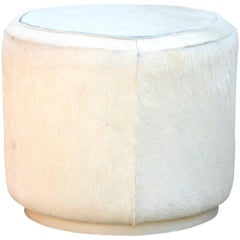
1980s Mid-Century Modern Used Ottomans
Chrome
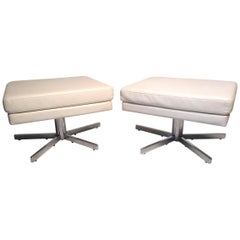
Mid-20th Century Swiss Used Ottomans
Leather
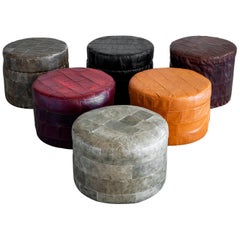
1970s Italian Mid-Century Modern Used Ottomans
Chenille
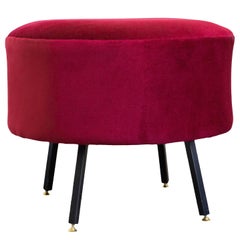
1970s Indonesian Modern Used Ottomans
Fabric, Rattan
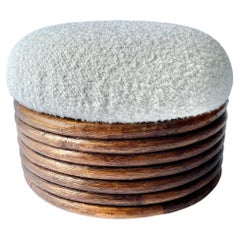
1950s American Mid-Century Modern Used Ottomans
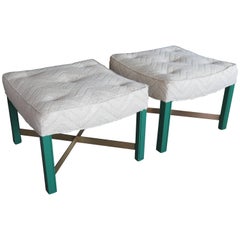
1970s American Used Ottomans
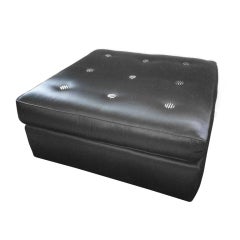
1970s Indonesian Modern Used Ottomans
Fabric, Rattan
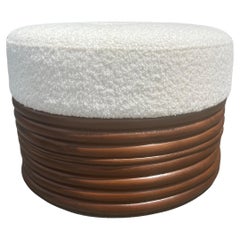
20th Century Danish Mid-Century Modern Used Ottomans
Leather, Rosewood
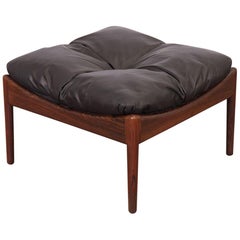
20th Century American Mid-Century Modern Used Ottomans
Leather
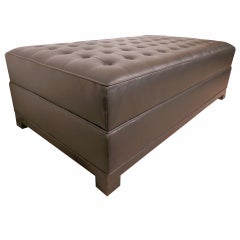
20th Century American Used Ottomans
Mahogany
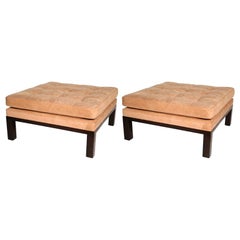
Late 19th Century English Victorian Used Ottomans
Leather, Mahogany
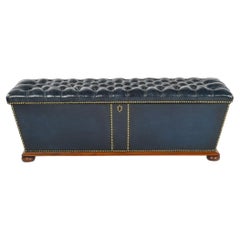
Early 20th Century Italian Modern Used Ottomans
Leather
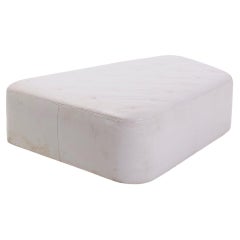
Late 20th Century American Post-Modern Used Ottomans
Upholstery
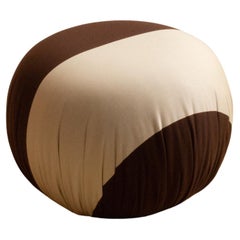
Early 2000s American Used Ottomans
Leather, Walnut
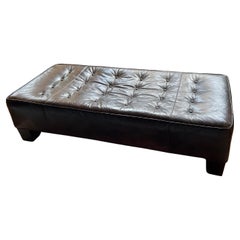
21st Century and Contemporary Indian Used Ottomans
Upholstery, Wood
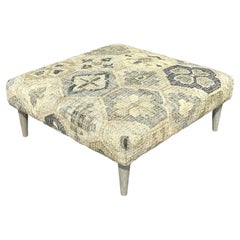
1980s American Mid-Century Modern Used Ottomans
Fabric
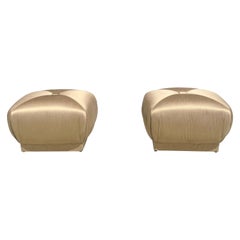
20th Century French Post-Modern Used Ottomans
Leather
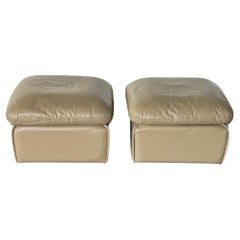
21st Century and Contemporary American Modern Used Ottomans
Brass
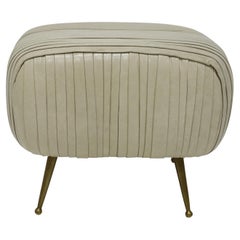
Mid-20th Century Danish Mid-Century Modern Used Ottomans
Faux Leather
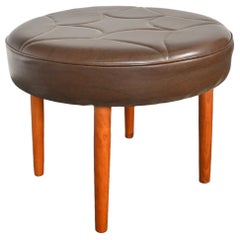
Mid-20th Century Mid-Century Modern Used Ottomans
Chrome
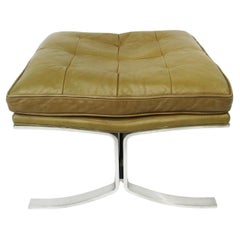
Mid-20th Century Danish Mid-Century Modern Used Ottomans
Leather
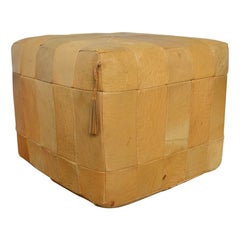
1950s Used Ottomans
Fabric
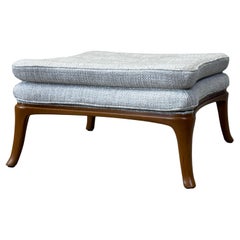
Mid-20th Century Italian Used Ottomans
Leather, Wood
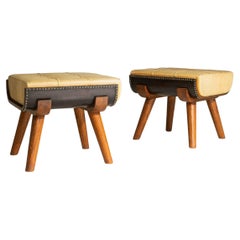
Late 20th Century Philippine Used Ottomans
Upholstery, Rattan
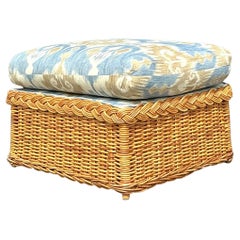
Mid-20th Century American Mid-Century Modern Used Ottomans
Wood
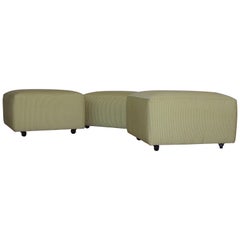
Early 20th Century French Neoclassical Used Ottomans
Linen, Wood
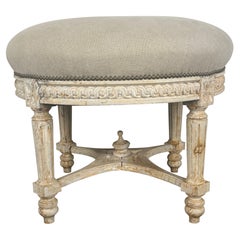
20th Century Used Ottomans
Cotton, Hardwood
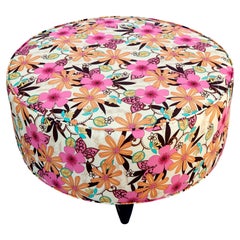
2010s German Space Age Used Ottomans
Stainless Steel
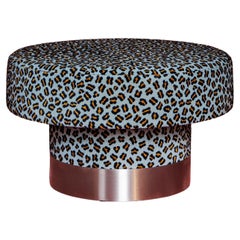
Mid-20th Century Unknown Hollywood Regency Used Ottomans
Fabric
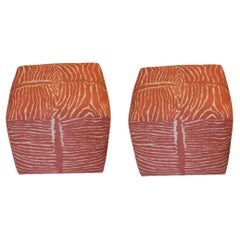
1980s Used Ottomans
Cotton, Wood
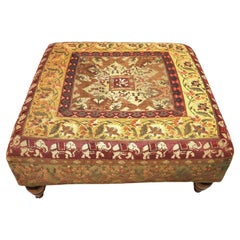
1980s American French Provincial Used Ottomans
Brass
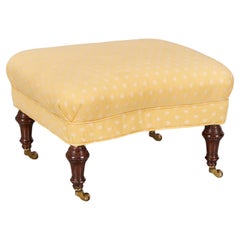
1950s Italian Mid-Century Modern Used Ottomans
Fabric, Walnut
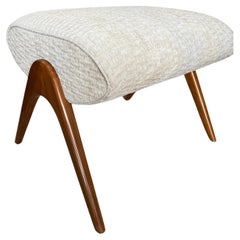
21st Century and Contemporary Italian Modern Used Ottomans
Steel
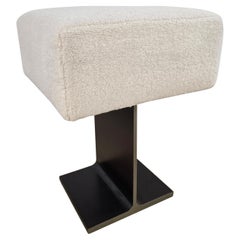
1950s Danish Used Ottomans
Leather, Oak
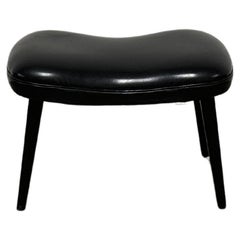
1930s French Art Deco Used Ottomans
Fabric, Macassar
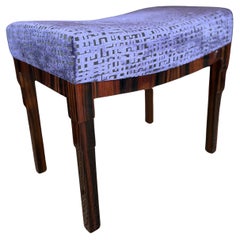
1950s American Used Ottomans
Rosewood
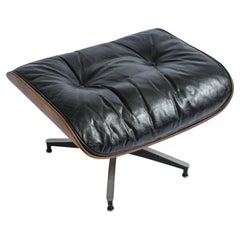
Late 20th Century American Modern Used Ottomans
Upholstery, Wood, Paint
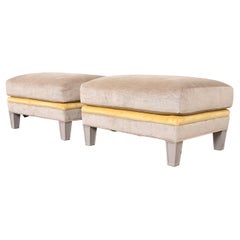
2010s Used Ottomans
Faux Leather
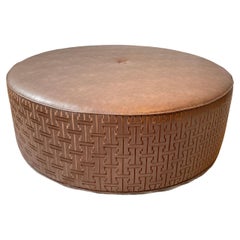
1980s American Used Ottomans
Fabric, Lucite
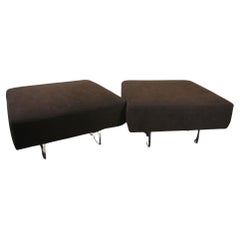
20th Century American Mid-Century Modern Used Ottomans
Metal, Brass
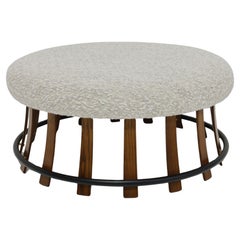
21st Century and Contemporary European Modern Used Ottomans
Faux Leather
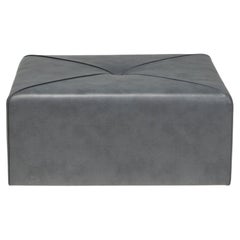
1980s Mid-Century Modern Used Ottomans
Upholstery, Wood
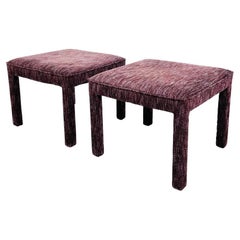
21st Century and Contemporary American Used Ottomans
Chrome
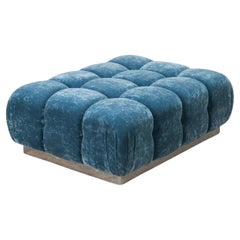
1980s Modern Used Ottomans
Steel
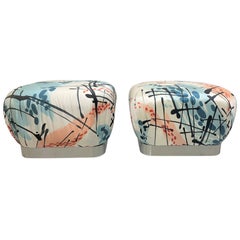
1980s Modern Used Ottomans
Steel
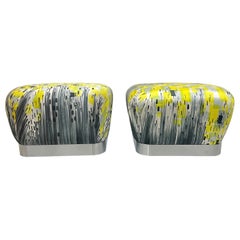
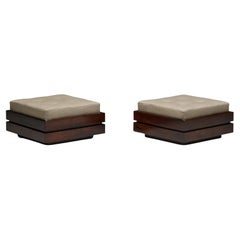
1960s Brazilian Mid-Century Modern Used Ottomans
Wood
- 1
- ...
Used Ottomans For Sale on 1stDibs
How Much are Used Ottomans?
Finding the Right Ottomans And Poufs for You
Antique and vintage ottomans and poufs add comfort and style to any living room, game room, home office or minimalist lounge space. An ottoman is a short seat or footstool that is also often used to store items. A pouf is similar, but it’s typically more petite than an ottoman, usually without the storage space inside.
When one thinks of the Ottoman Empire, it’s easy to overlook the iconic seat named for the region. The ottoman — originally an upholstered seat or small bench without a back or arms — was a family’s main seating furniture, a way to merge floor seating with cushions and mats. It wasn’t until they were brought to Europe from Turkey, during the 18th century, that it became popular to join ottomans with other pieces of furniture, such as at the base of a chair. Eventually, these footrests were transformed into storage furnishings to organize quilts and blankets or other textiles. Furniture makers crafted their ottomans with lids that revealed a hidden cupboard, which rendered them both comfortable and practical.
Poufs, which appeared in France during the 1840s, are also of the low-platform seating variety. These versatile furnishings have been made available in all manner of shapes and sizes over time, and depending upon their firmness can be used as a side table should an occasion call for an extra one. However, your average ottoman is almost always firmer than a pouf, and even if the plush pouf in your living room feels sturdy, it’s probably not the best surface for your early-evening cocktail.
Both ottomans and poufs can help create an inviting and warm atmosphere in your living space. For the smaller rooms that are characterized by a casual feel, a shaggy or woven wool pouf might be a better choice, as it’s likely to be more compact and floor-cushion-like than an ottoman. The latter are often larger and more table-like and are comparatively a good fit for a more formal room such as a library or a study. Today, you might find that an ottoman works well in your bedroom, where there isn’t room for a sofa, or perhaps it can serve as a reliable perch in front of your vintage vanity table.
Whatever your seating needs are, find a collection of antique, new and vintage ottomans and poufs in varying styles on 1stDibs that include neoclassical, Industrial and mid-century modern. From the bright colors and bold patterns deployed by Milan-born designer Lorenza Bozzoli to the classy leather furnishings created at family-run Brooklyn, New York, atelier Moses Nadel, there is an endless range of these lovable low stools that merge seamlessly with most decor.
- 1stDibs ExpertApril 26, 2024The use of an ottoman in a bedroom is largely the same as it is in a living room. A person may place an ottoman in front of a lounge chair or accent chair used for reading in the bedroom, or they might position it at the foot of the bed or against the wall so that it can serve as a bench. An ottoman with a hinged top and a hidden inner compartment may serve as storage furniture for bedding, pillows, clothing, shoes or accessories. Shop a large selection of ottomans on 1stDibs.
- 1stDibs ExpertJune 15, 2023Yes, an ottoman can be used as a footstool. The ottoman, originally an upholstered seat or small bench without a back or arms, was a family’s main seating furniture, a way to merge floor seating with cushions and mats. It wasn’t until they were brought to Europe from Turkey, during the 18th century, that it became popular to join ottomans with other pieces of furniture, such as at the base of a chair. On 1stDibs, find a collection of ottomans.
Read More
All the Furniture in This Organic Modern Soho Loft Can Be Yours
Andrianna Shamaris has filled her epic new home with pieces of her own design.
20 Inviting Dining Rooms Perfectly Arranged for Entertaining
Top interior designers show — and tell — us how to create delectable spaces for hosting dinner parties.
Nobody Puts This Sunny Sofa in a Corner
With its plush cushions, cane details and dazzlingly colorful back, it’s inviting from every angle.
The 21 Most Popular Mid-Century Modern Chairs
You know the designs, now get the stories about how they came to be.
Fred Rigby’s Modular Seating Can Be Configured in So Many Handy Ways
The plush Cove Slipper 2.5 Seater sofa is just one of many convenient combinations from the London-based maker.
This Chubby-Chic Quilted Stool Stands on Its Own Two Feet
Sam Klemick's cool stool is edgy, cozy and environmentally sustainable all at once.
Is Lionel Jadot the Willy Wonka of Upcycled Belgian Design?
From his massive collaborative workshop in a former paper factory, the designer concocts funky furniture from disused materials, as well as luxe hotel interiors like the new Mix Brussels.
Rock Your Cares Away on This Sunny Hand-Crocheted Swing
The boho-chic Enchanted Forest Swing, handmade by marginalized women from Turkey and Syria, is uplifting in every way.