Used Wardrobes
1930s French Art Deco Used Wardrobes
Brass
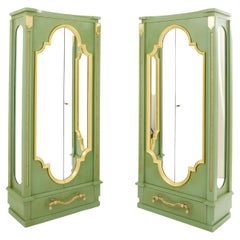
19th Century English Victorian Used Wardrobes
Hardwood

1960s German Mid-Century Modern Used Wardrobes
Teak
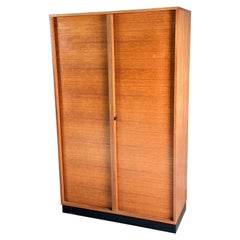
1970s Chinoiserie Used Wardrobes
Faux Bamboo, Wicker, Wood
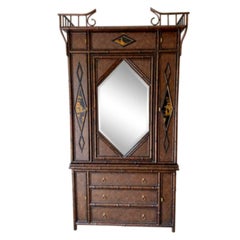

1930s French Art Deco Used Wardrobes
Aluminum
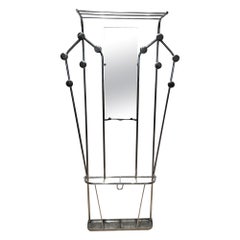
1960s Danish Scandinavian Modern Used Wardrobes
Teak
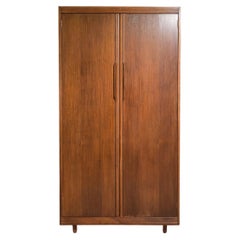
1930s Italian Art Deco Used Wardrobes
Murano Glass, Wood
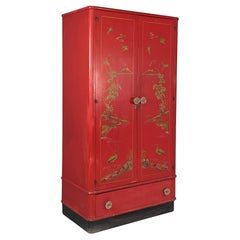
Late 19th Century French French Provincial Used Wardrobes
Chestnut
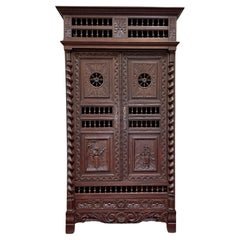
Late 20th Century British Colonial Used Wardrobes
Brass
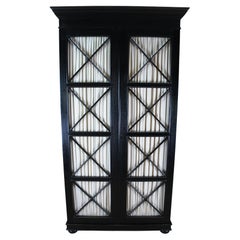
Early 20th Century Belgian Used Wardrobes
Brass
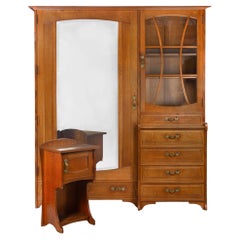
1970s Italian Post-Modern Used Wardrobes
Wood
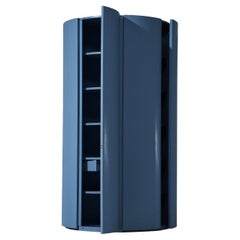
1970s Italian Post-Modern Used Wardrobes
Wood
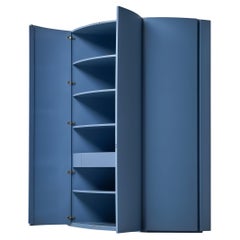
Early 20th Century European Used Wardrobes
Wood
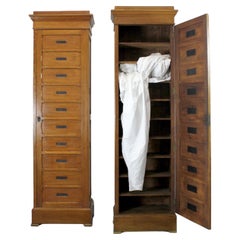
1820s German Regency Used Wardrobes
Oak
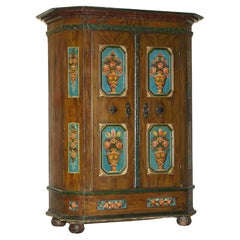
1950s Italian Mid-Century Modern Used Wardrobes
Brass
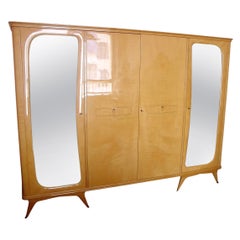
20th Century Spanish Gothic Revival Used Wardrobes
Walnut
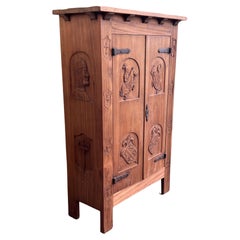
1970s French Mid-Century Modern Used Wardrobes
Oak
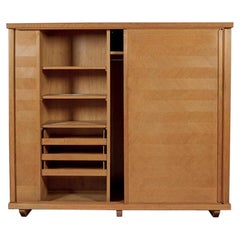
Early 20th Century Czech Bauhaus Used Wardrobes
Chrome, Steel
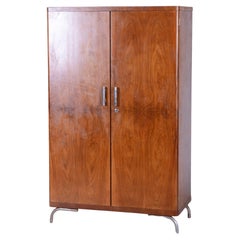
1960s Mid-Century Modern Used Wardrobes
Wood
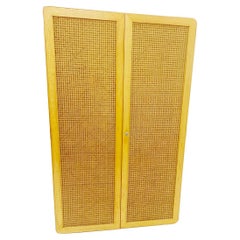
1960s Italian Mid-Century Modern Used Wardrobes
Rosewood
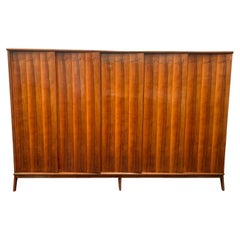
1940s Italian Mid-Century Modern Used Wardrobes
Wood
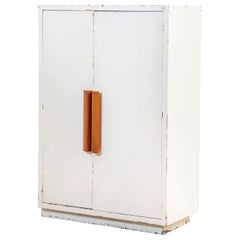
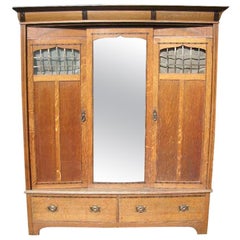
1890s British Arts and Crafts Used Wardrobes
Ebony, Oak
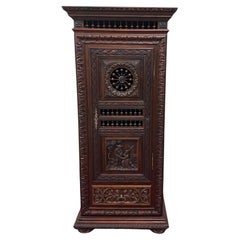
Late 19th Century French French Provincial Used Wardrobes
Chestnut
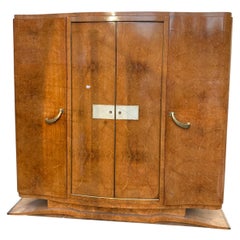
1930s French Art Deco Used Wardrobes
Parchment Paper, Amboyna
1950s Austrian Mid-Century Modern Used Wardrobes
Brass
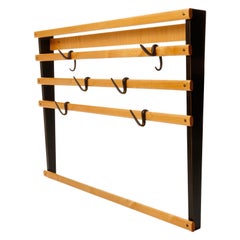
20th Century English Art Nouveau Used Wardrobes
Pine
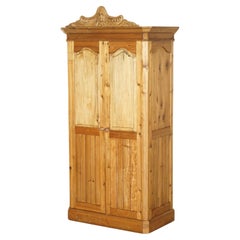
1970s Italian Mid-Century Modern Used Wardrobes
Brass
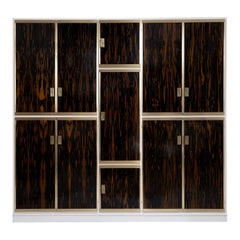
1920s Czech Art Deco Used Wardrobes
Wood, Lacquer, Mahogany
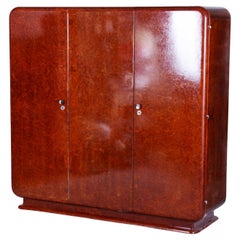
1950s Italian Mid-Century Modern Used Wardrobes
Bamboo
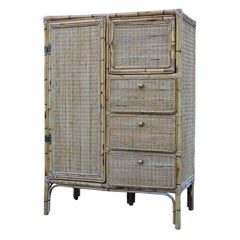
Mid-20th Century American Mid-Century Modern Used Wardrobes
Glass, Mirror, Mahogany, Oak
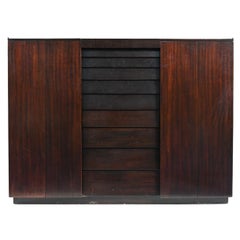
20th Century British Used Wardrobes
Walnut
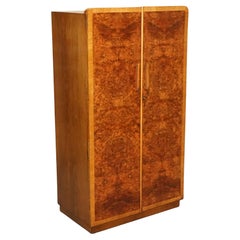
1950s Italian Mid-Century Modern Used Wardrobes
Brass
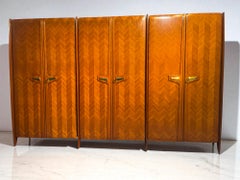
17th Century French Louis XIV Used Wardrobes
Oak
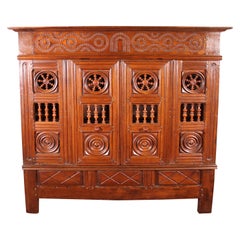
1760s English George III Used Wardrobes
Hardwood, Walnut
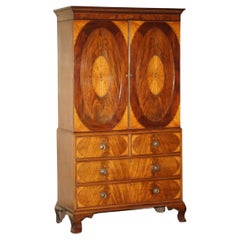
Mid-20th Century British Mid-Century Modern Used Wardrobes
Teak
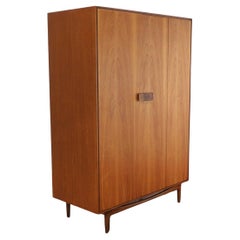
Early 18th Century French Louis XIV Used Wardrobes
Bronze, Iron
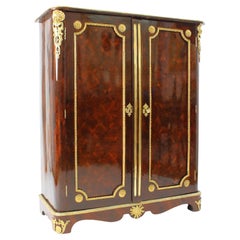
Late 19th Century Italian Used Wardrobes
Poplar, Fir
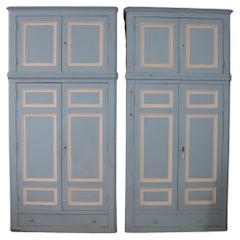
1870s Italian Neoclassical Revival Used Wardrobes
Mirror, Oak, Walnut, Burl
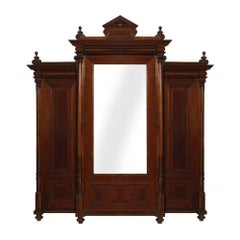
1920s Dutch Art Deco Used Wardrobes
Mirror, Oak, Pine
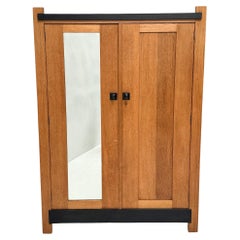
1940s Mexican Rustic Used Wardrobes
Iron
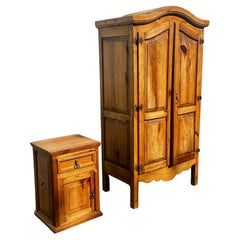
1930s English Art Deco Used Wardrobes
Walnut
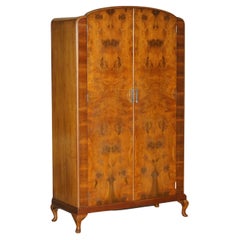
1840s French Jacobean Used Wardrobes
Wood
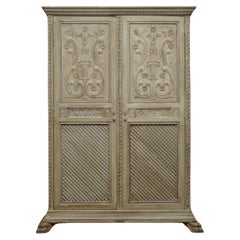
1970s American Modern Used Wardrobes
Steel, Brass
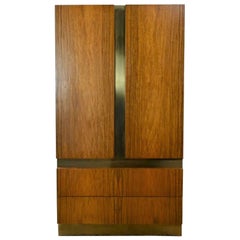
1960s French Mid-Century Modern Used Wardrobes
Oak
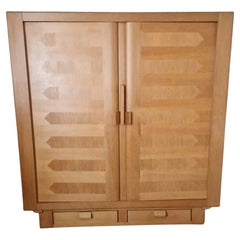
1930s Czech Bauhaus Used Wardrobes
Steel, Chrome
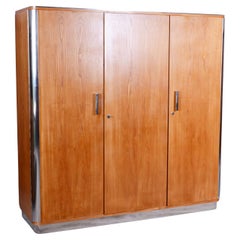
1960s French Mid-Century Modern Used Wardrobes
Oak, Glass
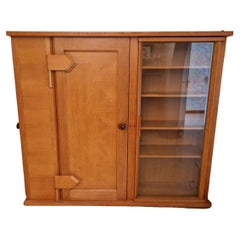
19th Century English Victorian Used Wardrobes
Mirror, Hardwood
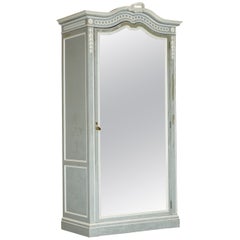
1960s German Mid-Century Modern Used Wardrobes
Walnut
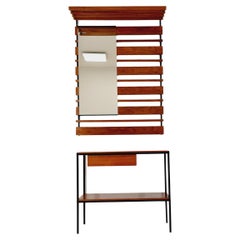
1840s European Early Victorian Used Wardrobes
Oak
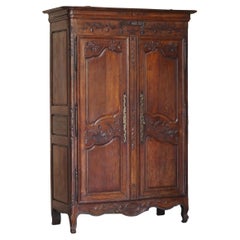
Late 19th Century French French Provincial Used Wardrobes
Wood
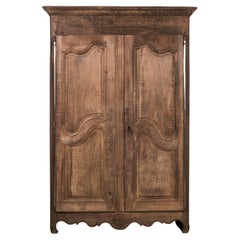
Early 20th Century French French Provincial Used Wardrobes
Oak
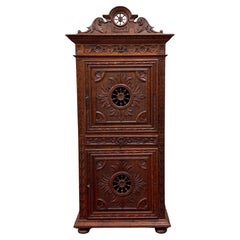
1930s Czech Bauhaus Used Wardrobes
Steel, Chrome
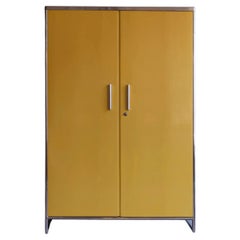
1950s Italian Mid-Century Modern Used Wardrobes
Fabric, Wood
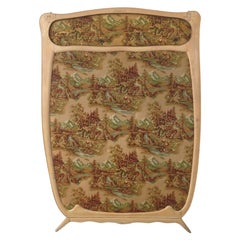
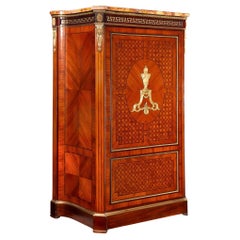
19th Century French Louis XVI Used Wardrobes
Marble, Bronze, Ormolu
20th Century Italian Rustic Used Wardrobes
Walnut, Fir
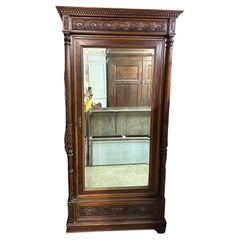
20th Century British Used Wardrobes
Oak
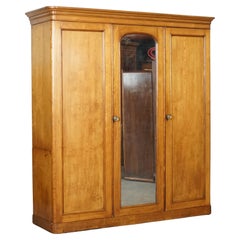
19th Century Irish William IV Used Wardrobes
Metal, Brass
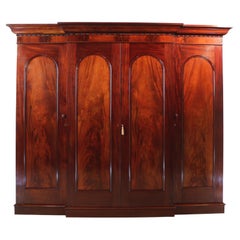
- 1
- ...
Used Wardrobes For Sale on 1stDibs
How Much are Used Wardrobes?
Finding the Right Wardrobes And Armoires for You
When shopping for antique and vintage wardrobes and armoires for your home, there are several things to keep in mind, not least of which is question number 1:
What is the difference between an armoire and a wardrobe?
The difference between an armoire and a wardrobe is actually simple: An armoire is merely an ornate wardrobe. A wardrobe is a tall, streamlined storage cabinet that usually has some combination of drawers, shelves and hanging rods.
Antique and vintage armoires, on the other hand, are freestanding, heavy wooden structures that typically feature decorative metal hinges and pictorial carvings. Armoires are large cabinets that aren’t outfitted with the varied storage features that wardrobes now commonly have. Armoires often have one or two doors and a hanging bar and allow for quick access. Whether a minimalist mid-century modern wardrobe or grandiose Victorian-era armoire is the right fit for you, both are highly functional furnishings and can be a smart storage solution.
Armoires have been around since medieval times, and initially they may have housed weapons and armor. In their early days, armoires were often adorned with elaborate carvings and lavish paintings, particularly in Renaissance-era France. During the 18th century and later, armoires were widely known as “presses” for hanging clothes, and they were so large that they swallowed up the room where they stood.
In today’s modern homes, an antique armoire can be a striking, architectural work of art amid comparably unadorned furnishings. Whether you’re using your piece in the kitchen for cookware or as a food pantry, in the bedroom for clothes or in the living room as a media console, it will likely become a lovable focal point.
The evolution of the armoire can be seen in today’s corner wardrobes, which may rest on an asymmetrical base to account for corner placement, and even mirrored wardrobes, which feature a mirror affixed to the inside panel of one of the doors for convenience. Contemporary wardrobes commonly feature additional sliding trays and drawers and hanging space for clothing or linens, and the cabinet doors make them ideal for concealing televisions and computer monitors when such devices aren’t in use.
When choosing the right wardrobe or vintage armoire for your home, it’s good to have the following in mind: What are you planning to store in it? How much of what you’re storing will need to be housed in it? It should be big enough to accommodate your needs. What is the size of the room where your wardrobe or armoire will live? A large new piece of furniture in a modest space can easily become a hindrance if you have to navigate your way around it during your daily routine, so be mindful of the area you'll need in order to move freely.
Whether you are looking for an antique walnut armoire or a simple contemporary wardrobe, find the right piece for your home today on 1stDibs.
- 1stDibs ExpertNovember 6, 2023You can use a variety of other things in place of a wardrobe. Armoires are a popular alternative. These case goods are usually bigger than wardrobes and have more ornate, decorative designs. You may also consider the chifferobe, which has a hanging area for clothing on one side and a chest of drawers on the other. Open clothes racks can also serve as a substitute for a wardrobe. On 1stDibs, shop a large collection of furniture.
Read More
37 Cheerful Home Bars, Where Everybody (Literally) Knows Your Name
Simple or sophisticated, equipped with console, cart or custom cabinetry, these stylish bar areas deserve a toast.
The Ultimate Guide to Types of Tables for the Home
Whether you’re just moving in or ready to give your home a makeover, our guide will give you pointers on tables that are fitting for every room, nook and hallway.
What Exactly Is a Secretary Desk, and What Is It Used For?
The furniture equivalent of a Swiss Army knife, it's the multifunctional piece you didn't know you needed.
This Shelving System with Oxidized Brass Tubes Is Retro and Futuristic at Once
Italian studio DimoreMilano mustered great ingenuity when crafting these sculptural shelves, which are built without any screws.
Ask an Interior Designer: Work-from-Home Edition
Leaping into a design project, whether it's refreshing the bedroom or redoing the whole house, can be overwhelming. Luckily, we know more than a few interior designers. You asked questions on Instagram, and now they're answering.
Collected and Eclectic, ‘Wunderkammern’ Are Back in a Big Way
Introduced nearly 500 years ago, curiosity cabinets are finding new fans among today's collectors and designers.
Meet the Incredible Woman Transforming Fallen Trees into Sleek Furniture
In the hands of New York Heartwoods cofounder Megan Offner, unwanted local trees become works of design art.
These New York Architects Love a Complicated Project
From Brooklyn townhouses to Maine campgrounds, Trattie Davies and Jonathan Toews relish a challenge, like transforming a former warehouse space into the new 1stdibs Gallery.