Used Weathervanes
19th Century French Used Weathervanes
Copper, Iron

1850s English Early Victorian Used Weathervanes
Stone, Copper
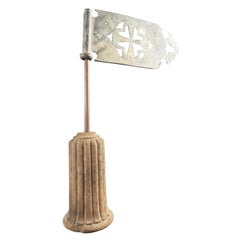
1880s American Folk Art Used Weathervanes
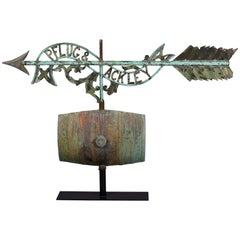
1950s American Mid-Century Modern Used Weathervanes
Zinc
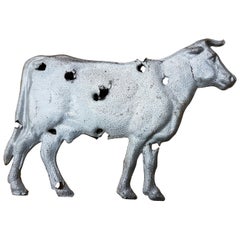
Early 1900s American Brutalist Used Weathervanes
Steel
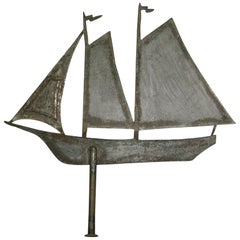
1840s American Folk Art Used Weathervanes
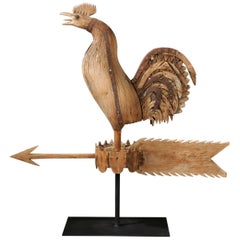
16th Century German Renaissance Used Weathervanes
Wrought Iron
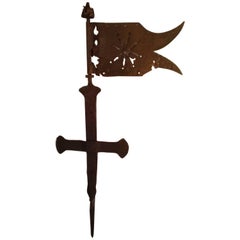
Late 19th Century American Folk Art Used Weathervanes
Copper
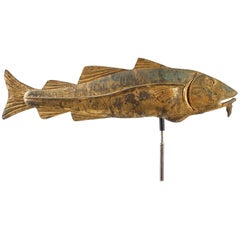
Late 19th Century American Folk Art Used Weathervanes
Copper, Zinc
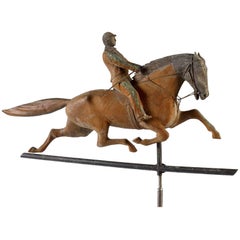
Late 19th Century American Folk Art Used Weathervanes
Copper
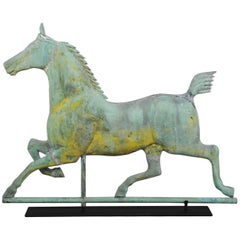

Late 19th Century American Folk Art Used Weathervanes
Copper, Zinc
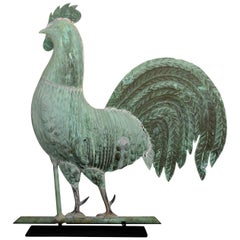
Early 1800s Great Britain (UK) Georgian Used Weathervanes
Sheet Metal
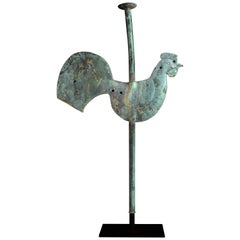
Late 19th Century American Used Weathervanes
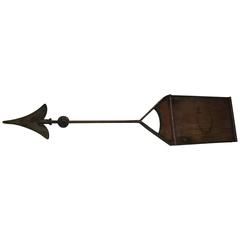
1880s American Folk Art Used Weathervanes
Copper, Zinc
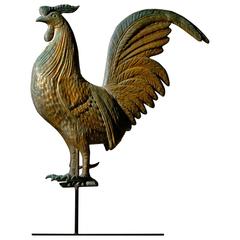
Late 19th Century American Folk Art Used Weathervanes
Copper, Iron
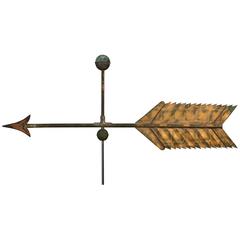
Late 19th Century American American Empire Used Weathervanes
Copper, Iron
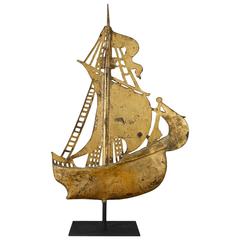
1880s American Folk Art Used Weathervanes
Copper, Zinc
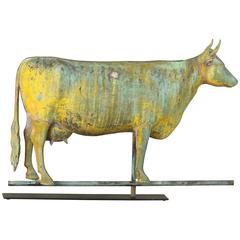
Mid-19th Century American Folk Art Used Weathervanes
Copper
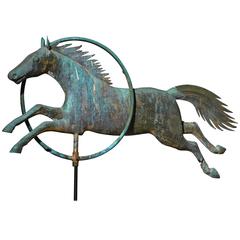
1870s American Folk Art Used Weathervanes
Copper
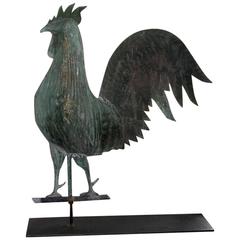
Early 20th Century American Folk Art Used Weathervanes
Copper

19th Century French Used Weathervanes
Zinc
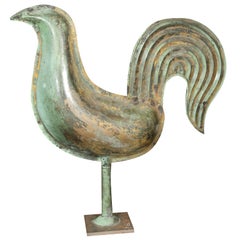
Late 19th Century American Folk Art Used Weathervanes
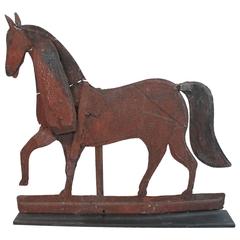
Early 20th Century American Used Weathervanes
Metal
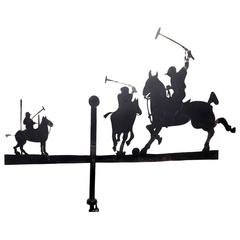
Mid-18th Century American Folk Art Used Weathervanes
Copper, Iron
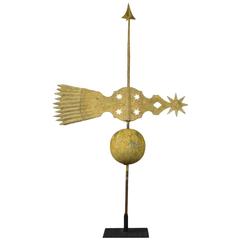
Early 20th Century American Folk Art Used Weathervanes
Iron
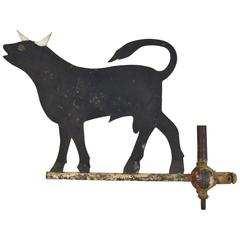
1930s Used Weathervanes
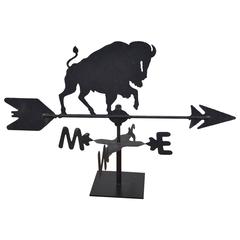
20th Century Unknown Primitive Used Weathervanes
Metal
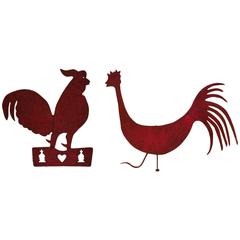
20th Century American Primitive Used Weathervanes
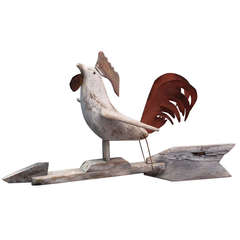
1860s European Used Weathervanes
Zinc
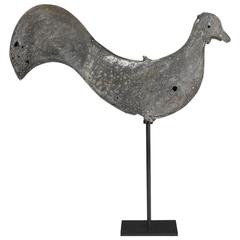
19th Century American Used Weathervanes
Iron, Copper
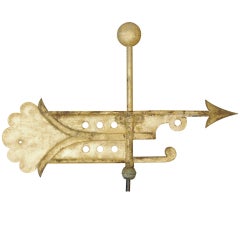
19th Century French Used Weathervanes
Iron
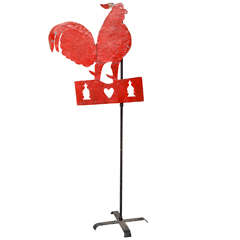
Early 1900s French Country Used Weathervanes
Iron
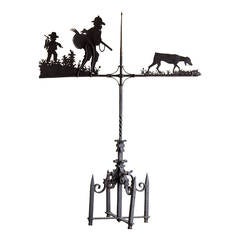
Early 19th Century French Primitive Used Weathervanes
Brass, Copper
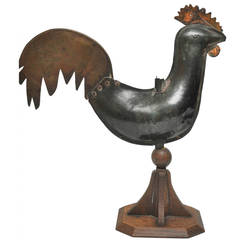
19th Century American Folk Art Used Weathervanes
Wood
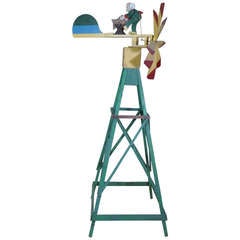
19th Century American Folk Art Used Weathervanes
Sheet Metal, Iron
19th Century American Folk Art Used Weathervanes
Copper, Iron
Early 20th Century American Folk Art Used Weathervanes
Iron
20th Century Unknown Art Nouveau Used Weathervanes
Zinc, Copper
19th Century English Used Weathervanes
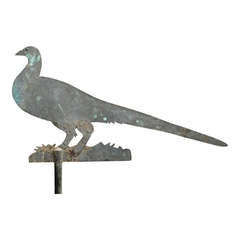
18th Century and Earlier French Used Weathervanes
Metal
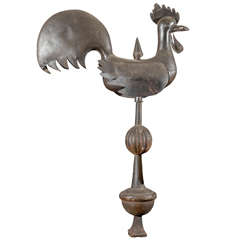
19th Century Canadian Used Weathervanes
Copper, Iron
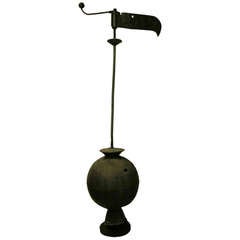
19th Century American Folk Art Used Weathervanes
Iron
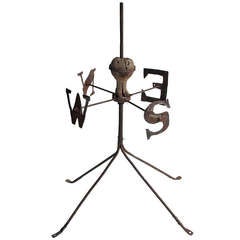
18th Century and Earlier French Louis XVI Used Weathervanes
Zinc, Iron
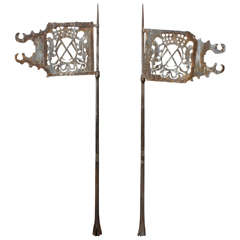
Early 20th Century American Folk Art Used Weathervanes
Sheet Metal, Iron
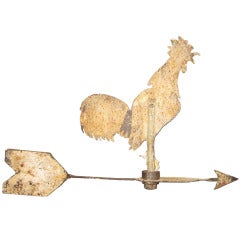
1940s Unknown Folk Art Used Weathervanes
Aluminum

19th Century American Used Weathervanes
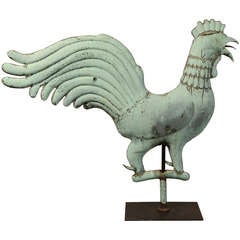
Early 20th Century American Used Weathervanes
Gold Leaf
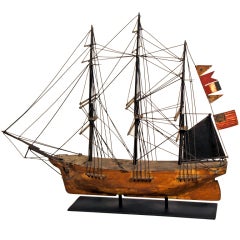
19th Century American Used Weathervanes
Copper, Lead
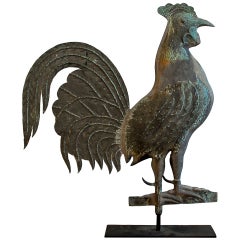
19th Century American Used Weathervanes
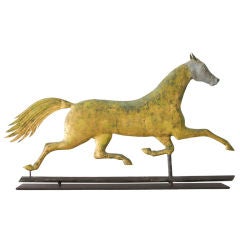
20th Century Used Weathervanes
Copper
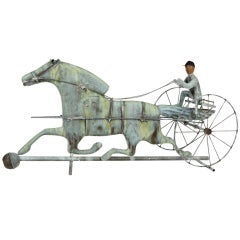
20th Century American Used Weathervanes
Copper
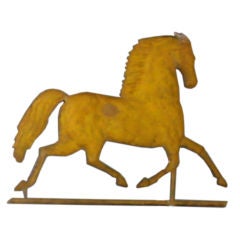
19th Century American Used Weathervanes
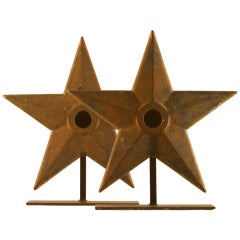
19th Century American Used Weathervanes
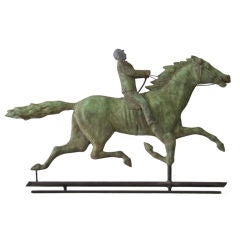
20th Century American Used Weathervanes
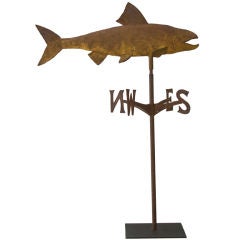
Early 20th Century American Used Weathervanes
Metal
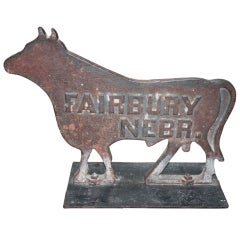
19th Century American Used Weathervanes
Iron, Sheet Metal
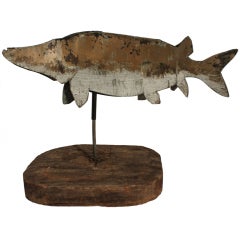
1930s American Folk Art Used Weathervanes
- 1
- ...
Used Weathervanes For Sale on 1stDibs
How Much are Used Weathervanes?
Finding the Right Weathervanes for You
Whether it’s mounted on a mantel or hung flat against a wall in the living room or entryway, antique and vintage weathervanes can prove a striking decorative touch in your home.
Weathervanes are instruments that indicate wind direction. They are also referred to as wind vanes, wind gauges or weathercocks, but regardless of what we call them, most weathervanes will perform in the same way.
Weathervanes typically consist of a gravity-centered rotating horizontal arrow or other structure that is mounted on a stationary vertical axis. When the wind blows, the horizontal piece moves freely, rotating to indicate the wind’s direction as well as its speed. Andronicus, a Greek astronomer, crafted one of the earliest iterations of the weathervane in approximately 48 B.C. His bronze design featured the head and torso of a man but the tail of a fish. Later, weathervanes could be seen atop church steeples and towers throughout Europe. The oldest weathervane is Italian in origin and assumes the silhouette of a rooster. It is a copper weathervane, said to have originated between 820 and 830 A.D. and can be found in the Museo di Santa Giulia in Brescia, Italy.
Today, antique and vintage weathervanes are collectible sculptural works in any interior. They are celebrated for their place in the rich tradition of American folk art as well as their technological innovation.
Over the course of the 19th century, as the popularity of and demand for weathervanes broadened in the United States, blacksmiths, farmers and other tradesmen created weathervanes in the forms of cows, horses and other animals for barns in rural farmland. Commercial manufacturers in major cities took to producing all manner of weathervanes that were marketed in mail-order catalogs of the era.
When decorating with weathervanes, if you’ve decided against mounting your cast-iron painted horse weathervane on your mantel to complement your farmhouse-style decor, there are other options. You could repurpose your vintage weathervane as a provocative lighting fixture and hang it above your dining-room table, or dot the walls of your mudroom with weathervanes where they might double as racks for coats or other outerwear. Create a gallery-style hang as a focal point in your living room, grouping weathervanes that share a single theme or material. Because weathervanes have taken on many forms over the years, you’re likely to find a style that best fits your personality.
If positioned outdoors, a painted or varnished wood weathervane will resist harsh weather conditions, while copper weathervanes will resist erosion and usually come at an affordable price.
On 1stDibs, find a collection of antique and vintage weathervanes and other folk art today.
Read More
A Giant Wedding Cake Has Us Looking at Portuguese Tiles in a New Light
At Waddesdon Manor, artist Joana Vasconcelos has installed a three-tiered patisserie inspired by the narrative tile work of her homeland. We take a look at the cake sculpture and how Portuguese tiles have been used in architecture from the 17th century to today.
Why Jules Chéret Was the King of the Modern Poster
The streets of fin-de-siècle Paris were set aglow with colorful poster ads, thanks to the printing techniques invented by Jules Chéret. Now, the Milwaukee Art Museum is celebrating this undersung talent in America's first solo show dedicated his exuberant works.
Why the American Flag Has Had So Many Different Star Patterns
Expert Jeff Bridgman explains the history and meaning behind the twinkling constellations that have graced Old Glory.
Peggy Guggenheim Loved Modernism, but She Also Collected Tribal Art
The iconoclastic style setter displayed African and Oceanic art, as well as works by indigenous peoples of the Americas, alongside pieces by such major modernists as Pablo Picasso and Jackson Pollock.
The 13-Star American Flag Had More Variations Than You’d Think
Perfect for July 4th weekend, a new show at Philadelphia's Museum of the American Revolution displays an array of antique red, white and blue flags.
Tramp Art, America’s Most Misunderstood Art Form, Is Trending in Interiors
Designers are beginning to see this enigmatic form of folk art in a whole new light.