Vasarely Silkscreen
Vintage 1970s American Modern Prints
Paper
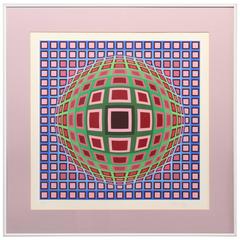
1970s Op Art Figurative Prints
Screen
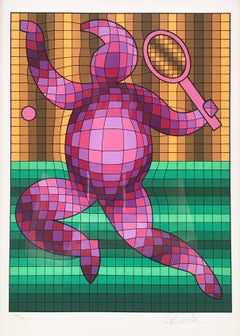
1980s Op Art Abstract Prints
Screen
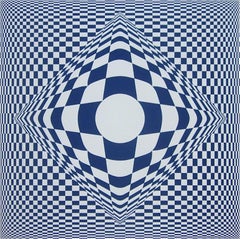
Vintage 1980s American Mid-Century Modern Prints
Steel
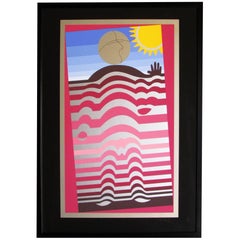
1980s Op Art Abstract Prints
Screen
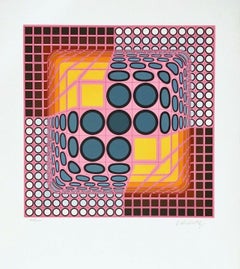
1980s Op Art Abstract Prints
Screen
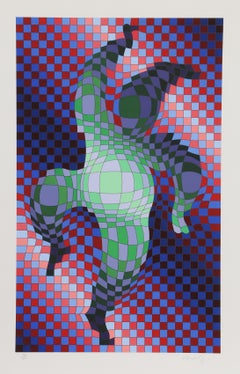
Vintage 1960s European Modern Prints
Paper
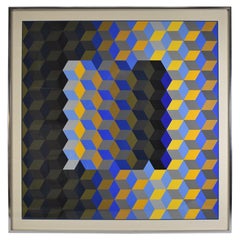
1980s Op Art Abstract Prints
Screen
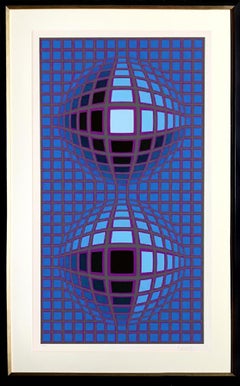
1980s Op Art Abstract Prints
Screen
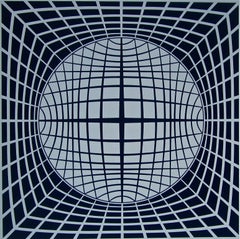
Vintage 1960s French Post-Modern Prints
Paper
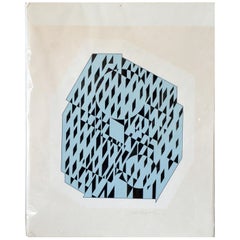
Vintage 1970s French Modern Prints
Silk, Wood
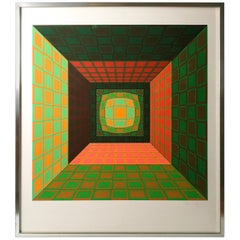
Mid-20th Century Op Art Abstract Prints
Screen
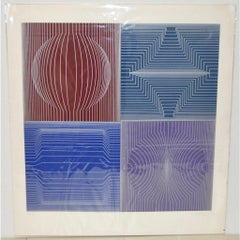
Vintage 1970s Hungarian Mid-Century Modern Prints
Paper
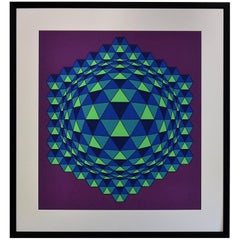

1960s Abstract Geometric Abstract Prints
Paper

1970s Op Art Abstract Prints
Screen

1970s Op Art Abstract Prints
Screen
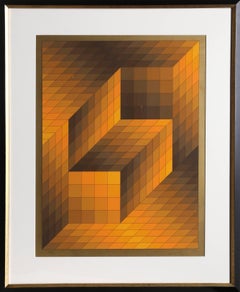
Vintage 1960s French Mid-Century Modern Contemporary Art
Paper
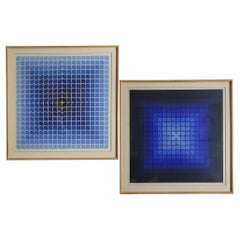
1980s Op Art Abstract Prints
Screen
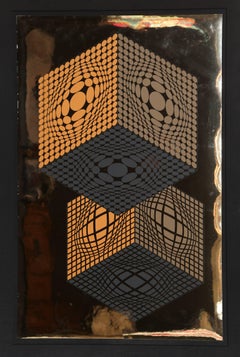
1970s Op Art Abstract Prints
Screen
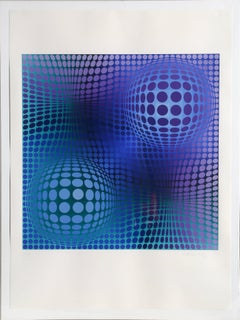
1970s Abstract Geometric Abstract Prints
Screen
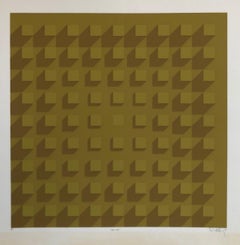
1970s Abstract Geometric Abstract Prints
Screen
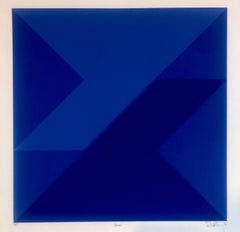
1970s Abstract Geometric Abstract Prints
Screen
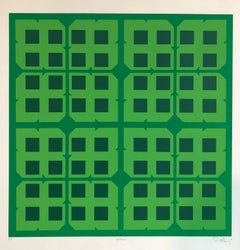
1970s Abstract Geometric Abstract Prints
Screen
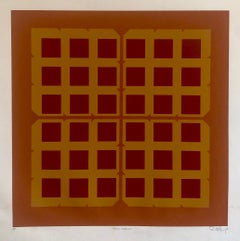
1970s Abstract Geometric Abstract Prints
Screen
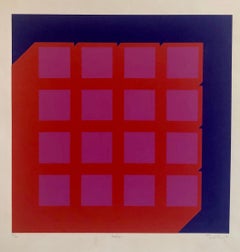
1970s Abstract Prints
Silver Gelatin
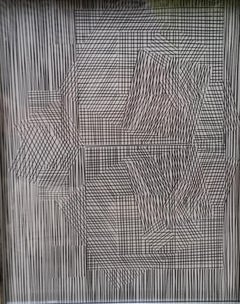
1970s Abstract Prints
Silver Gelatin
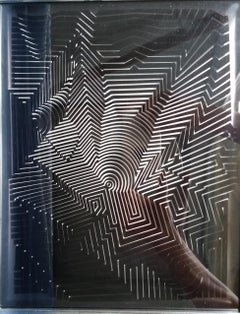
1960s Op Art Abstract Prints
Color
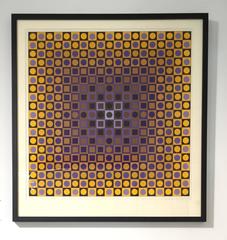
1980s Op Art Abstract Prints
Screen
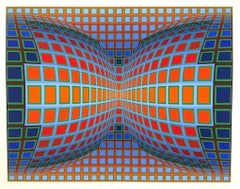
Vintage 1970s French Prints
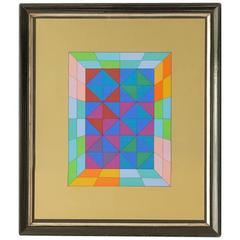
20th Century Prints
Metal
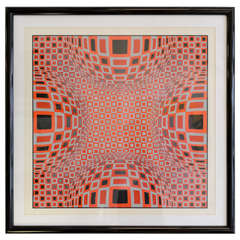
Vintage 1950s French Mid-Century Modern Prints
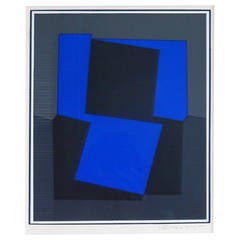
Vintage 1980s French Modern Prints
Plexiglass
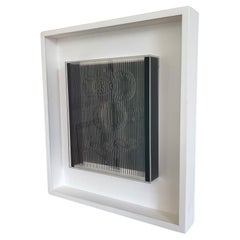
Vintage 1980s French Modern Prints
Paper
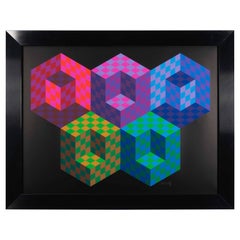
Late 20th Century Op Art Abstract Prints
Screen
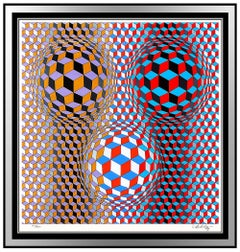
Late 20th Century Pop Art Abstract Prints
Screen

Vintage 1960s German Modern Prints
Paper
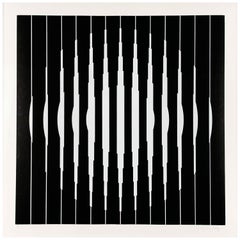
Vintage 1960s American Paintings

1960s Op Art Abstract Prints
Silk, Paper, Screen

20th Century Op Art More Prints
Screen
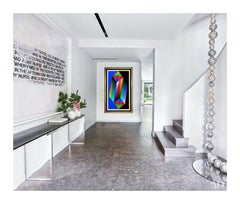
1970s Abstract Geometric Abstract Prints
Screen
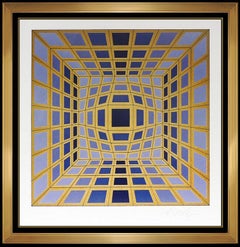
- 1
Vasarely Silkscreen For Sale on 1stDibs
How Much is a Vasarely Silkscreen?
Victor Vasarely for sale on 1stDibs
Widely considered the grandfather of Op art, the French-Hungarian painter Victor Vasarely (1906–97) created eye-popping geometric abstractions that play with the viewer’s perception of depth, perspective and motion. A classic example is the 1937 Zebra, which consists of undulating black and white stripes that suggest the form of the titular animal through optical trickery. The work is often credited as the earliest Op art painting.
Such illusions were more than pleasing tricks for Vasarely, who insisted that “pure form and pure color can signify the world.” He wanted to “democratize” art by producing works in large editions at reasonable prices that were understandable across national and cultural boundaries. In the 1960s, he developed an alphabet plastique, or fine art alphabet, consisting of elementary visual building blocks that could be used in endless combinations to create original compositions. By employing this universal visual vocabulary and stripping away topical references, he sought to create what he called a “Planetary Folklore.”
Embodying Vasarely’s singular belief that art should serve a social function, accessible to all, these innovations may perhaps be his greatest contribution to 20th-century art.
Find a collection of Victor Vasarely prints, paintings, sculptures and other art on 1stDibs.