Vintage Armani Sweater
1990s Italian Vintage Armani Sweater
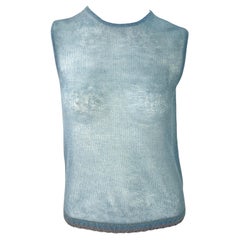
1980s Italian Vintage Armani Sweater
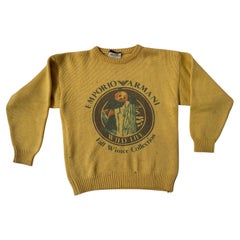

1980s Italian Vintage Armani Sweater
Recent Sales
20th Century American Vintage Armani Sweater
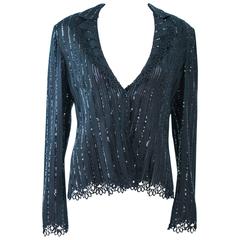
Late 20th Century Vintage Armani Sweater

Late 20th Century Italian Vintage Armani Sweater
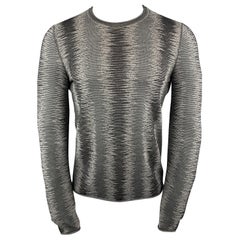
Late 20th Century Vintage Armani Sweater
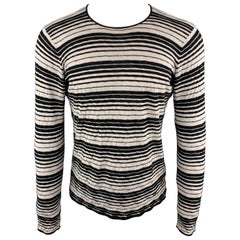
1990s Italian Vintage Armani Sweater
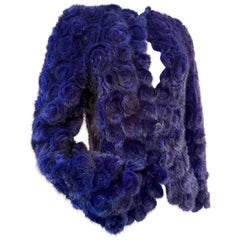
1990s Italian Vintage Armani Sweater
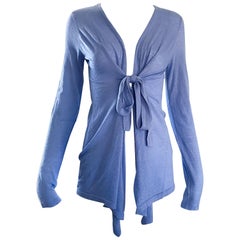
1990s Italian Vintage Armani Sweater
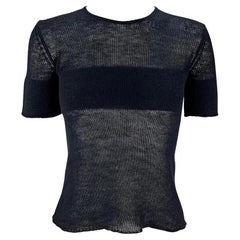
1980s Vintage Armani Sweater
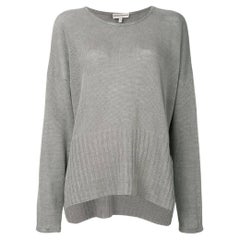
1980s Vintage Armani Sweater
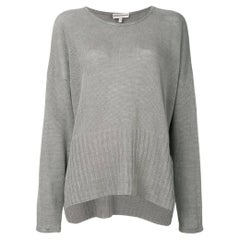
1990s Italian Vintage Armani Sweater
People Also Browsed
Early 2000s French Vintage Armani Sweater
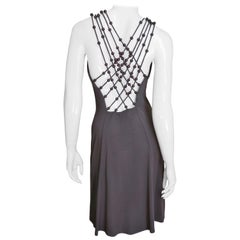
1990s Italian Vintage Armani Sweater
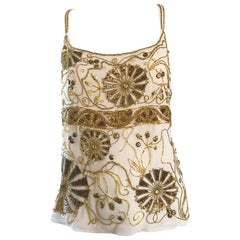
21st Century and Contemporary Vintage Armani Sweater
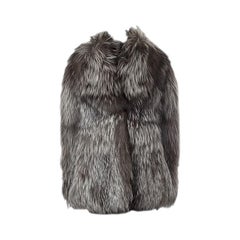
1990s French Vintage Armani Sweater

Early 2000s Italian Vintage Armani Sweater
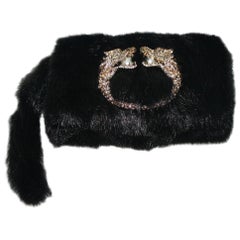
Late 20th Century American Vintage Armani Sweater
1990s British Vintage Armani Sweater
Early 2000s Italian Vintage Armani Sweater
Early 2000s Italian Vintage Armani Sweater
1990s Hong Kong Vintage Armani Sweater

1990s Italian Vintage Armani Sweater
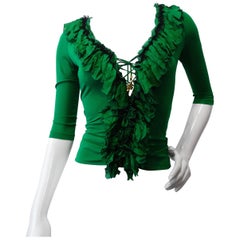
Early 2000s French Vintage Armani Sweater
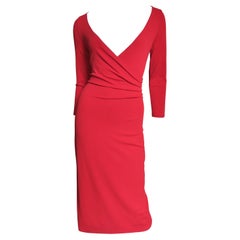
2010s Italian Vintage Armani Sweater
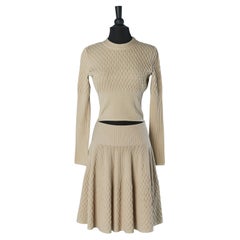
1980s Italian Vintage Armani Sweater
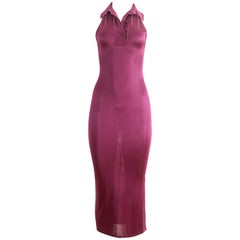
1990s Italian Vintage Armani Sweater
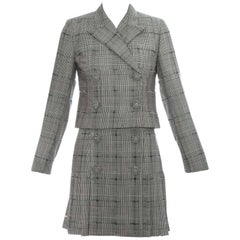
1980s French Vintage Armani Sweater
Giorgio Armani for sale on 1stDibs
Fashion may be a fluid industry that evolves with the times, but few designers were gutsy enough to break with the norms and endeavor to revolutionize it the way Piacenza, Italy, native Giorgio Armani did.
When he established his brand with his personal and professional partner, architect Sergio Galeotti, in 1975, Armani created jackets, evening dresses and other clothing that sharply departed from the form-fitting designs that his competitors were producing. Working with a subdued color palette and light fabrics, Armani instead pioneered power dressing. By the early 1980s, the designer was lauded for his sleek but relaxed-fit shirts in washed greens and beige tones for men and elegant, broad-shouldered suits for career-minded women. His collections were intended to fit naturally but confer a sense of confidence on the wearer, and the designs were just as luxurious as the garments that were gliding down Milanese catwalks at the time.
Armani, a shipping manager’s son, spent his childhood wanting to become a doctor, and he even studied medicine briefly at the University of Milan before dropping out and joining the army. In the late 1950s, he was hired as a window dresser at the Milan department store La Rinascente before moving into the role of menswear buyer. When he realized that his calling was in fashion design, not buying, he left La Rinascente to train at Nino Cerruti’s atelier and eventually began to take on what became a wealth of freelance design work.
At Galeotti’s urging, Armani opened his own design office in 1973, and two years later, he established his eponymous label of ready-to-wear for both men and women that challenged fashion’s traditional silhouettes and the conventions of tailoring.
“I was the first to soften the image of men and harden the image of women,” Armani has said of his early years. The designer dressed men in soft textures such as silk and linen that were traditionally relegated to feminine garments and designed power suits for women — an audacious and undeniably androgynous take on high fashion that was well received by critics. He won the Neiman Marcus Fashion Award in 1979 and launched a diffusion line called Armani Collezioni that year. While his collections for men and women gained legions of admirers in Europe, it wasn’t until the premiere of the film American Gigolo — featuring heartthrob Richard Gere exclusively outfitted in a crisp, sleek and sexy Armani wardrobe — that the brand took off in the United States.
Until his passing in 2025, Armani was still designing ready-to-wear collections, and the luxury house had also expanded over the years into home decor, hospitality and more. In February 2020, at the onset of the Covid-19 crisis, Armani was the first fashion house to close its runway shows to the public in order to limit exposure. In early 2022, the brand was among the first to cancel men’s and haute couture shows scheduled in January.
Find vintage Giorgio Armani clothing on 1stDibs.
Finding the Right Sweaters for You
The vintage sweaters in your dresser may have humble origins, but they can’t be beaten for year-round fashion.
In the 15th century, sweaters originated as jersey tunics and other knitted shirts designed to keep sailors and fishermen warm. Later, during the 1880s in America, these knitted or crocheted vests or pullovers — in Britain, “jumpers” — were thought to substantially help athletes shed pounds as needed. Sweaters were an ideal garment for sports and outdoor events in the late 19th century. The knit fabric permitted movement but the material also protected against the cold. It wasn’t until the 1920s, however, that sweaters were introduced to the world of high fashion, thanks to pioneering designers such as Elsa Schiaparelli, Coco Chanel and Jeanne Lanvin.
A versatile garment, sweaters go well with most looks — from a casual gathering over drinks with friends to complementing a professional ensemble for the office to a night out at the theater. Simply pair a timeless cardigan with slacks or a skirt and your nicest dress shoes for any occasion, in any season, to tie an outfit together.
Once they were considered en vogue, sweaters were no longer strictly made with natural fibers like wool. Over time, fashion designers introduced the use of softer, synthetic materials. Today, traditional sweaters, such as those made with merino wool, are just as popular as more modern creations, such as the sweater dress. Similar to sweatshirts, sweaters come in all kinds of materials, from light synthetic blends perfect for spring to heavier fabrics, like cable-knit wool, to stay cozy and warm in winter and embrace the Danish concept of hygge.
A crucial factor that goes into selecting the perfect sweater is the material. High-quality wool, such as merino wool, which is soft and breathable, will feel luxurious and keep you warm on even the chilliest of evenings. Alpaca fleece, the fibers of which are native to Peru, offers the same warmth as wool, but an alpaca sweater is going to feel even softer than a merino wool sweater, similar to cashmere. Who doesn’t want a slouchy, oversize sweater made of a mix of mohair, nylon and wool on those subzero East Coast nights?
It’s important to note that wool can be a finicky material, easy to stain or distort and stretch. Synthetic materials are not only lightweight, but a nylon or polyester sweater will also be easier to wash and care for. If you opt for wool, take care of your sweater — fabric shavers, fabric combs and the local dry cleaner are your friends.
Sweaters come in various styles like V-neck, turtleneck and crewneck, which is the most popular style. For those extra cold days, a turtleneck offers added warmth without sacrificing style. Those looking for a casual touch that still emphasizes elegance can opt for a long tunic or scoop-neck pullover.
Maybe Versace or Gucci sweaters catch your eye, or ’90s fashion is your thing and a color-blocked sweater dress or John Galliano cardigan of the era is already a closet staple for you. Perhaps you’d rather opt for a 1970s long-sleeve knit top from Yves Saint Laurent. Either way, you’ll find exactly the black, beige or red vintage sweater you’re looking for in men, women or unisex styles today on 1stDibs.
- 1stDibs ExpertMarch 22, 2022Yes, Giorgio Armani is a luxury brand. In fashion, brands that sell finely crafted clothing and accessories at aspirational price points fall under the category of luxury. Giorgio Armani fits this definition. On 1stDibs, find a variety of Giorgio Armani apparel.
- What does Giorgio Armani design?1 Answer1stDibs ExpertMarch 22, 2022Giorgio Armani designs luxury apparel and accessories. The company is well known for their suits, jackets and accessories for men and women. In addition, the brand offers streetwear through Armani Exchange and fashions for young adults through Emporio Armani. Shop a collection of Giorgio Armani on 1stDibs.