Vintage Drug Posters
1960s American Vintage Drug Posters
Paper
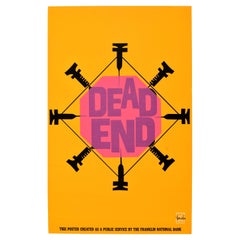

1980s Street Art Vintage Drug Posters
Lithograph, Offset
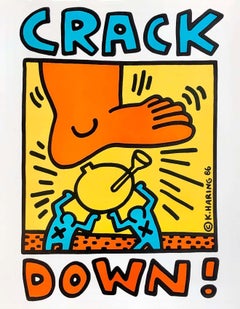
Recent Sales
1970s Performance Vintage Drug Posters
Lithograph
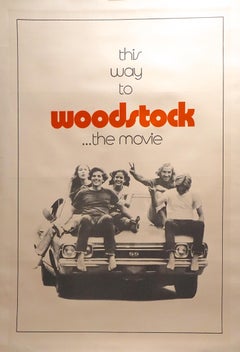
1960s Performance Vintage Drug Posters
Lithograph
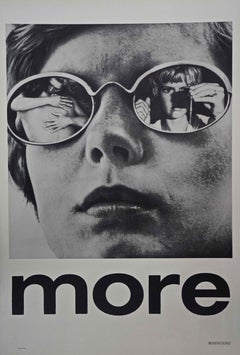
1960s Vintage Drug Posters
Paper
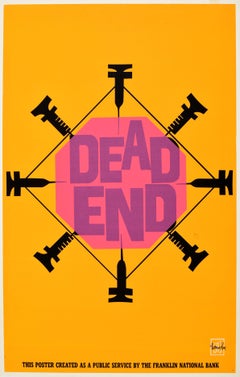
1990s French Vintage Drug Posters
Paper
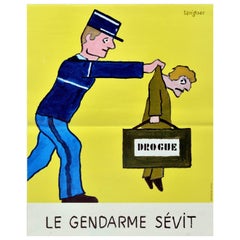
1970s American Vintage Drug Posters
Lithograph, Paper
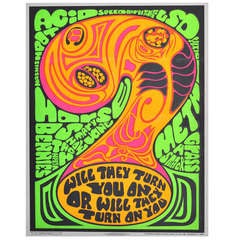
1980s Pop Art Vintage Drug Posters
Offset
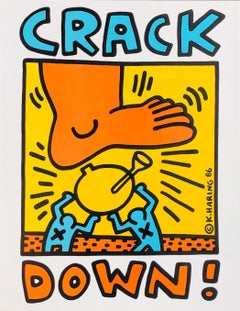
1960s British Post-Modern Vintage Drug Posters
Paper
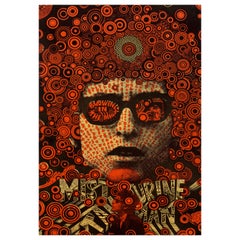
1950s British Folk Art Vintage Drug Posters
Paper
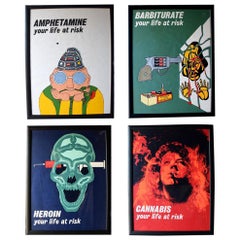
1980s Pop Art Vintage Drug Posters
Offset
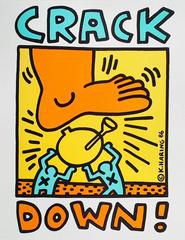
1980s Pop Art Vintage Drug Posters
Offset
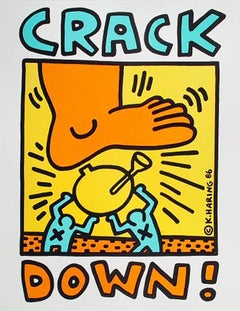
1980s Pop Art Vintage Drug Posters
Offset
1980s Pop Art Vintage Drug Posters
Offset
1980s Pop Art Vintage Drug Posters
Offset
1980s Pop Art Vintage Drug Posters
Offset
1980s Pop Art Vintage Drug Posters
Offset
1980s Pop Art Vintage Drug Posters
Offset
1980s Pop Art Vintage Drug Posters
Offset
1980s Pop Art Vintage Drug Posters
Offset
1980s Pop Art Vintage Drug Posters
Offset
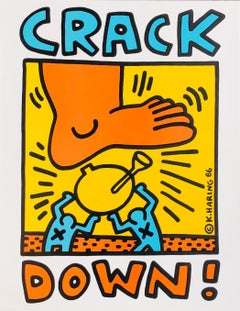
1980s Pop Art Vintage Drug Posters
Offset
1980s Pop Art Vintage Drug Posters
Offset
1980s Pop Art Vintage Drug Posters
Offset
1980s Pop Art Vintage Drug Posters
Lithograph, Offset
1980s Pop Art Vintage Drug Posters
Offset
1980s Pop Art Vintage Drug Posters
Lithograph, Offset
1980s Pop Art Vintage Drug Posters
Offset
1980s Street Art Vintage Drug Posters
Lithograph, Offset
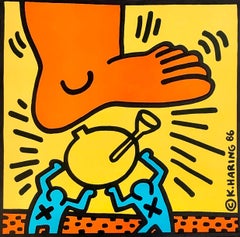
1980s Pop Art Vintage Drug Posters
Lithograph, Offset
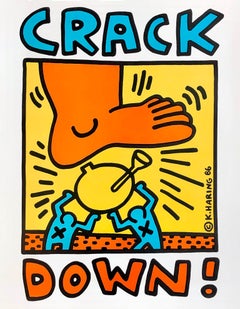
1980s Pop Art Vintage Drug Posters
Offset
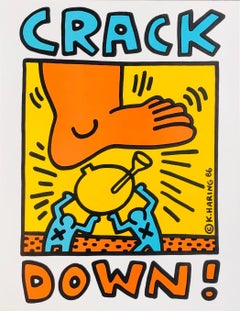
1980s Pop Art Vintage Drug Posters
Lithograph, Offset
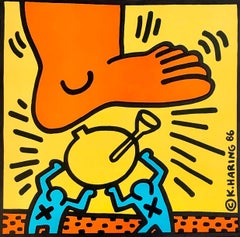
1980s Street Art Vintage Drug Posters
Offset, Lithograph
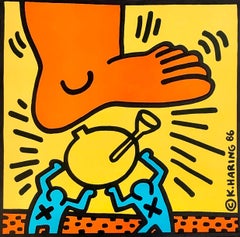
1980s Pop Art Vintage Drug Posters
Offset
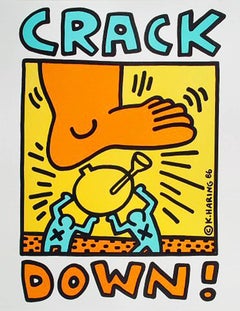
1980s Pop Art Vintage Drug Posters
Offset
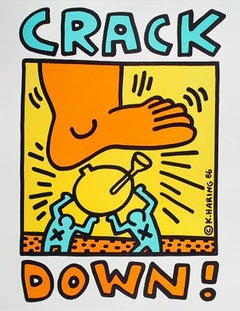
1980s Pop Art Vintage Drug Posters
Offset
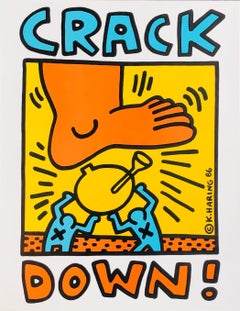
1980s Pop Art Vintage Drug Posters
Offset
1980s Pop Art Vintage Drug Posters
Offset
1980s Pop Art Vintage Drug Posters
Offset
1980s Pop Art Vintage Drug Posters
Offset
1980s Pop Art Vintage Drug Posters
Offset
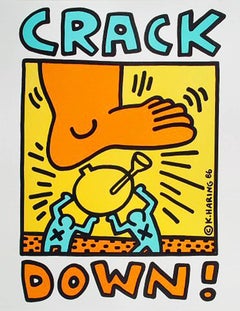
1980s Pop Art Vintage Drug Posters
Lithograph, Offset
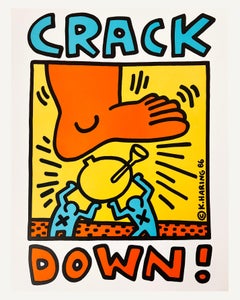
1980s Contemporary Vintage Drug Posters
Lithograph, Offset
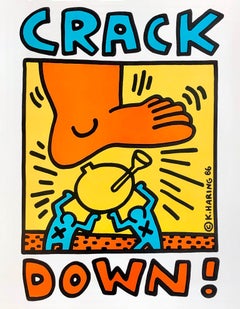
1980s Street Art Vintage Drug Posters
Lithograph, Offset
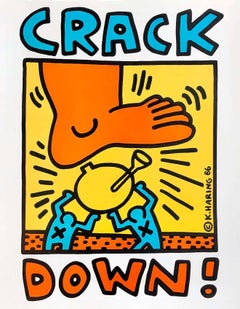
1980s Street Art Vintage Drug Posters
Lithograph, Offset
1990s Vintage Drug Posters
Paper
People Also Browsed
2010s Swedish Vintage Drug Posters
Shell

21st Century and Contemporary Portuguese Modern Vintage Drug Posters
Velvet

1970s American Vintage Drug Posters
Steel
21st Century and Contemporary Asian Rustic Vintage Drug Posters
Wood

1980s German Vintage Drug Posters
Paper
21st Century and Contemporary Italian Mid-Century Modern Vintage Drug Posters
Oak, Walnut

Late 19th Century Japanese Meiji Vintage Drug Posters
Silk
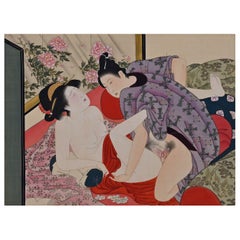
1950s Italian Art Deco Vintage Drug Posters
Paper
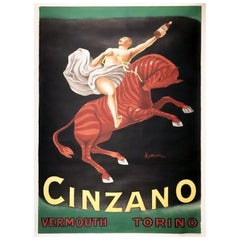
2010s American Modern Vintage Drug Posters
Fiberglass
20th Century French Vintage Drug Posters
Shell, Wood
1950s Italian Mid-Century Modern Vintage Drug Posters
Marble, Metal, Brass
1960s Vintage Drug Posters
Paper
1980s American Vintage Drug Posters
Paper
1850s French Grand Tour Vintage Drug Posters
Bronze

1920s French Art Deco Vintage Drug Posters
Glass, Art Glass, Blown Glass

Late 20th Century American Post-Modern Vintage Drug Posters
Leather

Vintage Drug Posters For Sale on 1stDibs
How Much are Vintage Drug Posters?
Keith Haring for sale on 1stDibs
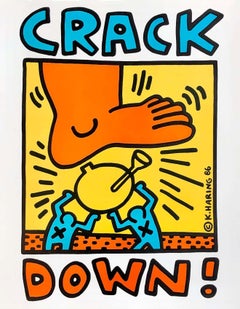
Keith Haring began experimenting with his bold, graphic lines and cartoon-inspired figures on the walls of New York City subway stations in the early 1980s. He called them his “laboratory,” places to develop a radical new aesthetic based on an ideology of creating truly democratic public art.
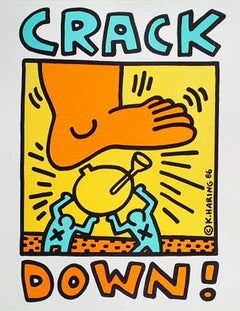
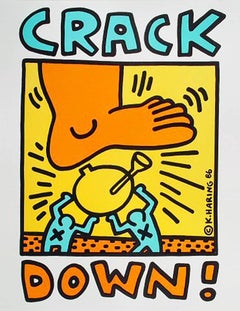
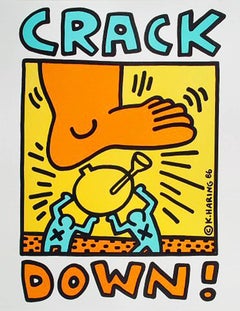
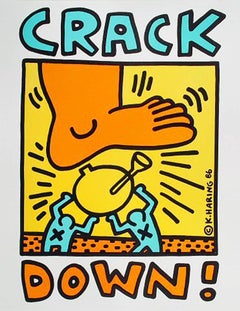
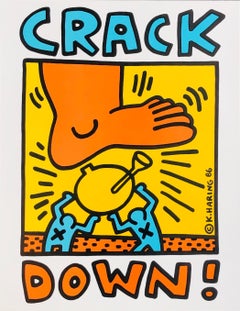
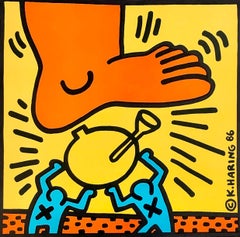
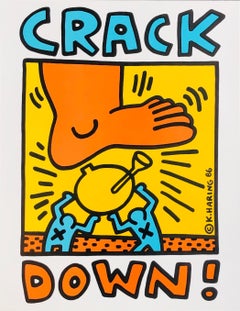
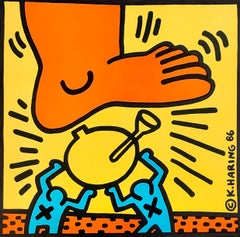
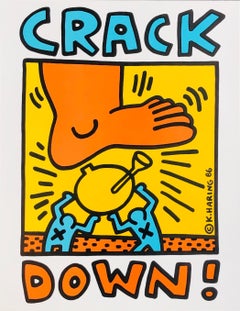
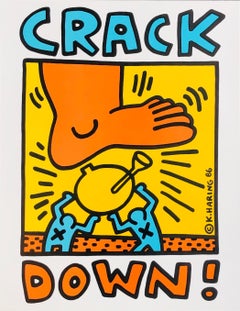
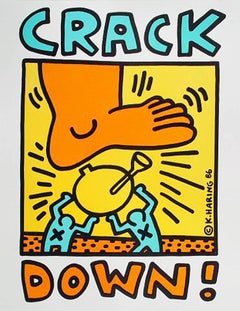
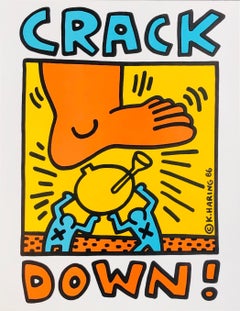
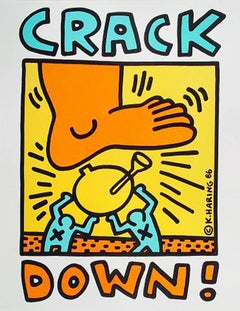
Haring’s paintings, prints and murals address the universal themes of death, love and sex, as well as contemporary issues he experienced personally, like the crack-cocaine and AIDS epidemics. They derive much of their impact from the powerful contrast between these serious subjects and the joyful, vibrant pictographic language he uses to express them, full of dancing figures, babies, barking dogs, hearts and rhythmic lines, as well as references to pop culture.
To make his art even more accessible, in 1986, Haring opened the Pop Shop in Soho. In a foreshadowing of today’s intermingling of art and fashion, the shop sold merchandise and novelty items featuring imagery by Haring and contemporaries like Kenny Scharf and Jean-Michel Basquiat. While his works sometimes included text, for the most part, he chose to communicate through drawing.
“Drawing is still basically the same as it has been since prehistoric times,” Haring once declared. “It lives through magic.”
Find Keith Haring art on 1stDibs today.
Finding the Right Prints-works-on-paper for You
Decorating with fine art prints — whether they’re figurative prints, abstract prints or another variety — has always been a practical way of bringing a space to life as well as bringing works by an artist you love into your home.
Pursued in the 1960s and ’70s, largely by Pop artists drawn to its associations with mass production, advertising, packaging and seriality, as well as those challenging the primacy of the Abstract Expressionist brushstroke, printmaking was embraced in the 1980s by painters and conceptual artists ranging from David Salle and Elizabeth Murray to Adrian Piper and Sherrie Levine.
Printmaking is the transfer of an image from one surface to another. An artist takes a material like stone, metal, wood or wax, carves, incises, draws or otherwise marks it with an image, inks or paints it and then transfers the image to a piece of paper or other material.
Fine art prints are frequently confused with their more commercial counterparts. After all, our closest connection to the printed image is through mass-produced newspapers, magazines and books, and many people don’t realize that even though prints are editions, they start with an original image created by an artist with the intent of reproducing it in a small batch. Fine art prints are created in strictly limited editions — 20 or 30 or maybe 50 — and are always based on an image created specifically to be made into an edition.
Many people think of revered Dutch artist Rembrandt as a painter but may not know that he was a printmaker as well. His prints have been preserved in time along with the work of other celebrated printmakers such as Pablo Picasso, Salvador Dalí and Andy Warhol. These fine art prints are still highly sought after by collectors.
“It’s another tool in the artist’s toolbox, just like painting or sculpture or anything else that an artist uses in the service of mark making or expressing him- or herself,” says International Fine Print Dealers Association (IFPDA) vice president Betsy Senior, of New York’s Betsy Senior Fine Art, Inc.
Because artist’s editions tend to be more affordable and available than his or her unique works, they’re more accessible and can be a great opportunity to bring a variety of colors, textures and shapes into a space.
For tight corners, select small fine art prints as opposed to the oversized bold piece you’ll hang as a focal point in the dining area. But be careful not to choose something that is too big for your space. And feel free to lean into it if need be — not every work needs picture-hanging hooks. Leaning a larger fine art print against the wall behind a bookcase can add a stylish installation-type dynamic to your living room. (Read more about how to arrange wall art here.)
Find fine art prints for sale on 1stDibs today.
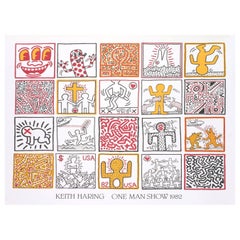
- 1stDibs ExpertMarch 22, 2022Keith Haring became famous largely through people viewing the street art he created in subway stations and other locations in New York City. Throughout the 1980s, he was commissioned to produce art in dozens of cities all over the world and showed his works in solo and group exhibitions. A 1982 show at the Tony Shafrazi Gallery in Soho, New York City, earned rave reviews and greatly contributed to his fame. You'll find a selection of Keith Haring art on 1stDibs.
- What was Keith Haring known for?1 Answer1stDibs ExpertAugust 8, 2024Keith Haring was known for his work as an artist. He began experimenting with his bold, graphic lines and cartoon-inspired figures on the walls of New York City subway stations in the early 1980s. He called these underground places his “laboratory” to develop a radical new aesthetic based on the ideology of creating truly democratic public art. Haring used paintings, prints and murals to address the universal themes of death, love and sex, as well as contemporary issues he experienced personally, like the crack-cocaine and AIDS epidemics. These works derive much of their impact from the powerful contrast between these serious subjects and the joyful, vibrant pictographic language he used to express them, full of dancing figures, babies, barking dogs, hearts and rhythmic lines, as well as references to pop culture. To make his art even more accessible, in 1986, Haring opened the Pop Shop in Soho. In a foreshadowing of today’s intermingling of art and fashion, the shop sold merchandise and novelty items featuring his imagery. Find a collection of Keith Haring art on 1stDibs.