Vintage Ferragamo Earrings
1980s Italian Vintage Ferragamo Earrings
Gilt Metal
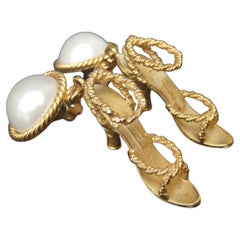
Late 20th Century Japanese Vintage Ferragamo Earrings
Recent Sales
1990s Italian Vintage Ferragamo Earrings
Gold Plate
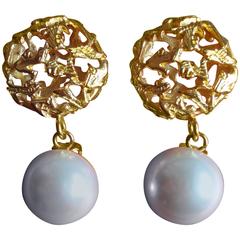
1980s Italian Vintage Ferragamo Earrings
Gold Plate
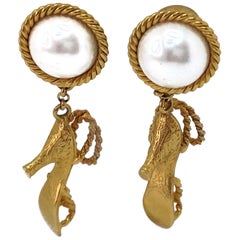
1990s Vintage Ferragamo Earrings
Base Metal
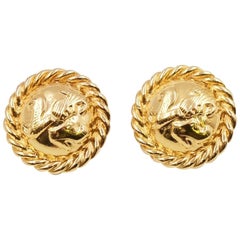
1990s Italian Vintage Ferragamo Earrings
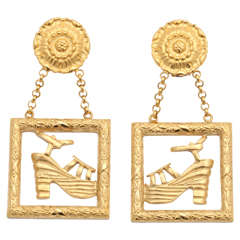
People Also Browsed
1990s Italian Vintage Ferragamo Earrings

1990s French Art Deco Vintage Ferragamo Earrings
Yellow Gold
20th Century Vintage Ferragamo Earrings
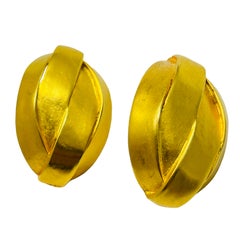
2010s Turkish Art Deco Vintage Ferragamo Earrings
Diamond, Emerald, 14k Gold
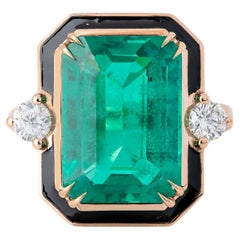
20th Century Vintage Ferragamo Earrings
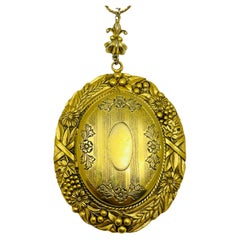
20th Century Vintage Ferragamo Earrings
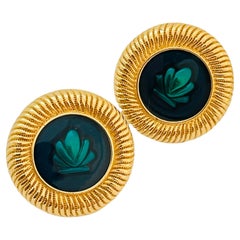
1980s Vintage Ferragamo Earrings
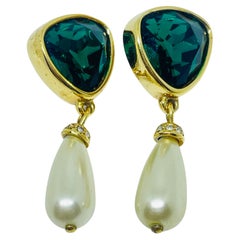
1980s French Byzantine Vintage Ferragamo Earrings
Gilt Metal
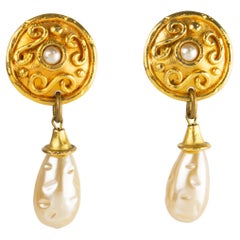
Mid-20th Century European Vintage Ferragamo Earrings
Diamond

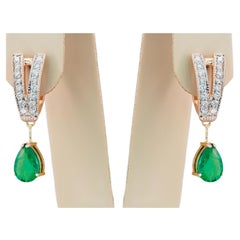
2010s Turkish Modern Vintage Ferragamo Earrings
Diamond, Emerald, 14k Gold
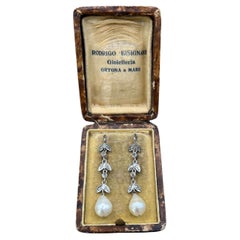
Early 20th Century European Vintage Ferragamo Earrings
Diamond, Pearl, 18k Gold, White Gold
Early 2000s Swiss Contemporary Vintage Ferragamo Earrings
Diamond, Sapphire, 18k Gold, Rose Gold
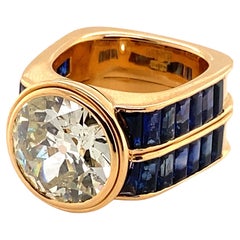
1910s Georgian Art Nouveau Vintage Ferragamo Earrings
Diamond, 14k Gold, Silver
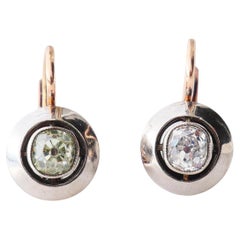
1960s French Art Deco Vintage Ferragamo Earrings
Diamond, Emerald, Platinum
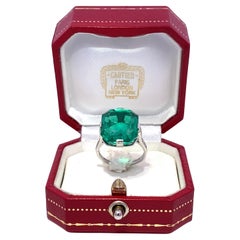
Mid-20th Century European Vintage Ferragamo Earrings
Diamond, Emerald, 18k Gold, White Gold
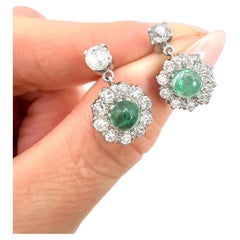
1980s American Contemporary Vintage Ferragamo Earrings
Diamond, Ruby, Platinum
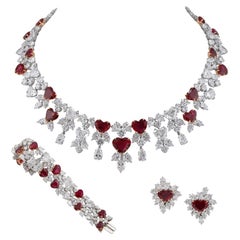
Vintage Ferragamo Earrings For Sale on 1stDibs
How Much are Vintage Ferragamo Earrings?
Salvatore Ferragamo for sale on 1stDibs
A perfectionist who as a child crafted a pair of white shoes for his sister’s first holy communion because his parents couldn’t afford new footwear, Salvatore Ferragamo was ambitious from his earliest days. The young Italian shoemaker established in the years that followed what would one day become a fashion empire — the highly profitable multinational family-owned and -operated luxury brand today counts more than 600 stores in 96 countries around the world, and vintage Salvatore Ferragamo shoes, belts, handbags and other clothing and accessories are objects of desire for fashion lovers everywhere.
Salvatore Ferragamo sought an education in the art of shoemaking when he was eleven — he apprenticed with a local shoemaker and spent a short time in nearby Naples learning what he could at a shoe factory. He opened his first shop with a handful of workers the following year, and in 1914 — when he was still a teenager — Ferragamo emigrated to America, just as his siblings had before him, seeking new opportunities for work and to learn in the footwear trade.
After securing a job at the Plant Shoe Factory in Boston, Massachusetts, Ferragamo was uninspired by machine-made footwear. He moved across the country to Santa Barbara, California. Owing to a connection he made with a then-actor cousin, Ferragamo found work with the American Film Manufacturing Company. He made women’s shoes and provided durable cowboy boots for a film crew’s costuming department. Ferragamo’s reputation in the world of Hollywood cinema soon broadened, and he established a storefront in Mission Canyon where he made shoes by hand for the likes of actresses Gloria Swanson, Greta Garbo and Dolores del Río.
By the 1920s, film directors commissioned Ferragamo to produce shoes for a range of movies — the list of films eventually included The Ten Commandments, The Covered Wagon and The Thief of Baghdad. When he felt comfortable enough with the English language, Ferragamo also enrolled in anatomy courses at the University of Southern California in Los Angeles in order to better understand motion and the demands that we place on our footwear.
By the late 1920s, Ferragamo sought to expand production of his shoes and returned to Italy. He hired scores of apprentices to work in a factory in Florence, where Ferragamo carefully melded the principles of handcraftsmanship with all that he learned about America’s shoe factories. He filed patents — hundreds over the years — on the steel shank arch and many other unique aspects of his shoe design, and when economic and political influences during the 1930s forced Ferragamo to substitute pressed cork for steel to support the arch, the wedge heel was born. Other creative materials he integrated into his forward-looking creations were hemp, felt, nylon fishing line, fish skin and cellophane twisted with silk.
In the late 1940s, the brand’s first storefront opened in Manhattan, and today Salvatore Ferragamo is known worldwide and is synonymous with a wealth of iconic footwear such as Viva ballet flats, Vara Bow pumps, Gancini loafers and lots more. Ferragamo’s son, Ferruccio, was appointed CEO in 1984. Under his leadership, Ferruccio diversified and expanded the fashion business further, getting into sunglasses, fragrance, watches and made-to-measure men’s shoes. Ferruccio was succeeded by his brother, Leonardo Ferragamo, and British designer Maximilian Davis is now creative director of the brand.
Find vintage Salvatore Ferragamo shoes, clothing and accessories on 1stDibs.
Finding the Right Earrings for You
In the United States, ear piercing didn’t really become popular until the 1950s and ‘60s, but our desire for a dazzling pair of vintage earrings has deeper roots than that. In fact, wearing earrings actually goes back thousands of years, and you can find many tangible connections between now and then in how we continue to talk about these treasured accessories.
Women wore ornamental earrings — studs and hoops at the very least — in Ancient Egypt, which is home to mines that are among the earliest sources of emeralds in the world. Emerald earrings are highly prized today, and their quality lies in their rich, saturated color. The highest-quality emeralds are green or bluish-green. Earrings worn by the affluent in early Roman civilizations were set with precious stones such as diamonds and pearls, and a clean-looking pop of pearl on the front of the lobe is as timeless as ever. Hoop earrings are imbued with symbolism and cultural significance for many, and on view in the Metropolitan Museum of Art’s Ancient Near Eastern Art Gallery is a pair of simple gold hoops from Mesopotamia dating to between 2600 and 2500 B.C.
Today, ear piercing is very popular all over the world, and, as a result, it is difficult to overstate how much everyone pines for a good pair of earrings — modernist drop earrings, glamorous Victorian hoops, geometrically complex chandelier earrings, you name it. Sure, jewelry trends and the fashion darlings of social media come and go, but earrings have a staying power that seems impenetrable: The still-strong love affair between British royals and Cartier earrings is more than a century old, glossy 1970s hoops from legacy houses such as Bulgari and Van Cleef Arpels remain the statement makers they’ve always been and although people have been stacking earrings for many moons, the allure of an expertly mismatched stack of charms and studs still feels fresh and new.
While there is no shortage of modern earring designs to choose from, the classics, like coral earrings, Art Deco–style earrings and diamond drop earrings are still heavy hitters. On 1stDibs, find a wide range of antique, new and vintage earrings today.