Vintage Ferragamo Sunglasses
Late 20th Century Italian Vintage Ferragamo Sunglasses


Recent Sales
1990s Italian Vintage Ferragamo Sunglasses
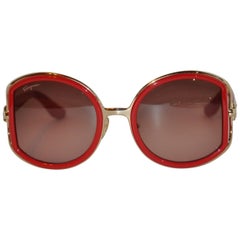
20th Century Vintage Ferragamo Sunglasses
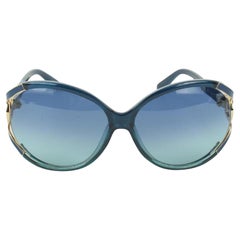
1990s Italian Vintage Ferragamo Sunglasses
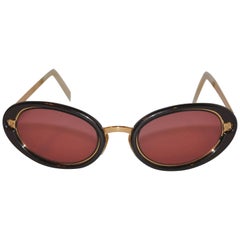
20th Century Italian Vintage Ferragamo Sunglasses
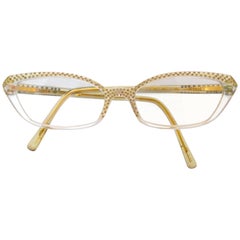
People Also Browsed
Early 2000s Italian Vintage Ferragamo Sunglasses
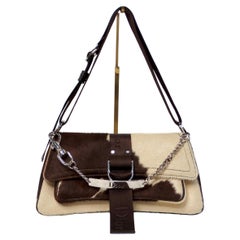
2010s Italian Vintage Ferragamo Sunglasses
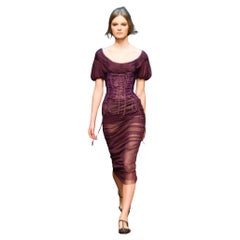
1990s Italian Vintage Ferragamo Sunglasses
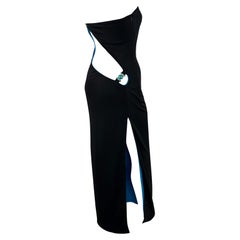
1970s French Vintage Ferragamo Sunglasses
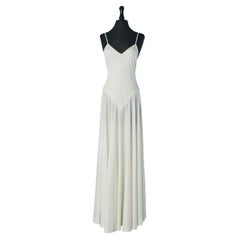
1990s Italian Vintage Ferragamo Sunglasses
Late 20th Century Italian Vintage Ferragamo Sunglasses
1990s Vintage Ferragamo Sunglasses
1990s French Vintage Ferragamo Sunglasses
Early 2000s Italian Vintage Ferragamo Sunglasses
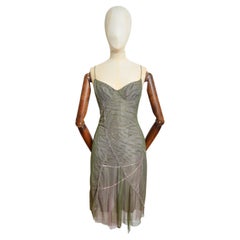
1990s Vintage Ferragamo Sunglasses
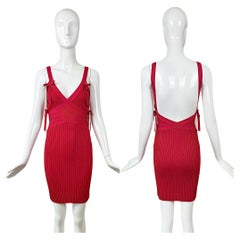
21st Century and Contemporary Italian Vintage Ferragamo Sunglasses
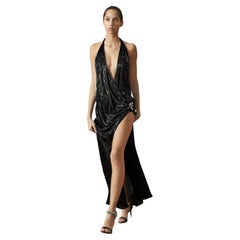
1980s French Vintage Ferragamo Sunglasses
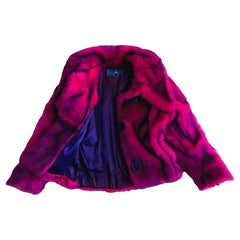
1990s French Vintage Ferragamo Sunglasses
1990s Italian Vintage Ferragamo Sunglasses
Early 2000s Italian Vintage Ferragamo Sunglasses
20th Century French Vintage Ferragamo Sunglasses
Salvatore Ferragamo for sale on 1stDibs
A perfectionist who as a child crafted a pair of white shoes for his sister’s first holy communion because his parents couldn’t afford new footwear, Salvatore Ferragamo was ambitious from his earliest days. The young Italian shoemaker established in the years that followed what would one day become a fashion empire — the highly profitable multinational family-owned and -operated luxury brand today counts more than 600 stores in 96 countries around the world, and vintage Salvatore Ferragamo shoes, belts, handbags and other clothing and accessories are objects of desire for fashion lovers everywhere.
Salvatore Ferragamo sought an education in the art of shoemaking when he was eleven — he apprenticed with a local shoemaker and spent a short time in nearby Naples learning what he could at a shoe factory. He opened his first shop with a handful of workers the following year, and in 1914 — when he was still a teenager — Ferragamo emigrated to America, just as his siblings had before him, seeking new opportunities for work and to learn in the footwear trade.
After securing a job at the Plant Shoe Factory in Boston, Massachusetts, Ferragamo was uninspired by machine-made footwear. He moved across the country to Santa Barbara, California. Owing to a connection he made with a then-actor cousin, Ferragamo found work with the American Film Manufacturing Company. He made women’s shoes and provided durable cowboy boots for a film crew’s costuming department. Ferragamo’s reputation in the world of Hollywood cinema soon broadened, and he established a storefront in Mission Canyon where he made shoes by hand for the likes of actresses Gloria Swanson, Greta Garbo and Dolores del Río.
By the 1920s, film directors commissioned Ferragamo to produce shoes for a range of movies — the list of films eventually included The Ten Commandments, The Covered Wagon and The Thief of Baghdad. When he felt comfortable enough with the English language, Ferragamo also enrolled in anatomy courses at the University of Southern California in Los Angeles in order to better understand motion and the demands that we place on our footwear.
By the late 1920s, Ferragamo sought to expand production of his shoes and returned to Italy. He hired scores of apprentices to work in a factory in Florence, where Ferragamo carefully melded the principles of handcraftsmanship with all that he learned about America’s shoe factories. He filed patents — hundreds over the years — on the steel shank arch and many other unique aspects of his shoe design, and when economic and political influences during the 1930s forced Ferragamo to substitute pressed cork for steel to support the arch, the wedge heel was born. Other creative materials he integrated into his forward-looking creations were hemp, felt, nylon fishing line, fish skin and cellophane twisted with silk.
In the late 1940s, the brand’s first storefront opened in Manhattan, and today Salvatore Ferragamo is known worldwide and is synonymous with a wealth of iconic footwear such as Viva ballet flats, Vara Bow pumps, Gancini loafers and lots more. Ferragamo’s son, Ferruccio, was appointed CEO in 1984. Under his leadership, Ferruccio diversified and expanded the fashion business further, getting into sunglasses, fragrance, watches and made-to-measure men’s shoes. Ferruccio was succeeded by his brother, Leonardo Ferragamo, and British designer Maximilian Davis is now creative director of the brand.
Find vintage Salvatore Ferragamo shoes, clothing and accessories on 1stDibs.
Finding the Right Sunglasses for You
A pair of vintage designer sunglasses can be a game-changing finishing touch to your ensemble.
No matter your age or general fashion sensibility, wearing sunglasses may already be part of your regular outdoor routine owing to their practicality. Most sunglasses protect the eyes from harmful UV (ultraviolet) rays — and not merely on sunny days. Glasses that utilize color-enhancing lenses, which feature specific coatings or filter tints, can limit the amount of light coming through, while polarized lenses substantially reduce glare.
So while their usefulness is well known, let’s face it, a good pair of sunglasses can be stylish too.
People have been making a statement with iconic eyewear for a while — sunglasses garnered popularity with the Hollywood set in the early 1900s, when it wasn’t uncommon for a hip actress to be photographed in a pair of her sharpest shades.
Today, we’re still talking about the sunglasses that Audrey Hepburn — the original trendsetter — donned in the opening scene of 1961’s Breakfast at Tiffany’s. She emerges from the flagship store of the legendary luxury house referenced in the film’s title in a pair of glamorous dark tortoiseshell frames designed by London eyewear firm Oliver Goldsmith Sunglasses. The brand was a keeper for Hepburn — in 1967, she famously wore a pair of Goldsmith’s Yuhu wraparound frames in the poster for Stanley Donen’s film Two for the Road.
Indeed, celebrities have long held sway in the sunglasses realm — perhaps you’ve opted for vintage Ray-Ban sunglasses because you’re enamored with Marilyn Monroe’s celebrated Wayfarers or you’ve taken to classic Aviators because actor Jon Hamm wore them in the nostalgic TV smash hit Mad Men. Good frames are a surefire way to take your style to the next level.
When shopping for the right pair of sunglasses, consider the color and shape of the frames (as well as the shape of your face), how dark or light the lenses are — or tint, if you’re leaning toward a chic gradient lens. Take your time, spring for more than one pair because different moods call for different shades and, while you’re at it, make sure you know how to spot a pair of fake Ray-Ban sunglasses before you make that purchase.
On 1stDibs, our collection of vintage designer sunglasses features classics from Gucci, Cartier, Chanel and other brands as well as a wide range that can be sorted by color — find sleek black sunglasses, brown pairs and a whole lot of other eye-catching options, whether it’s sunny outside or not.