Vintage Italian Plastic
20th Century Italian Post-Modern Vintage Italian Plastic
Iron
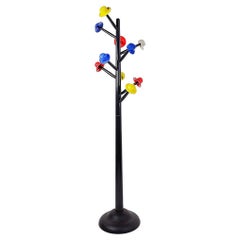
1990s Italian Vintage Italian Plastic
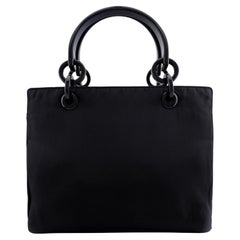
Mid-20th Century Italian Mid-Century Modern Vintage Italian Plastic
Plastic
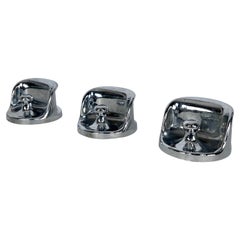
1970s Italian Space Age Vintage Italian Plastic
Steel, Chrome
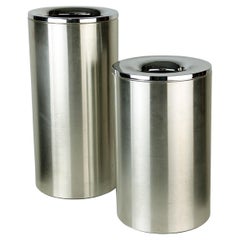
1960s Italian Space Age Vintage Italian Plastic
Aluminum
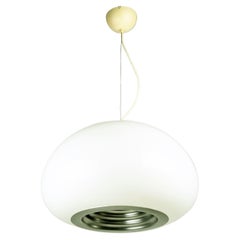
1970s Italian Mid-Century Modern Vintage Italian Plastic
Steel
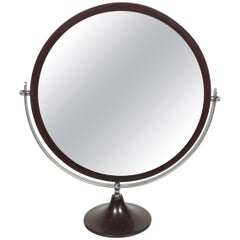
1960s Italian Mid-Century Modern Vintage Italian Plastic
Plastic
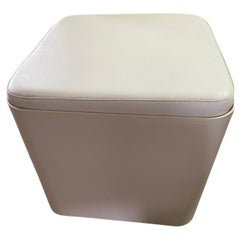
1980s Italian Mid-Century Modern Vintage Italian Plastic
Metal
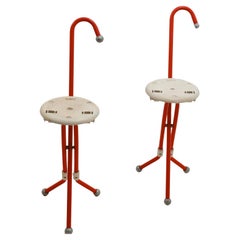
Late 20th Century Italian Space Age Vintage Italian Plastic
Plastic
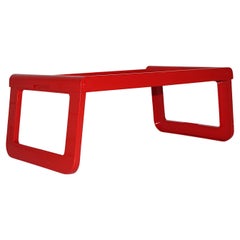
Late 20th Century Italian Space Age Vintage Italian Plastic
Plastic
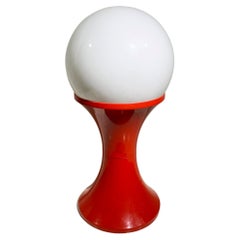
1990s Italian Post-Modern Vintage Italian Plastic
Stainless Steel
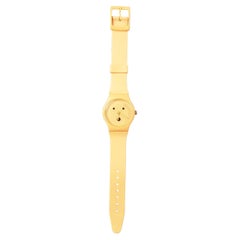
1970s Italian Space Age Vintage Italian Plastic
Aluminum
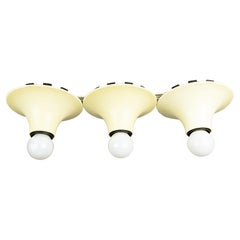
1970s Italian Space Age Vintage Italian Plastic
Metal
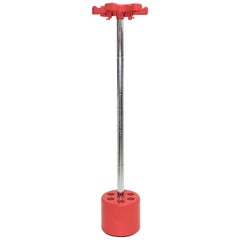
1970s Italian Space Age Vintage Italian Plastic
Metal, Nickel
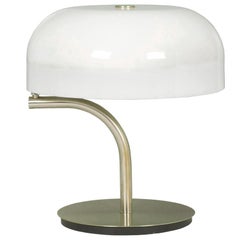
Mid-20th Century Italian Mid-Century Modern Vintage Italian Plastic
Plastic
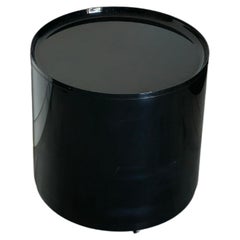
1980s Italian Mid-Century Modern Vintage Italian Plastic
Plastic
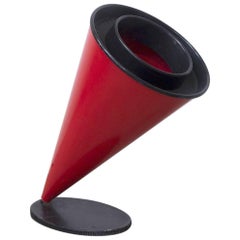

1980s Italian Vintage Italian Plastic

Late 20th Century Italian Space Age Vintage Italian Plastic
Nickel
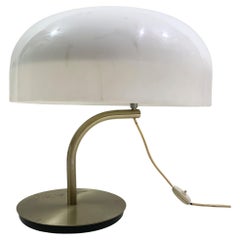
1960s Italian Space Age Vintage Italian Plastic
Plastic
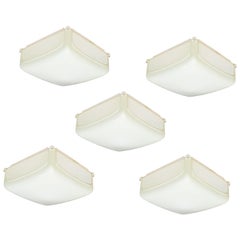
Mid-20th Century Italian Space Age Vintage Italian Plastic
Plastic
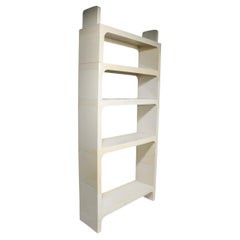
Mid-20th Century Unknown Mid-Century Modern Vintage Italian Plastic
Plastic
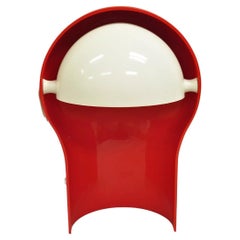
Mid-20th Century Italian Mid-Century Modern Vintage Italian Plastic
Plastic
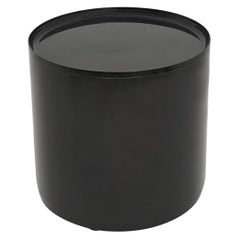
1970s Italian Space Age Vintage Italian Plastic
Aluminum
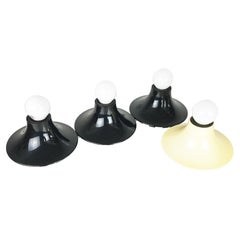
Mid-20th Century Italian Mid-Century Modern Vintage Italian Plastic
Metal, Chrome
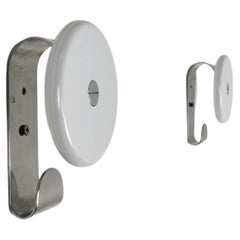
1980s Italian Mid-Century Modern Vintage Italian Plastic
Metal
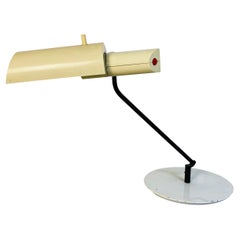
1950s Italian Space Age Vintage Italian Plastic
Brass, Nickel
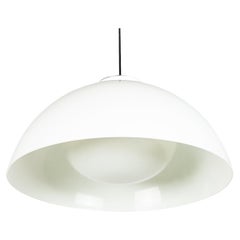
1950s Italian Mid-Century Modern Vintage Italian Plastic
Nickel
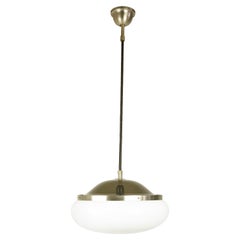
1980s Italian Post-Modern Vintage Italian Plastic
Aluminum, Iron
1950s Italian Mid-Century Modern Vintage Italian Plastic
Nickel
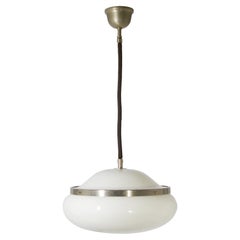
1980s Italian Post-Modern Vintage Italian Plastic
Aluminum, Iron
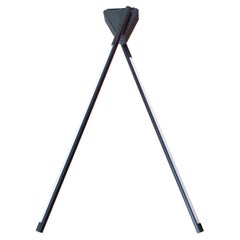
1970s Italian Space Age Vintage Italian Plastic
Glass, Plastic, Rubber
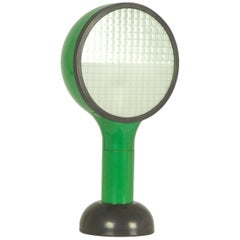
1960s Italian Space Age Vintage Italian Plastic
Metal
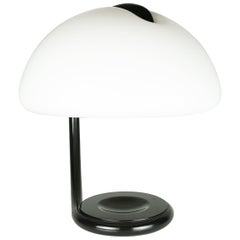
1980s Italian Post-Modern Vintage Italian Plastic
Plastic
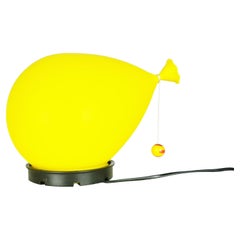
Mid-20th Century Italian Mid-Century Modern Vintage Italian Plastic
Plastic
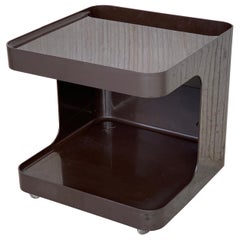
Late 20th Century Italian Vintage Italian Plastic
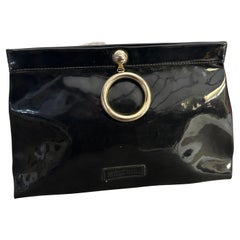
1970s Italian Mid-Century Modern Vintage Italian Plastic
Aluminum
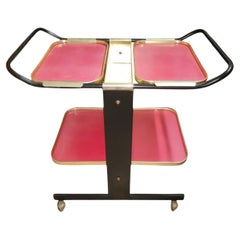
1970s Italian Mid-Century Modern Vintage Italian Plastic
Chrome
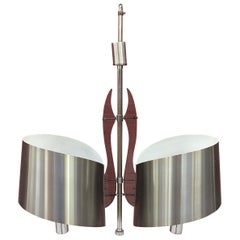
Late 20th Century Italian Vintage Italian Plastic

1960s Italian Space Age Vintage Italian Plastic
Brass, Iron, Nickel
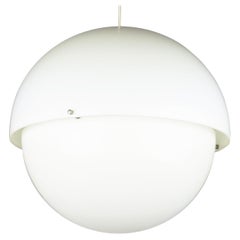
1960s Italian Mid-Century Modern Vintage Italian Plastic
Velvet, Resin
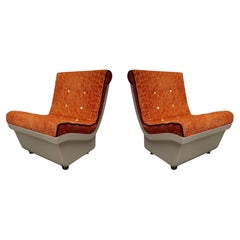
1950s Italian Mid-Century Modern Vintage Italian Plastic
Brass
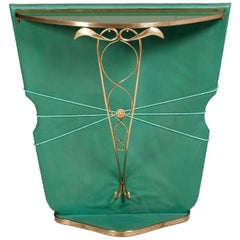
Late 20th Century Italian Vintage Italian Plastic
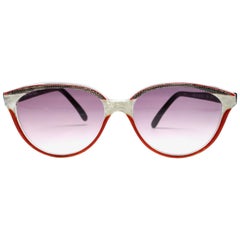
1940s Italian Mid-Century Modern Vintage Italian Plastic
Walnut, Upholstery
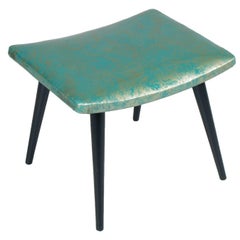
20th Century Italian Mid-Century Modern Vintage Italian Plastic
Iron
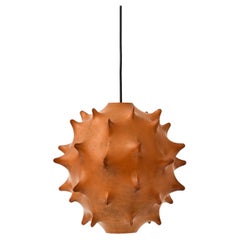
1990s Italian Vintage Italian Plastic

1970s Italian Mid-Century Modern Vintage Italian Plastic
Metal
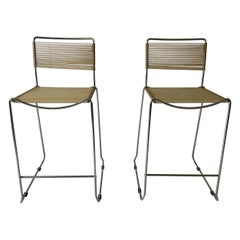
1990s Italian Vintage Italian Plastic

Late 20th Century Italian Vintage Italian Plastic
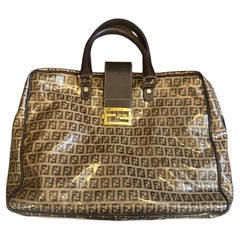
Mid-20th Century Italian Art Deco Vintage Italian Plastic
Walnut, Fabric
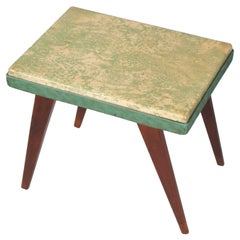
1990s Italian Vintage Italian Plastic
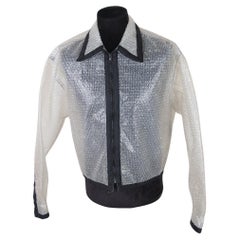
1990s Italian Vintage Italian Plastic
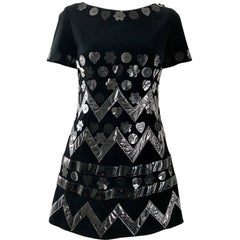
1960s Italian Mid-Century Modern Vintage Italian Plastic
Polyester
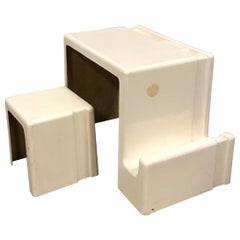
1970s Italian Post-Modern Vintage Italian Plastic
Fabric
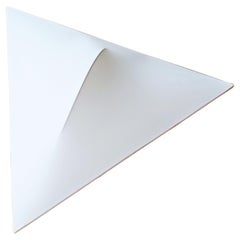
1990s Italian Vintage Italian Plastic
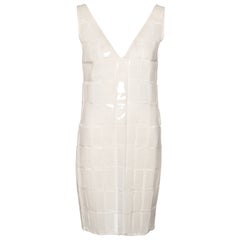
1990s Italian Vintage Italian Plastic
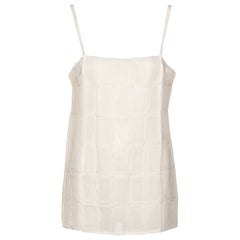
1990s Italian Vintage Italian Plastic

1950s Italian Vintage Italian Plastic
Plastic
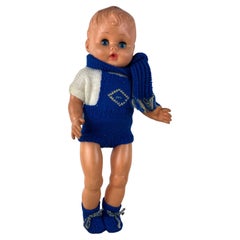
- 1
- ...
Vintage Italian Plastic For Sale on 1stDibs
How Much is a Vintage Italian Plastic?
Materials: Plastic Furniture
Arguably the world’s most ubiquitous man-made material, plastic has impacted nearly every industry. In contemporary spaces, new and vintage plastic furniture is quite popular and its use pairs well with a range of design styles.
From the Italian lighting artisans at Fontana Arte to venturesome Scandinavian modernists such as Verner Panton, who created groundbreaking interiors as much as he did seating — see his revolutionary Panton chair — to contemporary multidisciplinary artists like Faye Toogood, furniture designers have been pushing the boundaries of plastic forever.
When The Graduate's Mr. McGuire proclaimed, “There’s a great future in plastics,” it was more than a laugh line. The iconic quote is an allusion both to society’s reliance on and its love affair with plastic. Before the material became an integral part of our lives — used in everything from clothing to storage to beauty and beyond — people relied on earthly elements for manufacturing, a process as time-consuming as it was costly.
Soon after American inventor John Wesley Hyatt created celluloid, which could mimic luxury products like tortoiseshell and ivory, production hit fever pitch, and the floodgates opened for others to explore plastic’s full potential. The material altered the history of design — mid-century modern legends Charles and Ray Eames, Joe Colombo and Eero Saarinen regularly experimented with plastics in the development of tables and chairs, and today plastic furnishings and decorative objects are seen as often indoors as they are outside.
Find vintage plastic lounge chairs, outdoor furniture, lighting and more on 1stDibs.
- 1stDibs ExpertApril 5, 2022The easiest way to tell if a bead is glass or plastic is to feel it. Glass beads will be cooler to the touch, whereas plastic beads will be closer to room temperature and warm up quickly in your hands. Another test you can perform is to listen to the sound. Glass has a distinctive ring since it’s harder whereas plastic is softer and has a duller sound. Shop a range of vintage glass bead pieces on 1stDibs.
- 1stDibs ExpertNovember 26, 2024To identify vintage Italian pottery marks, you can research them yourself using trusted online resources or consult a certified appraiser or experienced antique dealer. One way to begin researching pottery marks on your piece is to take a photograph and then perform a reverse image search. If your search yields no results, type a description into a search engine or review image reference guides devoted to Italian pottery. Once you have identified the maker, learn more about the various markings it has used over the years and use this information to get a rough idea of the age of your piece. To be considered vintage, pottery must be between 20 and 99 years old. On 1stDibs, explore a wide range of vintage Italian pottery.