Vintage White Wicker Bassinet
20th Century American Bohemian Vintage White Wicker Bassinet
Bamboo, Wicker, Rattan, Wood


People Also Browsed
1970s French Hollywood Regency Vintage White Wicker Bassinet
Fiberglass
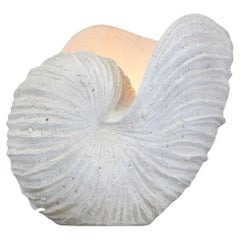
20th Century American Neoclassical Vintage White Wicker Bassinet
Brass
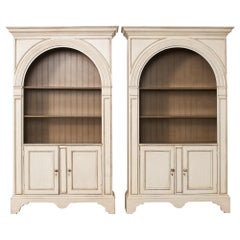
19th Century French Louis XVI Vintage White Wicker Bassinet
Giltwood
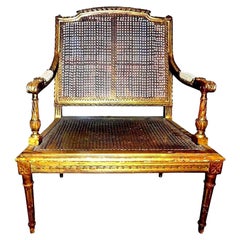
1930s Swedish Scandinavian Modern Vintage White Wicker Bassinet
Fabric, Wood
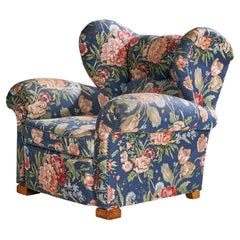
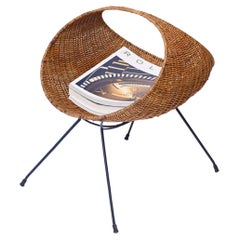
Mid-20th Century Italian Mid-Century Modern Vintage White Wicker Bassinet
Iron
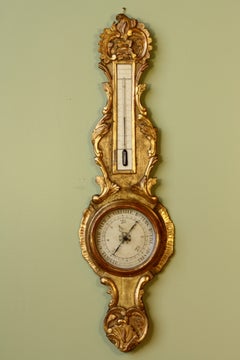
18th Century and Earlier French Louis XV Vintage White Wicker Bassinet
Giltwood, Glass
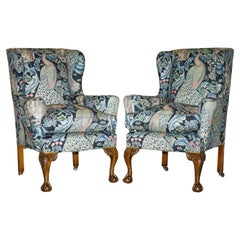
1840s English Early Victorian Vintage White Wicker Bassinet
Upholstery, Walnut
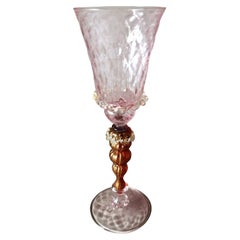
Late 20th Century Italian Baroque Vintage White Wicker Bassinet
Murano Glass
Mid-20th Century European Mid-Century Modern Vintage White Wicker Bassinet
Bamboo, Rattan
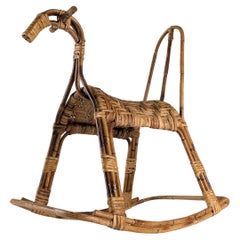
Early 20th Century American Art Deco Vintage White Wicker Bassinet
Wicker
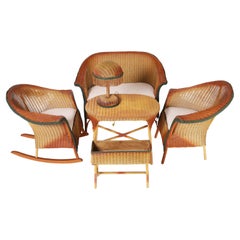
19th Century French Louis XV Vintage White Wicker Bassinet
Marble
19th Century French Louis XVI Vintage White Wicker Bassinet
Carrara Marble, Ormolu
1950s French French Provincial Vintage White Wicker Bassinet
Mirror, Wood
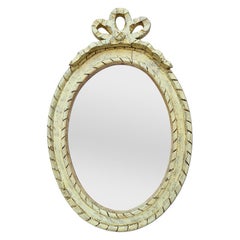
1950s Mid-Century Modern Vintage White Wicker Bassinet
Steel
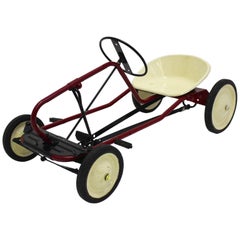
Early 19th Century German Biedermeier Vintage White Wicker Bassinet
Wood
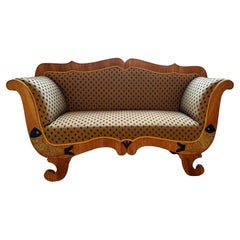
Late 18th Century English Hepplewhite Vintage White Wicker Bassinet
Mahogany
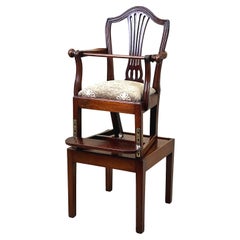
A Close Look at Bohemian Furniture
Defying design conventions and embracing all tastes, Bohemian style, or Boho style, is eclectic, bold and, above all, individual. Vintage Bohemian-style furniture and decor feature bright colors, natural materials and a global spirit, ranging from statement pieces such as peacock chairs constructed with wicker and handmade art-glass vases to jewel-toned plush seating like turquoise sofas.
Although Bohemian furniture is not rooted in a specific time and can include Victorian lamps alongside Space Age chairs, its name dates back to the 19th century. Its exact origins are unclear, with some sources linking it to a counterculture formed in the wake of the French Revolution and others to a pejorative for the Romani people in France who were erroneously believed to be from Bohemia, which was part of what is now the Czech Republic.
By the 1850s, “bohemian” was used to describe someone who led an itinerant life, usually an artist, actor or author. This helped shift the term from disparaging to something romantic and evoking creativity, culture and travel. In the 20th century, to be a bohemian was fashionable, and the celebration of free expression in the 1960s gave the Bohemian style a hippie flair. It has remained popular over the years, especially with younger generations seeking to express their personality and individual perspective through furniture, folk art, antiques and other collectibles.
A Bohemian interior exuberantly mixes textures and patterns, particularly through textiles from around the world in tapestries, rugs and upholstery. Bohemian decor can include Japanese shibori, Indonesian ikat and Kazakhstani suzani prints mingling with Moroccan lanterns, Turkish carpets and wall hangings from India. Saturated earthy colors like burnt orange and marigold yellow are common to bring together the mix of vintage, modern and global design.
Find a collection of vintage Bohemian tables, mirrors, rugs and carpets, decorative objects and more furniture on 1stDibs.
Finding the Right Childrens-furniture for You
When you’re shopping for antique, new and vintage children’s furniture, you’ll want your choices to fit nicely within the decor scheme of the rest of your home. But you’ll also want to create an alluring and inspirational space for your children to feel relaxed and encouraged creatively. Indeed, a child’s room can be simultaneously stylish and playful — the ideal environment for children.
Understandably, beds were the first piece of furniture designed for young children. In Ancient Egypt, children’s beds were scaled-down versions of adult beds. They were intended to be a logical size for a child and low enough to the ground so that they could climb in by themselves.
Historians discovered early high chairs in Ancient Greece. In the 6th century B.C., a child’s training potty might have also been used as a high chair, while archaeologists on a dig discovered a terracotta high chair in a marketplace in Athens. By the Renaissance period, children’s bookshelves were popular with upper-class families who had disposable income and the desire to beautify all areas of the home. The original purpose was to organize school books, but shelves eventually became integral to children’s rooms of the era.
In the early 20th century, Italian physician Maria Montessori changed the way designers thought about children’s furniture. She wrote that it was important for children to have a safe environment of their own that they could easily navigate. Montessori believed that children’s furniture should be sized for them but that it should also be made of light, durable materials so that it’s easy for them to carry if needed.
Today’s widely known mid-century modern furniture designers took interest in the idea that young children should have well-crafted furniture of their own. You can find vintage mid-century modern children’s furniture created by the likes of Harry Bertoia, Charles and Ray Eames and Alvar Aalto. Contemporary industrial designer and architect Philippe Starck is also known for having introduced versions of his furniture that were geared toward children, especially his seating and storage solutions.
It’s never too early for good design. Decorating a child’s room offers the opportunity to combine elevated furnishings and a youthful spirit and can result in spaces that are at once elegant and whimsical. On 1stDibs, find design ideas for children’s rooms as well as a variety of new, antique and vintage children’s furniture today.