Wabi Sabi Bowl
to
4
80
35
160
13
17
6
3
2
17
57
86
13
35
26
11
2
4
2
1
8
3
3
1
105
44
18
16
13
81
68
61
60
33
173
172
172
7
6
2
1
1
Sort By
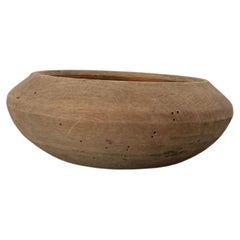
Antique Wabi Sabi Hand Carved Wooden Bowl
Located in Melville, NY
Hand carved wabi-sabi wooden bowl. Antique from the early 1900's. Perfect catchall or sculptural
Category
Early 20th Century European Primitive Decorative Bowls
Materials
Wood

Organic Ceramic Art Bowl – Handcrafted Earthy Textured Wabi-Sabi Piece
Located in Joniskio rajonas, LT
presence—perfect for collectors of brutalist, organic, or wabi-sabi design.
⸻
Why it stands out:
• No two
Category
21st Century and Contemporary Baltic Minimalist Centerpieces
Materials
Stoneware

- 1
Get Updated with New Arrivals
Save "Wabi Sabi Bowl", and we’ll notify you when there are new listings in this category.
Wabi Sabi Bowl For Sale on 1stDibs
Find many varieties of an authentic wabi sabi bowl available at 1stDibs. Each wabi sabi bowl for sale was constructed with extraordinary care, often using wood, bronze and metal. There are 5 variations of the antique or vintage wabi sabi bowl you’re looking for, while we also have 5 modern editions of this piece to choose from as well. There are many kinds of the wabi sabi bowl you’re looking for, from those produced as long ago as the 18th Century to those made as recently as the 21st Century. A wabi sabi bowl, designed in the Folk Art style, is generally a popular piece of furniture. A well-made wabi sabi bowl has long been a part of the offerings for many furniture designers and manufacturers, but those produced by The Design Foundry and Domingos Tótora are consistently popular.
How Much is a Wabi Sabi Bowl?
A wabi sabi bowl can differ in price owing to various characteristics — the average selling price 1stDibs is $590, while the lowest priced sells for $68 and the highest can go for as much as $6,500.
Questions About Wabi Sabi Bowl
- What is wabi-sabi furniture?1 Answer1stDibs ExpertApril 5, 2022Wabi-sabi furniture refers to tables, seats and other furnishings that reflect a specific Japanese design philosophy. It involves creating minimalist furniture that has a focus on appreciating the imperfections found in nature. On 1stDibs, find a collection of wabi-sabi furniture.
- What is an example of wabi-sabi?2 Answers1stDibs ExpertApril 5, 2022Wabi-sabi is the practice of finding the beauty in imperfections. Examples include flowers growing through cracks in the ground, or a broken ceramic bowl made whole again with its imperfections showing through. You’ll find a variety of wabi-sabi pieces from some of the world’s top sellers on 1stDibs.1stDibs ExpertApril 5, 2022One important aspect of wabi-sabi is the beauty in imperfect things, so a good example of wabi-sabi would be asymmetrical or even crude vessels and furniture. On 1stDibs, you’ll find a collection of wabi-sabi furniture and other objects from some of the world’s top sellers.
- 1stDibs ExpertMay 5, 2023The primary principle of Wabi-Sabi is to appreciate the imperfections found in nature. As a result, Wabi-Sabi emphasizes asymmetry, roughness, simplicity and the use of natural materials and finishes. On 1stDibs, shop a variety of pieces based on Wabi-Sabi principles.
- What is wabi-sabi pottery?1 Answer1stDibs ExpertApril 5, 2022Wabi-sabi pottery refers to earthenware vessels that embody the principles of a Japanese philosophy called wabi-sabi. Proponents of the idea believe that household objects should emphasize function over form, so that they satisfy needs but do not cause people to attach too much meaning to worldly possessions. There is also a focus on finding the beauty in imperfection and simplicity. On 1stDibs, find a collection of wabi-sabi pottery.
- Is Wabi-sabi a design style?1 Answer1stDibs ExpertMay 5, 2023Wabi-sabi is technically not a design style, but it has influenced design. The term Wabi-sabi refers to a philosophy that emphasizes accepting imperfection and celebrating the impermanent beauty of nature. This concept has inspired many interior design trends, such as using organic and sustainable materials, selecting upcycled and repurposed pieces and integrating furniture and decorative objects that are unfinished, unpolished and unglazed. Shop a collection of pieces inspired by Wabi-sabi on 1stDibs.