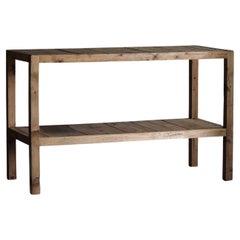
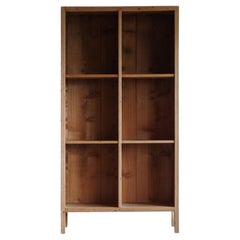
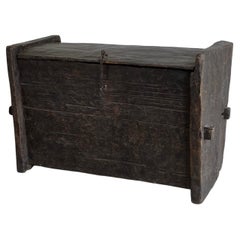
Wabi Sabi Cabinet

to
36
141
18
666
4
16
5
3
2
2
2
1
41
247
378
4
335
34
3
4
4
5
3
7
4
3
2
666
355
108
97
88
546
545
541
106
30
670
666
669
2
2
1
1
1
Sort By
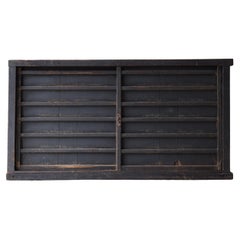
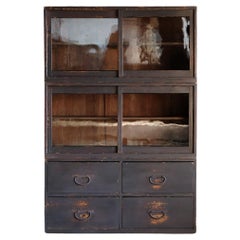
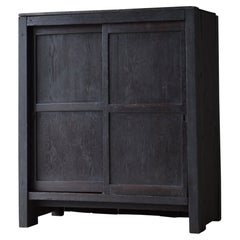
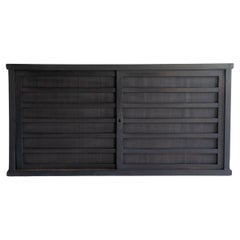
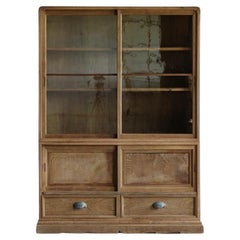
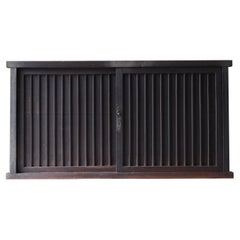
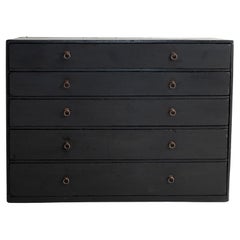
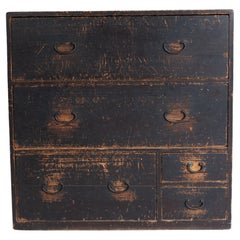
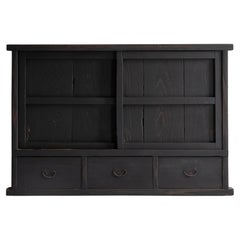
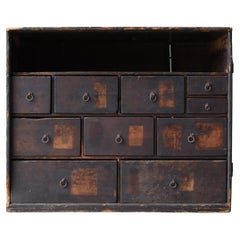
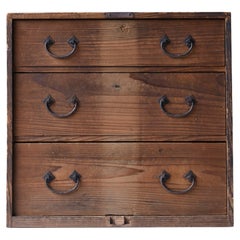
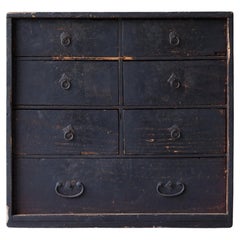
Japanese Antique Large Black Tansu / Cabinet Sideboard / 1868-1912s Wabi-sabi
Located in Iwate-gun Shizukuishi-cho, Iwate Prefecture
It is an old Japanese cabinet called "Tansu". It was used in the Tohoku region of Japan and is
Category

Antique Late 19th Century Japanese Meiji Cabinets

Materials

Wood, Cedar, Pine

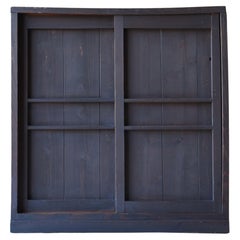
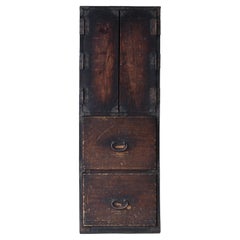
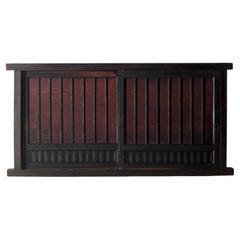
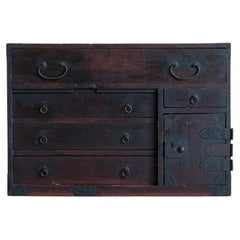
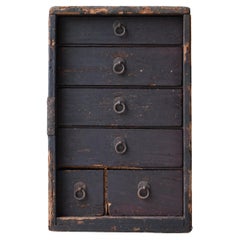
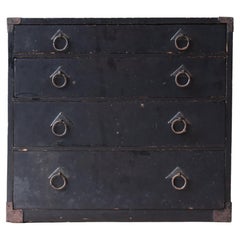
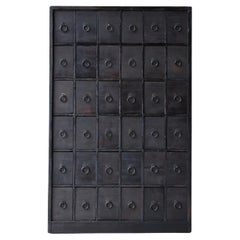
Japanese Antique Large Black Tansu / Cabinet Sideboard / 1868-1912s Wabi-sabi
Located in Iwate-gun Shizukuishi-cho, Iwate Prefecture
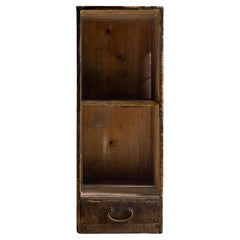
reddish-black on the right, creating a natural color transition. This thin, tall cabinet would also make
Category

Antique Late 19th Century Japanese Meiji Cabinets

Materials

Iron

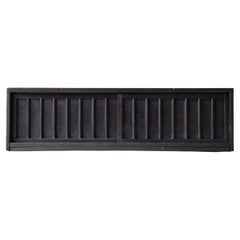
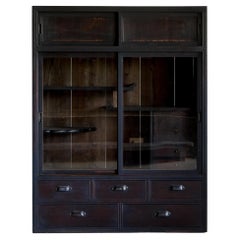
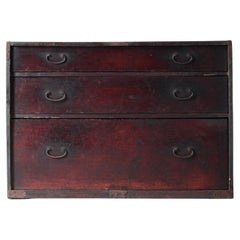
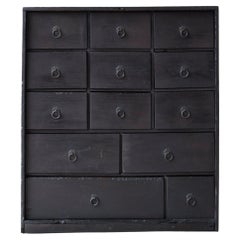
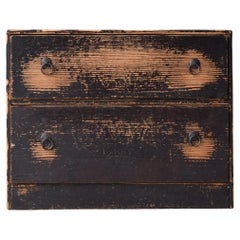
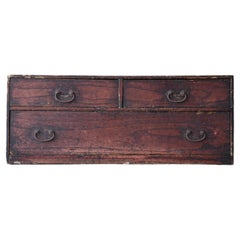
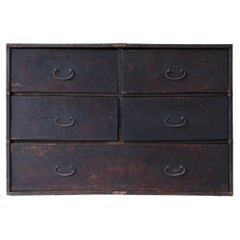
Japanese Antique Black Tansu / Drawer Cabinet Storage / 1868-1912s Wabi-Sabi
Located in Iwate-gun Shizukuishi-cho, Iwate Prefecture
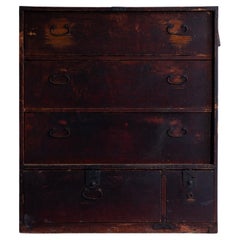
This is an old black cabinet in Japan, which is called a "tansu" in Japan. It seems to be around
Category

Antique Late 19th Century Japanese Meiji Cabinets

Materials

Iron

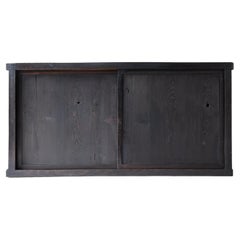
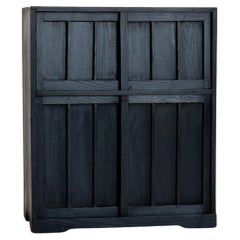
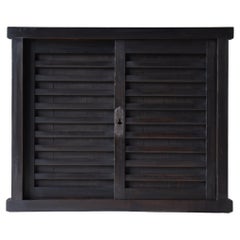
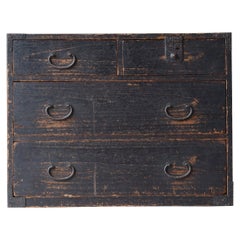
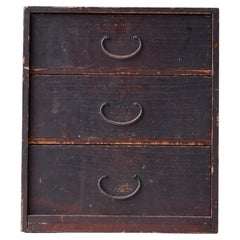
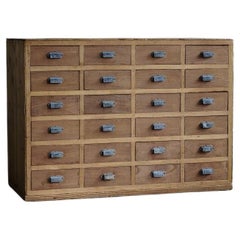
Japanese Antique Large Black Tansu / Cabinet Sideboard / 1868-1912s Wabi-sabi
Located in Iwate-gun Shizukuishi-cho, Iwate Prefecture
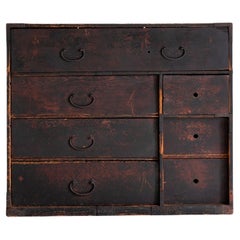
This is an old Japanese cabinet. It was used in the Tohoku region of Japan around the Meiji period
Category

Antique Late 19th Century Japanese Meiji Cabinets

Materials

Wood, Cedar

Japanese Antique Wabi Sabi Large Tansu 1860s-1900s / Black Cabinet Mingei
Located in Sammu-shi, Chiba
This is a very old and large Japanese Tansu. It is from the Meiji period (1860s-1900s). It is made of cedar wood. It is simple and beautiful with no unnecessary decoration. It ...
Category

Early 20th Century Japanese Meiji Cabinets

Materials

Cedar

Japanese Antique Black Large Tansu 1860s-1900s/Cabinet Wabi-Sabi Mingei
Located in Sammu-shi, Chiba
This is an old Japanese black large tansu. It is from the Meiji period (1860s-1900s). It is made of cedar wood. It is very rare. It is simple and cool with no unnecessary decor...
Category

Early 20th Century Japanese Meiji Cabinets

Materials

Cedar

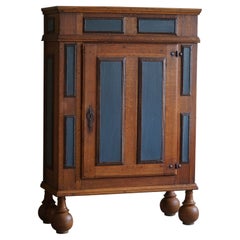
18th Century Antique Baroque Cabinet in Oak, Wabi Sabi, Handcrafted in Sweden
Located in Odense, DK
decor. A unique rustic piece that fit in the wabi sabi lifestyle. "A way of life that celebrates the
Category

Antique Mid-18th Century Swedish Baroque Cabinets

Materials

Iron

Japanese Antique Black Cabinet 1860s-1900s / Tansu Chests of Drawer Wabi Sabi
Located in Sammu-shi, Chiba
can use it with peace of mind. This is a very rare piece of Japanese furniture with a wabi-sabi
Category

Early 20th Century Japanese Meiji Cabinets

Materials

Cedar

Japanese Antique 3-piece Stacking Cabinet, Meiji Era 1868-1912 Wabi Sabi
Located in Hitachiomiya-shi, 08
, deepening the wabi-sabi aesthetic. This cabinet is not only a functional storage solution but also a
Category

Antique Late 19th Century Japanese Meiji Cabinets

Materials

Wood

Japanese Antique Cabinet 1860s-1900s / Tansu Chest of Drawer Sideboard Wabi Sabi
Located in Sammu-shi, Chiba
of mind. A very valuable piece of Japanese furniture with a wabi-sabi sensibility. Weight 15.5
Category

Early 20th Century Japanese Meiji Cabinets

Materials

Wood, Cedar

Japanese Antique Wabi Sabi Black Tansu 1860s-1900s / Cabinet Chests of Drawers
Located in Sammu-shi, Chiba
furniture of this period. This is a very rare Japanese furniture with a wabi-sabi feeling. It weighs
Category

Early 20th Century Japanese Meiji Cabinets

Materials

Wood, Cedar

Japanese Antique Black Low Board 1860s-1900s / Tansu Cabinet Wabi Sabi Sideboard
Located in Sammu-shi, Chiba
. This is a very rare Japanese furniture with a wabi-sabi feeling. It weighs 14kg.
Category

Early 20th Century Japanese Meiji Cabinets

Materials

Cedar

Japanese Antique Black Tansu 1860s-1900s / Cabinet Chest of Drawer Wabi Sabi
Located in Sammu-shi, Chiba
wabi-sabi sensibility. It weighs approximately 20 kg.
Category

Early 20th Century Japanese Meiji Cabinets

Materials

Cedar

Japanese Antique Wabi Sabi Black Tansu 1860s-1900s / Cabinet Chests of Drawers
Located in Sammu-shi, Chiba
is a very rare Japanese furniture with a wabi-sabi feeling. It weighs approximately 25 kg.
Category

Early 20th Century Japanese Meiji Cabinets

Materials

Cedar

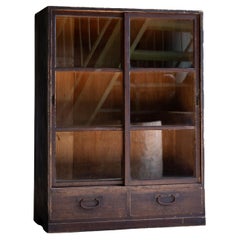
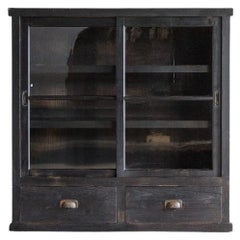
Japanese Antique Cabinet with Glass Doors, Taisho Era (1912–1926), Wabi-Sabi
Located in Hitachiomiya-shi, 08
lacquer. Gentle, timeworn areas of lacquer wear create a rich wabi-sabi patina. Behind the glass are
Category

Early 20th Century Japanese Taisho Cabinets

Materials

Wood, Cherry, Cedar

1910s - 20s Japanese antique mid-size glass cabinet. wabi sabi organic primitive
Located in 常陸大宮市, JP
sliding doors (see pictures), and the original Urushi lacquer remains in nice wabi sabi touch, which are
Category

Early 20th Century Japanese Taisho Cabinets

Materials

Glass, Wood, Cedar

Japanese Antique Large Black Tansu 1860s-1900s / Cabinet Sideboard Wabi Sabi///
Located in Sammu-shi, Chiba
valuable piece of Japanese furniture with a wabi-sabi aesthetic. This is difficult to obtain even in Japan
Category

Antique Late 19th Century Japanese Meiji Sideboards

Materials

Cedar

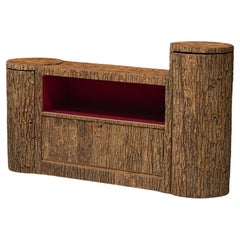
Wabi Sabi Monoxylite Credenza, Switzerland, 1950s
Located in Antwerp, BE
shelving inside adds a modern twist. This credenza embodies the Wabi-Sabi aesthetic, celebrating the
Category

Vintage 1950s Swiss Organic Modern Credenzas

Materials

Wood

Japanese Antique Glass Sliding Door Cabinet, Taisho Era 1912-1926 , Wabi Sabi
Located in Hitachiomiya-shi, 08
This antique glass sliding door cabinet was crafted in the Taisho Era(1912-1926). Crafted in Japan
Category

Early 20th Century Japanese Taisho Cabinets

Materials

Cedar

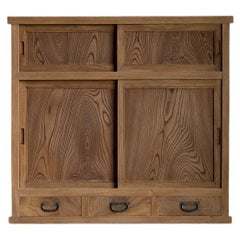
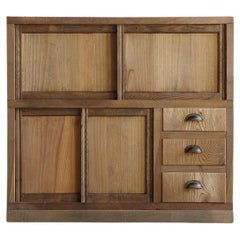
Japanese Antique Wooden Sliding Door Cabinet, Taisho Era 1912-1926 , Wabi Sabi
Located in Hitachiomiya-shi, 08
This antique wooden sliding door cabinet was crafted in the Taisho Era(1912-1926). This cabinet
Category

Early 20th Century Japanese Taisho Cabinets

Materials

Wood

Japanese Antique Cabinet, Cupboard "Chatansu"Taisho Era 1912-1926 , Wabi Sabi
Located in Hitachiomiya-shi, 08
This cabinet is crafted from high-quality chestnut wood. The front is adorned with beautiful black
Category

Early 20th Century Japanese Taisho Cupboards

Materials

Chestnut

Japanese Antique Large Black Tansu/Cabinet Sideboard/1868-1912s Wabi-Sabi Mingei
Located in Iwate-gun Shizukuishi-cho, Iwate Prefecture
This is an old Japanese black cabinet. It seems to be around the Meiji period, and cedar is the
Category

Antique Late 19th Century Japanese Meiji Cabinets

Materials

Wood, Cedar

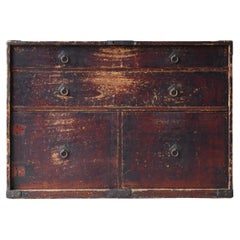
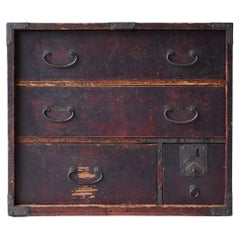
Japanese Antique Red and Black Tansu / Cabinet / 1868-1912s / Wabi-Sabi Mingei
Located in Iwate-gun Shizukuishi-cho, Iwate Prefecture
This is an old cabinet called " Tansu" in Japan. It is a lower type than a normal Tansu. The
Category

Antique Late 19th Century Japanese Meiji Cabinets

Materials

Iron

Japanese Antique Black Tansu 1860s-1900s / Cabinet Wabi Sabi Chests of Drawers
Located in Sammu-shi, Chiba
This is a very old Japanese black Tansu. It is from the Meiji period (1860s-1900s). It is made of cedar wood. It is simple and beautiful, with no unnecessary decoration. It is ...
Category

Early 20th Century Japanese Meiji Cabinets

Materials

Cedar

Japanese Antique Large Tansu 1860s-1900s / Cabinet Chests of Drawers Wabi Sabi
Located in Sammu-shi, Chiba
Very old, large Japanese Tansu. It dates from the Meiji period (1860s-1900s). It is made of zelkova and cedar wood. It is simple and beautiful, with no unnecessary decoration. It is...
Category

Early 20th Century Japanese Meiji Cabinets

Materials

Wood, Cedar

Japanese Antique Storage Cabinets , Taisho Period Early 1900s , Wabi Sabi
Located in Hitachiomiya-shi, 08
beauty and elegance of its era. Its beautifully understated design reflects the wabi-sabi aesthetic, a
Category

Early 20th Century Japanese Taisho Commodes and Chests of Drawers

Materials

Chestnut, Cedar

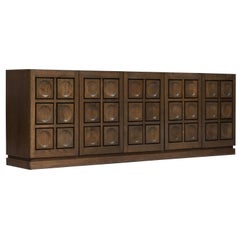
Naturalist Wabi Sabi Oak Credenza, 1970s
By De Coene Frères
Located in Antwerp, BE
Mid-Century Modern Brutalist sideboard, the 1970s Geometrical door panels are typical for the era. The grain of the oak really jumps to the eye. Would fit well in a Hollywood ...
Category

Vintage 1970s Belgian Mid-Century Modern Credenzas

Materials

Oak

Japanese Antique Drawer 1860s-1900s / Cabinet Wabi Sabi Storage Tansu
Located in Sammu-shi, Chiba
can use them with peace of mind. This is a rare Japanese furniture with a sense of wabi-sabi
Category

Early 20th Century Japanese Meiji Commodes and Chests of Drawers

Materials

Wood

Japanese Antique Black Drawer 1860s-1900s / Wabi Sabi Tansu Cabinet
Located in Sammu-shi, Chiba
. It is in the best condition. This is a very rare Japanese furniture with wabi sabi feeling. Weight
Category

Early 20th Century Japanese Meiji Commodes and Chests of Drawers

Materials

Cedar

Japanese Antique Drawer 1860s-1900s / Tansu Cabinet Sideboard Wabi Sabi
Located in Sammu-shi, Chiba
sanitized. It is in top condition. This is a very rare piece of Japanese furniture with a wabi-sabi
Category

Early 20th Century Japanese Meiji Commodes and Chests of Drawers

Materials

Cedar

Japanese Antique Wabi Sabi Drawer 1860s-1900s / Storage Tansu Cabinet
Located in Sammu-shi, Chiba
Japanese furniture with wabi-sabi aesthetics. Weight: 13kg.
Category

Early 20th Century Japanese Meiji Commodes and Chests of Drawers

Materials

Cedar

Japanese Antique Wabi Sabi Drawer 1860s-1900s / Storage Tansu Cabinet
Located in Sammu-shi, Chiba
furniture with wabi-sabi aesthetic. Weight: 14kg.
Category

Early 20th Century Japanese Meiji Commodes and Chests of Drawers

Materials

Cedar

Japanese antique wooden bookcase 1898, Meiji era. wabi sabi small cabinet tansu
Located in 常陸大宮市, JP
-shi. Original paint remains in nice wabi sabi touch. Shelves inner (same to upper & lower) : w 7.87
Category

Antique Late 19th Century Japanese Meiji Bookcases

Materials

Wood

Japanese Antique Large Drawer 1860s-1900s / Cabinet Tansu Wabi Sabi
Located in Sammu-shi, Chiba
. You can use it with peace of mind. Wabi-Sabi aestheticVery rare furniture. Since ancient times
Category

Early 20th Century Japanese Meiji Commodes and Chests of Drawers

Materials

Cedar

Japanese Antique Large Drawer 1860s-1900s / Cabinet Tansu Wabi Sabi
Located in Sammu-shi, Chiba
. You can use it with peace of mind. Wabi-Sabi aestheticVery rare furniture. Weight : 36kg Since
Category

Early 20th Century Japanese Meiji Commodes and Chests of Drawers

Materials

Cedar

Japanese Antique Large Drawer 1860s-1900s / Cabinet Tansu Wabi Sabi
Located in Sammu-shi, Chiba
. You can use it with peace of mind. Wabi-Sabi aestheticVery rare furniture. Since ancient times
Category

Early 20th Century Japanese Meiji Commodes and Chests of Drawers

Materials

Cedar

Japanese Antique Tansu 1860s-1900s / Sideboard Wabi Sabi
Located in Sammu-shi, Chiba
excellent condition for its age. This tansu reflects the philosophy of wabi-sabi, which finds beauty in
Category

Antique Late 19th Century Japanese Meiji Cabinets

Materials

Cedar

Japanese Antique Black Drawer 1860s-1900s / Tansu Cabinet Mingei Wabi Sabi
Located in Sammu-shi, Chiba
Japanese furniture with a wabi-sabi feel. Weight: approx. 20 kg. 
Category

Early 20th Century Japanese Meiji Commodes and Chests of Drawers

Materials

Cedar

Japanese Antique Drawer 1860s-1900s / Cabinet Wabi Sabi Storage Tansu Mingei
Located in Sammu-shi, Chiba
Japanese furniture with a sense of Wabi-Sabi.  
Category

Early 20th Century Japanese Meiji Commodes and Chests of Drawers

Materials

Wood

Japanese Antique Drawer 1860s-1900s / Cabinet Storage Tansu Mingei Wabi Sabi
Located in Sammu-shi, Chiba
with a wabi-sabi feel. Weight 7 kg.
Category

Early 20th Century Japanese Meiji Commodes and Chests of Drawers

Materials

Cedar

Japanese Antique Wabi Sabi Drawer 1860s-1900s / Tansu Storage Cabinet Mingei
Located in Sammu-shi, Chiba
piece of furniture with a wabi-sabi sensibility. Weight 16.5 kg.
Category

Early 20th Century Japanese Meiji Commodes and Chests of Drawers

Materials

Cedar

Japanese Antique Wabi Sabi Drawer 1860s-1900s / Tansu Cabinet Storage Mingei
Located in Sammu-shi, Chiba
. This is a rare Japanese furniture with wabi and sabi sensibility. Weight 4kg.  
Category

Early 20th Century Japanese Meiji Commodes and Chests of Drawers

Materials

Wood

Japanese Antique Small Drawer 1860s-1900s / Cabinet Wabi Sabi Storage Tansu
Located in Sammu-shi, Chiba
mind. This is a rare Japanese furniture with Wabi-Sabi sensibility. The weight is 3kg.  
Category

Early 20th Century Japanese Meiji Commodes and Chests of Drawers

Materials

Cedar

Japanese Antique Black Drawer 1860s-1900s / Tansu Storage Cabinet Wabi Sabi
Located in Sammu-shi, Chiba
it with peace of mind. This is a very rare Japanese furniture with a wabi-sabi aesthetic. Weight
Category

Early 20th Century Japanese Meiji Commodes and Chests of Drawers

Materials

Wood

Japanese Antique Small Drawer 1860s-1900s / Cabinet Storage Tansu Wabi Sabi
Located in Sammu-shi, Chiba
disinfected. Rare Japanese furniture with a sense of wabi-sabi. Weight 8kg.
Category

Early 20th Century Japanese Meiji Commodes and Chests of Drawers

Materials

Cedar

Japanese Antique Black Drawer 1860s-1900s / Mingei Wabi Sabi Tansu Cabinet
Located in Sammu-shi, Chiba
. It is in the best condition. This is a very rare Japanese furniture with wabi-sabi feeling. Weight
Category

Early 20th Century Japanese Meiji Commodes and Chests of Drawers

Materials

Cedar

Japanese Antique Drawer 1860s-1900s / Cabinet Storage Tansu Mingei Wabi Sabi
Located in Sammu-shi, Chiba
peace of mind. This is a rare Japanese furniture with a sense of wabi-sabi. Weight 22kg.
Category

Early 20th Century Japanese Meiji Commodes and Chests of Drawers

Materials

Cedar

Japanese Antique Wabi Sabi Drawer 1860s-1900s / Cabinet Storage Tansu Mingei
Located in Sammu-shi, Chiba
them with peace of mind. This is a rare Japanese furniture with a sense of wabi-sabi. Weight :7kg.  
Category

Early 20th Century Japanese Meiji Commodes and Chests of Drawers

Materials

Wood

Japanese Antique Small Drawer 1860s-1900s / Tansu Cabinet Wabi Sabi Storage
Located in Sammu-shi, Chiba
. This is a rare piece of Japanese furniture with wabi and sabi sensibility. The weight is 5kg.  
Category

Early 20th Century Japanese Meiji Commodes and Chests of Drawers

Materials

Cedar

Japanese Antique Black Drawer 1860s-1900s / Tansu Storage Cabinet Wabi Sabi
Located in Sammu-shi, Chiba
it with peace of mind. This is a very rare Japanese furniture with wabi-sabi aesthetic. Weight
Category

Early 20th Century Japanese Meiji Commodes and Chests of Drawers

Materials

Wood, Cedar

Japanese Antique Black Apothecary Drawers 1860s-1900s / Tansu Cabinet Wabi Sabi
Located in Sammu-shi, Chiba
for a piece of furniture from the Meiji era. This is a very rare Japanese furniture with a wabi
Category

Early 20th Century Japanese Meiji Commodes and Chests of Drawers

Materials

Wood

Japanese Antique Large Drawer 1860s-1900s / Tansu Storage Cabinet Wabi Sabi
Located in Sammu-shi, Chiba
a very rare Japanese furniture with wabi-sabi aesthetic. Weight: approx. 50 kg.
Category

Early 20th Century Japanese Meiji Commodes and Chests of Drawers

Materials

Wood, Cedar

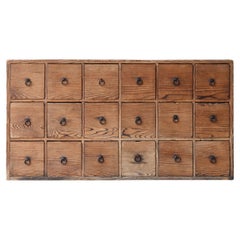
Japanese Antique 24-Drawer Cabinet, Meiji Era 1868-1912 Wabi Sabi
Located in Hitachiomiya-shi, 08
weathered details add to its wabi-sabi charm. As a antique piece, minor scratches and marks may be present
Category

Antique Late 19th Century Japanese Meiji Commodes and Chests of Drawers

Materials

Wood

Japanese Antique Wabi Sabi Tansu 1860s-1900s / Storage Box Cabinet Sideboard
Located in Sammu-shi, Chiba
design. You can feel the aesthetic of Wabi-Sabi. The atmosphere of this furniture should not be
Category

Early 20th Century Japanese Meiji Commodes and Chests of Drawers

Materials

Cedar

Japanese Antique, Shelves , Showa Period, Wabi Sabi
Located in Hitachiomiya-shi, 08
This is a Japanese antique display shelf. It was made in the Showa period. The rustic charm of cedar wood brings a natural warmth, presenting a design that is simple yet radiates a ...
Category

Early 20th Century Japanese Showa Shelves

Materials

Cedar

Japanese Antique, Shelves, Showa Period, Wabi Sabi
Located in Hitachiomiya-shi, 08
This is a Japanese antique shelf. This decorative shelf exudes the charm of antiques, with its unique vertical grid design leaving a distinct impression. Its design is simple yet re...
Category

Vintage 1940s Japanese Showa Shelves

Materials

Cedar

Early 19th C Wabi Sabi Blanket chest
Located in Nijlen, BE
A unique Wabi Sabi piece, beautiful in its imperfection! A very early 19th century solid blanket
Category

Antique Early 19th Century Italian Minimalist Blanket Chests

Materials

Hardwood

  • 1
  • ...
Get Updated with New Arrivals
Save "Wabi Sabi Cabinet", and we’ll notify you when there are new listings in this category.

Wabi Sabi Cabinet For Sale on 1stDibs

Choose from an assortment of styles, material and more with respect to the wabi sabi cabinet you’re looking for at 1stDibs. Each wabi sabi cabinet for sale was constructed with extraordinary care, often using wood, reclaimed wood and elm. If you’re shopping for a wabi sabi cabinet, we have 10 options in-stock, while there are 1 modern editions to choose from as well. Your living room may not be complete without a wabi sabi cabinet — find older editions for sale from the 18th Century and newer versions made as recently as the 21st Century. A wabi sabi cabinet is a generally popular piece of furniture, but those created in Mid-Century Modern and Folk Art styles are sought with frequency. Many designers have produced at least one well-made wabi sabi cabinet over the years, but those crafted by Mikko Nupponen, Olavi Hanninen and De Coene Frères are often thought to be among the most beautiful.

How Much is a Wabi Sabi Cabinet?

A wabi sabi cabinet can differ in price owing to various characteristics — the average selling price 1stDibs is $4,000, while the lowest priced sells for $590 and the highest can go for as much as $11,310.

Finding the Right Case Pieces And Storage Cabinets for You

Of all the vintage storage cabinets and antique case pieces that have become popular in modern interiors over the years, dressers, credenzas and cabinets have long been home staples, perfect for routine storage or protection of personal items. 

In the mid-19th century, cabinetmakers would mimic styles originating in the Louis XIV, Louis XV and Louis XVI eras for their dressers, bookshelves and other structures, and, later, simpler, streamlined wood designs allowed these “case pieces” or “case goods” — any furnishing that is unupholstered and has some semblance of a storage component — to blend into the background of any interior. 

Mid-century modern furniture enthusiasts will cite the tall modular wall units crafted in teak and other sought-after woods of the era by the likes of George Nelson, Poul Cadovius and Finn Juhl. For these highly customizable furnishings, designers of the day delivered an alternative to big, heavy bookcases by considering the use of space — and, in particular, walls — in new and innovative ways. Mid-century modern credenzas, which, long and low, evolved from tables that were built as early as the 14th century in Italy, typically have no legs or very short legs and have grown in popularity as an alluring storage option over time. 

Although the name immediately invokes images of clothing, dressers were initially created in Europe for a much different purpose. This furnishing was initially a flat-surfaced, low-profile side table equipped with a few drawers — a common fixture used to dress and prepare meats in English kitchens throughout the Tudor period. The drawers served as perfect utensil storage. It wasn’t until the design made its way to North America that it became enlarged and equipped with enough space to hold clothing and cosmetics. The very history of case pieces is a testament to their versatility and well-earned place in any room. 

In the spirit of positioning your case goods center stage, decluttering can now be design-minded.

A contemporary case piece with open shelving and painted wood details can prove functional as a storage unit as easily as it can a room divider. Alternatively, apothecary cabinets are charming case goods similar in size to early dressers or commodes but with uniquely sized shelving and (often numerous) drawers.

Whether you’re seeking a playful sideboard that features colored glass and metal details, an antique Italian hand-carved storage cabinet or a glass-door vitrine to store and show off your collectibles, there are options for you on 1stDibs.

Questions About Wabi Sabi Cabinet
  • 1stDibs ExpertMay 5, 2023
    The primary principle of Wabi-Sabi is to appreciate the imperfections found in nature. As a result, Wabi-Sabi emphasizes asymmetry, roughness, simplicity and the use of natural materials and finishes. On 1stDibs, shop a variety of pieces based on Wabi-Sabi principles.
  • 1stDibs ExpertApril 5, 2022
    Wabi-sabi pottery refers to earthenware vessels that embody the principles of a Japanese philosophy called wabi-sabi. Proponents of the idea believe that household objects should emphasize function over form, so that they satisfy needs but do not cause people to attach too much meaning to worldly possessions. There is also a focus on finding the beauty in imperfection and simplicity. On 1stDibs, find a collection of wabi-sabi pottery.
  • 1stDibs ExpertApril 5, 2022
    Wabi-sabi furniture refers to tables, seats and other furnishings that reflect a specific Japanese design philosophy. It involves creating minimalist furniture that has a focus on appreciating the imperfections found in nature. On 1stDibs, find a collection of wabi-sabi furniture.
  • 1stDibs ExpertApril 5, 2022
    Wabi-sabi is the practice of finding the beauty in imperfections. Examples include flowers growing through cracks in the ground, or a broken ceramic bowl made whole again with its imperfections showing through. You’ll find a variety of wabi-sabi pieces from some of the world’s top sellers on 1stDibs.
    1stDibs ExpertApril 5, 2022
    One important aspect of wabi-sabi is the beauty in imperfect things, so a good example of wabi-sabi would be asymmetrical or even crude vessels and furniture. On 1stDibs, you’ll find a collection of wabi-sabi furniture and other objects from some of the world’s top sellers.
  • 1stDibs ExpertMay 5, 2023
    Wabi-sabi is technically not a design style, but it has influenced design. The term Wabi-sabi refers to a philosophy that emphasizes accepting imperfection and celebrating the impermanent beauty of nature. This concept has inspired many interior design trends, such as using organic and sustainable materials, selecting upcycled and repurposed pieces and integrating furniture and decorative objects that are unfinished, unpolished and unglazed. Shop a collection of pieces inspired by Wabi-sabi on 1stDibs.

Read More

37 Cheerful Home Bars, Where Everybody (Literally) Knows Your Name

Simple or sophisticated, equipped with console, cart or custom cabinetry, these stylish bar areas deserve a toast.

The Ultimate Guide to Types of Tables for the Home

Whether you’re just moving in or ready to give your home a makeover, our guide will give you pointers on tables that are fitting for every room, nook and hallway.

What Exactly Is a Secretary Desk, and What Is It Used For?

The furniture equivalent of a Swiss Army knife, it's the multifunctional piece you didn't know you needed.

This Shelving System with Oxidized Brass Tubes Is Retro and Futuristic at Once

Italian studio DimoreMilano mustered great ingenuity when crafting these sculptural shelves, which are built without any screws.

Ask an Interior Designer: Work-from-Home Edition

Leaping into a design project, whether it's refreshing the bedroom or redoing the whole house, can be overwhelming. Luckily, we know more than a few interior designers. You asked questions on Instagram, and now they're answering.

Collected and Eclectic, ‘Wunderkammern’ Are Back in a Big Way

Introduced nearly 500 years ago, curiosity cabinets are finding new fans among today's collectors and designers.

Meet the Incredible Woman Transforming Fallen Trees into Sleek Furniture

In the hands of New York Heartwoods cofounder Megan Offner, unwanted local trees become works of design art.

These New York Architects Love a Complicated Project

From Brooklyn townhouses to Maine campgrounds, Trattie Davies and Jonathan Toews relish a challenge, like transforming a former warehouse space into the new 1stdibs Gallery.